Exclusive: ELLE Showrunners Laura Kittrell & Caroline Dries Break Down LEGALLY BLONDE Prequel Series
All episodes of Season One are now streaming on Prime Video.
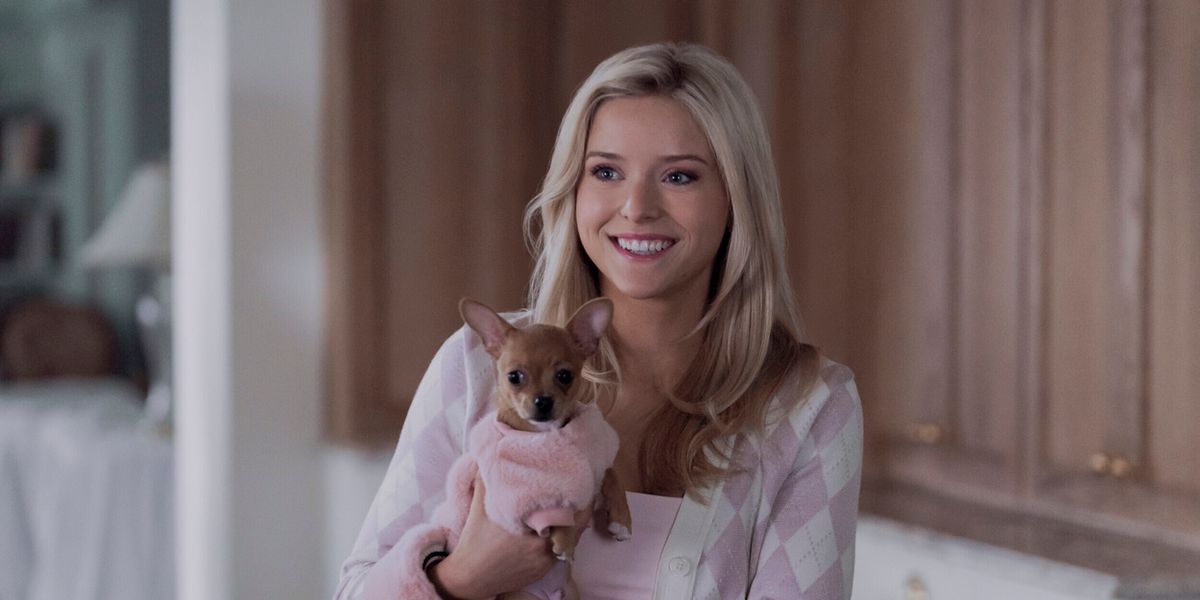
These days, the "icon" label seems to be everywhere. But for audiences introduced to Legally Blonde in the early 2000s, Elle Woods justifiably reigned as one of the most iconic female characters of the era. By dismantling gender stereotypes and being unapologetic herself, Elle has remained a stalwart pop culture presence in the years since, and Prime Video's new prequel series proves that she won't be going anywhere anytime soon.
Played by Reese Witherspoon in the original 2001 film and Laura Bell Bundy in the 2007 Broadway musical, the character is now being brought to life by Lexi Minetree. Titled Elle, Prime's dramedy explores the earlier years of the, yes, icon, as she navigates the treacherous waters of her high school years. Harvard may not be hard, but high school proves to be a major challenge for Elle, especially when it is far away from sunny California.
The series transports the character to the city of Seattle circa 1995, where Elle finds herself feeling out of place for the first time in her life. As she acclimates to the new setting, she uncovers a nefarious plot in her community, and with the help of new friends, attempts to uncover the culprit, while also learning valuable lessons about herself and the kind of person that she wants to be for those in her circle.
We caught up with showrunners and writers Laura Kittrell and Caroline Dries, who offered insights into the writing process, creating backstory for the beloved character and landing on a tone for the new series. All episodes of Season One are now streaming on Prime Video.
Warning: Spoilers ahead for episodes six and seven.
This interview has been condensed for clarity and length.
There is obviously a lot of other Legally Blonde media. There is the original book, the films, and then the stage musical. What did you pull from when fleshing out her backstory? Was there anything that might not be significant to the average viewer that you found particularly insightful?
Laura Kittrell: The two movies, especially the first movie, were our North Star. I'm very familiar with the musical, and our cast is constantly singing [it.] That, I will say, informed a little bit less of things, but I'm a fan. On the show, we flesh out the characters of the parents more than is true in the movie.
In the books, the Eva character owns an art gallery, which is not something that we do on the show or reference in any way. But it did spark a little bit of something in my brain of, "What would this woman's job be? Who would she be outside of her marriage and her role as a mother?" That was a thread that we followed a little bit more in terms of references that people wouldn't necessarily know. It's tough because the fans of the movie are so rabid that I feel like they're going to know everything.
Did you feel like you had to maintain continuity, or did you have freedom to adjust some things? How much did you know you needed to include or wanted to maintain?
Kittrell: We knew we could never contradict the movie. The kind of tightrope that we're walking on the show is we have to have a character have growth over, hopefully, many seasons. She has to grow but then also still be a person who, in the movie, can grow again.
Something that we talked a lot about was that, because she's a teenager, she doesn't necessarily have the confidence that she has in the movie. In the movie, she feels bad that people are misjudging her and being mean to her, but she doesn't really take it personally and think, “Am I the person that they say that I am?” She doesn't believe it about herself, but when you're a teenager, you do internalize those things that people are saying. So that was something that we always thought that we could explore, but we have intentionally not done anything that would undo anything that's happening in that first movie.
Tonally, there’s a balance here between comedy as well as the more dramatic aspects. How did you land on that tone and what did it look like as you were developing it?
Caroline Dries: The tone is tricky for both of us. It's neither a full straight comedy nor a really dry drama. And then it has the YA elements where things feel new for the first time, and they're aspirational, and you have this fish out of water story.
We knew that it needed to have, first of all, a plot engine that could sustain eight episodes of drama and then all the episodes needed to have this emotional bottom where Elle goes through an emotional journey and has a profound takeaway. We worried less about whether it was funny or dramatic.
We were like, “What are the human things that happen to kids in high school and what are our stories as adults now looking back? What shaped us?” [We’re] pulling from the truth, and then you can twist it and make some of those situations very funny. But at the end of the day, Elle is a human being who is going through hard things.
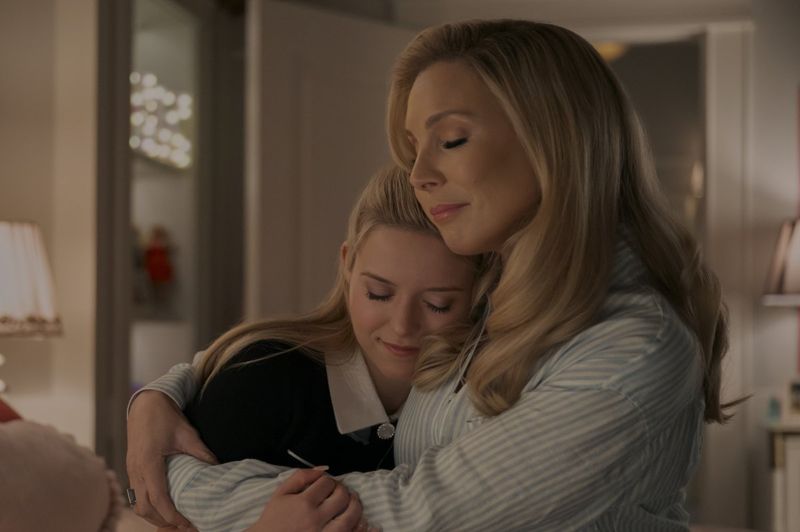
Having finished season two already, we now know what is too far and what feels goofy. Elle and Eva are sort of the most heightened characters on the show. Everything else around them needs to be grounded, or the train will fall off the tracks.
As you were drafting the season, what were some narrative challenges that you were particularly satisfied to solve?
Kittrell: We have a central mystery over the course of the season and we had a lot of different culprits. Once we finally landed on the person that we did, that was very satisfying. There was also episode six, which we just have been calling “The Breakfast Club episode.” We were trying to figure out how to get everybody at one place at one time to work together and solve this mystery. Once we put together that they intentionally decided to “Breakfast Club” themselves into the school, that was a really satisfying way to tell that story to us.
Dries: We also wanted to pay homage to the movie and see Elle as a lawyer in some way. So it was important for us to have her stand up in front of a group of people who were underestimating her and say, "Actually, here's what happened," and put the pieces together.
By episode seven, she has figured out this Rubik's cube of insurance fraud and is able to succinctly outline her plan. It was a big moment for us to reveal. We really wanted to use that Nokia ringtone, which is such a familiar sound of the '90s, and have that “gotcha” moment. And so we worked hard to set things up and thread that needle.
Kittrell: We had just a list of '90s things we wanted to try to fit in at some point. And the way we figured out how to do Star 69 was very satisfying.
How did you land on Seattle as the series setting and what elements of the city did you want to capture, without leaning too far into stereotype?
Kittrell: The year 1995 really helped solve the Seattle problem, knowing that we wanted her to be a fish out of water, and just looking at a map of the United States and being like, “What feels different from Harvard?”
We have a lot of reverence for Seattle and Seattle of that time. Sometimes we would refer to Seattle in the room as “Seattle” in air quotes because you do have to lean into [stereotypes] in the same way that we lean into the Bel-Air and LA stereotypes pretty aggressively sometimes.
If we needed it for the comedy, we would have to lean into air quote “Seattle,” but just when we're actually having the texture of the place, wanting to be authentic and the Seattle that we love.
There’s some great Seattle locations here, like Pike Place Market. Can you talk about bringing those to life?
Kittrell: Our production designer, Lauren Kelsey, turned a dive bar into the Rainforest Cafe.
Dries: We did go and shoot a B-roll unit in Seattle. They actually went to Pike Place Market, so we were at least on the exterior there. The Carpet Mart location was based on a venue that Laura grew up with in Mississippi, but I feel like those were a dime a dozen in Seattle— a venue that's used as one thing during the day and then a band plays there at night with underage parties.
Our opening credit sequence is specifically juxtaposing Seattle and Bel Air moments. We did that because we realized that in 2026, the young viewers have no context for what Seattle actually looked like back in the '90s because so much has morphed into the same aesthetic no matter where you live. It was important for us to educate the audience a tiny bit through this sort of saga cell of our opening credits. That was very intentional.
Photo Credit: Prime Video
Sign up for all the news on the Fall season, discounts & more...
.jpg?format=auto&width=300)