Broadway’s Non-Profit Cheat Code
Is it an exploit that needs patching? Or is it a needed shot in the arm for a struggling industry.
Only one new musical, and zero musical revivals, have made back their initial capitalization over the past two years. Shows cost more than ever before to make it to Broadway, and are closing faster and faster, even after winning major Tony Awards. None of this is new information, the last few years have been a huge struggle for commercial theatre, particularly commercial musicals. As one anonymous Broadway co-producer put it, “every [Broadway] show costs $100k a week too much to operate, and ticket prices need to increase 30% to be where we were five years ago.” That’s quite the gap to bridge.
Enter the non-profits. Broadway has four, Roundabout Theatre Company, Lincoln Center Theatre, Second Stage Theatre, and Manhattan Theatre Club, all with subscriber bases, all who own their own theatre (or multiple theatres in the case of Roundabout), all who program multiple shows a year that otherwise would be unlikely to see the light of day on Broadway. All are mission driven, all are members of the League of Resident Theatres, a consortium of non-profit theatres across the country. All of their respective Broadway theatres are part of the “A+” Actors Equity contract tier. That tier pays actors a weekly minimum of $2244 next year, versus the production contract weekly minimum of $2800, nearly 20% less.
That’s not news really, it’s been true for a long time that the highest level of regional theatre in New York City paid less than the Broadway rate, even if those productions were “on Broadway”. However it is a larger gap for actors than for say, musicians, who make either the same or virtually the same weekly regardless of whether a show is “non-profit” or commercial. After all, it’s not as though the cost of living in New York decreases depending on the type of show.
There is some logic to the lower minimum for actors however, allowing more financial flexibility that in theory allows for these theatres to pursue riskier works is, by and large, a good thing. In the wake of the pandemic as well, all four Broadway non-profits have had more years in the red than in the black, which has led to reductions in season programming, and even Second Stage Theatre’s decision to vacate the former Tony Kiser Theatre, now Studio Seaview. But those funding gaps have gotten less significant in recent years, with the 2025 fiscal year resulting in every one of these theaters having a positive net income, according to their form 990 statements.
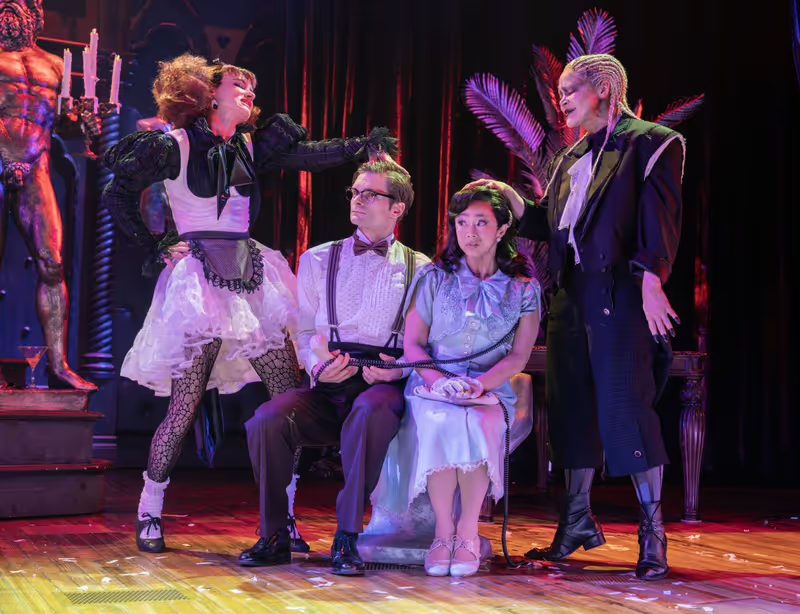
But many of these shows, including the recent Rocky Horror and Ragtime, and even many of the plays, they all walk and talk mostly like commercial productions. They all have commercial producers and co-producers and investors, they have public capitalizations and pitch decks (which often do not contain information after the show turns into a commercial run from a non-profit).
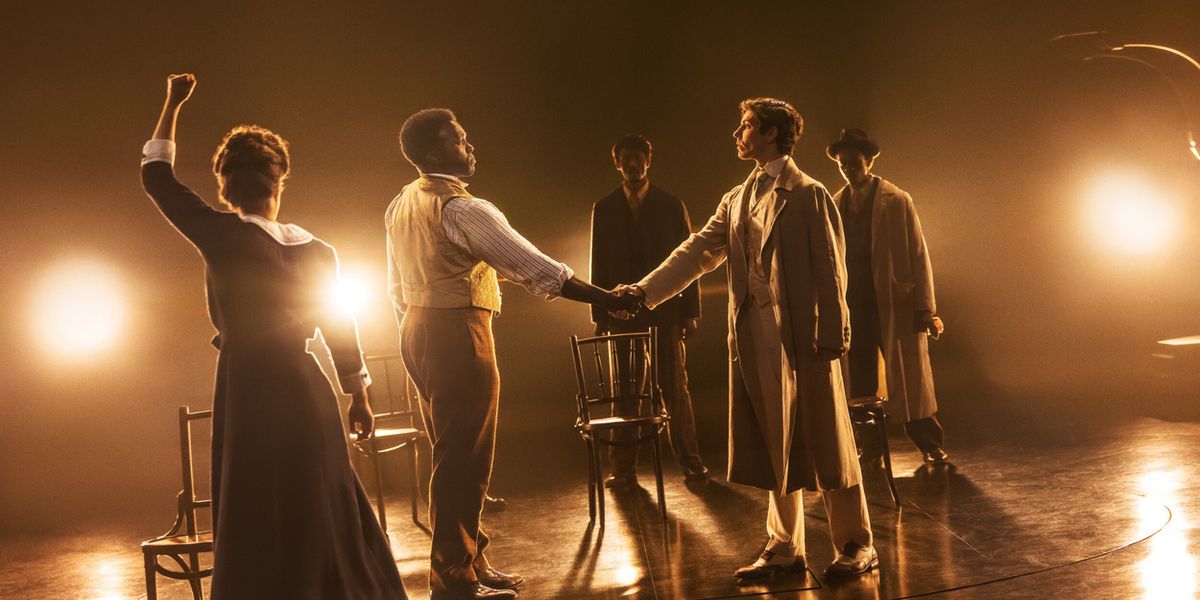
Ragtime’s final weeks of its run had an average ticket price of well over $200 a pop, while running at a theatre that “strive[s] to foster access to theatregoers and the community at large” according to its mission statement. It seems odd then, that they got to play by different rules for the first 16 weeks of their run by paying people less, and still get all of the benefits of being on Broadway, like Tony Award eligibility for its producers. Ragtime has not announced recoupment on Broadway, but undoubtedly will be overall commercially successful in the wake of its upcoming North American Tour. And Lincoln Center Theater probably benefited the most financially from its success after they became the landlord for the show for the past eight months.

Historically speaking, it’s during these more economically difficult times that the non-profit theatres get a chance to shine– think the 2008 Lincoln Center revival of South Pacific or the 2011 Roundabout revival of Anything Goes, full and lavish revivals that would have been unlikely to ever see the light of day in absentia of the non-profit model. And that’s a trend that seems poised to continue, with the success of Ragtime from this year, and with three non-profit musical revivals on the docket next season, including a rare Second Stage Theatre musical (first one in over a decade). These shows are likely to do some to bolster this struggling industry. That 20% reduction in actor (and stage manager) costs, in addition to reductions in other creative costs definitely helps make those possible. The question is, is that the responsible thing to do?
There’s always a balance to be struck by non-profits between making enough money to continue their mission and maintaining accessibility and fair wages. As our collective economy becomes more K-shaped, that’s also what the ticket pricing practices for non-profits look like as well, with exorbitantly high prices for some seats offsetting more heavily discounted ticketing programs. And that’s a model that has worked for the non-profits, and helped them get on firmer financial footing. It’s worth considering however, that in our current era, that pendulum might have swung a bit too far in favor of lining the coffers in some instances.
Sign up for all the news on the Fall season, discounts & more...
.jpg?format=auto&width=300)