


Interview: Robert Butts of The Baroque Orchestra of NJ and The Growing Stage
The Growing Stage and The Baroque Orchestra of NJ will present "Music in Bloom: A Spring Baroque Concert for the Whole Family" on Sunday, 4/26
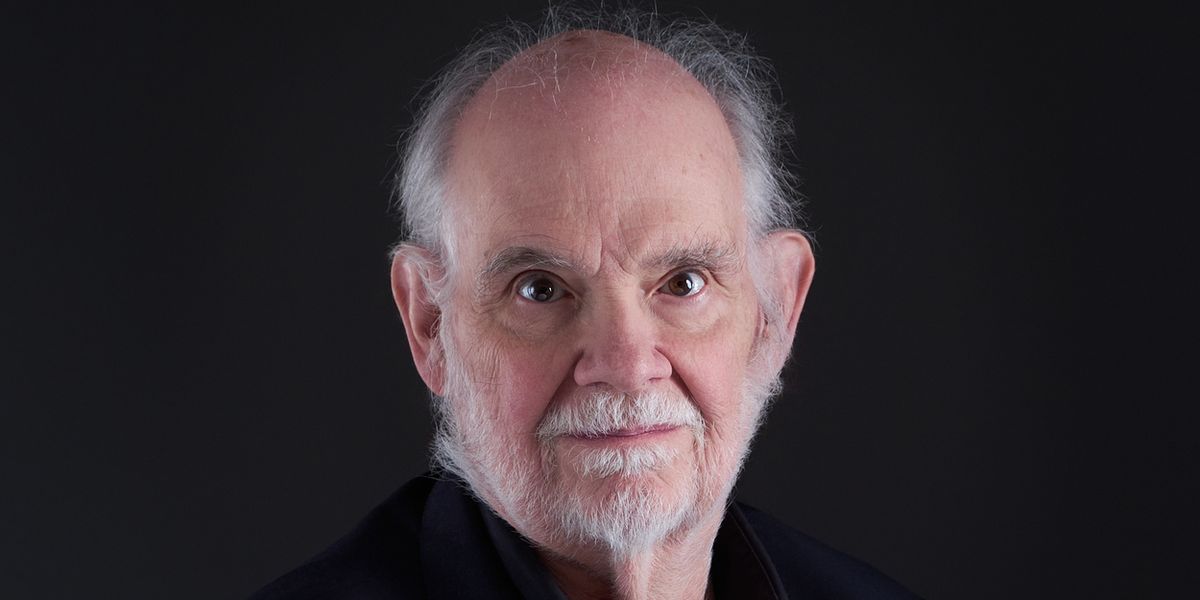
The Baroque Orchestra of New Jersey performs music of all periods and styles at affordable prices, while supporting young artists and audiences. The Orchestra performs in organized concert seasons and in special concerts in collaboration with artists and organizations throughout New Jersey.
Conductor and Music Director Robert W. Butts is the founder of The Baroque Orchestra of New Jersey. He has led the Orchestra’s development from a Baroque ensemble to an orchestra that plays a wide variety of the classical and operatic musical repertoire from all periods.
We had the opportunity to interview Robert about his career, The Baroque Orchestra of New Jersey and the upcoming performance at The Growing Stage.
Tell us a little about your musical training.
I have always been interested in performing both popular and classical music. I was primarily a guitarist and studied all kinds of music. I received a music education degree from Montclair State University (at the time College) and a masters in musicology from the University of Iowa. While in graduate school, I specialized in the study and performance of music of the 17th and 18th centuries, periods referred to as Baroque and Classical. I played lute, gamba, recorder, and other early instruments. I returned to New Jersey and played with various early music ensembles. In 1996, I decided I wanted to bring the orchestra music of the time to life so founded The Baroque Orchestra of New Jersey (at the time called Baroque Orchestra of Boonton) and played at the Darress Theatre in Boonton, NJ. In 1999 I received my DMA degree in conducting from The American Conservatory of Music in Chicago.
What inspired you to develop The Baroque Orchestra of New Jersey?
As mentioned above, in the early 90s, I was performing with various early music ensembles, playing music of the Medieval, Renaissance, and Baroque periods. I was also coaching ensembles in the music of the Baroque – composers such as Monteverdi, Bach, Purcell, Handel, and Vivaldi. I also started teaching at Sussex County Community College where I also conducted the chorus. I enjoyed the conducting and coaching and felt there was a need to bring the music to life as most orchestras focused on music of the 19th century. Working with Tom Timbrook who owned the Darress Theatre, I started the orchestra primarily to perform the music of the Baroque/Classical periods. Within the first 4-6 years, the orchestra grew to the point where we were collaborating with many organizations, including several opera companies. Within a few years, the orchestra was performing music from the 17th through the 21st centuries.
How many musicians are in the orchestra and how do they audition to participate?
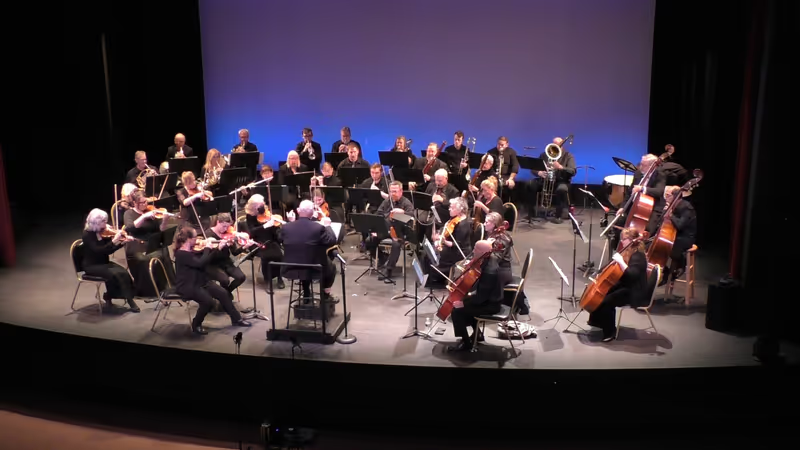
The number of musicians varies from concert to concert. Most of the concerts still focus on music of the 18th century with an ensemble of 18-25 musicians. For larger concerts – for example when we performed Gustav Mahler’s Symphony #1 – the orchestra expands to around 55 musicians. Several of the musicians have been with the orchestra since the very f irst concert and many others have been with the orchestra between 15-20 years. We don’t have formal auditions as such. When a musician is interested in joining, he/she is invited to join at a rehearsal. In that way, they and we can determine if they become part of the orchestra. For the most part, almost everybody who has come, has stayed.
We'd love to know a little about the music you will be performing at The Growing Stage for the "Music in Bloom" program.
Taking inspiration from the Leonard Bernstein “Young People’s Concerts,” the program will feature some discussion about the music and focus on what is meant by Baroque or Classical in terms of musical styles. The first half will include works by Georg Frideric Handel, Johann Sebastian Bach, Antonio Vivaldi, and others from the 1st half of the century while also including a couple of works by Franz Josef Haydn and Wolfgang Amadeus Mozart that will highlight the Classical style of the 1770s-80s. It will also connect to the second half of the concert following a short intermission which will focus on music that would have been familiar to musicians and listeners during the time of the American Revolution as we celebrate America 250. For this section, we will perform music by William Billings, America’s first composer, music by The Chevalier de Saint-Georges (the first orchestral composer of African descent), Yankee Doodle, and my own composition Lafayette Suite, commissioned by the American Friends of Lafayette to celebrate the 200th anniversary of Lafayette’s visit to New Jersey in 1825. The concert will conclude with a couple of surprise pieces that are fun.
This is an important collaboration with TGS to introduce youngsters and their families to classical music. How was this special performance conceived?
I have known Steve Fredericks for awhile through our participation in various county arts and cultural organizations. We had a meeting at the theater in Netcong and I fell in love with the theater. It is a real gem. The artwork and design and detail work is so beautiful and the acoustics are incredible. It is also an area that would be new for us and we would be new for their audience. When we met to discuss the possibilities, everybody felt that it was time for a “Young People’s” type concert and the Growing Stage would be a perfect place for it.
What else is The Baroque Orchestra of New Jersey planning in the near future?
The orchestra is participating with various America 250 organizations to present concerts of music related to the period of the American Revolution. We have performances at Jockey Hollow and Washington’s Headquarters in which we will play selections that we are performing for the America 250 segment of our April 26 concert as well as other selections of music of the period. While it is close to impossible to know exactly what music Benjamin Franklin or Thomas Jefferson or The Marquis de Lafayette listened to, we know that they did listen and were also active performers. Similarly, we know music was a big part of the soldiers’ lives whether as soldiers or at home. I am researching and arranging songs that were known to be popular at the time – like Yankee Doodle, The Liberty Song, and Lilliburlero. We are also doing a special America 250 concert at the Morris Museum in Morristown on July 9. At the moment, we are confirming dates and programs for our 2026 27 season, which will be our 31st. On the afternoons of November 14/15 we will be collaborating with the Morris Museum for the 3rd concert of what is called “The Music Box Series.” For these concerts, we select a theme that relates to music in the Guinness Collection of music boxes at the museum. In the past we focused on Verdi and Puccini. For 2026, we will focus on Johann Strauss.
Is there anything else you would like Broadwayworld NJ readers to know?
The Baroque Orchestra of New Jersey is excited to share the music with new audiences and to introduce orchestral music to families through our concert at The Growing Stage. The orchestra is New Jersey’s most collaborative ensemble. In addition to our regular four concert season, the orchestra collaborates on special events with leading cultural, social, artistic, and historical organizations throughout Morris and surrounding counties.
For more information about The Baroque Orchestra of New Jersey, please visit The Baroque Orchestra Of New Jersey.
The Growing Stage: The Children's Theatre of New Jersey is located at 7 Ledgewood Avenue, Netcong, NJ 07857. Tickets for all the upcoming productions are available by visiting HERE or call the Box Office at (973) 347-4946.
Photo Credits: Headshot by Matt Barry; Orchestra Photo by Brian Foran.
Sign up for all the news on the Fall season, discounts & more...
|
A Beat of Our Own McCarter Theatre Center (10/07-10/25) |
|
The Lost Virginity Tour Barn Theatre (9/18-10/04) |
|
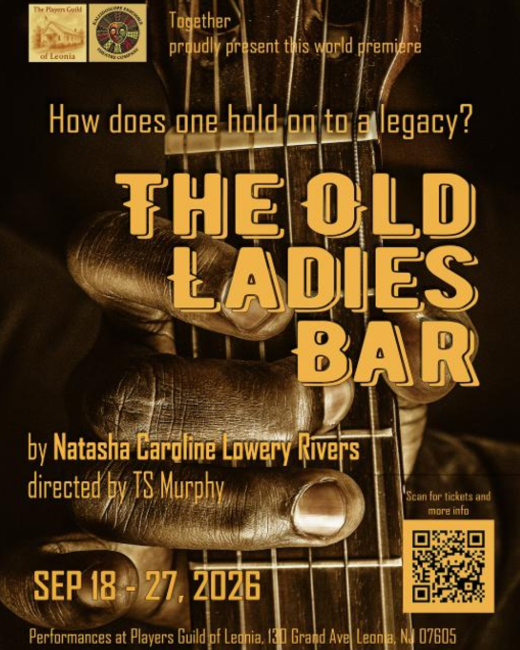
The Old Ladies Bar Players Guild of Leonia (9/18-9/27) |
|
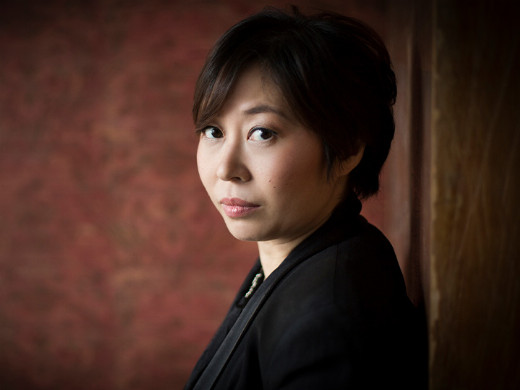
Xian Zhang Conducts Tchaikovsky State Theatre New Jersey (5/16-5/16) |
|
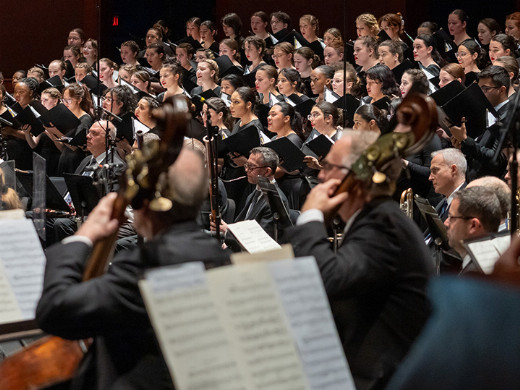
Neruda Songs and Poulenc's Gloria New Jersey Performing Arts Center (4/17-4/17) |
|
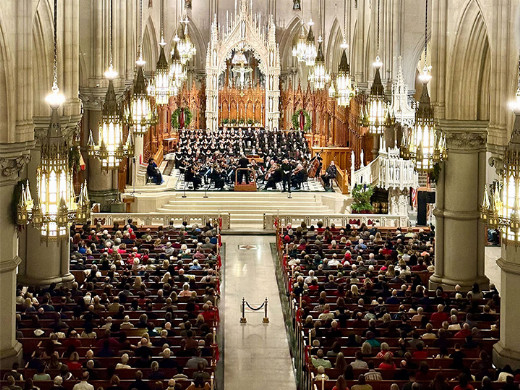
Handel's Messiah Richardson Auditorium (12/18-12/18) |
|
New Jersey Ballet: Ballet Insider - Discover the World of Ballet Morris Museum (10/04-10/04) |
|
auditions Steel Magnolias players guild of leonia (10/11-10/12) |
|
Golden Girls The Laughs Continue Mayo Performing Arts Center (10/10-10/10) VIDEOS |
|
An Evening with HUG (Devendra Banhart, Gyan Riley, and Noah Georgeson) ArtYard (10/10-10/10) |
