


Review: MUCH ADO ABOUT NOTHING at Alabama Shakespeare Festival
In this "merry war," the audience is the winner
BIRMINGHAM, ALABAMA — The Alabama Shakespeare Festival's latest version of Much Ado About Nothing is a production that showcases Shakespeare's brilliance. If William Shakespeare traveled through time and watched this production of Much Ado About Nothing, he would be proud of what these artists have done to his play.
In Much Ado About Nothing, the local soldiers return from victory in war, but on the homefront, they find that winning the battle of the sexes is much more difficult. In particular, Beatrice and Benedick cannot stop verbal sparring, and each unleashes a volley of insults upon the other whenever possible. However, their friends sense that beneath the hostility is a real romantic spark between the two. Meanwhile, young Claudio pursues the maiden Hero, but their young love is disrupted by the machinations of the scheming Don John, whose henchmen deceive Claudio into thinking that Hero has been unfaithful.
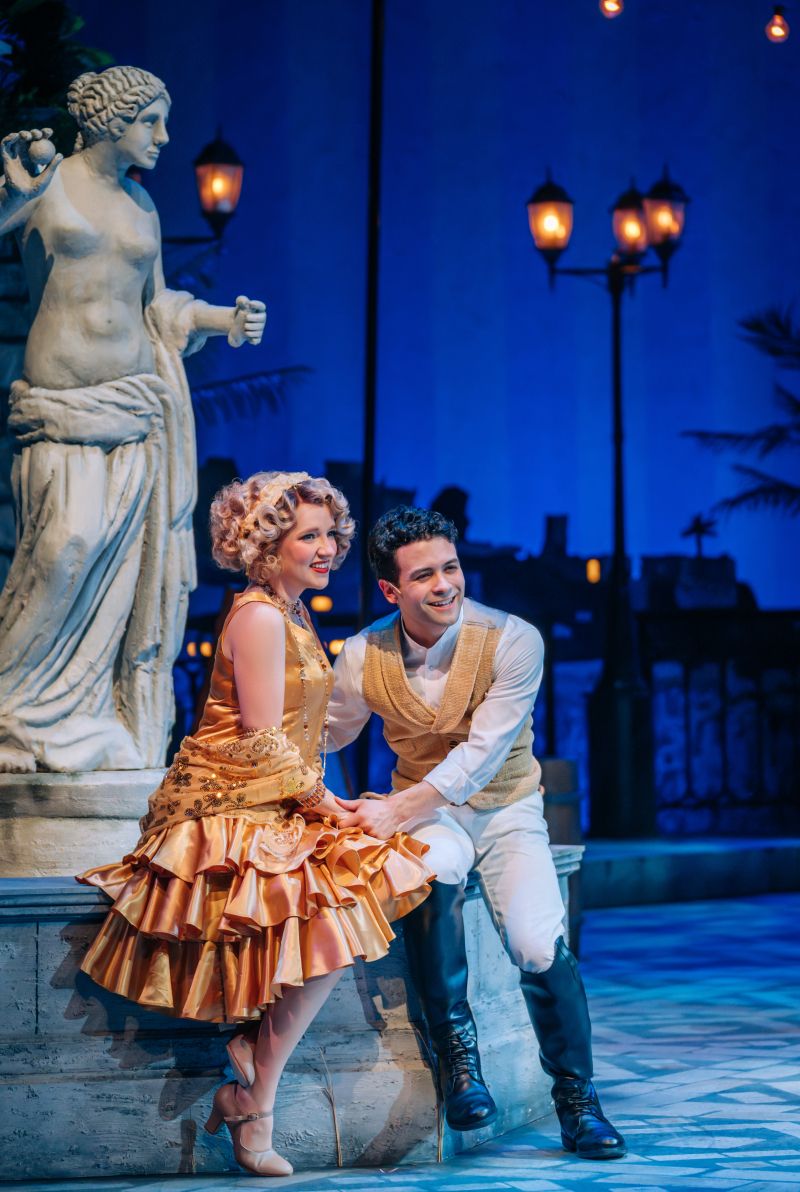
Director Bruce Longworth is an archeologist who carefully removes the centuries of baggage to reveal Much Ado's humor and heart. Longworth trusts that Shakespeare knows how to entertain the audience and focuses on revealing the situational and verbal comedy of the script. Even when Longworth is creating new physical humor, it grows naturally out of the script and does not feel forced. The result is a production that feels timeless—but not old—and classic—but not musty.
Longworth's directing cleverly gives emotional contrasts to many scenes. This is most apparent when Hero's funeral snaps from a solemn affair to a clever trick in an instant, or when Benedick grapples with his emotions in a soliloquy after a hilariously staged eavesdropping scene. Shakespeare loved mixing opposites, and Longworth's direction allows the pleasure of comedy to mix with the characters' serious problems and emotional conflicts in true Shakespearean fashion.
Tarah Flanagan stars as a Beatrice who is wise and strong-willed. At the beginning of the play, Flanagan's Beatrice is a woman who has seen marriage and made the logical decision that it is not for her. Watching that decision get undermined until she makes a full reversal is a joy because of the subtlety of Flanagan's performance. Flanagan never disappoints in her delivery of the script's verbal insults toward Benedick, and yet Flanagan never sacrifices emotional complexity for an easy laugh. Like Bendick, "If I do not love her, I am a fool."
Christopher Gerson's Benedick is a worthy rival in love for Flanagan's Beatrice. What I enjoyed most, though, was the sincerity of Gerson's performance. Even if they have never seen Much Ado before, the audience knows that Benedick and Beatrice will fall in love by the end of the play. This is a romantic comedy, after all. But Gerson still creates a performance that makes this inevitability a surprise to Benedick. The character really believes that he will die a bachelor, and the twists and turns that lead Benedick to marriage are a gratifying journey of self-discovery. When that culminates in the two lead characters dancing together, the moment is extraordinarily rewarding.
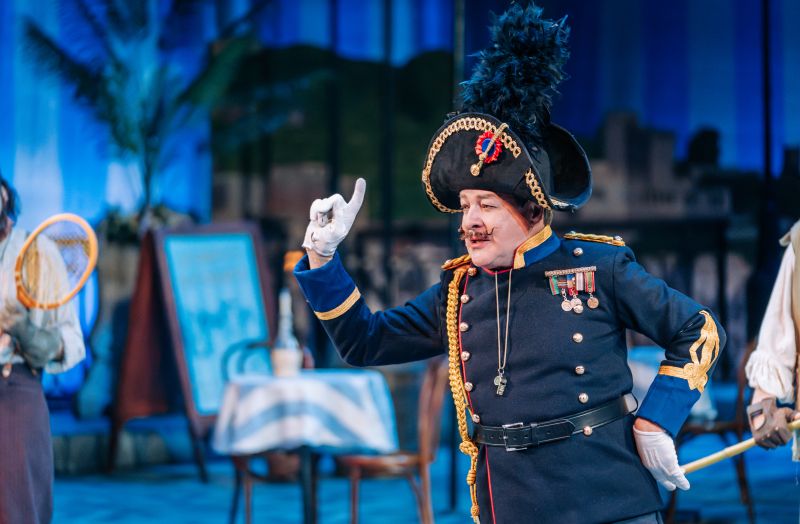
But Beatrice and Bendick are just the warm-up act for Dogberry, played by French Stewart in an uproarious performance. Dogberry makes his first appearance well into Act III of the play, and Stewart makes it worth the wait. The role lampoons local constables of Shakespeare's day, and Stewart takes every opportunity to make this authority figure look ridiculous. Dogberry's obsession with his whistle and his preening in his uniform were a riot, and I looked forward to each new scene that Stewart appeared in. I normally tire of Dogberry because so many actors ham up the role and burden it with tedious ad libs. But Stewart is a comedic genius who knows when enough is enough. Also, the fake mustache and physical distance from the audience had the effect of making the famous actor more anonymous; Stewart subsumes himself in the role and gives Dogberry his own life. When he was on stage, I never thought, "Oh, my gosh! That's French Stewart! I've seen him on TV." Instead, I was watching the definitive Dogberry.
Another standout was Claudio, played by the dashing Felix Torrez-Ponce in a flawless performance. Torrez-Ponce's early scenes are endearing as Claudio falls in love with Hero and extols her qualities. But Torrez-Ponce is not just a generic romantic lead: his Claudio can turn cruel when insulting Hero's virtue at their wedding and then tortured when he realizes how horribly he has wronged her. It is a rich, three-dimensional performance that shows the highest highs and the lowest lows of human emotion. Every Shakespearean director in the country should consider Torrez-Ponce when casting their productions because he could handle any role in the Bard's canon.
I could similarly rave about the rest of the cast, but the English language only has so many words of praise. Sigrid Wise's Hero is a joy who brings the most femininity to the play. As Don John, Patrick Halley skillfully fleshes out one of Shakespeare's least complex villains. In the role of Leanto, J. D. Webster's creates a level-headed character who is a kind father figure and also a decisive community leader. As a whole, the cast is a dream come true for Shakespeare aficionados.
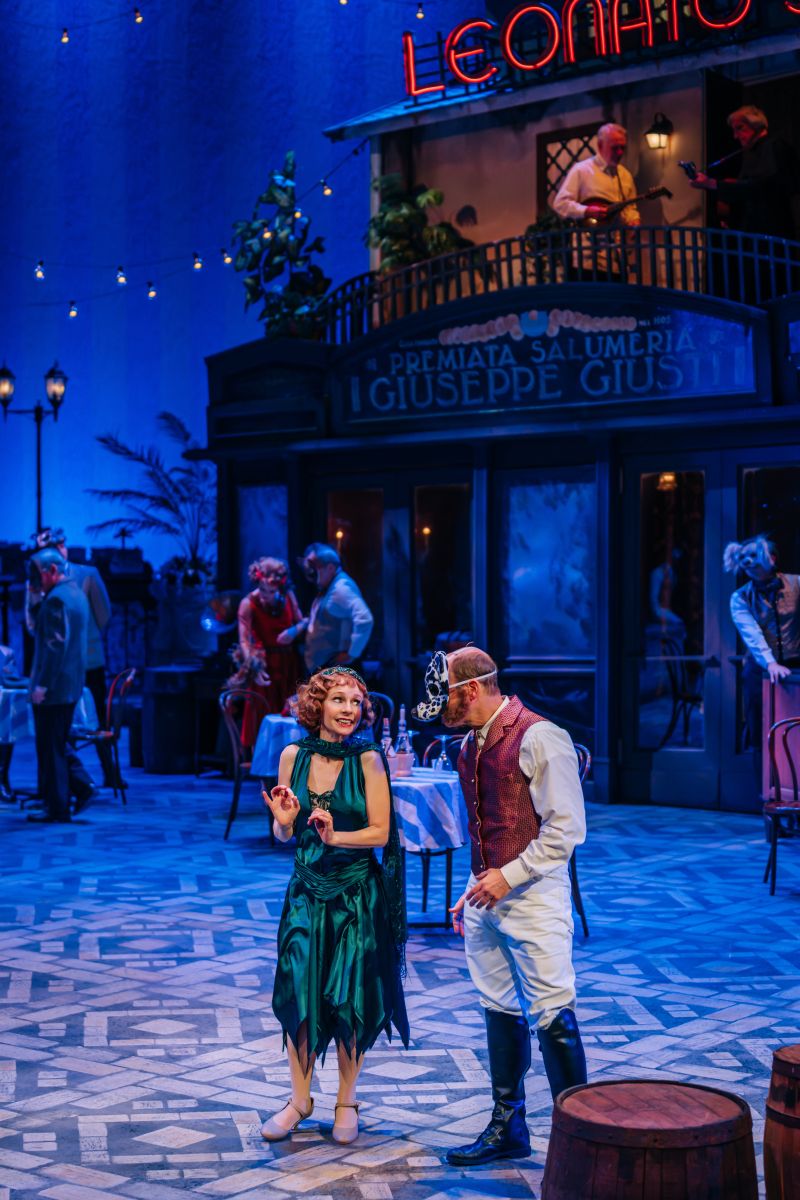
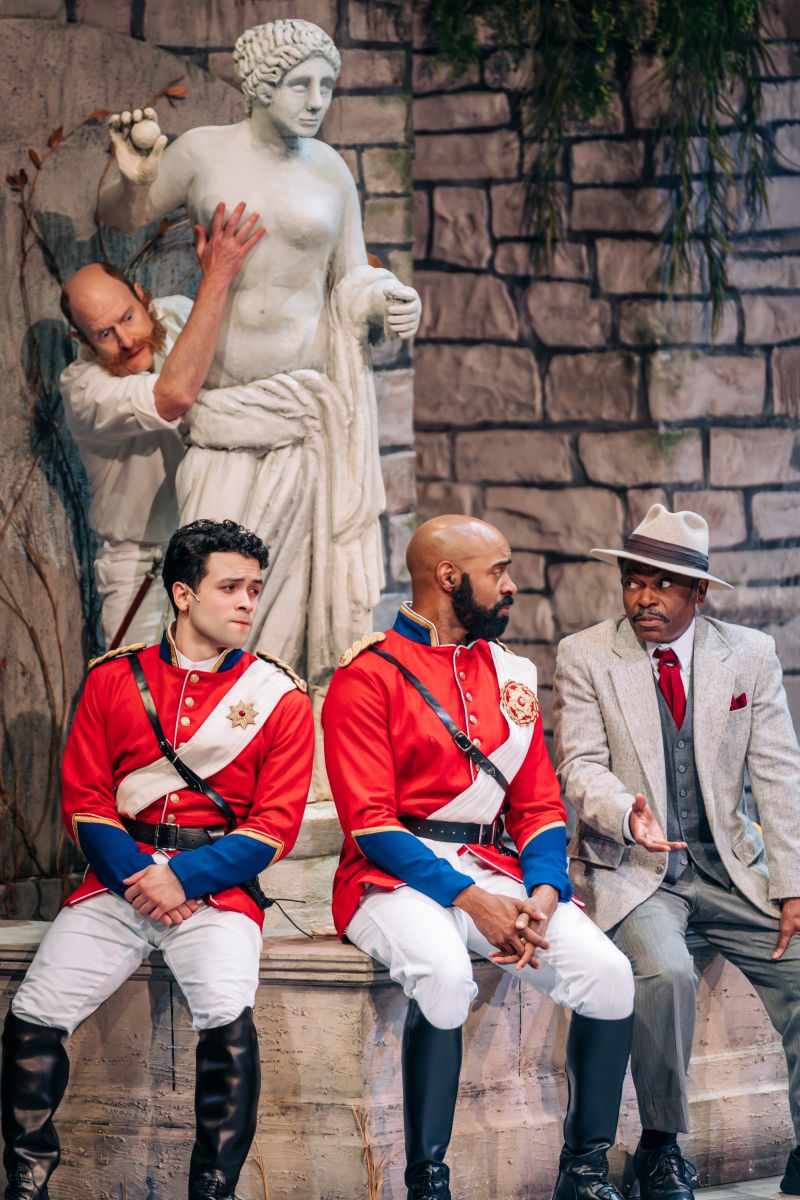
In Shakespeare productions, modern technical choices can sometimes be distractions that undercut the play. The technical artists avoided this trap in Much Ado. Josh Smith's scenic design sets the action in an Italian piazza with a two-story restaurant at upstage center. It is a beautiful set, and the restaurant balcony and location are reminiscent of the layout of the stage at Shakespeare's original Globe theater. The costumes from Dottie Marshall Englis conveyed the post-World War I setting of the production and added visual appeal. Most importantly, her decision to dress the women in flapper dresses and other period costumes kept the production from resembling the 1993 film adaptation too closely.
The Alabama Shakespeare Festival's Much Ado About Nothing is alive with wit and charm. Shakespeare's fans will enjoy revisiting the play's beloved characters, while newcomers will appreciate the production's accessibility and humor. Much Ado is a perfect production that makes an old play feel new.
.
Sign up for all the news on the Summer season, discounts & more...
|
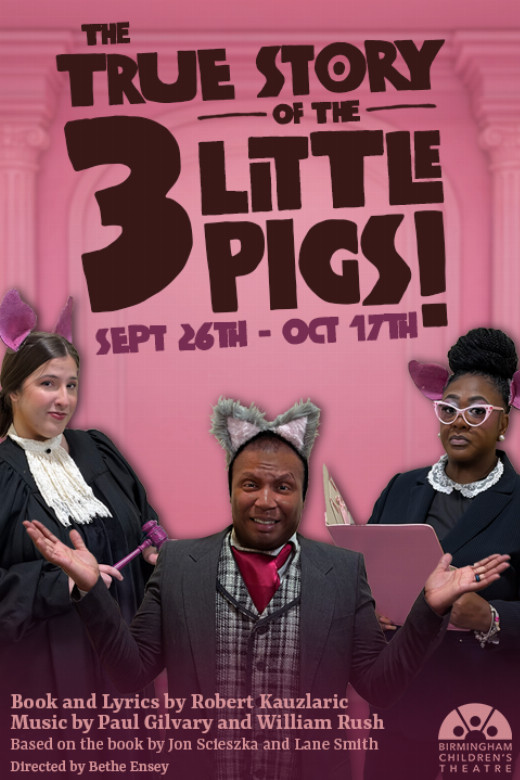
The True Story of the 3 Little Pigs! Birmingham Children's Theatre (9/26-10/15) |
|
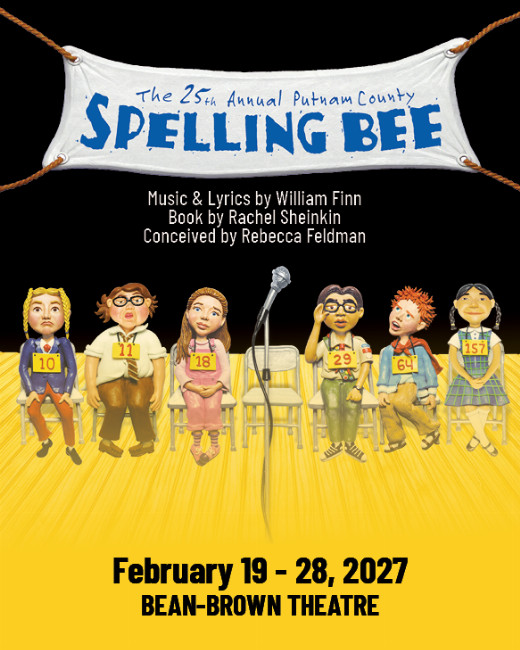
The 25th Annual Putnam County Spelling Bee Theatre Tuscaloosa (2/19-2/28) |
|
Nutcracker Ballet South Jackson Performing Arts Center (12/11-12/13) |
|
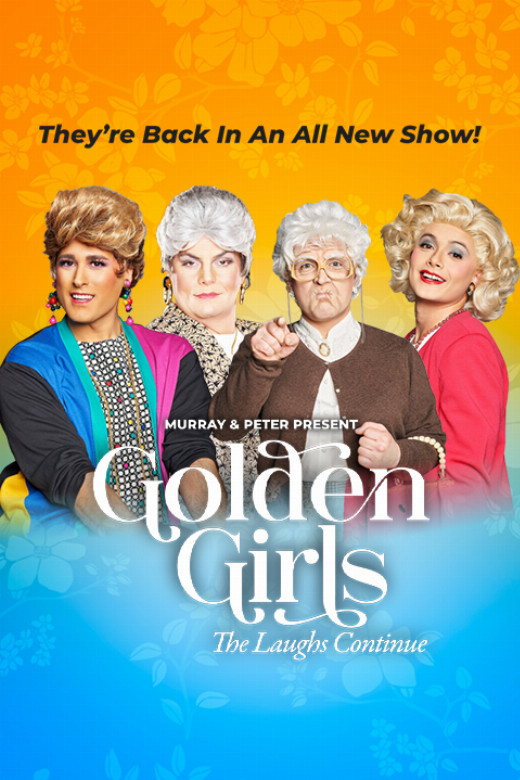
Golden Girls The Laughs Continue Dothan Opera House (11/02-11/02) VIDEOS |
|
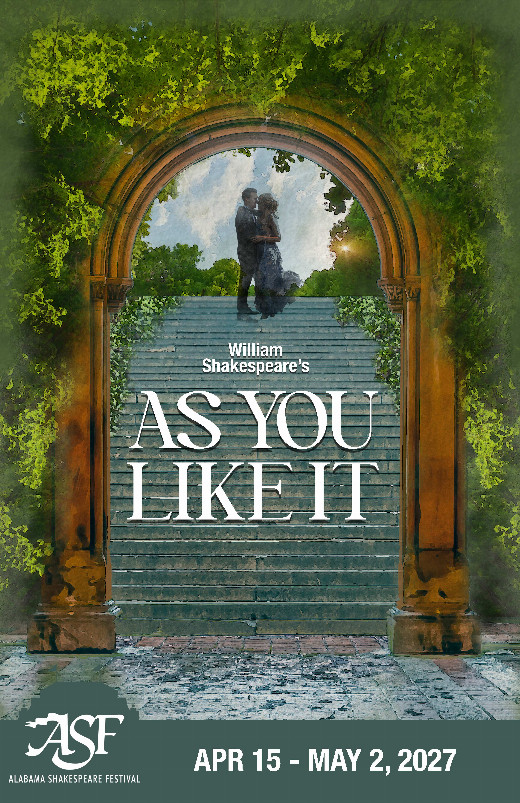
William Shakespeare's As You Like It Alabama Shakespeare Festival (4/15-5/02) |

|
GraemeSmith pinterest video downloader (9/01-1/01) |
|
Arsenic and Old Lace South Jackson Performing Arts Center (10/01-10/04) |

|
Weird Al Yankovic at Wharf Amphitheater Wharf Amphitheater (10/03-10/03) |
|
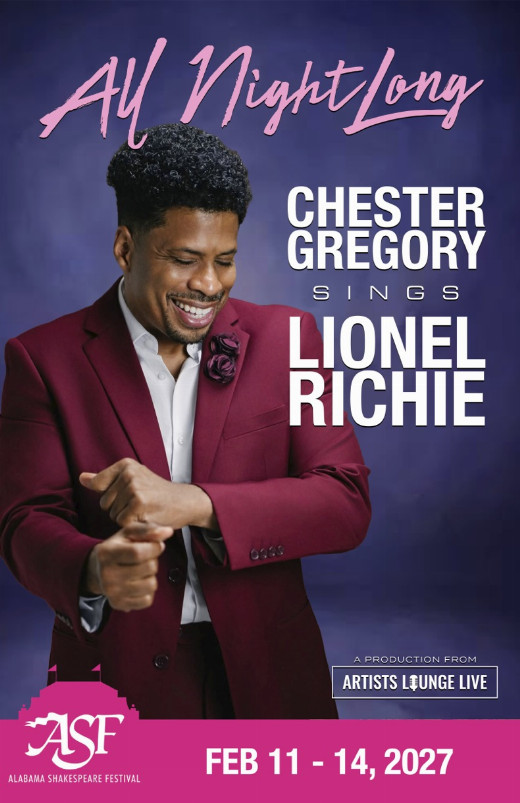
All Night Long: Chester Gregory Sings Lionel Richie Alabama Shakespeare Festival (2/11-2/14) |

|
Dr Anushika ## Love Spells By Healer Dr +27685771974 (8/22-11/22) |

Reader Reviews
To post a comment, you must register and login.