


The Architecture of Intimacy: How Youchen Zhang Built an Award-Winning World of Closeness and Isolation
Youchen Zhang transformed a Hollywood stage into a study of emotional isolation and captured top honors at the 2025 BroadwayWorld Los Angeles Award.
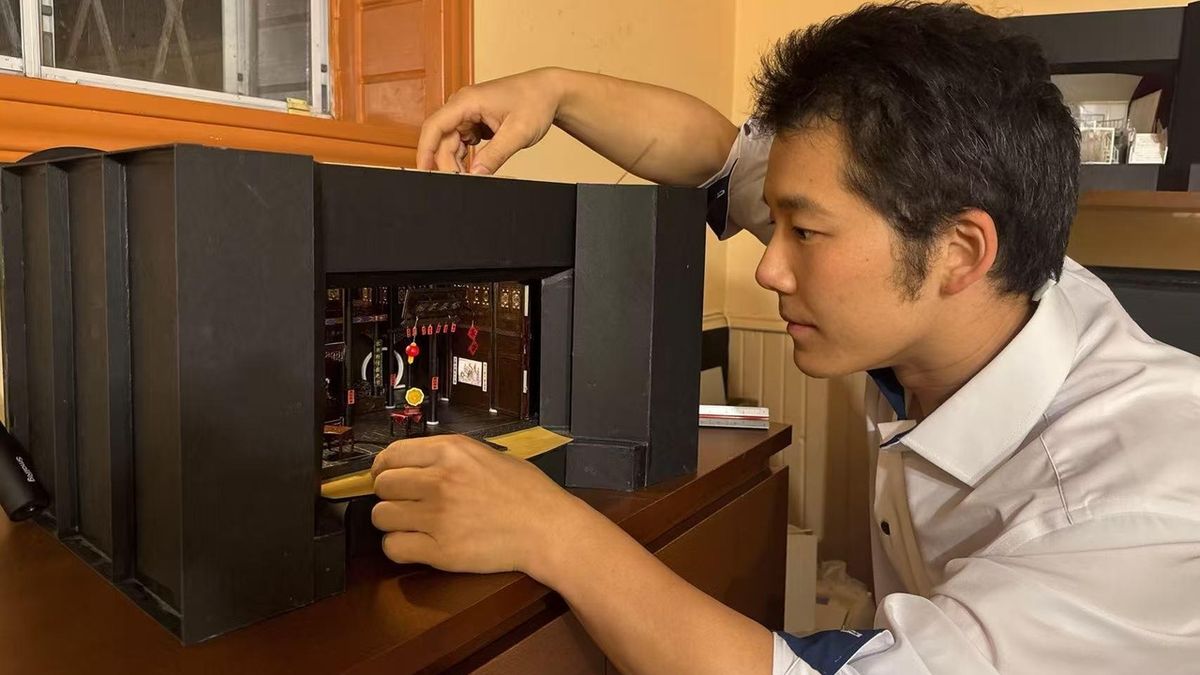
Written by: Matthew Kayser
In modern psychological drama, space is never neutral. It listens, constricts, and occasionally betrays the people who inhabit it. When audiences stepped into Hollywood’s Hudson Theatres for the acclaimed run of The Opposite of Love, they did not encounter the ornate trappings of conventional theatrical grandeur. Instead, they were welcomed into an environment of delicate, arresting restraint: an airy, translucent sanctuary where emotional isolation felt as tangible as the floorboards beneath the actors’ feet.
That visceral visual world was conceived by scenic designer Youchen Zhang, whose work on production recently earned the prestigious Best Scenic Design honor at the 2025 BroadwayWorld Los Angeles Awards. Arriving alongside his graduation from the prestigious Master of Fine Arts program at UCLA’s School of Theater, Film and Television, the recognition marked a defining milestone in Zhang’s transition from graduate study into the upper echelons of professional theatrical design in Southern California. The award not only celebrated a single triumphant staging but signaled the arrival of a distinctive spatial storyteller whose command of texture, light, and architectural economy speaks directly to contemporary theatergoers.
.jpg?format=auto&width=800)
At its core, The Opposite of Love examines the brittle mechanics of human closeness, charting the turbulent relationship between Eloise and her counterpart, portrayed with searing vulnerability by Ashley Griffin and Evan Strand. For Zhang, the primary challenge was translating abstract psychological barricades into a credible physical realm. The setting was the apartment of an affluent graduate student, yet Zhang deliberately avoided heavy, literal demonstrations of wealth. Rather than erecting rigid walls to signify emotional barricades, he envisioned a home that felt comfortable and inviting on the surface, while subtly magnifying the profound emptiness at its center.
To achieve this nuanced balance, Zhang turned to an evocative material choice: walls constructed of white, translucent rice paper. Replacing the theater’s native black-box perimeter, the rice paper created a luminous, tactile envelope that softened the stage without the harsh, sterile glare of painted drywall. More than a stylistic flourish, the material acted as a dynamic canvas for the entire creative team. The translucent planes invited backlighting that could dissolve or redefine perceived boundaries at will, shifting the apartment’s atmospheric weight from sunlit domestic calm to shadowy, suffocating introspection. Concurrently, the subdued, neutral background provided an ideal frame for Sage Barrie’s costume design, ensuring the characters’ personal colors remained vibrant focal points within the room.
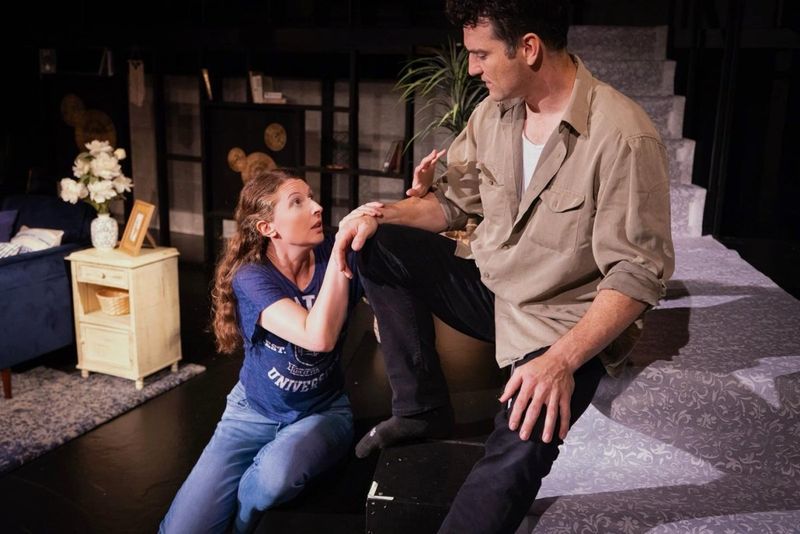
.jpg?format=auto&width=800) The spatial psychology of the Hudson Theatres played an equally vital role in shaping Zhang’s vision. Known throughout the Southern California theater circuit as an incubator for high-caliber intimate drama, the Hudson features a two-level architecture where the stage floor meets audience seating at nearly eye level. Having trained extensively in large-scale proscenium houses, Zhang embraced The Hudson’s proximity as an artistic catalyst rather than a spatial constraint. By preserving expansive swathes of open floors and integrating the venue’s existing flanking staircases, he provided the director with vertical and lateral dimensions to chart the emotional distance between characters. Every shift across the room, every hesitant step toward or away from an embrace, registered with immediate physical impact.
The spatial psychology of the Hudson Theatres played an equally vital role in shaping Zhang’s vision. Known throughout the Southern California theater circuit as an incubator for high-caliber intimate drama, the Hudson features a two-level architecture where the stage floor meets audience seating at nearly eye level. Having trained extensively in large-scale proscenium houses, Zhang embraced The Hudson’s proximity as an artistic catalyst rather than a spatial constraint. By preserving expansive swathes of open floors and integrating the venue’s existing flanking staircases, he provided the director with vertical and lateral dimensions to chart the emotional distance between characters. Every shift across the room, every hesitant step toward or away from an embrace, registered with immediate physical impact.
Inside this expansive frame, Zhang curated a lived-in warmth through thoughtful furniture choices informed by a shabby-chic aesthetic. Deeper, richer tones anchored the furniture against the cool backdrop, while intentional asymmetry, individual, curated pieces rather than matching suites—hinted at a life cultivated with care yet marooned in solitude. To anchor the actors within their environment, the set was populated with more than twenty pillows, stacks of books, living plants, and soft throws. These tactile touchstones allowed Griffin and Strand to interact naturally with their surroundings, ensuring that the apartment felt less like a stage set and more like a private residence inhabited by genuine memories and mounting tension.
Behind the effortless lyricism of the final stage picture lay a rigorous, digitally driven workflow. Zhang constructed a fully measured 3D model of the Hudson within Vectorworks, placing every scenic piece to exact scale before a single frame was built. This digital precision allowed the director, playwright, and production departments to evaluate Sightlines, blocking avenues, and material costs with surgical clarity. Moreover, it proved indispensable when Zhang’s schedule required him to transition to Montreal during technical rehearsals.
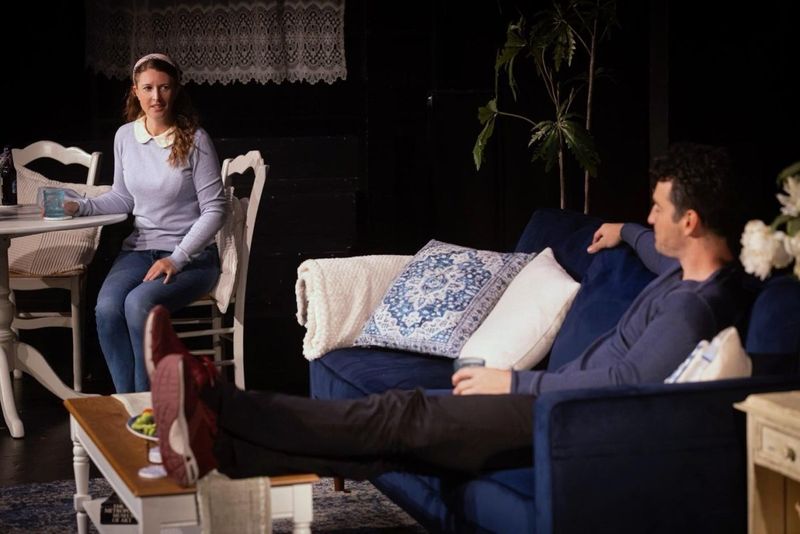
Navigating remote leadership during the crucial final phases of production demands an exceptional standard of technical communication and mutual artistic trust. Collaborating closely with co-designer Joyce Hong, Zhang ensured the conceptual framework was thoroughly established prior to load-in. Armed with Zhang’s detailed Vectorworks schematics and precise budget modeling, Hong took the helm on site, overseeing load-in and executing the fine dressing of the set. Through continuous daily communication via Zoom and FaceTime, the two designers operated in total creative unison, troubleshooting practical challenges and adapting nuances on the ground without ever diluting the production’s singular aesthetic clarity.
Zhang’s instinctive grasp of scenic storytelling is grounded in a rich academic and international pedigree. Beginning his formal training in theater design at Concordia University in Montreal before completing his MFA at UCLA, Zhang developed a versatile creative grammar adaptable to any scale. His earlier production of Carrie: The Musical in Montreal garnered a BroadwayWorld Montreal nomination for Best Musical, an early testament to his ability to draw monumental emotion out of constrained budgets and modest black-box spaces.
.jpg?format=auto&width=800)
Rather than adhering to a predictable aesthetic signature, Zhang approaches each production as a unique dialogue between text, architecture, and ensemble. Whether conceiving grand-scale performance environments or distilling private heartbreaks onto an intimate Hollywood stage, his focus remains steadfastly human: listening closely to the space at hand, supporting his collaborative partners, and stripping away excess until only the emotional truth remains. With the BroadwayWorld Los Angeles Award cementing his place among the region’s most compelling new designers, Youchen Zhang continues to prove that in the theater, the most powerful worlds are built not from sheer volume, but from the quiet, luminous spaces in between.
See more BroadwayWorld in Google
Our stories show up more often in Top Stories and Google’s AI answers.
Breaking Broadway alerts by text
Get the biggest stories sent straight to your phone.
Sign up for all the news on the Fall season, discounts & more...

|
CLUB27 Jaxx Theatre (10/01-10/30) |

|
Crone Creed El Portal Theatre (9/30-10/17) |

|
The Cottage North Coast Repertory (10/28-11/22) |

|
Woof Odyssey Theatre (10/03-11/08) |
|
A Killer Night in Studio City Vitello's (9/06-10/31) |
|
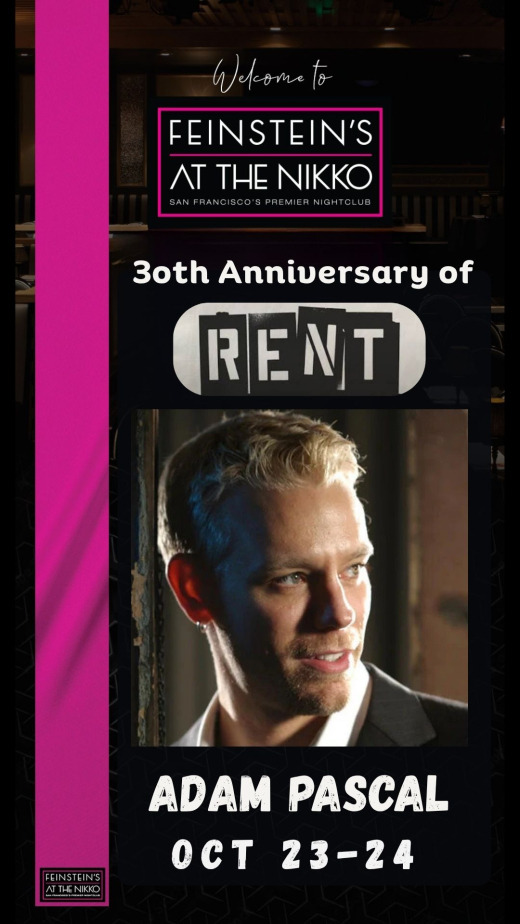
Adam Pascal Feinstein's at the Nikko (10/23-10/24) |
|
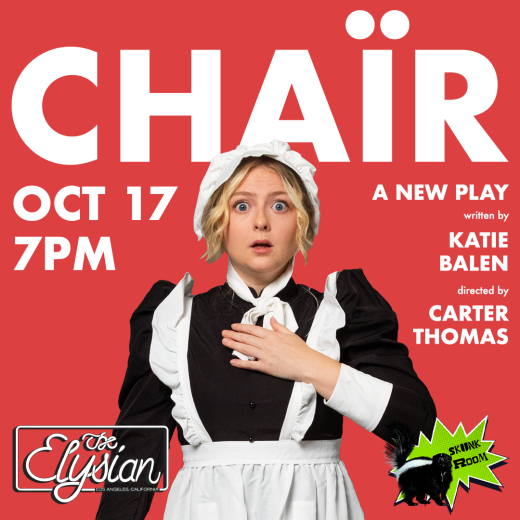
CHAÏR The Elysian Theater (10/17-10/17) |
|
Catch Me If You Can Colony Theatre (9/17-10/18) |

|
EVITA Valverde Annex (10/17-10/25) |
|
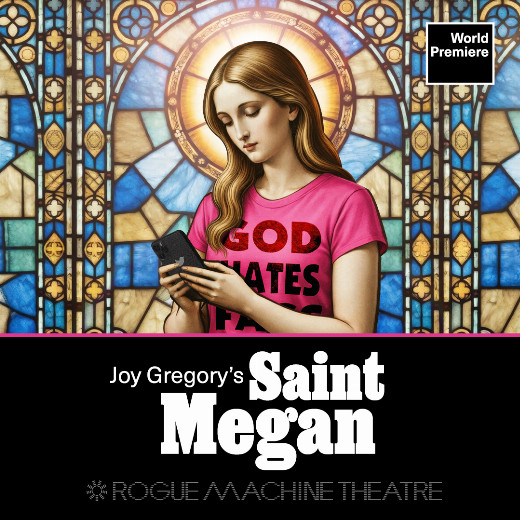
Saint Megan Matrix Theatre (10/04-11/22) |
