How to Stage Door on Broadway: Everything You Need to Know
From autographs to selfies, here's how to make the most of your Broadway stage door experience.
Are you a Broadway super-fan? Do you dream of locking eyes with your favorite Broadway beltress? Hoping to snag an autograph from a Tony winner or snap a selfie with your favorite Broadway star? You just might get the chance after the show—all you need to know is where to look: the stage door!
Stage dooring has long been a beloved Broadway tradition, giving theatregoers a chance to meet performers after a show. But if you've never done it before, you might have questions. Where is the Broadway stage door? How long do you have to wait? Will every actor come out? And what exactly is proper stage door etiquette?
Below, we're breaking down everything you need to know about stage dooring on Broadway.
What Is a Broadway Stage Door?
A stage door is the entrance that actors, musicians, crew members and other theatre employees typically use to enter and exit the backstage areas of a Broadway theatre. It is separate from the entrances used by audience members and is generally located on the side or rear of the theatre.
Most Broadway theatres have a designated stage door, and audience members are not permitted to enter the theatre through it.
Following a performance, however, the sidewalk outside the stage door can become a gathering place for fans hoping to meet members of the cast.
What Is Stage Dooring?
"Stage dooring" is the common term for waiting outside a theatre's stage door after a performance in hopes of seeing or meeting members of the cast.
Depending on the production and theatre, barricades may be set up outside the stage door to create a designated area for fans. Performers who choose to greet the crowd might sign Playbills, pose for photos or simply say hello before heading home.
Stage dooring can be a fun bonus after a Broadway show, but remember that it is just that—a bonus. A stage door encounter is never guaranteed and is not included with the purchase of your Broadway ticket.
Looking for specifics on how some Broadway casts have handled stage dooring? Read our report.
How Do You Find a Broadway Stage Door?
If you plan to stage door after a Broadway show, try to locate the theatre's stage door before the performance begins. Broadway theatres are often surrounded by busy sidewalks, restaurants, hotels and other theatres, and the stage door isn't always immediately obvious.
Look for a door labeled "Stage Door," usually located along the side or rear of the theatre. If you can't find it, ask an usher or another theatre employee before the show.
Once the performance ends, head toward the stage door after the curtain call. Don't run or push through the audience to get there. If barricades have been set up, always remain behind them and follow any instructions given by theatre staff or security.
What Should You Bring to the Broadway Stage Door?
If you're hoping for an autograph, bring your Playbill or another appropriate piece of show memorabilia. It's also a good idea to have a permanent marker or felt-tip pen ready so a performer doesn't have to provide one.
If you're hoping for a photo, have your phone ready before the actor reaches you. Make sure your camera is open, your phone has enough battery and storage space, and you know how you want to take the picture. Being prepared keeps the interaction moving and makes the experience easier for everyone waiting around you.
How Long Do You Have to Wait at the Stage Door?
There is no set amount of time that it takes Broadway actors to leave the theatre after a performance.
Some performers might emerge shortly after the curtain comes down, while others can take considerably longer. Remember that actors have just finished performing a full Broadway show. They may need to change costumes, remove makeup, shower, speak with members of the creative team or visit with personal guests backstage.
If you choose to stage door, be prepared to wait—and remember that waiting longer does not guarantee that a particular performer will eventually appear.
Will Every Broadway Actor Come to the Stage Door?
No. Not every performer will greet fans after every performance, and some actors don't stage door at all.
Even performers who regularly sign autographs may skip the stage door on certain days. They may be tired, sick, have guests waiting, need to get home, have another commitment or simply not feel up to meeting a crowd.
Actors are under no obligation to stop, sign autographs, pose for photographs or otherwise interact with fans when they leave the theatre.
Should You Ask for an Autograph or a Photo?
If the stage door is particularly crowded, it can be helpful to decide what matters most to you before a performer reaches your spot. Would you rather have your Playbill signed or get a photo?
Some actors will happily do both, while others may only sign or only pose for photos. Follow their lead and any instructions from theatre staff.
If you're asking for an autograph, stick to one or two relevant items. The Broadway stage door isn't the place to arrive with a stack of memorabilia from an actor's entire career. Asking someone to sign numerous items can slow down the line and take time away from the other fans who are waiting.
What Is Proper Broadway Stage Door Etiquette?
The most important rule of stage dooring is simple: be respectful—of the performers, theatre employees and your fellow fans.
Don't push through the crowd, block the stage door, cross barricades or scream an actor's name to get their attention. Don't touch or grab a performer without permission, and never follow an actor down the street if they choose not to stop.
When you do get the chance to meet someone, keep your interaction brief. Tell them you enjoyed the performance, politely ask for an autograph or photo, and remember to say thank you.
Also keep in mind that other people are waiting for their turn. A great stage door experience doesn't need to be a long one!
Can You Stage Door After a Broadway Matinee?
Sometimes—but matinee stage dooring can be less predictable.
On days when a Broadway production has both a matinee and an evening performance, some actors may remain at or near the theatre between shows rather than leaving through the stage door. Others may come outside but choose not to stop so they have enough time to eat, rest and prepare for the evening performance.
If meeting the cast is an important part of your plans, an evening performance may give you a better chance, but there are never guarantees.
Can You Stage Door If You Didn't See the Show?
While the sidewalk outside a Broadway theatre is a public space, stage dooring is traditionally an extension of the theatregoing experience. If you're hoping to meet the cast, seeing the performance first is the best way to participate in the tradition—and gives you something meaningful to say to the performers when you meet them.
Don't Hold a Grudge If an Actor Doesn't Stop
This might be the most important stage door rule of all: no performer owes you a stage door experience.
Meeting an actor after a Broadway show is not included in the price of your ticket, nor is greeting fans part of an actor's contractual responsibility.
Broadway performers are people with lives outside the theatre. They might not be feeling well. They might have family or friends visiting. They may need to get home to their children. They may be rushing to another commitment. Or, after performing an eight-show week, they might simply need a break.
If someone waves and keeps walking—or leaves the theatre without appearing at the stage door at all—don't take it personally. Enjoy the performance you came to see and consider any stage door interaction an extra-special bonus.
Broadway Stage Door Tips to Remember
For the best possible Broadway stage door experience, plan ahead, be patient and take your cues from theatre staff and performers. Find the stage door before the show, have your Playbill and camera ready, stay behind any barricades, keep your interaction brief and courteous, and understand that meeting any particular cast member is never guaranteed.
Most importantly, remember why you're there in the first place: to celebrate the performers and the Broadway show you just enjoyed.
Where Are the Broadway Stage Doors?
Not sure what a Broadway stage door looks like—or where to find the stage door at the theatre you're visiting? Check out our photos of Broadway's 41 stage doors (captured by Sam Chuck) so you'll know exactly what to look for on your next trip to the theatre!
Al Hirschfeld Theatre:
.png?format=auto&width=800)
Ambassador Theatre:
.png?format=auto&width=800)
August Wilson Theatre:
.png?format=auto&width=800)
Photo Credit: Sam Chuck
Belasco Theatre:
.png?format=auto&width=800)
Bernard B. Jacobs Theatre:
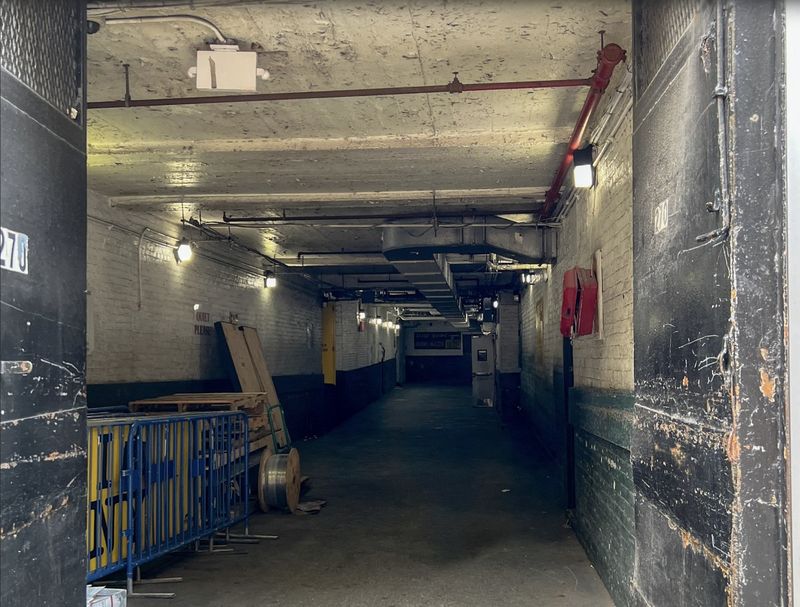
Booth Theatre:
.png?format=auto&width=800)
Broadhurst Theatre:
.png?format=auto&width=800)
Broadway Theatre:
.png?format=auto&width=800)
Circle in the Square Theatre:
.png?format=auto&width=800)
James Earl Jones Theatre:
.png?format=auto&width=800)
Ethel Barrymore Theatre:
.png?format=auto&width=800)
Eugene O'Neill Theatre:
.png?format=auto&width=800)
Gershwin Theatre:
.png?format=auto&width=800)
Gerald Schoenfeld Theatre:
.png?format=auto&width=800)
Hayes Theatre:
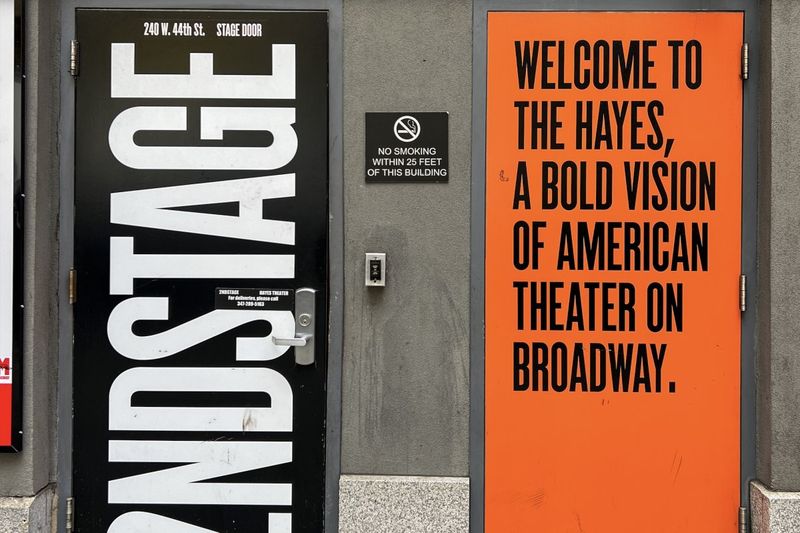
Hudson Theatre:
.png?format=auto&width=800)
Imperial Theatre:
.png?format=auto&width=800)
John Golden Theatre:
.jpg?format=auto&width=800)
Lena Horne Theatre:
.png?format=auto&width=800)
Longacre Theatre:
.png?format=auto&width=800)
Lunt-Fontanne Theatre:
.png?format=auto&width=800)
Lyceum Theatre:
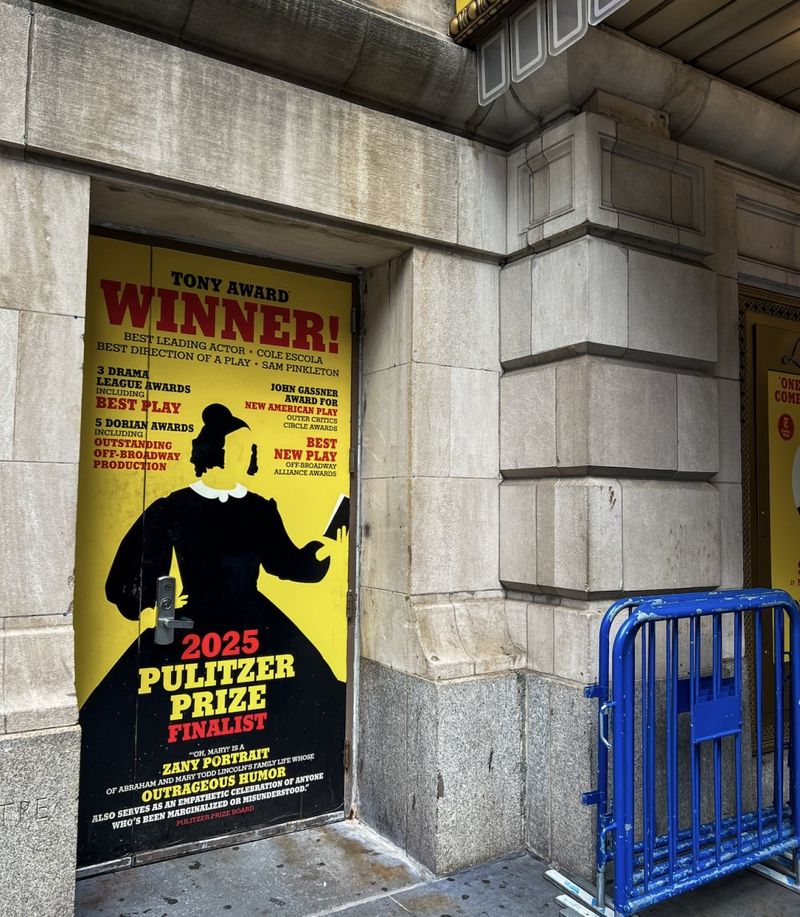
Lyric Theatre:
.png?format=auto&width=800)
Majestic Theatre:
Marquis Theatre:
.png?format=auto&width=800)
Minskoff Theatre:
.png?format=auto&width=800)
Music Box Theatre:
.png?format=auto&width=800)
Nederlander Theatre:
.png?format=auto&width=800)
Neil Simon Theatre:
.png?format=auto&width=800)
New Amsterdam Theatre:
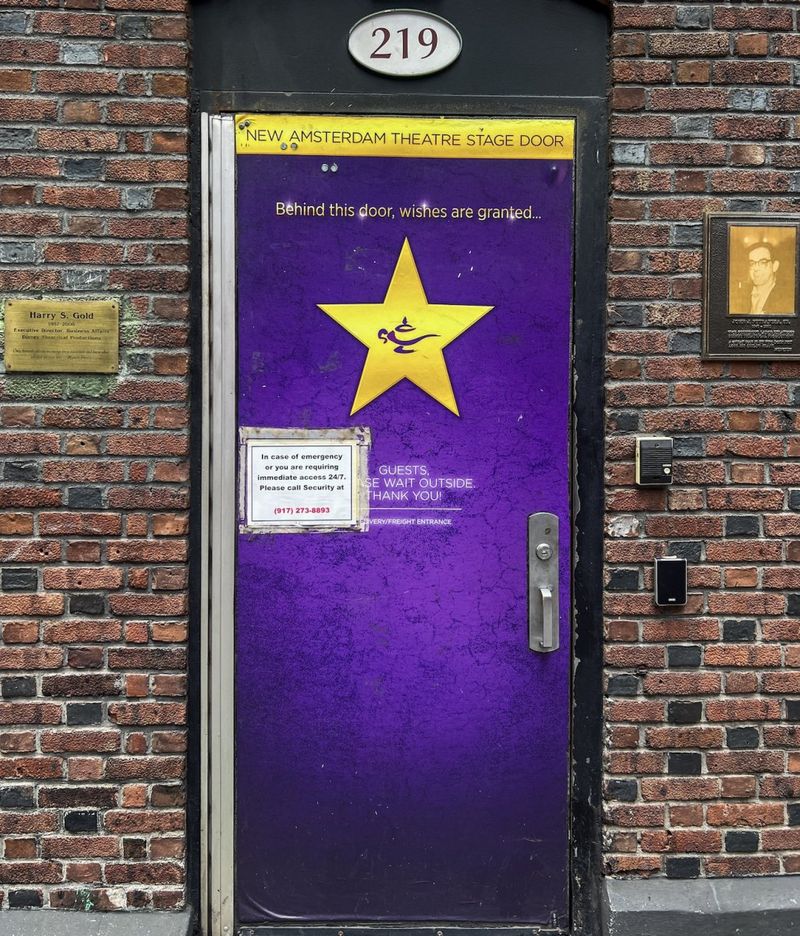
Palace Theatre:
.png?format=auto&width=800)
Richard Rodgers Theatre:
.png?format=auto&width=800)
Samuel J. Friedman Theatre:
.png?format=auto&width=800)
Shubert Theatre:
.png?format=auto&width=800)
St. James Theatre:
.png?format=auto&width=800)
Stephen Sondheim Theatre:
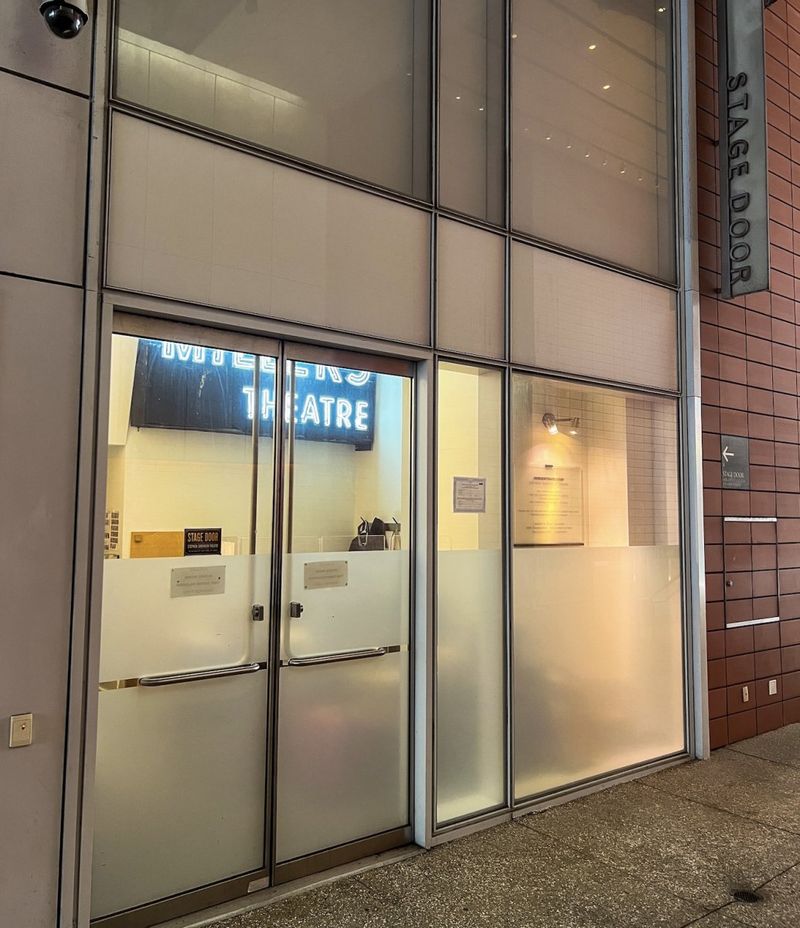
Studio 54:
.png?format=auto&width=800)
Todd Haimes Theatre:
.png?format=auto&width=800)
Vivian Beaumont Theatre:
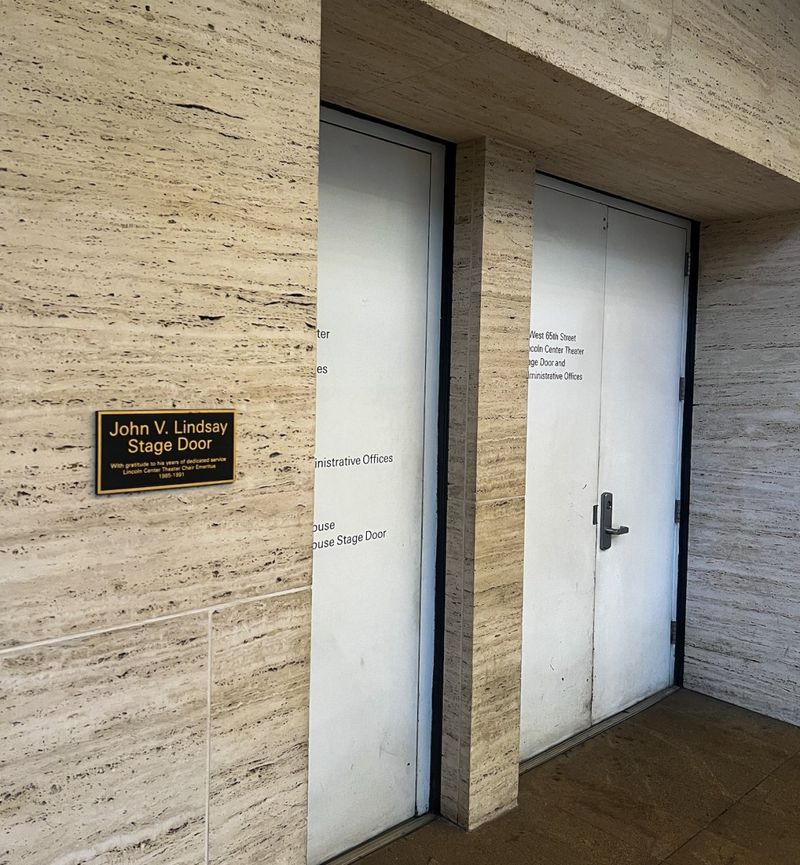
Walter Kerr Theatre:
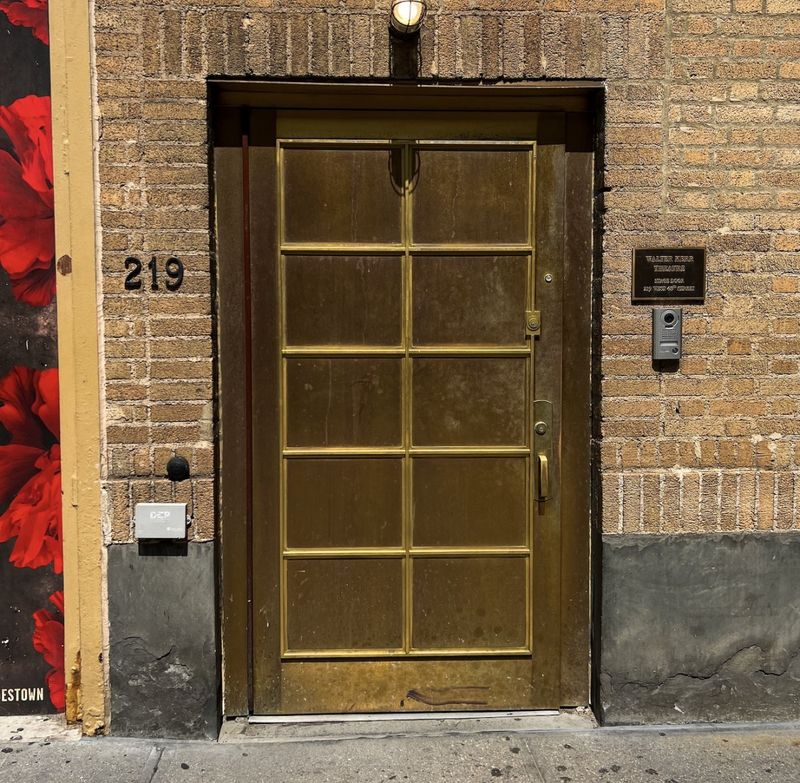
Winter Garden Theatre:
.png?format=auto&width=800)
Weekly top stories - unsubscribe anytime.
.jpg?format=auto&width=300)