How to Prepare for a Musical Theatre Audition
Heading to a musical theatre audition? In the first of a two-part series, a Broadway voice teacher explains what to bring and how to prepare.
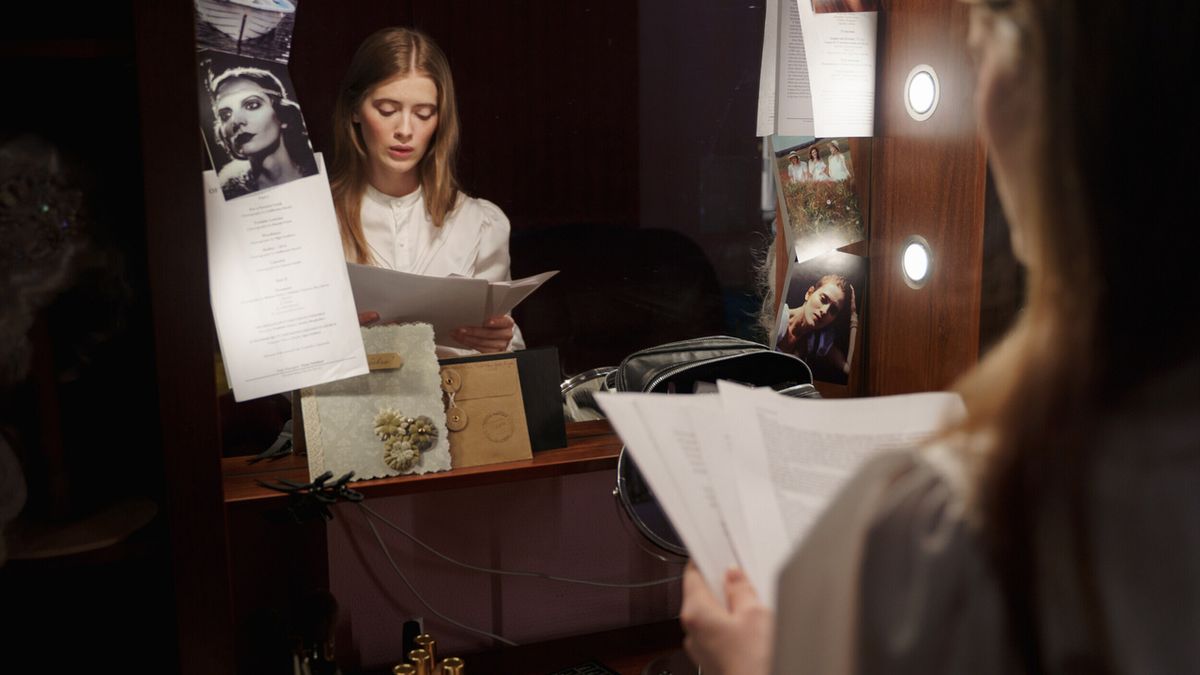
It's October, baby. The leaves are totes crunch, the sweaters are offish on, and fall audition season is IN FULL SWING. Last month, I shared my favorite places to find auditions. By now, you've found one! Yay! You circled the date on your calendar, you signed up (if you can in advance), and maybe you even did a little excited AND scared dance in your kitchen. (Me too. Every time.)
Now what?
If you've never been to a professional musical theatre audition, it can feel like a mysterious black box. What really happens in the room where it happens? What do I bring in with me? Will they really count my bars and yell at me for having 35? Why is everyone in the hallway holding a binder? Who do I talk to if I have questions?
Whether you're an actor heading to your first audition out of college, a high schooler daydreaming about your future, or a parent trying to figure out what on earth your kid is signing up for, this one's for you.
We'll get to what happens in the room next month. In Part One of this two-part series, I'll walk you through how to prepare so you can walk into that room feeling like YOU.
Before audition day: prep like you meal prep
The secret to a calm audition day is doing most of the work beforehand. Think of it like meal prep: Set aside an hour on Sunday, look at the week ahead, and get everything ready so Future You can just grab and go.
Understand the setup. What kind of audition(s) are you attending? Is it an EPA (Equity Principal Audition), ECC (Equity Chorus Call), Open Call, or an Invite Only/Agent Appointment Day? EPAs typically run over the course of a full day (9:30 a.m. to 5:30 p.m.), while ECCs happen in shorter sessions (usually one at 10 a.m. and one at 2 p.m.). They also differ in how much material to prepare and when to arrive. And remember, whether or not you're a member of Actors' Equity Association can affect how and when you are seen.
Pick your material. Read the audition notice (called a "breakdown") carefully. It usually tells you what to prepare — for example, "16 bars of a contemporary musical theatre song" or "a one-minute comedic monologue." Choose something from your audition book (the binder of songs you've prepared) that fits the musical style of the show and feels like the character/track you're after. And most importantly, choose something YOU LOVE TO SING. If you love it, they'll love watching you love it. Your joy is contagious.
- Pro tip: Don’t learn something new for an audition, unless it’s material they provide. If you get to pick what you sing, it’s best to choose a song you already know and have worked on previously. In another post, we’ll talk about the ins and outs of compiling a musical theatre songbook (aka “your book”) that covers all the bases.
Prep your sheet music. Keep your book in a 1-inch binder with every song double-sided (print double-sided or tape your pages together). Sheet protectors? IMO, not a must, since they can add a glare. Clearly mark where the PIANIST starts and stops and when you, the SINGER, come in, and always keep the lyrics and bass line intact. Those are musts. The pianist will sight-read your music, so make it as easy as possible for them to help you crush it.
Staple your headshot and resume. Back to back, trimmed to 8x10. I like one staple on top and one on the bottom. Bring a few extra.
Plan your outfit. Wear something that makes you feel like the best version of yourself and hints at the show's world without being a costume. If there might be a dance call, pack dance clothes and the right shoes (the breakdown will tell you which kinds you'll need).
Protect your sleep. Your voice and your brain both need 7 to 8 hours the night before. Drink some water, and go to bed. That extra doom scroll can wait.
Think of it as a gift to Future You: every task you handle now is one less thing rattling around your brain when your name gets called.
What to pack: the carry-on rule
I have a reputation among my non-theatre friends as "the bag lady." Don’t be like me. Instead, pack like you're flying a budget airline and only get the bag that fits under the seat in front of you. Every extra thing is physical and mental weight you carry around all day. For us busy theatre folks, there might be two or three other stops before or after your audition (or, god forbid, an actual day job), so packing light is essential.
The audition essentials:
- Your audition repertoire binder with marked sheet music cuts (anywhere from three to eight songs).
- Headshots and resumes, stapled.
- Any sides (scenes and/or songs) you were asked to prepare in advance.
- Water bottle and a snack that won't make you sluggish.
- The right dance shoes (heels, sneakers, both, etc).
- Phone charger or battery pack.
- Something calming: a book, a playlist, a podcast, headphones.
Bring enough to take care of yourself and your performance and leave anything else at home. Your back will thank you.
As they say, failing to plan is planning to fail, so preparation pre-audition is key. Leave the surprises inside the audition room and maintain control over what you can. In next month’s post, we’ll talk about what actually happens in the room.
Happy audition season, y'all. Go book it!

Jenna Pastuszek (she/her) is a bi-coastal actor, singer, voiceover artist, and Co-Founder of Innovative Voice Studio, and she's thrilled to take over this column. Onstage, her credits include Off and Off-Off-Broadway (most recently Hillary Clinton in 44: The Obama Musical at The Daryl Roth). A Carbonell Award nominee for Best Actress, she's appeared in productions across the country, most notably the LA and regional premieres of Elvis: A Musical Revolution, Because of Winn Dixie, It's All Your Fault, Tyler Price, and Diner, working with Tony Award-winning and -nominated directors including Kathleen Marshall, Jeff Calhoun, Marcia Milgrom-Dodge, and Kristin Hanggi. She's also the writer and star of two acclaimed solo shows, Get Happy! A Tribute to Judy Garland and People: Me, Myself & Barbra, seen at more than 50 venues nationwide, including Paper Mill Playhouse, Westport Country Playhouse, and Bucks County Playhouse. She's voiced national campaigns for brands including KIND Bar, Fisher-Price, Starbucks, and Target. As a teacher, Jenna holds a Master's in Vocal Performance and an Advanced Certificate in Vocal Pedagogy from NYU Steinhardt and is an Estill Voice International Certified Master Trainer. Previous voice faculty positions include USC, The University of the Arts, NYU Steinhardt, and MTCA. Learn more, or book a lesson, at www.JennaP.com.
Sign up for all the news on the Fall season, discounts & more...