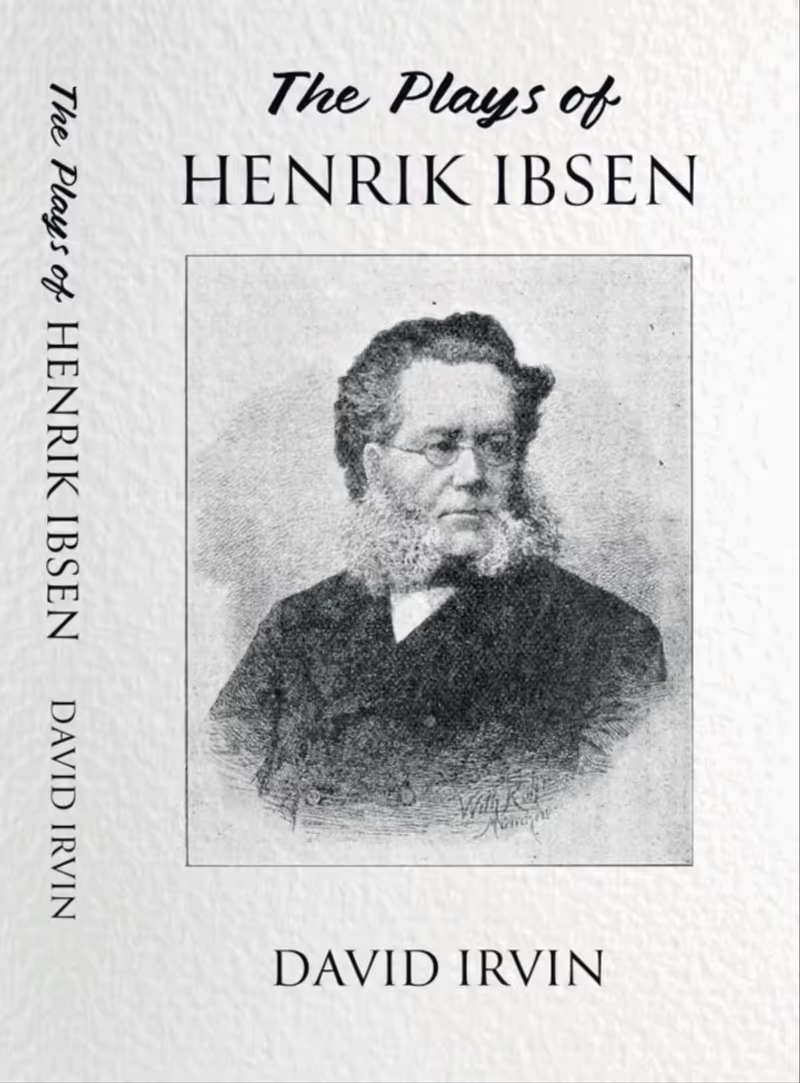
BOOK REVIEW: THE PLAYS OF HENRICK IBSEN, by David Irvin
Excellent new "must-have" guide to Ibsen and his plays

Steadfast Ibsen fans and newbies to the famed Norwegian playwright's works will equally enjoy former Open University lecturer David Irvin's comprehensive and entertaining new book.
Its publication couldn't be more timely with a surge of interest in all things Ibsen. Recent remakes feature Ewan McGregor and Elizabeth Debicki in The Master Builder, Alicia Vikander in Simon Stone's The Lady From the Sea and Nia DaCosta's Saltburn-meets-1950's England take on Hedda Gabler.
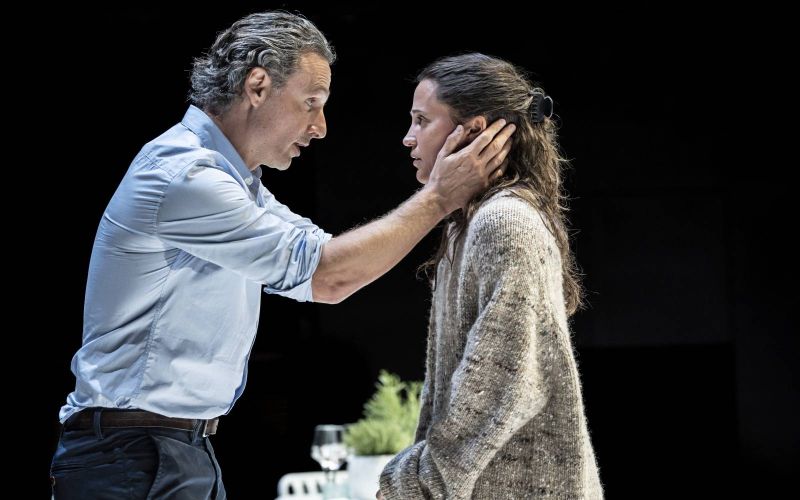
Photo credit: Johan Persson
The book also coincides with BBC Four's archive film and documentary Ibsen season, celebrating 120 years since the playwright's death, featuring the likes of Juliet Stevenson in A Doll's House, Ingrid Bergman in Hedda Gabler, and Diana Rigg and Anthony Hopkins in Little Eyolf.
Anyone nervous of a long-winded academic tome should be reassured that this is a concise book of only 153 pages where Irvin distils information about Ibsen's development as a writer and his themes in an intelligent and diverting fashion.
Using a straightforward structure, Irvin kicks off with a chapter on Ibsen and his family. He introduces one of Ibsen's main themes – "the institution of marriage" – and the follow-up: "what is important to each individual when marriage is neither a goal nor a harbour". He also highlights Ibsen's views on marriage together with the importance of personal self-discovery.
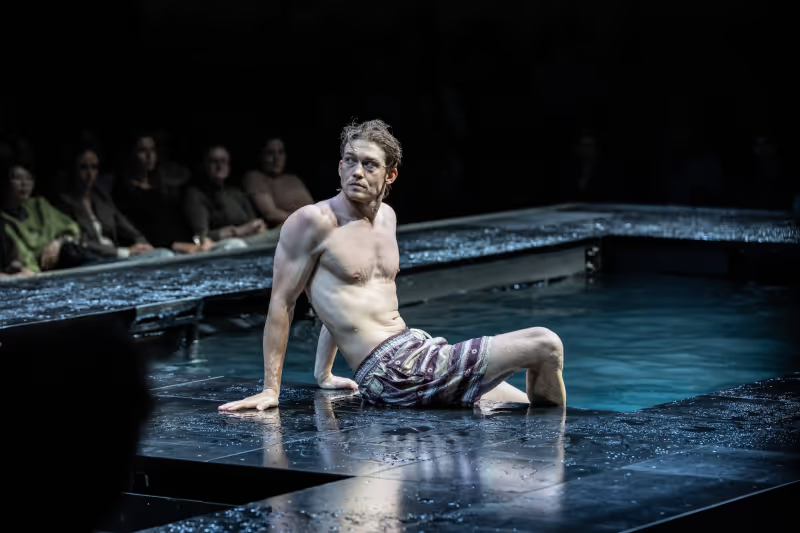
Photo credit: Johan Persson
Chapter Two's a quick romp through Ibsen's early plays (many of which were written in verse), starting with Catiline, published in 1850. Ibsen wrote it at night while working as an apothecary's assistant by day. Irvin offers definitive, witty notes, such as one linked to St John's Eve, published three years after Catiline. "Little time needs to be spent on it".
Going forwards, each chapter deals with a particular play. Plays are listed in chronological order, making this book a superb reference guide.
Plot summaries are accompanied by information on where Ibsen was at the time (for instance, Peer Gynt was written in Italy) and what influenced him (mainly several young women, some of whom inspire his feisty female characters).
Irvin points out that some resounding successes back then are seldom performed today, and what we regard as blockbusters now were turkeys when first staged.
One example is Hedda Gabler. It was not well received when it launched towards the end of the 19th century, but is now the most performed of Ibsen's works.
Ghosts, printed in 1881, was considered an outrage and "one of the filthiest things written in Scandinavia," perhaps hardly surprising with themes including free love, incest, hypocrisy of the priesthood, euthanasia, blackmail and venereal disease.
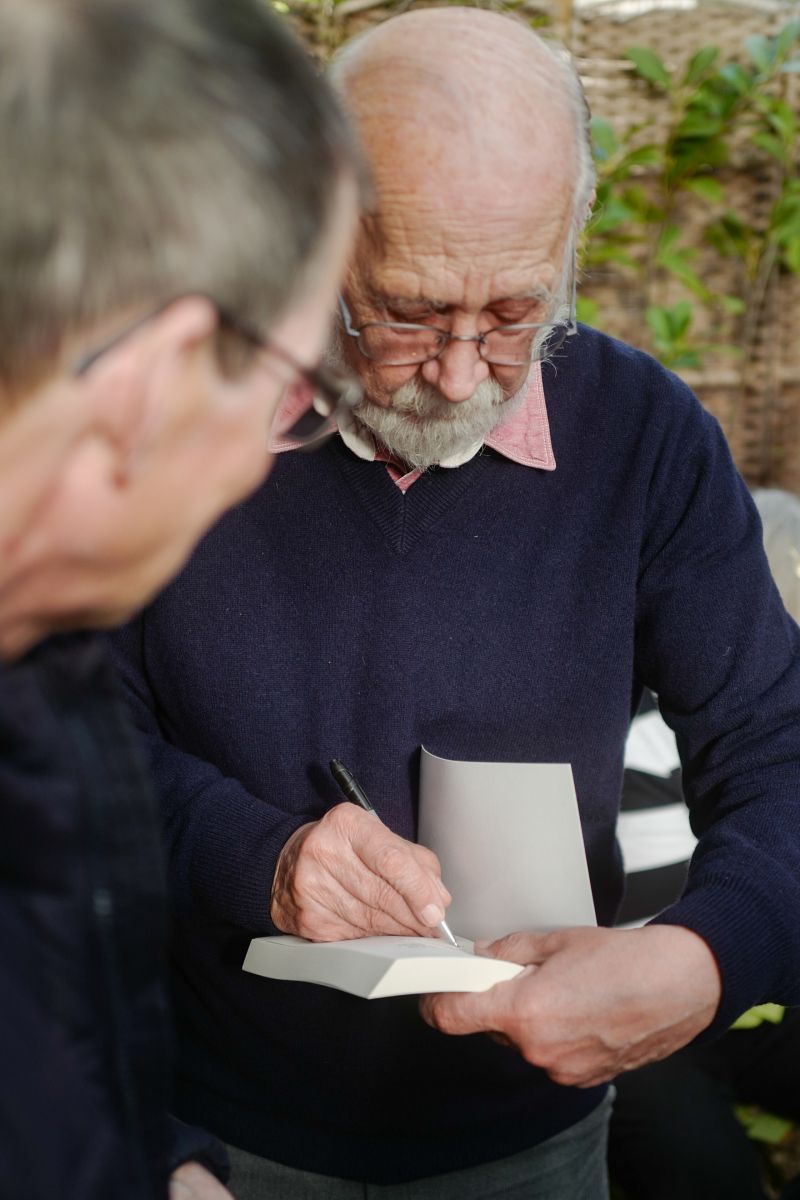
Photo credit: Laurie Rose
Irvin also discusses the sound of the door shutting at the end of A Doll's House – one of the greatest moments in theatre history, cementing Ibsen's reputation as first class and controversial.
Through gritted teeth, Ibsen wrote an alternative happy ending for an actress in Germany who declared she'd never leave her children. Another happy ending featured in a London production four and a half years later. However, Strindberg said that thanks to A Doll's House, marriage had been revealed "as being far from a divine institution".
I especially enjoyed current references peppered throughout Irvin's book. A favourite is his observations of the main character in An Enemy of the People, where the interests of commerce battle with the interests of the individual. "Peter Stockmann making his entrance, wearing a Trump-style cap with MAGA emblazoned across the top."
Another droll aside links to the character of Ellida who speaks of sick fjord water in The Lady from the Sea. Irvin wonders "what she'd make of the sea off the East Kent coast today after contamination by Southern Water".
We often regard Ibsen as a champion of women who should have the right to be equal to men. However, Irvin explains that Ibsen wasn't setting out to intentionally improve things for women, but for all of humanity. He believed in the liberation of the individual which happened to include women.
With reference to The Master Builder, first staged in 1893 in Berlin, Ibsen's summed up as "fundamentally a playwright who's writing about real people who have real problems in their lives, real issues with which to deal". Which explains in this total treat of a book why Ibsen is still exceedingly relevant today, with real-life characters who want to find their own truth.
The Plays of Henrik Ibsen by David Irvin is available as an e-book, and in paperback (Troubador Publishing, £15.99) at all leading booksellers
Photo credits: Johan Persson and Laurie Rose
Sign up for all the news on the Fall season, discounts & more...
.jpg?format=auto&width=300)