


Interview: Brett Miller scores METROPOLIS for Balboa Theatre's SILENT MOVIE MONDAYS
Nearly 100 years later, a 24-year-old organist breathes new life into a silent sci-fi landmark
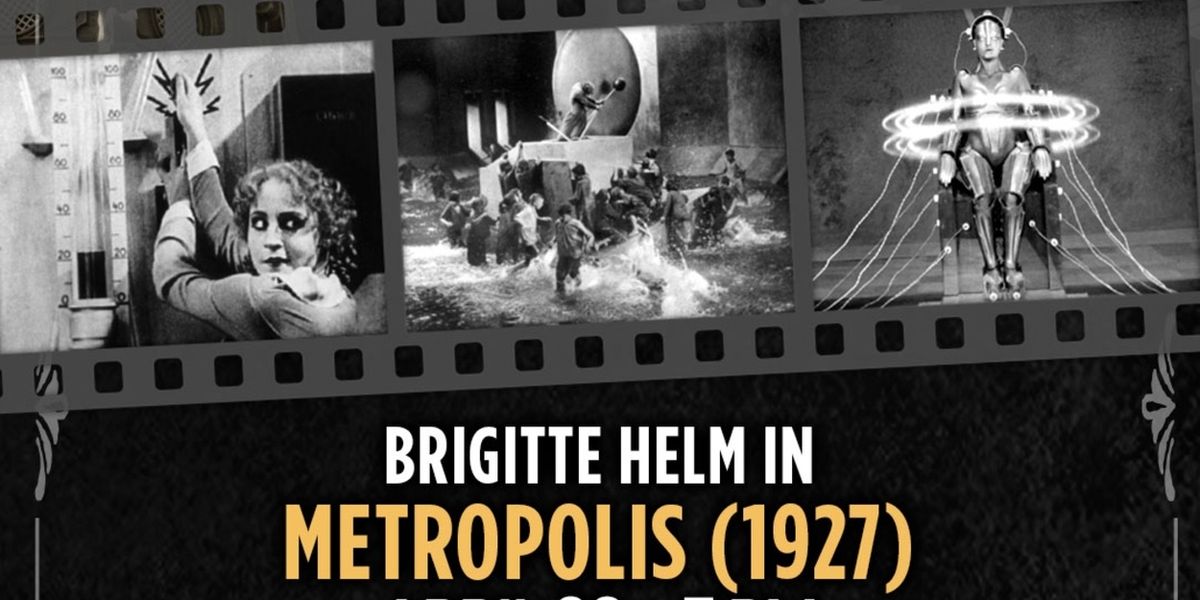
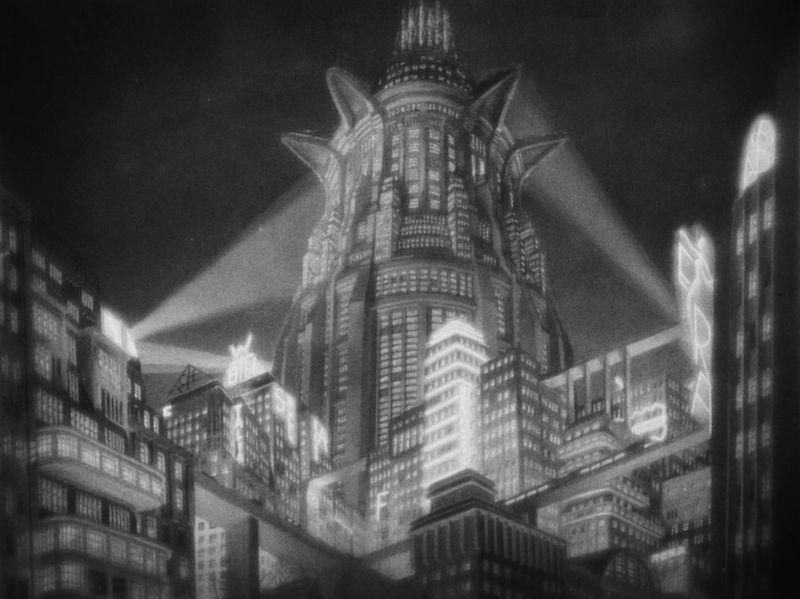
San Diego Theatres continues its SILENT MOVIE MONDAYS series with a striking presentation of Metropolis, showcasing Kino Lorber’s most complete restoration of Fritz Lang’s groundbreaking silent film. Presented at the historic Balboa Theatre, this one-night screening invites audiences to experience the visionary epic in a newly restored form, including long-lost footage. The evening pairs early cinema with live performance, featuring an original organ accompaniment on the venue’s 97-year-old Wonder Morton Theatre Organ. Set in a dystopian future, Metropolis story follows Freder, the son of the city’s mastermind, whose love for a working-class woman leads him to the city’s unpleasant underbelly.
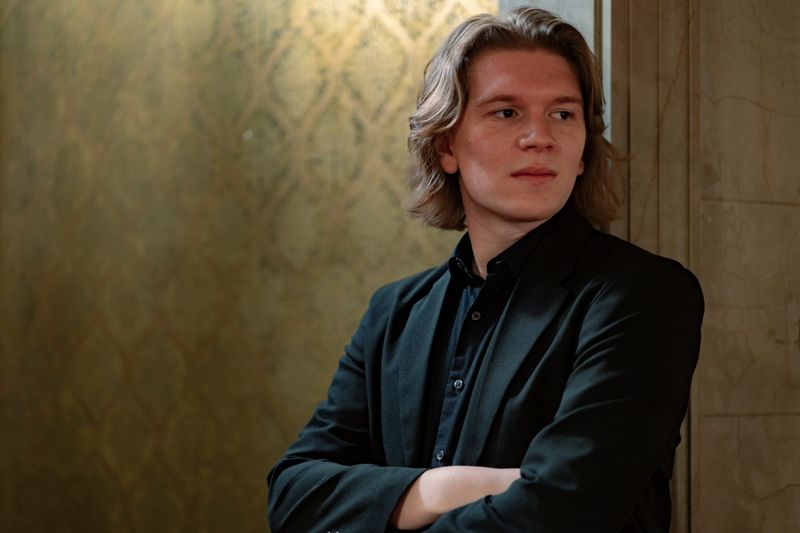
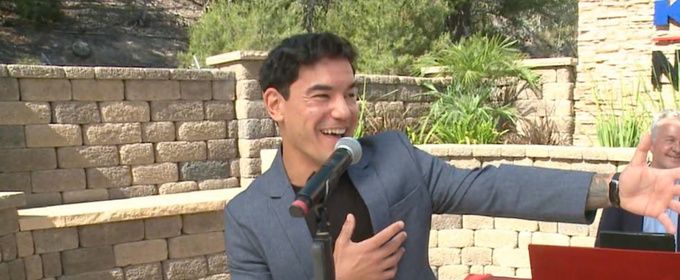
At the center of the evening is guest organist Brett Miller, one of the youngest working artists in the rare field of silent film accompaniment. At just 24, Miller has quickly built a reputation as a dynamic conductor, arranger, and performer, collaborating with leading film preservation institutions and major orchestras across the country. Known for his original compositions and live scoring, he brings a contemporary sensibility to historic works, making each screening a uniquely immersive experience.
1. At just 24, you’re already recognized as one of the leading emerging artists in silent film accompaniment. What first drew you to this highly specialized art form, and what has kept you returning to it?
I remember the first time I saw a silent film—I was around 10 years old, and it was the original Phantom of the Opera. From the very beginning, I was hooked. I immediately asked my parents if I could learn how to do that. By sheer luck, a family friend knew a silent film accompanist. After taking a few lessons, I knew this was what I wanted to pursue.
One of the things that keeps me coming back is that no two performances are ever the same. While the film on the screen never changes, I always find myself adapting and making each experience unique for the audience in front of me. It’s an incredible job—my "bosses" are these classic films that have stood the test of time for nearly a century.
2. Metropolis is such a classic and visually complex film—how did you approach creating an original score that both honors its legacy and feels like you?
We are fortunate to have the original score that premiered with the film in 1927. Written by German composer Gottfried Huppertz, it was originally scored for a very large orchestra. I’ve adapted the score so it can be played entirely on the organ. In a way, we are recreating what people heard in 1927—99 years later.
3. This screening features the most complete version of the film, including previously lost footage rediscovered in 2008. Did the restored scenes influence your musical interpretation in new or unexpected ways?
Using the original 1927 score, I’m amazed at how well the film has been restored and pieced back together. I’ve found that I only needed to cut about 40 measures of music for everything to sync perfectly. The score contains visual cues that must align with the action, and with the newly discovered footage, I can perform about 98% of the film exactly as written in the score I am using.
4. How much of your performance is meticulously planned versus improvised in the moment?
With any film, I first consider how I’m going to approach the score. For some, I create a roadmap and improvise most of the music; for others, I write out large sections in advance. With Metropolis, I’ll be playing note-for-note from the original score. This means that next Monday’s performance is very carefully planned, yet I still find myself adapting in real time—emphasizing different elements and drawing out unique aspects of the film. Even when I know every note I’ll play, my interpretation is always shaped by how the audience responds to the film.
5. What makes you excited to perform on the Theatre’s historic 97-year-old Wonder Morton Theatre Organ?
It’s funny, the first time I saw Metropolis was in Jersey City, accompanied by the sister Wonder Morton organ to the one I’ll be playing next week. I can remember the sound of that organ and just being so into the film from it. It truly feels like a full-circle moment for me. The Wonder Morton organs are extremely rare, with only five ever made, so it’s always a thrill.
6. Anything else you’d like to share with audiences?
Metropolis is my favorite film. It’s visually stunning even 99 years after its release—and it’s actually set in 2026. I hope this will be an exciting and memorable event, allowing people to step back nearly a century and experience how filmmakers envisioned the world 100 years into the future!
Tickets for this special edition of SILENT MOVIE MONDAYS are on sale now through San Diego Theatres. The screening takes place at the historic Balboa Theatre on Monday, April 20 at 7:00 p.m., with doors opening one hour prior and additional pre- and post-show programming enhancing the evening.
The series will conclude its current season on June 8 with a screening of Safety Last!, starring Harold Lloyd, accompanied live by organist Russ Peck. For full details, showtimes, and ticket purchases, visit the San Diego Theatres website.

Sign up for all the news on the Fall season, discounts & more...

|
BEGIN AGAIN The Old Globe (9/06-10/11) |
|
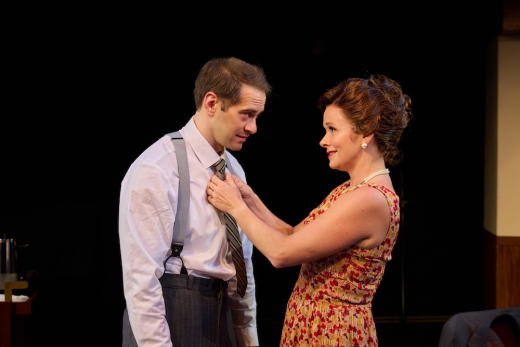
Good Night, Oscar North Coast Repertory (9/16-10/18) |
|
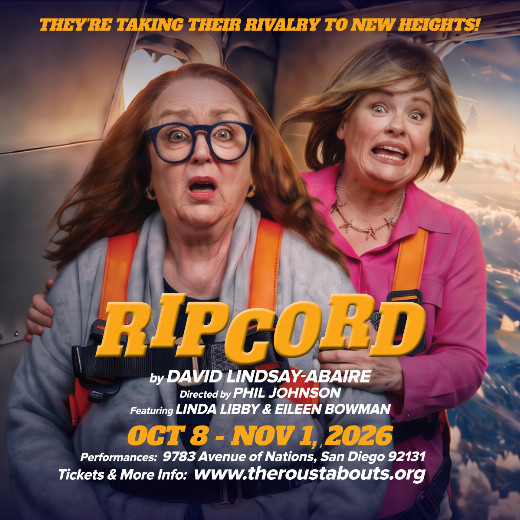
Ripcord The Roustabouts Theatre Co. (10/08-11/01) |
|
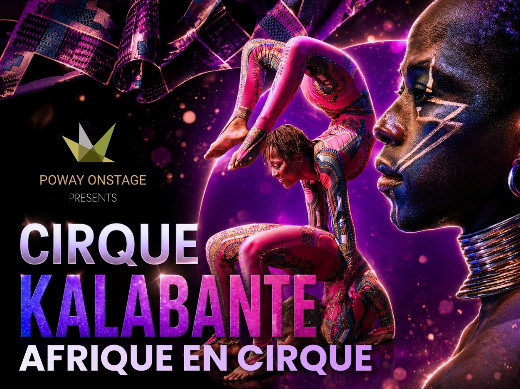
Cirque Kalabante Afrique En Cirque Poway Center for The Performing Arts (2/28-2/28) |
|
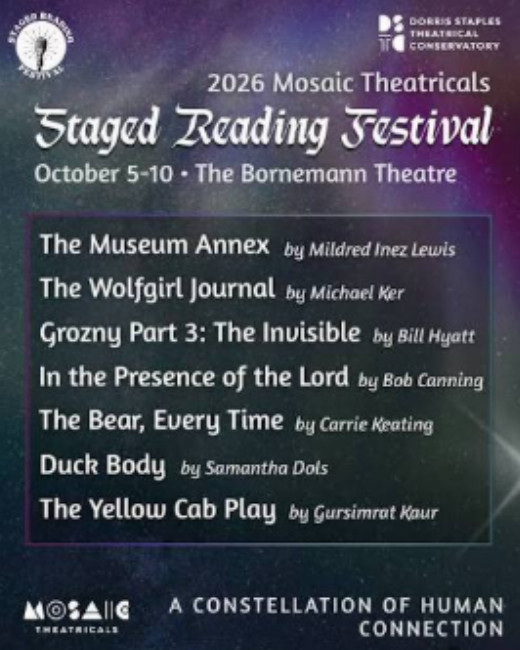
Staged Reading Festival The Borenemann Theater (10/05-10/10) |
|
Always...Patsy Cline Mosaic Theatricals (7/16-8/01) |
|
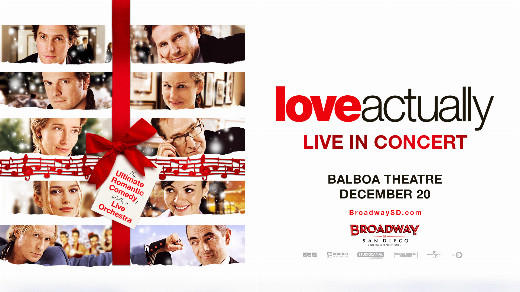
Love Actually Live In Concert Balboa Theatre (12/20-12/20) |
|
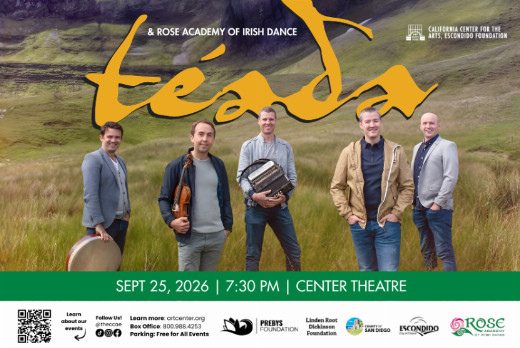
Téada California Center for the Arts - Center Theater (9/25-9/25) |

|
MJ Live Michael Jackson Tribute Concert Poway Center for The Performing Arts (4/03-4/03) |
|
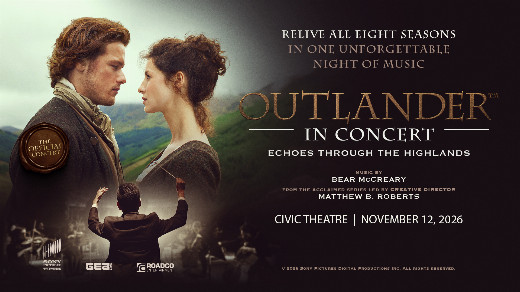
Outlander In Concert San Diego Civic Theatre (11/12-11/12) |
