


BWW Q&A: Karen Coe Miller Talks ANASTASIA at Oklahoma City University
Oklahoma City University's Bass School of Music stages the Tony-nominated Broadway adaptation April 24 through 26 on the Kirkpatrick mainstage
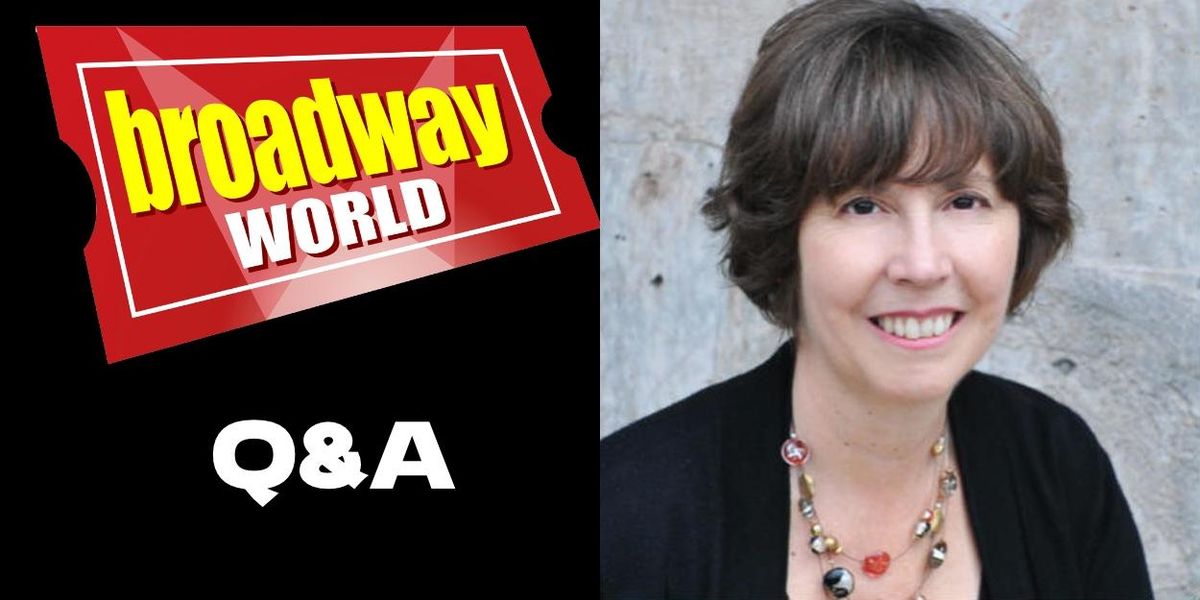
Oklahoma City University's Bass School of Music is bringing the sweeping Broadway musical ANASTASIA to the historic Kirkpatrick mainstage this April, with a 31-member cast, a 15-piece chamber orchestra, and original costumes. Performances run April 24 through 26.
At the helm is director Karen Coe Miller, now in her 18th season as Assistant Director of OCU's Oklahoma Opera and Music Theater Company and a 2024 recipient of the university's Distinguished Service Award. Miller brings decades of experience in opera, musical theater, and new work development to this adaptation of the 1997 Oscar-nominated animated film.
Featuring music by Stephen Flaherty, lyrics by Lynn Ahrens, and a book by Terrence McNally, the Tony-nominated musical transports audiences from the final days of the Russian Empire to the Paris of the Roaring '20s, with beloved songs including 'Journey to the Past' and 'Once Upon a December.'
BroadwayWorld spoke with Miller about adapting the animated favorite for the stage, the show's themes of identity and home, and the collaborative process behind a production involving more than eighty students and faculty.
Anastasia was a popular animated movie before it came to Broadway as a musical in 2017. Might fans of the original movie be surprised at changes made to adapt the story to the stage?
Yes. The animated feature was created for children. The musical adaptation reaches a much broader audience while keeping the heart of the story alive for fans of the movie. The biggest change is that the evil ghost of Rasputin, the villain of the movie, is not in the story. The musical needed a flesh and blood antagonist. Enter the character of Gleb, an eager Soviet officer who pursues Anya to Paris. Gleb isn’t evil. He’s a man trying to vindicate his father’s role in the revolution but tortured by his doubts and his affection for Anya. Dmitry and Vlad remain as love interest and comic relief but with more insight into their own histories. In an interview Flaherty gave to American Theatre magazine, he quoted a young woman who had been a fan of the film as a girl. She said, “I realized that I grew up with the movie, but the musical grew up for me.”
You refer to the musical as "a powerful story about each character's search for identity." Do you think this theme is especially significant in current times?
I think it’s a theme for every generation, but because young people today have more freedom, they also have more decisions to make about the path they choose to take. At our first staging rehearsal, we went around the room and named what we appreciated about the story. Here are some the responses—how the themes of memory, trauma, lineage, and politics influence identity, how the characters’ search for home and family leads them to unexpected discoveries about the meaning of those terms.
How have the students responded to the show in rehearsals? Have you had any favorite moments you'd like to share?
They’ve been very excited. Most of them knew the animated film and have been singing the musical’s songs for years. Favorite moments for me are all about the collaborative process—discussing a tricky scene in rehearsal with four cast members and finding a solution together, working with the choreographer by layering ideas until the moment is just right.
The major roles in the show are double-cast, which indicates that OCU has a deep talent pool to draw from. Can you tell us about the audition process for this show, and at OCU in general?
Yes, we are fortunate to have so many talented students. We double-cast to give more opportunities. We have four or five auditions for the season throughout the academic year. The process includes an initial individual audition—sometimes live, sometimes by digital submission—followed by a callback for each show. For Anastasia, we held an additional dance callback because of the special ballet requirements. An excerpt from the ballet Swan Lake is part of the story in Act 2!
Although this is a production of the music school -- with a student cast and student orchestra -- majors from other OCU disciplines such as theater design and dance are also involved in the show. How many people in total work on a mainstage show like this? How does that collaborative process work?
Wow! I couldn’t give an accurate count. My guess is over eighty in addition to the cast and orchestra. This includes faculty and staff from music, theater and dance, faculty mentors in design and production, student designers, and lab students from theater and music who help build the set and costumes. The creative team—director, choreographer, student designers, faculty mentors—for ANASTASIA began design discussions last November. Those were followed in the spring by production meetings held to check on the progress of each department. The music team also has a process of preparation. After the cast was chosen in mid-January, ensemble roles and vocal parts were assigned, and the orchestra was chosen and rehearsed.
Given your years of experience with the theater, why does such an ancient art form continue to resonate in a digital age when so many entertainment options are available with the click of a button?
Nothing can replace the transformative energy of live theater. It’s an invisible but tangible exchange between audience and actor that has the power to touch the heart.
What are your three biggest highlights from Anastasia?
This is a difficult question. I’m going to choose three things from different aspects of production. 1) The way our design team worked together to create a magical world very different from the Broadway premiere. 2) The choice we made to connect Anastasia to her younger selves at the end of the show. 3) The glorious sound of our cast singing “Stay, I pray you” as they say goodbye to their homeland. This sends shivers up my spine every time I hear it.
What do you hope audiences take away from the show?
A colleague of mine always says that entertainment is a tactic for engaging audiences on a deeper level. With that in mind, I hope audiences are entertained and come away reflecting on the choices they’ve made to connect with their own identity, their own true self.
Love Theater in Oklahoma? Join The Community!
Whether you've got past experience writing about theater or just starting, the BroadwayWorld Community offers a unique opportunity to become a champion for your local arts community, helping raise awareness of local offerings and adding another local voice to the conversation at a time arts coverage is shrinking in the press across the continent. Join us and become a pivotal part of the movement that celebrates and promotes the arts in the digital age.
Learn MoreSign up for all the news on the Fall season, discounts & more...
|
Forrest, Macready, Macbeth Oklahoma Shakespeare in the Park (10/16-10/18) |
|
Straight No Chaser Broken Arrow Performing Arts Center (11/03-11/03) |

|
Legally Blonde Broken Arrow Performing Arts Center (2/16-2/16) |
|
Grady Nichols Christmas Show Broken Arrow Performing Arts Center (12/08-12/08) |
|
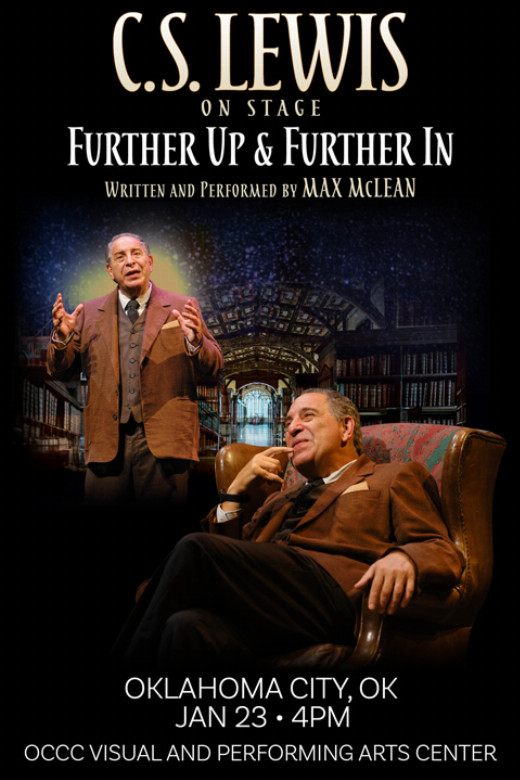
C.S. Lewis On Stage: Further Up & Further In OCCC Visual and Performing Arts Center (1/23-1/23) |
|
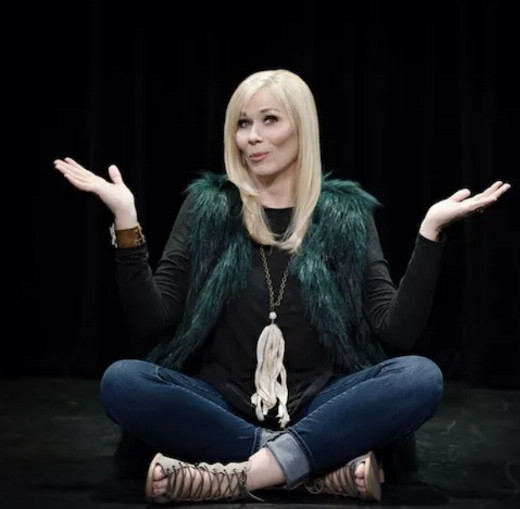
Leanne Morgan Paycom Center (11/15-11/15) |
|
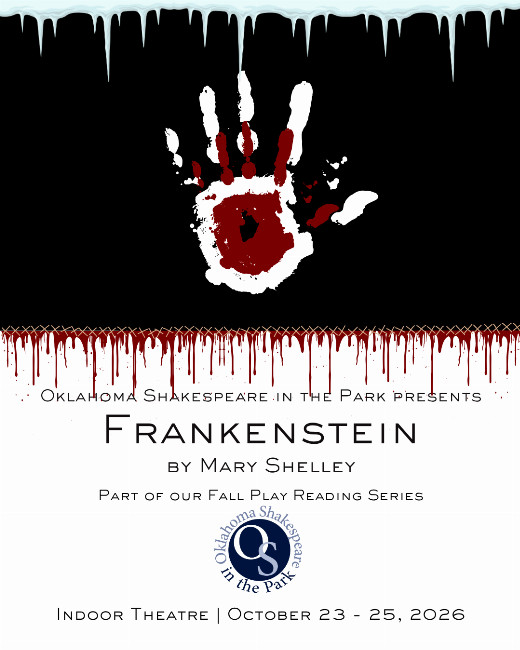
Frankenstein Oklahoma Shakespeare in the Park (10/23-10/25) |
|
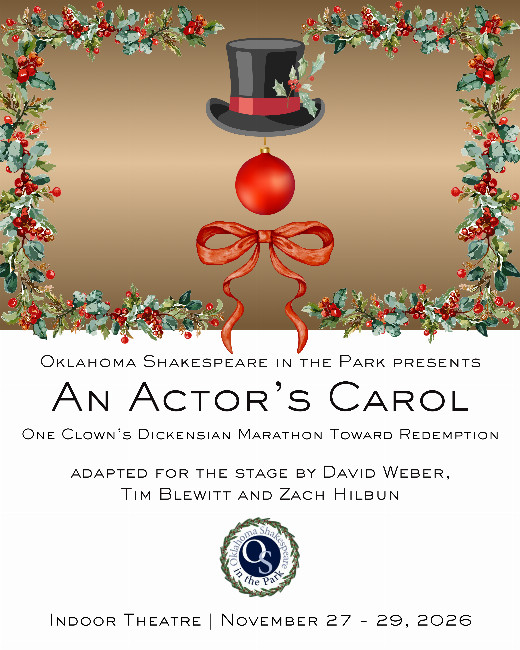
An Actor's Carol Oklahoma Shakespeare in the Park (11/27-11/29) |
|
Tracy Letts' The Minutes Carpenter Square Theatre (10/16-11/01) |

|
Lyric’s A CHRISTMAS CAROL (2026) Lyric Theatre of Oklahoma (11/25-12/26) |
