Best Browser Merge Games in 2026 — and the Ones That Waste Your Time
Merge games are built on one of the most reliable mechanics in game design: put two identical things together, get one better thing. It's satisfying for the same reason tidying a drawer is satisfying — disorder becomes order, and the payoff is immediate and visible.
The problem is that the mechanic is so reliable that plenty of games ship with nothing else. You merge, you get a bigger number, you merge again. There's no reason for any of it, and the satisfaction burns off in about eleven minutes.
This matters more in a browser than on a phone, and it's worth saying why. An app store merge game has your attention by default — it's installed, it sends notifications, it has months to justify itself. A browser game has one tab and about ninety seconds to prove it's worth the session, with nothing stopping you closing it. That pressure filters the genre usefully: the browser versions that survive are the ones that get to the point.
Every game below runs in a tab with no install and no account. The good ones attach the merging to something — that's the whole difference, and it's what this list sorts by: what happens after you merge.
Four things merging can be for
Before the games, a map. Nearly every merge game falls into one of these, and knowing which you want saves a lot of trial and error.
Merging for score. Physics-based dropping games. You merge to keep the board from filling up. Tension comes from running out of space.
Merging for combat power. Merged units fight for you. Tension comes from whether you merged fast enough before the next wave.
Merging for progress. Merging unlocks story, locations or collections. Tension is low by design — these are the calm ones.
Merging as a side dish. Action games with a merge layer bolted on. The merging is a resource system, not the point.
If you want to relax, the second category will stress you out. If you want tension, the third will bore you. Most disappointment with merge games is a mismatch here rather than a bad game.
Merging for score: the drop-and-combine puzzles
Fruit Merge: Juicy Drop Game
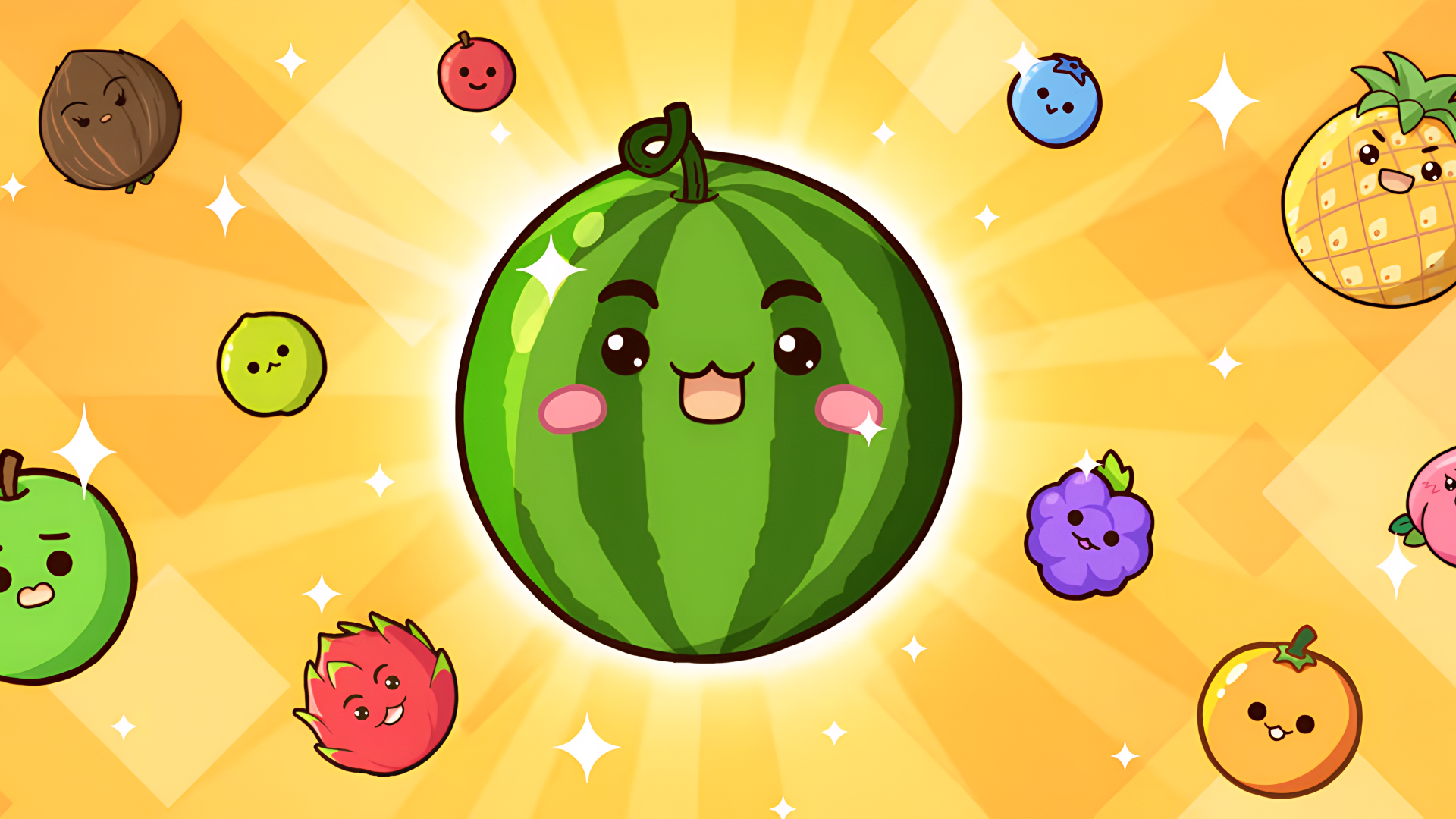
Drop fruit, identical fruit combine into larger fruit, the container fills up, you try to keep it from overflowing.
This is the format that took over the genre a few years ago and hasn't let go, for a good reason: the physics do the work you didn't plan for. You aim a drop, but the fruit rolls, settles and triggers merges you didn't intend — sometimes a cascade that saves you, sometimes one that buries your container.
That gap between intention and outcome is why it stays interesting after the mechanic is understood. You're never fully in control.
Category: score. Session: 5–15 minutes, ends when the board fills.
Merge Fruit Characters
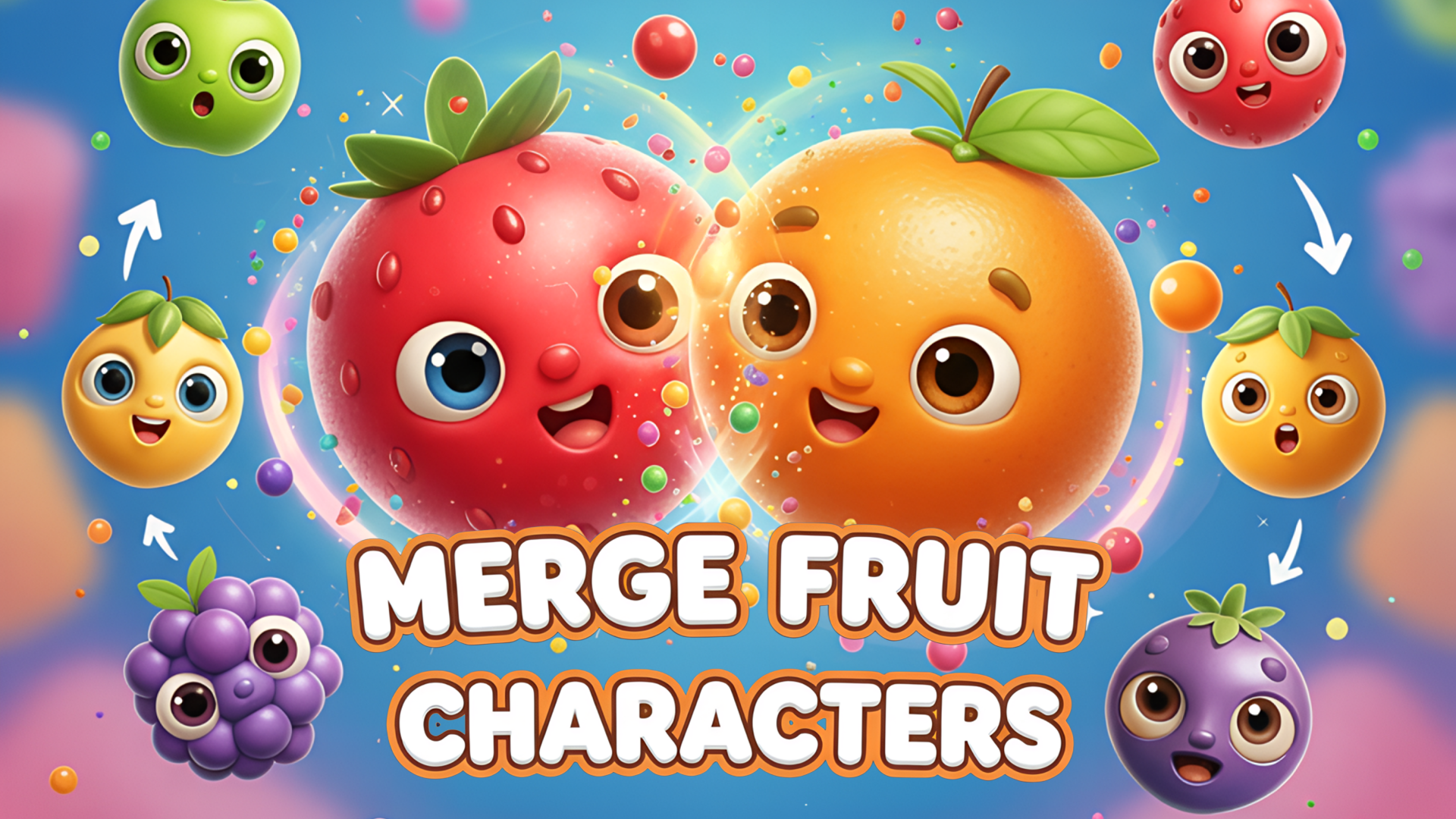
The same physics puzzle with a collection layer: 26 characters to unlock by matching.
The collection changes your motivation in a way that sounds trivial and isn't. In pure Fruit Merge, a lost board is a lost score. Here it's still progress towards a character you haven't seen. Failure becomes cheaper, which suits players who find high-score games discouraging.
Category: score plus collection. Session: open-ended.
Block Blast 2048
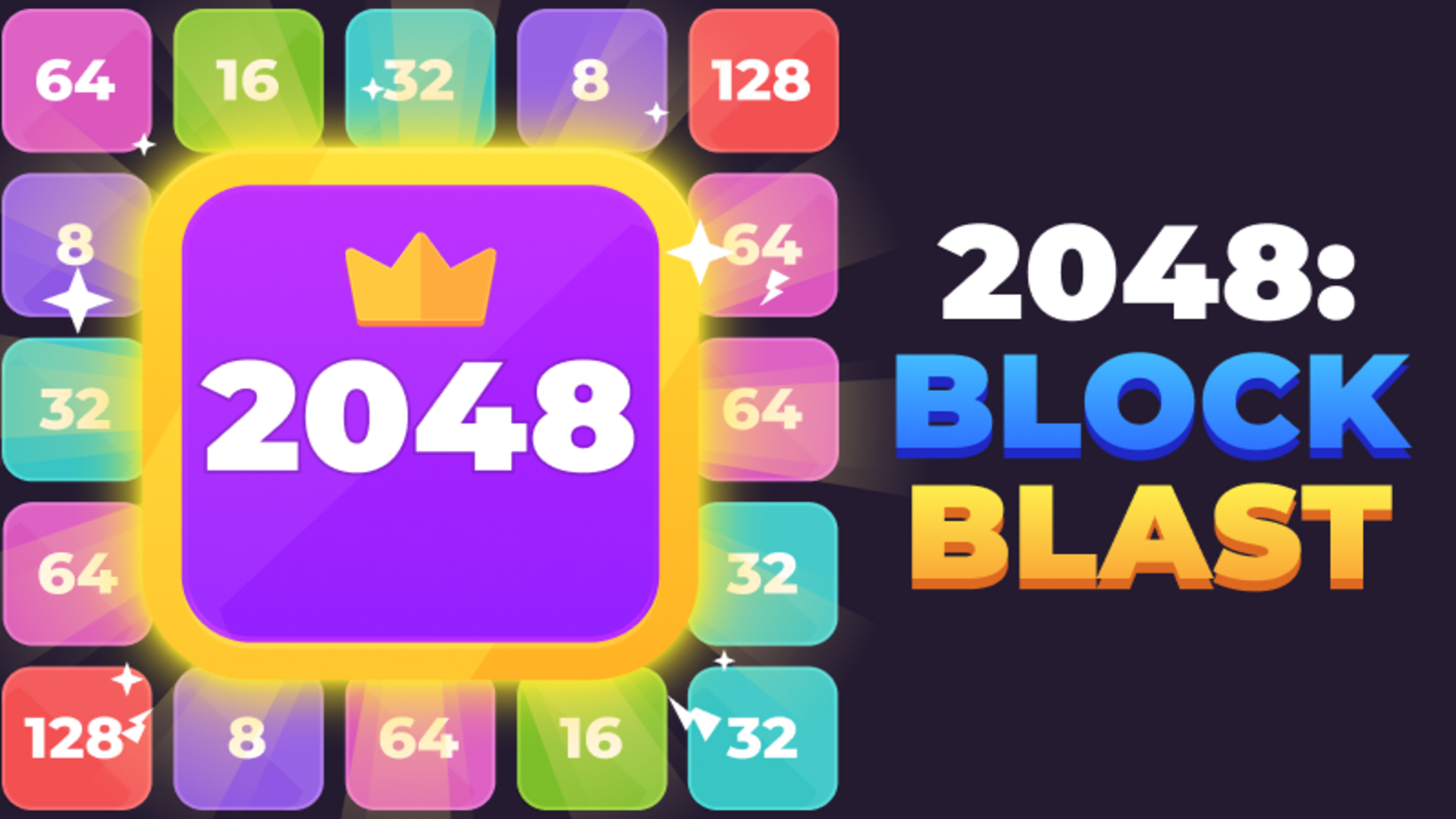
Numbered blocks, matching merges, explicitly designed as a calm, self-paced puzzle.
It's the least dramatic game here and the most likely to still be open in a tab tomorrow. No timer, no waves, no pressure — the constraint is space alone. If you want something to occupy your hands while thinking about something else, this is the pick.
Category: score, low tension. Session: as long as you like.
Merging for combat: the ones with a clock
Merge Defense: Army Behind the Wall
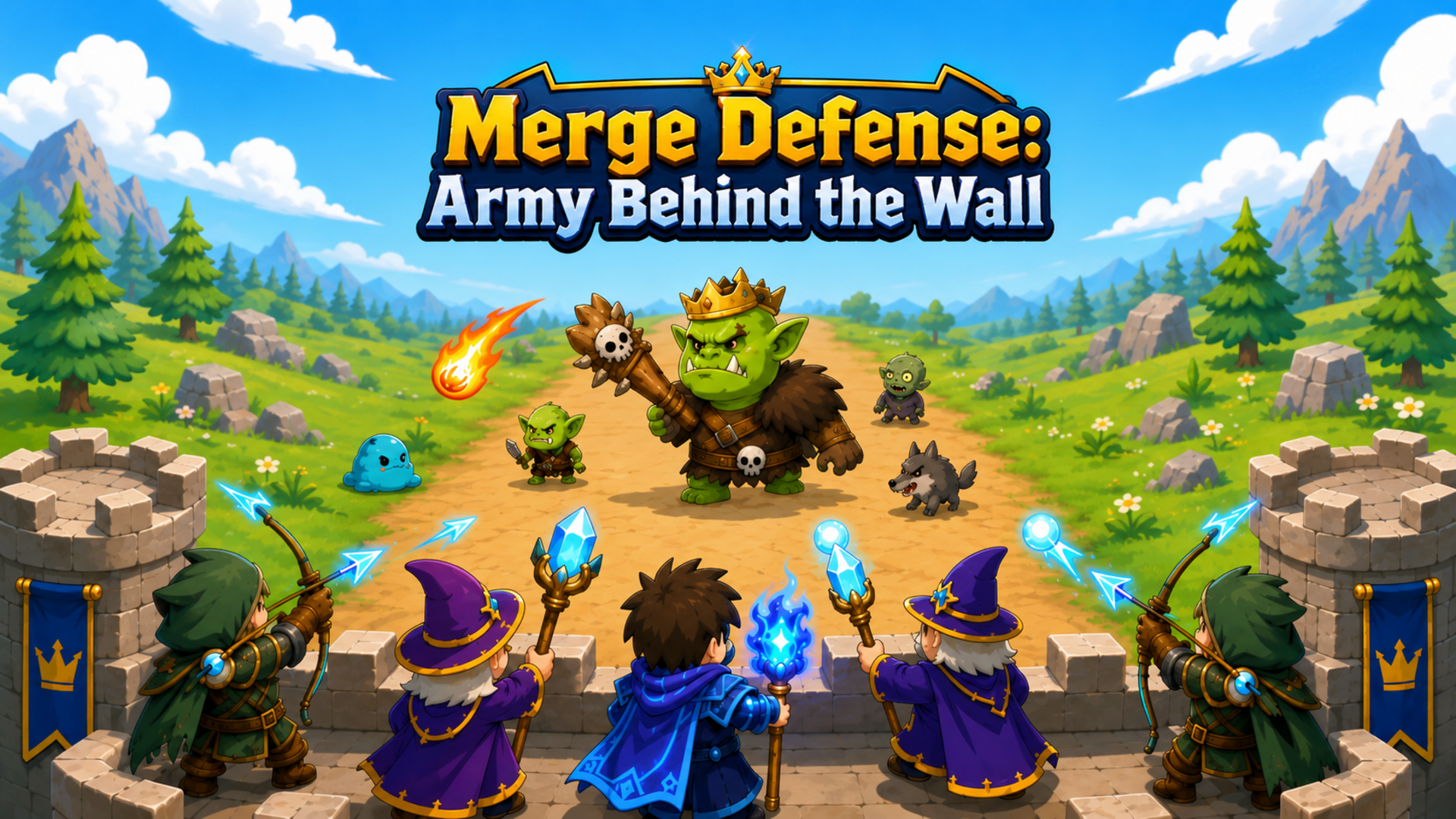
Defend a wall against monster waves by merging archers and mages into stronger versions.
The tension here is a genuine dilemma rather than a difficulty setting. Merging two units removes one defender from the wall right now in exchange for a stronger one later. Do it at the wrong moment and the wave arrives while you're a body short. Every merge is a bet on timing.
That decision is what separates a real merge strategy game from a merge game with monsters drawn on it.
Category: combat. Session: 10–20 minutes per run.
Chicken Merge
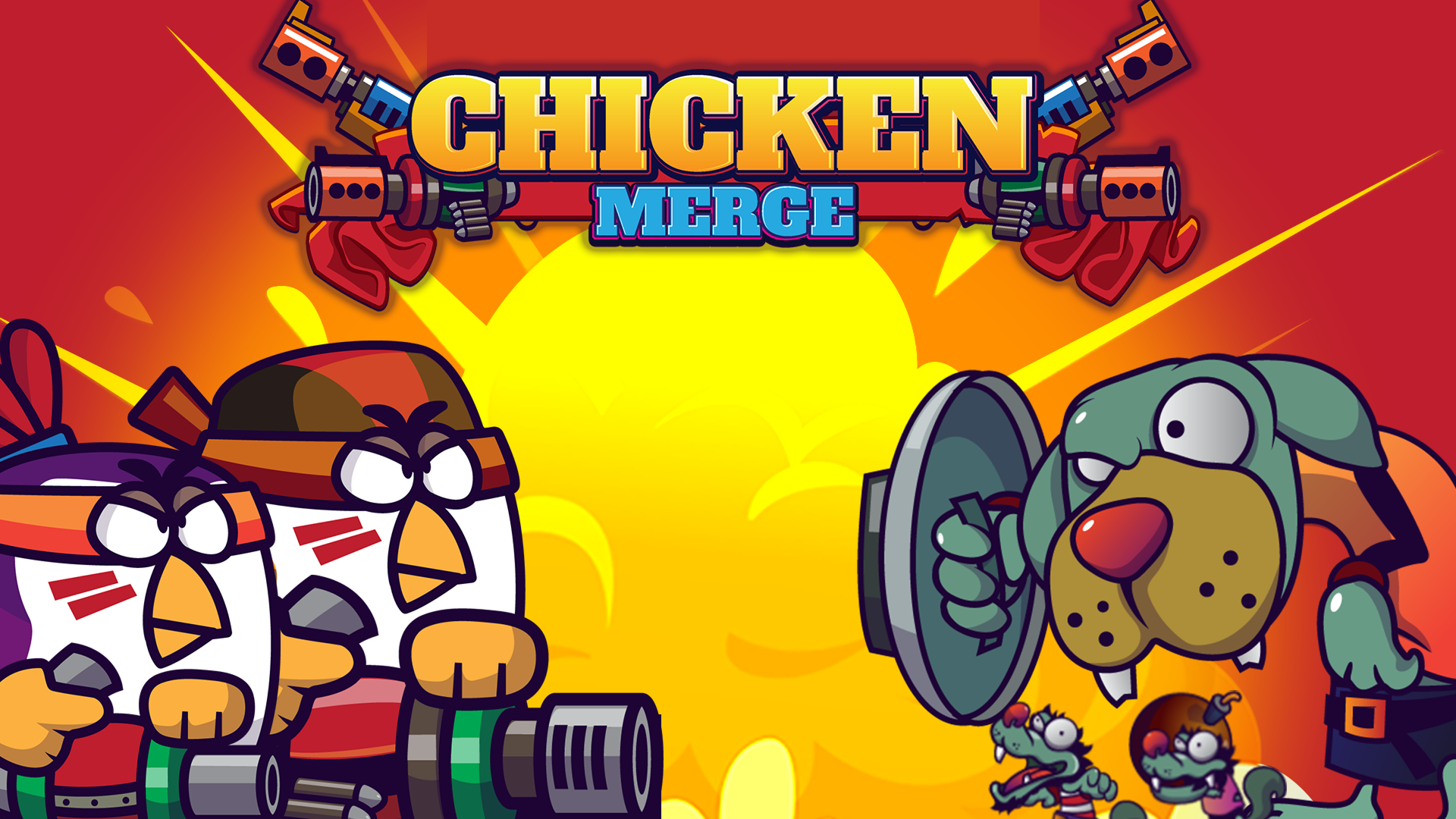
Base defence with combined chickens as your units. Same skeleton as Merge Defense, considerably lighter in tone.
Tone matters more than people give it credit for in this genre. Identical mechanics land completely differently depending on whether losing means your fortress falls or your chickens look disappointed. If defence games usually stress you out, the framing here genuinely helps.
Category: combat, low stress. Session: 10 minutes.
Fortress Merge
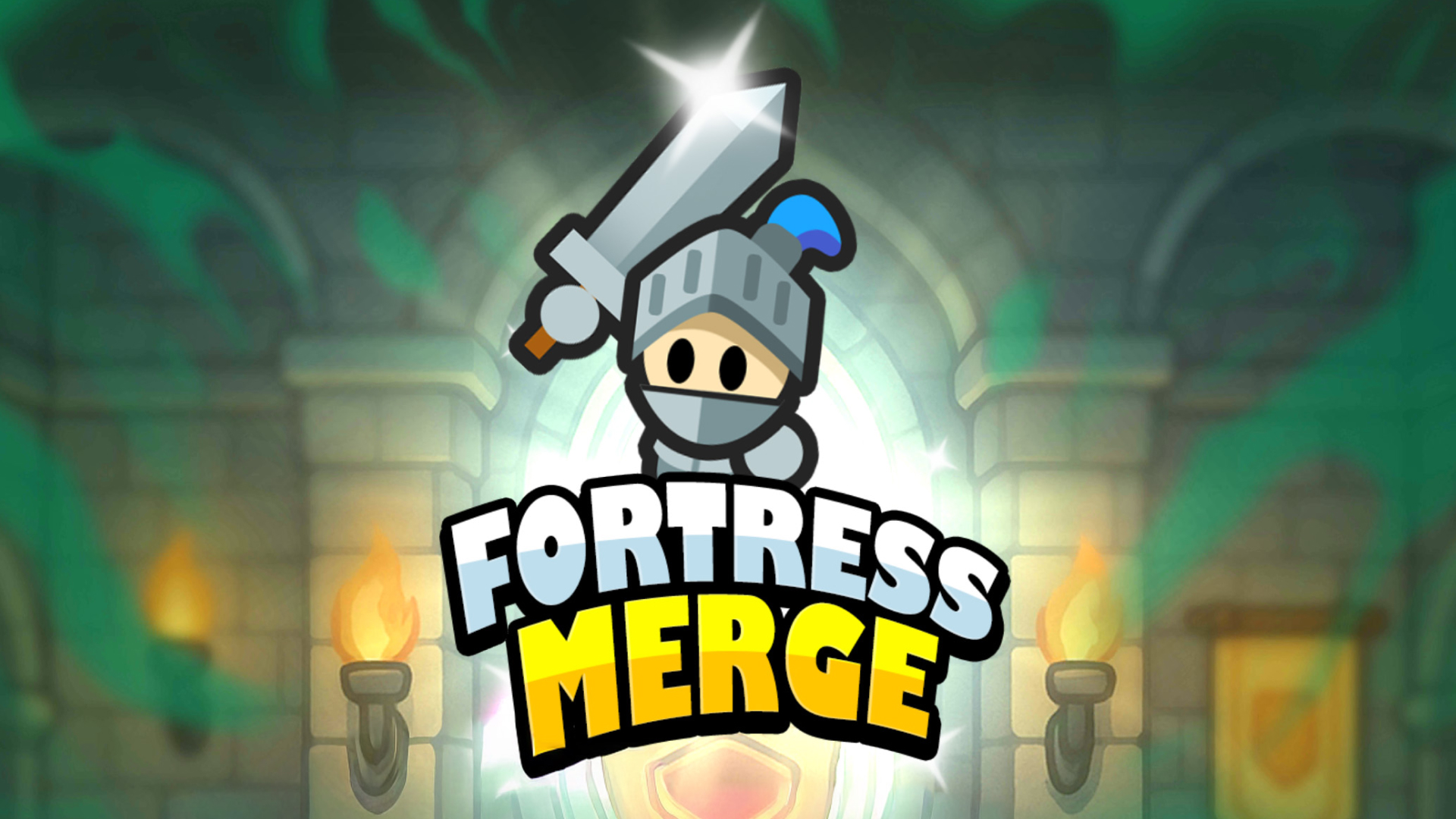
Castle defence against zombie waves, structured as a puzzle-defence hybrid.
The zombie framing implies attrition — waves that grind you down rather than single decisive fights. That rewards a different approach: building steadily rather than reacting to each wave, since you're planning for the tenth one while surviving the third.
Category: combat, attrition. Session: 15+ minutes.
Merge & Fight
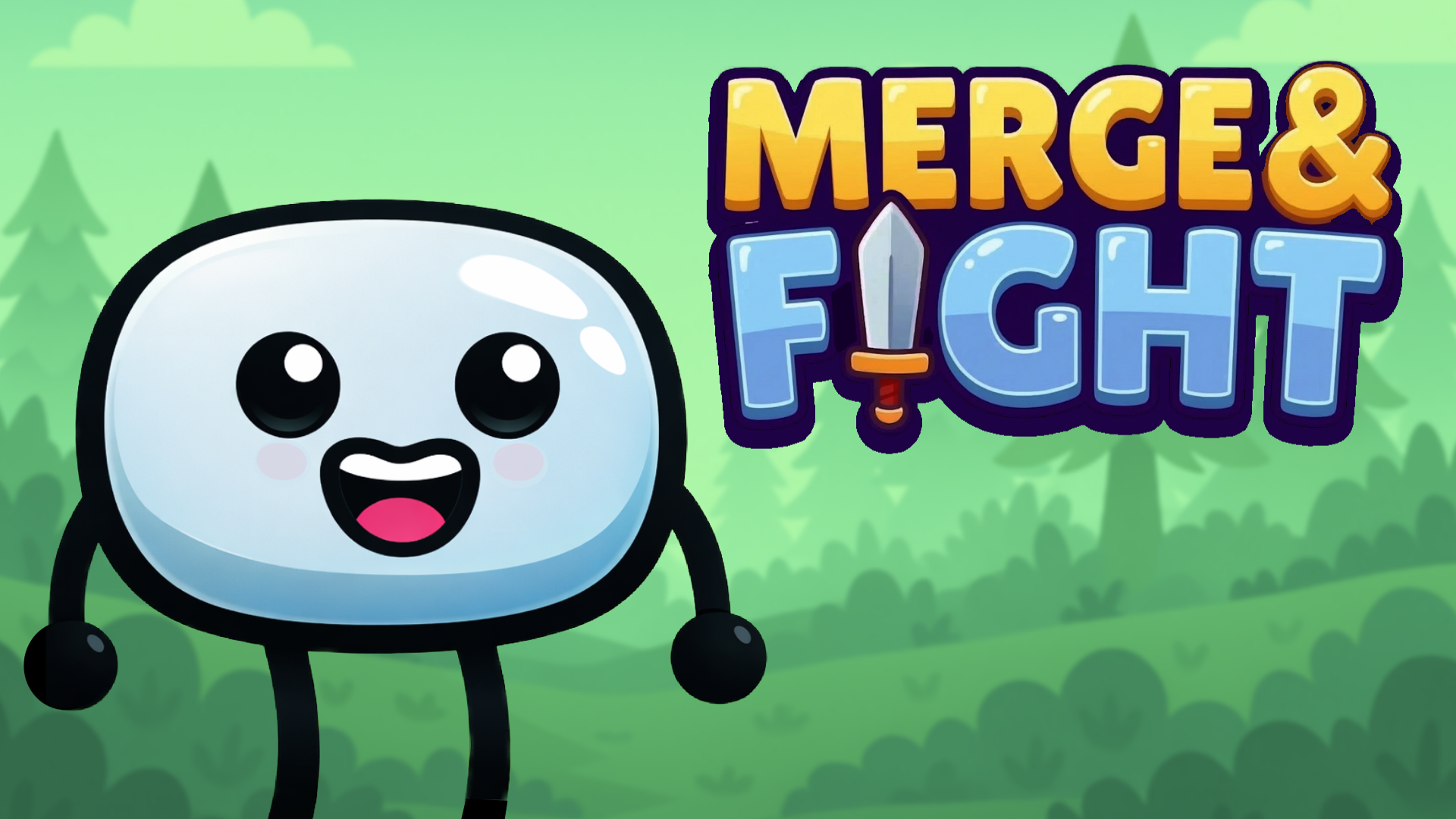
You merge weapons rather than units — gear improves, then survives waves.
Merging equipment instead of soldiers is a meaningful difference. Units are spent and lost; gear persists. That makes progress feel cumulative rather than fragile, and it's the friendlier structure for people who dislike losing things they built.
Category: combat, persistent progress. Session: 10–15 minutes.
Merging for progress: the calm ones
Piece of Cake: Merge & Bake
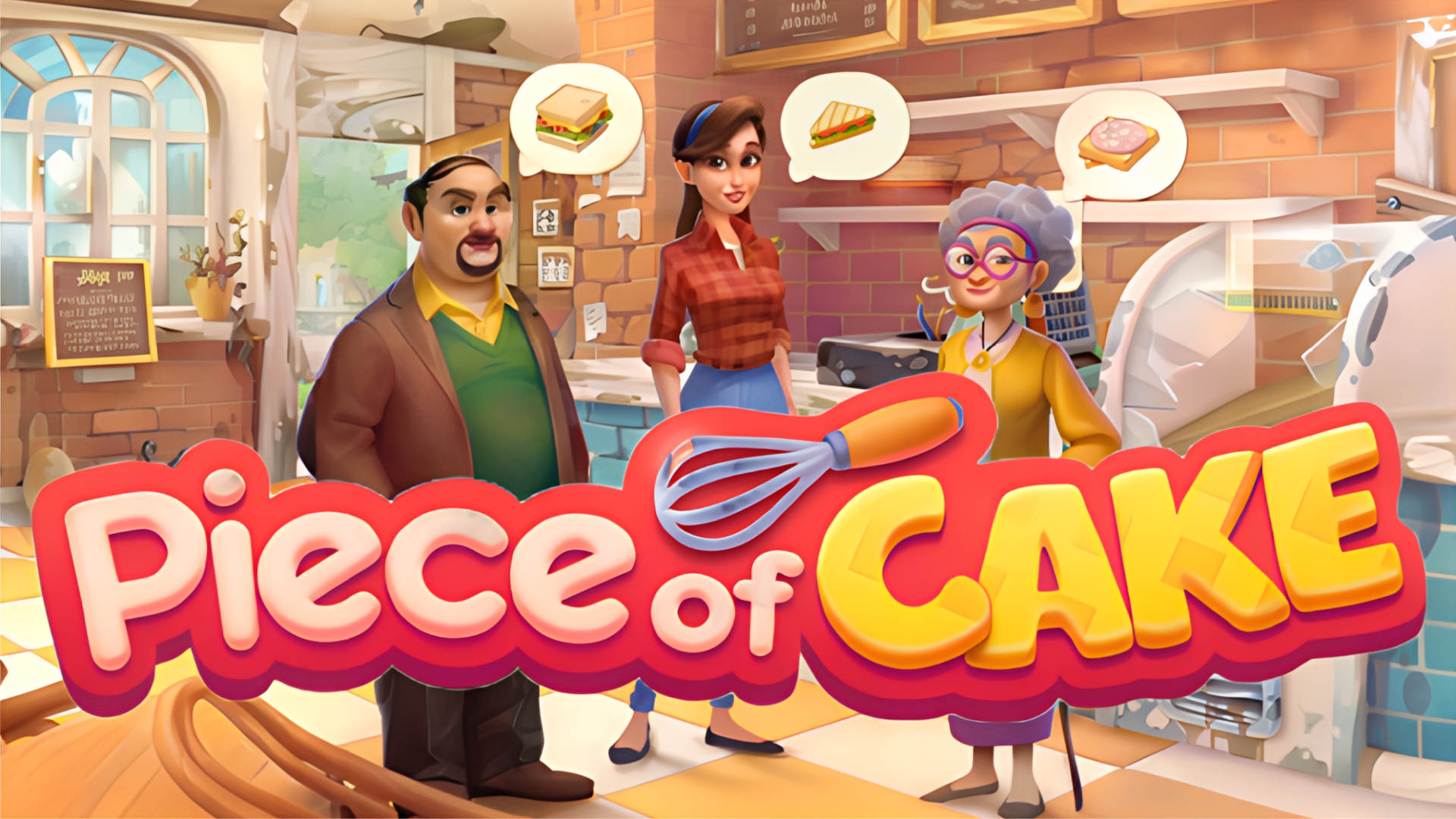
Restore your grandfather's café: combine ingredients, unlock dishes, renovate 21 locations.
This is the most structured game on the list. There's a stated end point, a sequence, and a reason for each merge beyond a rising number. Twenty-one locations is a real campaign, not an endless loop with cosmetics.
If merge games have previously felt pointless to you, the point is usually what's missing — and this supplies one.
Category: progress. Session: long, resumable.
The Flowers Merge and Sell Bouquets

Combine flowers into bouquets, sell them, earn coins. An economic loop rather than a combat one.
Selling adds a decision the pure-score games don't have: hold or cash in. A merged bouquet is worth coins now or a better bouquet later, and that's a small recurring judgement that keeps a calm game from becoming automatic.
Category: progress with economy. Session: open-ended.
Honestly: what to skip
Not everything with "merge" in the title deserves your evening.
-
Merge games with no failure state and no destination. If you can't lose and you're not building towards anything, you're watching numbers increase. That's a screensaver.
-
Character-collection merges where the characters do nothing. Merging identical characters into rarer ones is fine if rarity changes something. If the legendary version only looks different, the game ends the moment you notice.
-
Action games with a merge layer attached. Runners and shooters that let you merge weapons mid-run are usually action games first. Fine games — just not the thing to open when you want to merge.
The one honest caveat about the whole genre: merge games are engineered to feel productive. That's the appeal and it's also the trap. The best ones — the café, the defence games — attach the loop to something with a shape. The weakest ones just keep the loop running.
The browser merge category holds all four types side by side, which makes it easy to check the important thing before committing: does this one go anywhere, or does it only go up?
Frequently asked questions
What actually is a merge game? Any game where combining two identical objects produces a better one. The mechanic is old — 2048 popularised it — and the modern genre wraps it in physics, combat or story.
Are merge games the same as match-3? No. Match-3 removes matched pieces from the board. Merge games transform them into something new that stays. Match-3 is about clearing; merging is about building.
Why do they feel so satisfying? Immediate, visible, unambiguous progress. Two small things become one better thing, and there's no interpretation involved. The same reason sorting a drawer feels good.
Do they save progress? Story-driven ones usually store progress locally in your browser. Score-based ones typically don't — each board is a fresh run.
Which type is best for a short break? Drop-and-merge puzzles. A round ends when the container fills, which takes minutes. Defence and story games expect a longer sitting.
Descriptions reflect each game's stated design and structure. Merge games are updated frequently, and progression systems are the part most often revised.