


'The Music Survives': An Interview with Max Morath
By: Jena Tesse Fox
One might say that Max Morath has ragtime in his blood. His mother played piano for the silent movies, and taught him from an early age to appreciate many kinds of music. When he started out playing piano for melodramas in Cripple Creek, Colorado, he had to learn the appropriate music for the time period of the plays. This led not only to a love of ragtime as music, but as a part of American history and culture. During a life-long love affair with early twentieth century music, Max Morath has become not only the preeminent player of ragtime, but one of music's most highly regarded historians, with quite a few books and many albums to his credit. Now, he has a new show in the middle of its run at the York Theatre- Ragtime and Again.
While it is certainly not necessary to understand ragtime to appreciate Max Morath's show, some background helps, and he is only too happy to put the music into context. "Ragtime was the name given to all popular music for about twenty years," Morath begins, and asks rhetorically, "What was the music of the 60's and 70's? Rock. What was the music of the 30's? Swing. What was the music of the first twenty years of the century? Ragtime." In his show, Morath demonstrates the growth of modern music, beginning with the syncopation that is the basis for ragtime. That syncopation gave birth to jazz, which gave birth to rock. But the original rhythm was ragtime, which flourished primarily in poor, black neighborhoods. The race of the composers and artists, unfortunately, meant that much of their work went unrecognized. "People today, they think, 'They didn't write much about Scott Joplin in those days, so he must have been pretty obscure' And yes, he was obscure, partly because he was black." Joplin's popularity came posthumously. His music, however, and the music of his contemporaries, directly influenced the next generation. "All of our great composers- American songwriters- the guys who wrote the standards, they were all born within a few years [of each other]," Morath says about the 20th Century's celebrity composers: for example, Duke Ellington, The Gershwins, Richard Rodgers, and Irving Berlin. "They all grew up as children with ragtime around them. Ragtime was an influence by osmosis. It was the music they heard. It imprinted them."
|
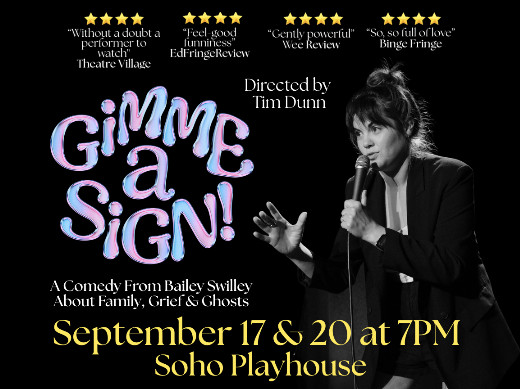
Bailey Swilley's Gimme A Sign! Soho Playhouse (9/20-9/20) |
|
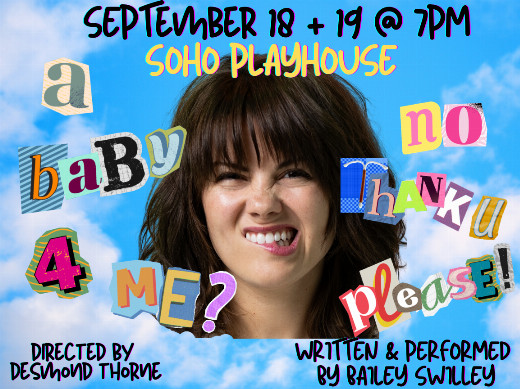
A Baby For Me? No Thank You, Please! Soho Playhouse (9/18-9/19) |
|
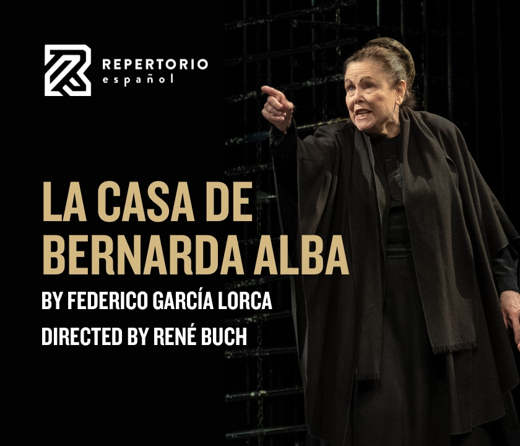
LA CASA DE BERNARDA ALBA Repertorio (11/15-12/31) |
|
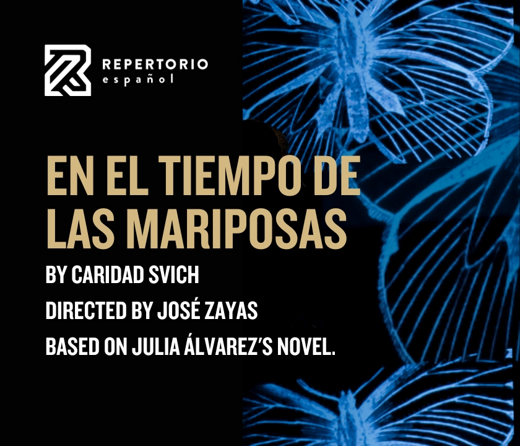
EN EL TIEMPO DE LAS MARIPOSAS Repertorio (1/07-12/31) |
|
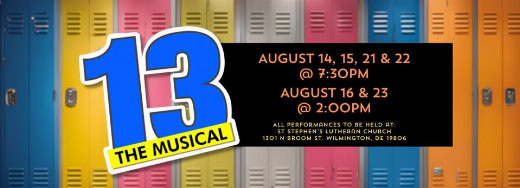
13 The Musical Griffin Theatre (8/14-8/23) PHOTOS |
|
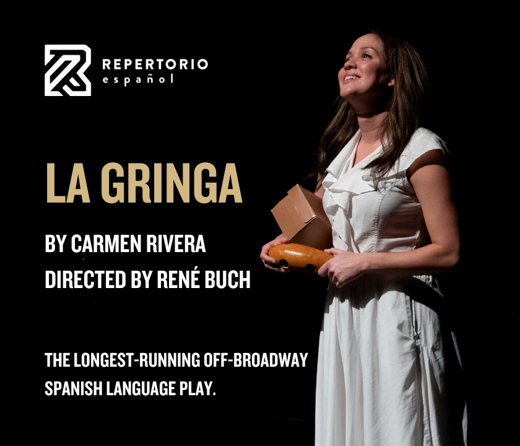
LA GRINGA Repertorio (2/08-12/31) |
|
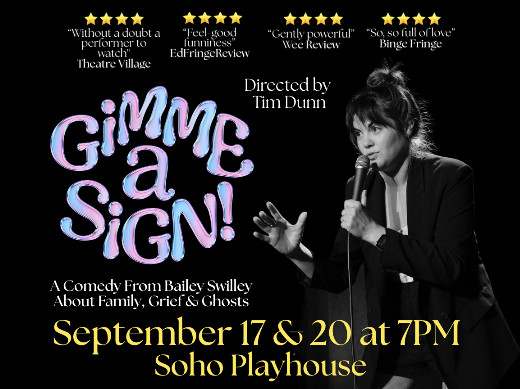
Bailey Swilley's Gimme A Sign! Soho Playhouse (9/17-9/17) |