


Feature: MY ÁNTONIA at Theater Latté Da
A walk down memory lane with Jessie Austrian & Kate Kilbane.
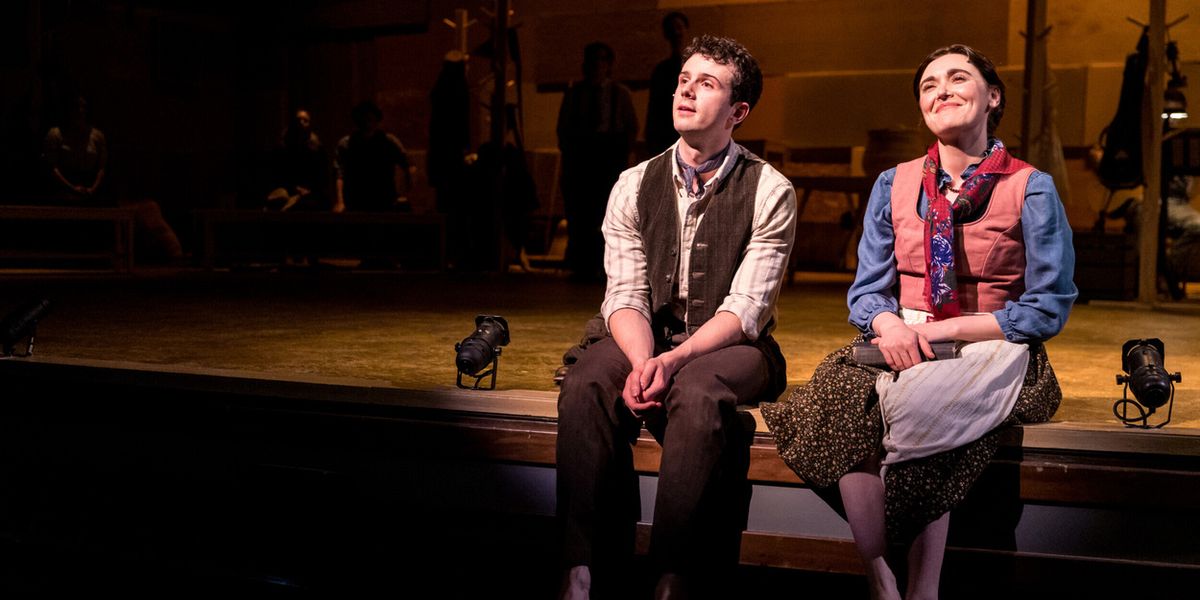
Theater Latté Da’s My Ántonia is now a memory as the world premiere wrapped up its extended run on Sunday, July 19--a memory just like the one told in the 1918 Willa Cather novel the Latté Da-commissioned work was adapted from.
Conceived by Jessie Austrian, Noah Brody, Kate Kilbane, and Dan Moses, the four artists were granted the first-ever NEXT Generation Commission award in March 2020, providing them the financial support for the creation and development of a new musical theatre project in its early, generative stages. The team eventually decided to develop Cather’s American classic about an immigrant woman and her community.
“There are a lot of canonical American stories from this period that perpetuate the myth of rugged individualism,” says Austrian, the show’s director, about what drew the team to Cather’s story. “It struck us how Cather’s novel quietly busts this myth by shining her spotlight on those not often put in the center of the story: the communities of immigrant women working quietly and tirelessly to make the whole economy thrive.”
My Ántonia follows the stories of an orphaned boy from Virginia, Jim Burden, and the elder daughter in a family of Bohemian immigrants, Ántonia Shimerda, who are each brought as children to Nebraska toward the end of the 19th century. A moment between the two characters early in Cather’s book told the team there was a musical hidden in its pages.
“They’ve both just arrived in Nebraska, and they’re two kids living on neighboring farms--they should be friends, but they don’t speak the same language,” explains Kilbane, one of the show’s composers and lyricists, when referring to the part when Ántonia asks Jim, ‘Name? What name?’ as she points at the things she sees in the prairie. “We thought, how thrilling to write a song where Jimmy teaches Ántonia to speak English and along the way, they become friends. It felt like a fortuitous beginning.”
That part in the novel actually became the song “Name, What Name,” but other parts of the story were more challenging to adapt from page to stage.
“The key for us was never leaving the novel behind,” says Kilbane. “When we had a problem to solve about a character arc or a line that wasn’t landing, we’d return to the text and reread the section in question. We’d always ask Willa first!”
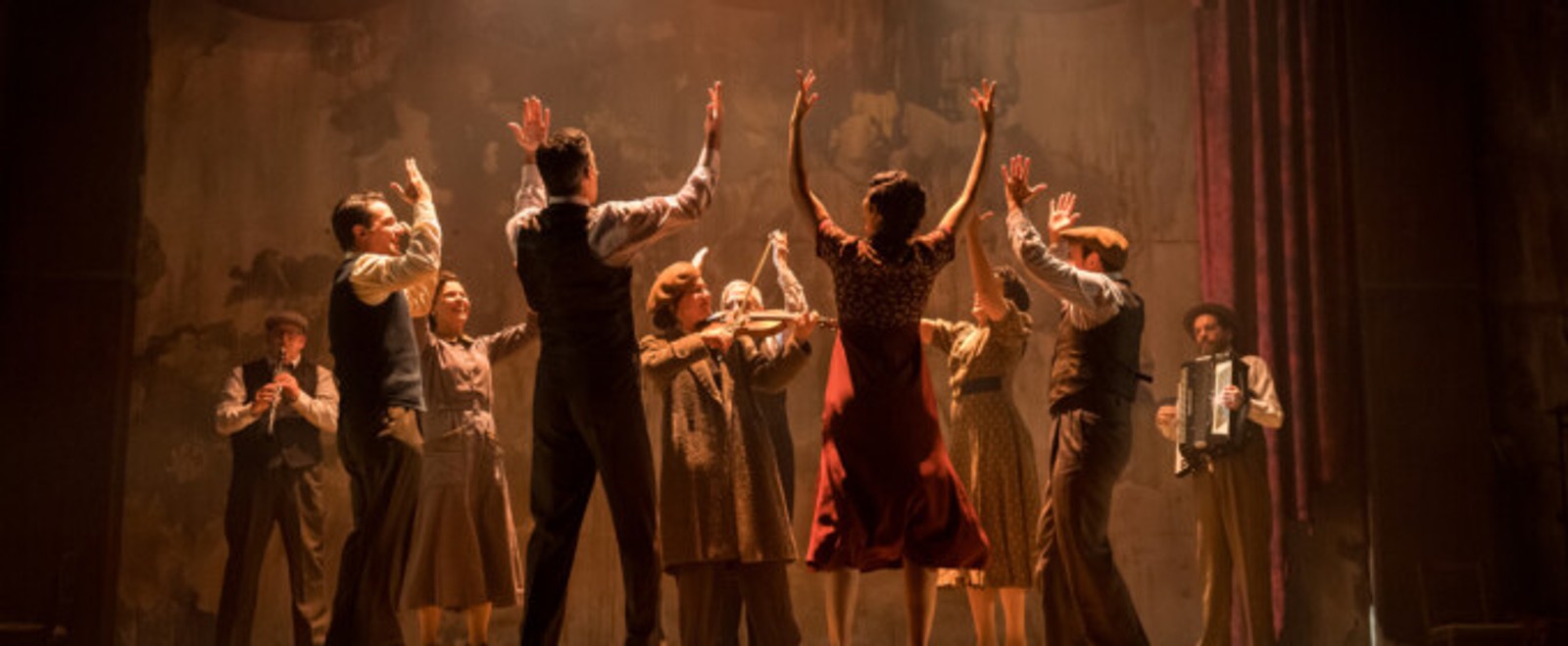
The creative team stayed so true to Cather’s novel that they even honored the memory and reflection storytelling within it by adding a frame story: the character Willa Cather, heartbroken in a bar, meets an old friend from home who--as audiences discover toward the end of the play--was a character of her own invention.
“We were intrigued by the ways in which Jim’s story sometimes mirrors her [Cather’s] own lived experience but sometimes doesn’t,” says Austrian. “How the creation of art can blend memory and imagination, and how the lie of fiction can sometimes be the best way to tell a truth.”
Ultimately, there were elements in the novel the team reluctantly had to leave behind in service of making the musical function as well as possible for audiences.
“We cut two songs and two scenes just during rehearsals at Latté Da,” Austrian admits. “Pavel’s tale of THE WOLVES, Grandmother teaching Ántonia in the kitchen, and Mrs. Shimerda dictating exactly where her husband will be buried. We also could have written an entire sequel musical about Tiny Soderball or Mr. and Mrs. Cutter.”
What the team chose to adapt, though, gave new insight into the characters and story of My Ántonia.
“It’s chock-full of iconoclastic women,” says Austrian. “Nearly every one of the female characters chooses to break the mold, to make decisions that suit her own needs and desires even if they fly in the face of what was expected of women at that time. This part of Cather’s project is so subtle that, even after numerous readings of the novel, we never noticed it. It was in bringing these characters to life and talking with the actors about their dreams, motivations, and choices that we began to see the depth of Cather’s brilliant, radical protest.”
“My Ántonia is a story about the resilience of a whole community, and it’s a story about how much two people can mean to each other,” adds Kilbane. “I hope Willa would see a great deal of her masterful novel here [in our adaptation], as well as how much love and attention we paid in making something brand new out of it.”
Despite making something brand new, the heart of My Ántonia remained evident in the adaptation: the story of America.
“America is full of millions of quiet heroes like Ántonia,” says Austrian. “[It’s] the person working for their family and neighbors, uncowed by struggle, who enables the community to function. These American heroes don’t have monuments built in their honor, and they don’t usually get musicals written about them. But they are certainly worth singing about, especially right now.”
Breaking Broadway alerts by text
Get the biggest stories sent straight to your phone.
Weekly top stories - unsubscribe anytime.
|
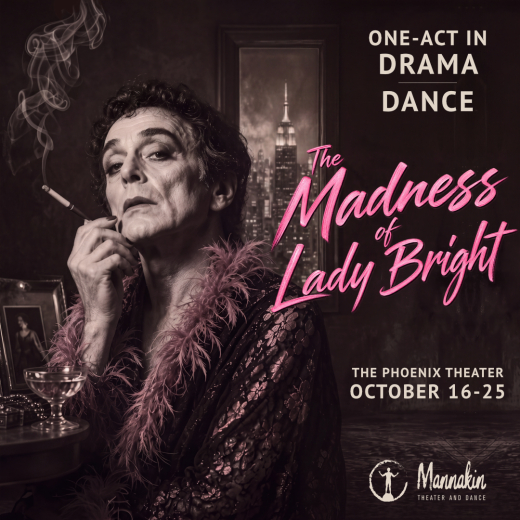
The Madness of Lady Bright The Phoenix Theater (10/16-10/25) |

|
As You Like It Hennepin Avenue United Methodist Church (10/22-10/25) |

|
Hollywood; Lights, Camera Dance Collide Theatrical Dance Company (10/15-10/25) |

|
As You Like It Playwrights' Center (10/29-11/01) |

|
Hamilton (Angelica Company) Orpheum Theatre Minneapolis (4/20-5/16) |

|
Roger Waters Presents LEGACY - A Pink Floyd Show Orhpeum Theatre (3/03-3/03) |

|
THE WIZ tya Stages Theatre Company (6/18-8/01) |
|
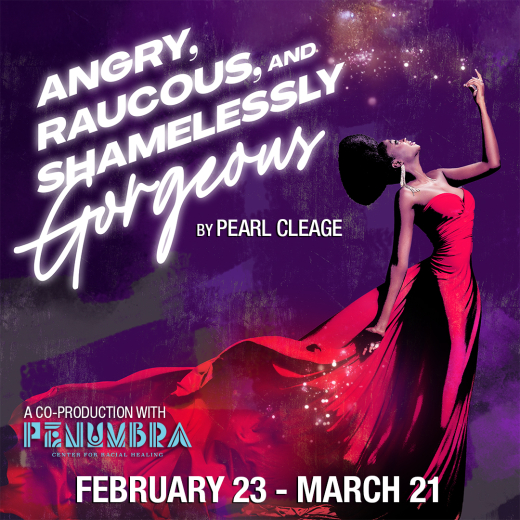
Angry, Raucous, and Shamelessly Gorgeous Yellow Tree Theatre (2/23-3/21) |
|
Three Houses by Dave Malloy Theatre Elision (10/22-11/07) |

|
PIVOT with Kara Swisher and Scott Galloway presented by beehiiv State Theatre (11/04-11/04) |
