


Interview: Jaelon "Majiggk" Harris On Taking On the Title Role in JESUS CHRIST SUPERSTAR at Market House Theatre
The multidisciplinary artist returns to the Paducah stage to portray Jesus in Market House Theatre's contemporary take on the iconic rock opera
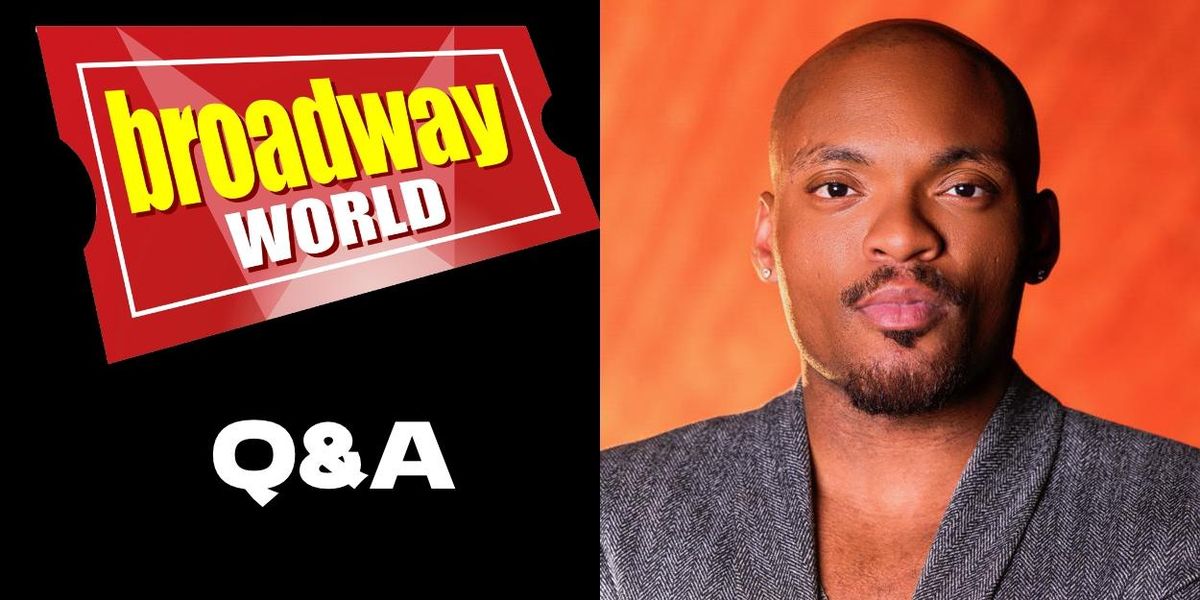
Market House Theatre is staging the iconic Tim Rice and Andrew Lloyd Webber rock opera JESUS CHRIST SUPERSTAR in a contemporary setting that draws deliberate parallels to today's societal climate, exploring the universal mechanics of power and how it is accumulated, wielded, and used to manipulate events and people. Told entirely through song, the score weaves together rock, soul, and gospel into one of the most celebrated works in musical theatre history.
Stepping into the title role is Jaelon "Majiggk" Harris, a multidisciplinary artist whose work spans music production, creative direction, and visual storytelling. No stranger to the Market House Theatre stage, Harris has previously appeared in SISTER ACT, SWEAT, THE CURIOUS INCIDENT OF THE DOG IN THE NIGHT-TIME, and RIOT: ASBURY PARK. His work is rooted in emotional honesty and bold creative expression, exploring identity, spirituality, culture, and human connection through a theatrical lens.
The production is directed by guest director Ron Ziegler, with scenic and lighting design by Tom Hansen and costume design by Davin Belt. Framed largely through Judas' perspective, this retelling grounds the story in earthly events: political maneuvering, crowd psychology, betrayal, and the cost of becoming a symbol larger than yourself.
BroadwayWorld spoke with Harris about portraying Jesus as a man rather than an icon, the inquiry-driven process he has brought to the rehearsal room, and what this production means for the Paducah community that has supported his artistic journey.
What does it mean to you personally to take on the role of Jesus in JESUS CHRIST SUPERSTAR, and how does your own relationship with spirituality and identity inform how you're approaching the character?
Taking on the incredible task of portraying Jesus in his final week of life is gut-wrenching yet extremely beautiful. In a spiritual context it highlights my beliefs on patience and understanding how we have a personal duty; that being contributing to the greater collective. Often times I think we dismiss the burden of seeking paths that aren't carved plainly in society. Leadership can be lonely, and to become Jesus for just about two hours and grapple with such a complex mission is for me: the most honest human approach I've yet to take.
This production frames the story largely through Judas' perspective and reframes Jesus as someone who becomes a symbol larger than himself. How has that framing changed or deepened the way you're playing the title role?
This frame changed how I wanted to portray Jesus as human rather than an untouchable symbol. Judas' POV shifts the narrative towards a man who slowly loses touch with himself, the movement he started, the powers that be, and the fear his trusted friend battles with. I leaned more into exhaustion, isolation, and doubt. And that is most noticeable in the Garden of Gethsemane. Judas' kiss symbolizes how much he loved Jesus, and how soft betrayal can be. It's interesting to ask the audience "what happens when followers, friends, and even enemies all create different versions of you all at once and you have to choose?"
You've described digging into the "why" behind every moment in this role. Can you walk us through what that inquiry-driven process looks like in the rehearsal room for a production like this?
Personally I declared quickly "I knew I didn't want to be so sure about my portrayal of Jesus." Why? I wanted to keep his interest pinging. Jesus shifts often in this show. The emotions, music and scenes happen so fast that it became a character study of marking the mental journey of Jesus. This is where rehearsal is the most beneficial for me. Because Jesus' relationships are so different, I'm always adjusting based on who's in front of me and what they need/want from me. I enjoyed working with the cast because we collectively developed with each other. It's like remembering to keep each moment curious and engaging. I spent rehearsals specifically identifying where he feels the most connected and where his symbol has become too large. In my opinion it's during The Temple. Why then has the weight of projection become much to bear for Jesus? He then has to make a decision. The moment I stopped focusing on playing an icon or purely divine and more so a man under immense pressure, the performance began to open naturally.
Since JESUS CHRIST SUPERSTAR is a rock opera with no spoken dialogue, how has that changed the way you communicate character and emotion compared to more traditional musical theatre formats?
Singing an entire show gives one nowhere to hide. In traditional musical formats, dialogue bridges the transition of emotions or explains the characters. The vocals, physicality, and silence all offer meaning in the storytelling. I moved according to a mixture of directorial blocking and instinctive honesty. I couldn't rely on speaking so this is where I learned to express intentionally through vocal scribing. When digging into the lyrics I found Jesus balancing intimacy and spectacle. The audience then internally understands through the vocal delivery the heart, the energy, and sometimes the tension in this production.
The production draws deliberate parallels to today's societal climate. What contemporary resonances have you personally connected with most strongly while developing this role?
With today's worldview being shaped largely by what we see via social media, news and trends, I've connected the through-lines of media "influencers", obsession, fear, and cancel culture. Society currently seems to recognize a need for change, yet when someone decides to spearhead a cause; we praise and support until the challenge lands on the front porch of comfortability. Many people find it trendy to rebel until the rebellion threatens the system they're invested in protecting.
How do you approach the physical and vocal demands of a rock opera score, and what has the rehearsal process been like in terms of balancing that with the emotional depth the role requires?
Taking lots of moments to stretch, rest and reset has been my gospel. Pairing coconut water with daily vocal exercises has become essential to hydrating and preparing for this demanding production. To keep my voice healthy I sing pretty light (for the most part) while rehearsing because I like saving it for a live audience. Considering the rock opera element of this show and the final week of Jesus, the emotional depth is naturally written in the score, so it has mainly been about figuring out how to emote and convey those moments of betrayal, trust, and duty to which I think it's about allowing Jesus to react with his body in real time. Figuring out how to use my body as vocal extension in rehearsal was and is new every time I'm on stage. I do my own choreographed gestures to block where the music director and I have composed a story in the music. This process keeps me grounded while performing.
Working with guest director Ron Ziegler, what has the collaborative process been like in terms of shaping your interpretation of Jesus within his vision for the production?
Working with Ron Ziegler has been a collaborative effort due to him creating an environment of exploration. Since rehearsals began, there has been a strong presence of digging beneath the surface of who Jesus can be instead of relying on traditional interpretation. But what I appreciate most is the trust Ron extended to the cast. This gave me a lot of freedom to create Jesus with a lot of nuance outside of his established symbolic iconography. Ron has a way of cultivating a clear vision whether it be via his early morning notes on the previous nights' rehearsal or him giving us weekend homework "seeking truth" during our rehearsal breaks. It has been a process that has been intellectually challenging yet so emotionally raw with such fast pacing.
What does it mean to you to be doing this production at Market House Theatre in Paducah, and what do you hope this show represents for the community that has supported you?
Doing this production of JESUS CHRIST SUPERSTAR at Market House Theatre is meaningful because the community has been part of my journey as an artist and person. To be trusted with the role of Jesus Christ is very humbling and I'm grateful. I hope this production encourages truthful conversations. The show deals with power, identity, fear, compassion and symbolic influence. All of which are timely subjects of discussion and what better medium to explore that than live theater? Most importantly I want this show to remind people how powerful the arts are. Holding space is what theatre does. It shows us how enriching it is to be in a shared space where those of many backgrounds can learn from one another if they suspend their disbelief.
Sign up for all the news on the Fall season, discounts & more...
|
Misery Derby Dinner Playhouse (9/30-11/08) |
|
CARRIE: THE MUSICAL The Carnegie (10/23-11/01) |
|
Come From Away Clarksville Little Theatre (4/02-4/11) |
|
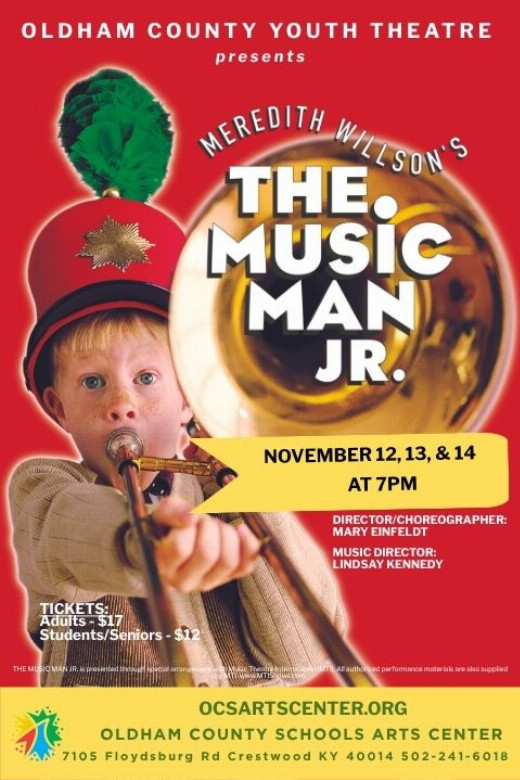
The Music Man, Jr. Oldham County Youth Theatre (11/12-11/14) |

|
A Christmas Carol Woodford Theatre (12/04-12/20) |

|
97.5 WAMZ Acoustic Jam Louisville Palace (12/09-12/09) |
|
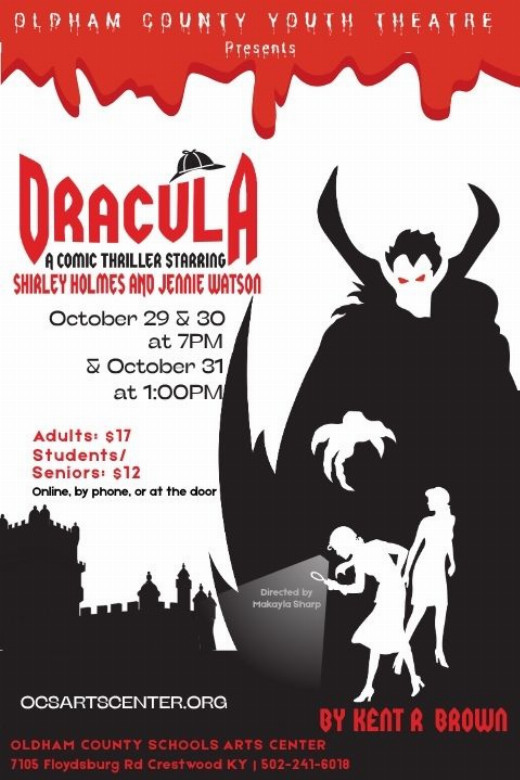
Dracula: A Comic Thriller Starring Shirley Holmes & Jennie Watson Oldham County Youth Theatre (10/29-10/31) |

|
The Best Gift: A Christmas Carol Musical SKYPAC (12/05-12/06) |
|
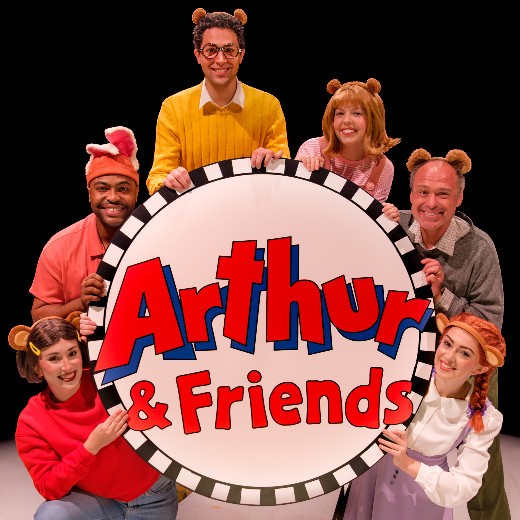
ARTHUR & FRIENDS MAKE A MUSICAL Derby Dinner Playhouse (10/03-11/07) PHOTOS |
|
Charlie and the Chocolate Factory Clarksville Little Theatre (6/04-6/13) |
