


Review: Nothing to Protest in SUFFS
The Tony Award-winning musical runs through March 29 at the Emerson Colonial Theatre
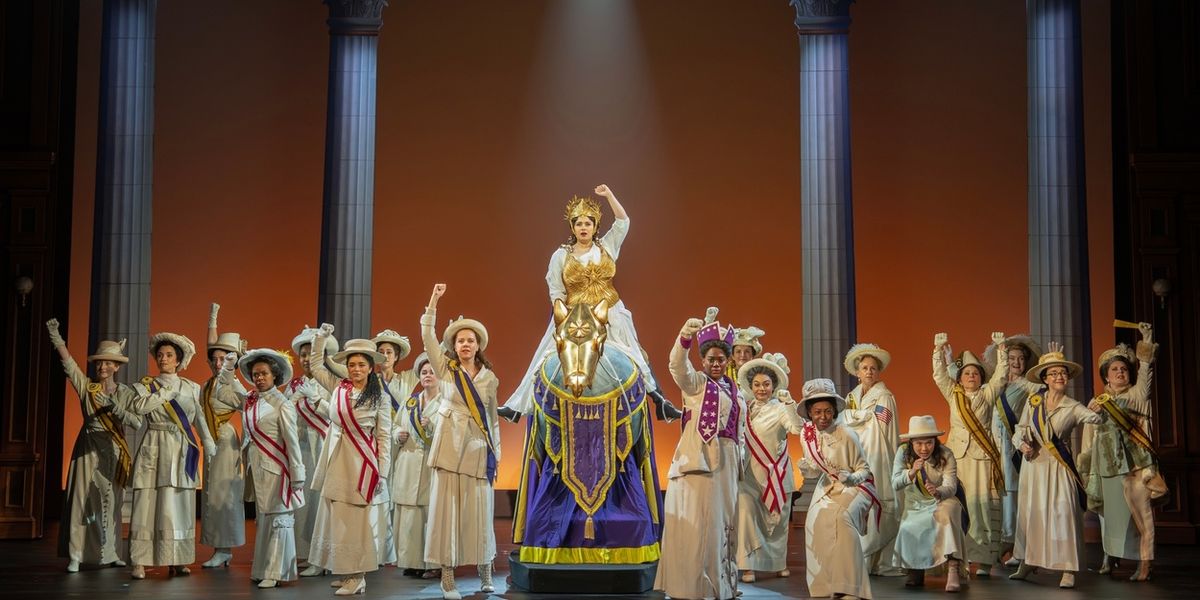
When theatergoers exiting the Emerson Colonial Theatre one recent night – following a performance of the Tony Award-winning musical “Suffs,” being presented by Broadway in Boston at the Emerson Colonial Theatre through March 29 – were met outside by a peaceful group of leafletting women’s-rights advocates, it felt like an appropriate encore to the powerful message of the tremendously entertaining show.
The musical – created by actor, singer, and composer Shaina Taub, the first woman to win solo Tony awards for Best Book and Best Score in the same season, while also starring in her own work – is primarily focused on the suffragists of the women’s suffrage movement in the era leading up to the ratification of the 19th Amendment in 1920, which gave women the right to vote. After premiering off-Broadway at The Public Theater four years ago, it opened on Broadway at the Music Box Theatre on April 18, 2024.
If “Suffs” sounds like a history lesson set to music, it is, but like “1776,” “Come from Away,” “Ragtime,” and, of course, “Hamilton,” that can be a very good thing. Indeed, this latest offering in that lexicon of musicals is a well-crafted look at the long struggle for women’s equality that began with Elizabeth Cady Stanton, the primary organizer of the 1848 Seneca Falls Convention whose demand for women’s right to vote became a key focus of the women’s movement.
As “Suffs” opens, it’s 1913 and suffrage leader Carrie Chapman Catt (Marya Grandy) is giving the keynote address (“Let Mother Vote”) at the National American Women Suffrage Association (NAWSA). Dispirited by what she sees as NAWSA’s too-slow pace, the younger activist Alice Paul proposes a march on Washington, D.C., on the day before the inauguration of Woodrow Wilson as president. Carrie disagrees, wanting instead to continue to work to gain suffrage state-by-state. Chomping at the bit, Alice decides to amp things up so that equality for all can finally be achieved (“Finish the Fight”).
In “Wait My Turn,” that “all” is challenged by respected Black journalist Ida B. Wells (Danyel Fulton), who strongly objects to Alice’s capitulation to the Southern delegation’s demand that black women be blocked from the march. Wells disagrees with her friend and fellow activist Mary Church Terrell (Trisha Jeffrey), who is accompanied by her daughter Phyllis Terrell (Victoria Pekel), about what it will take to gain racial equality. When the time comes, however, they march together to raise black voices (“Terrell’s Theme”) – something the musical itself does only to a certain degree.
The clash between the suffragist old guard and the younger, more in-your-face feminists gives the show its strength and power by demonstrating the friction between those who take traditional pathways to change, including White House meetings, and those who opt for a more radical approach that includes protest marches, and sometimes results in harsh incarcerations.
Director Leigh Silverman makes full use of her gifted all-female cast, with women playing the men’s roles, like Jenny Ashman as the squirrely and self-serving President Woodrow Wilson, and Brandi Porter as the earnest Dudley Malone, an aide to Wilson who ultimately decides to do right by the women, especially after becoming besotted with bespectacled writer Doris Stevens (Livvy Marcus). The pairing of Dudley and Doris gives the show some much-needed tender moments.
While Taub’s sweeping score, coupled with Mayte Natalio’s impressive all-cast choreography, moves the story in broad, beautiful strokes, quieter moments also play a role in what makes this show great. One such moment is in act two when the 19th Amendment comes down to a single vote from Tennessee Senator Harry T. Burn (Jenna Lea Rosen), a Republican who changes his vote to yes after receiving a last-minute telegram from his mother, Phoebe (Laura Stracko), telling him that she blames Wilson for her husband’s death in World War I but didn’t have a legal right to vote against him (“A Letter from Harry’s Mother”).
The most emotional impact in the story comes from Monica Tulia Ramirez as Inez Milholland, a leading suffragist and peace activist, who died of pernicious anemia at age 30. Milholland famously led the Woman Suffrage Procession on horseback in advance of Wilson’s inaugural parade. In that scene, Milholland towers above her fellow suffragists and the strong-voiced Ramirez does the same with the impactful act-one closer, “How Long (Must Women Wait)?” The gut punch of her death continues to be felt by all who knew her, with a large-format photograph of Milholland astride the horse placed above Alice’s desk.
Keleher, Grandy, Ramirez, the other leads, and indeed the entire ensemble blend marvelously on Taub’s some 30 musical numbers, which pour out from moment one, with not a false note uttered along the way. Among the cast’s many standouts are the versatile Stracko who does double duty as Phoebe Burn, the Tennessee mother grieving her husband, and as Alva Belmont, a fur-swathed socialite and financial supporter with a richly layered backstory.
Also doing fine character work are Gwynne Wood as Lucy Burns, Alice’s longtime friend, and Joyce Meimei Zheng as Ruza Wenclawska, the spunky Polish American activist.
Costume Designer Paul Tazewell’s array of tailored white suits and dresses stylishly conveys the solidarity of the early suffragists, while Christine Peters’s scenic design for the tour is enhanced by Lap Chichu’s mood-setting lighting design.
Whether the participants are young, old, or somewhere in between, fashionably dressed or casually clad, protests matter and people who stand up for their beliefs matter, as much now as they always have, if not more. With that in mind, march on down to the Colonial and don’t miss “Suffs.”
Photo caption: Monica Tulia Ramirez (Inez Milholland) and the First National Touring Company of “Suffs,” now at Boston’s Emerson Colonial Theatre. Photo by Joan Marcus, 2025.
Sign up for all the news on the Summer season, discounts & more...
|
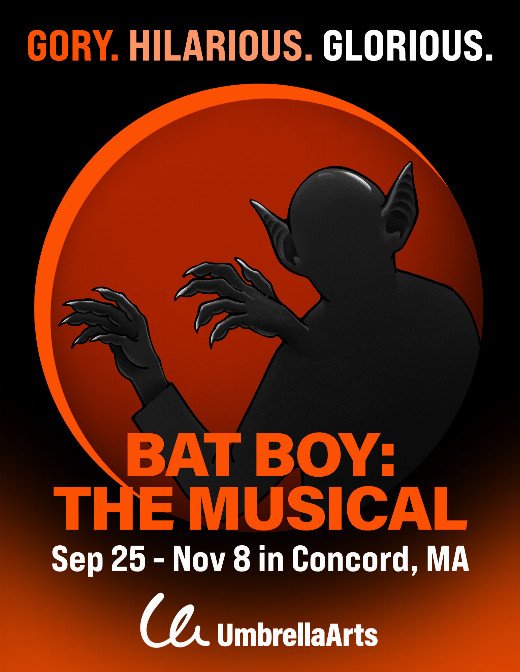
Bat Boy: The Musical Umbrella Arts (9/25-11/08) |
|
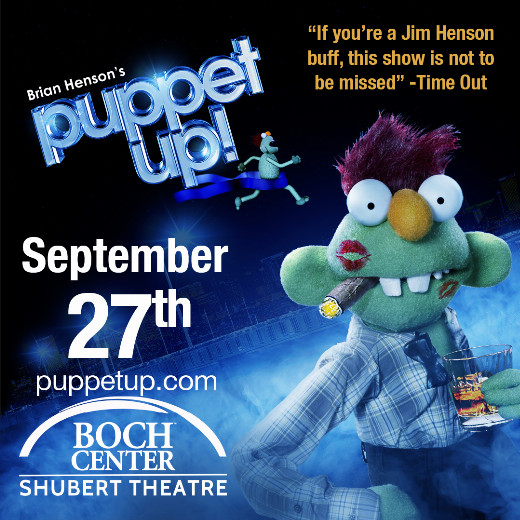
Brian Henson's Puppet Up! Boch Center Shubert Theatre (9/27-9/27) |
|
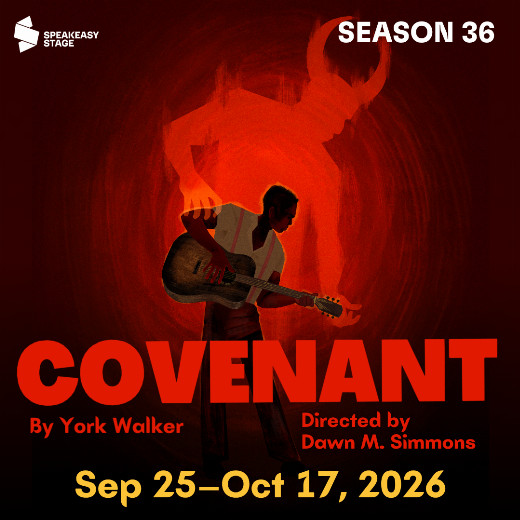
Covenant SpeakEasy Stage Company (9/25-10/17) |
|
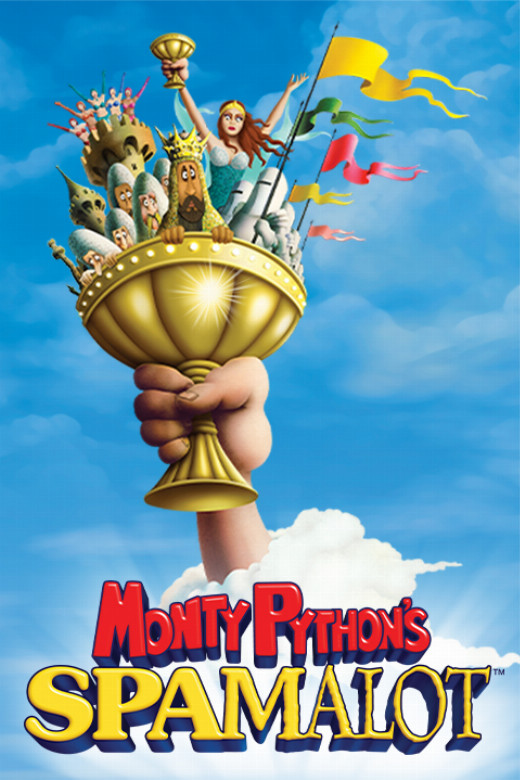
Monty Python's SPAMALOT Boch Center Wang Theatre (10/06-10/11) |
|
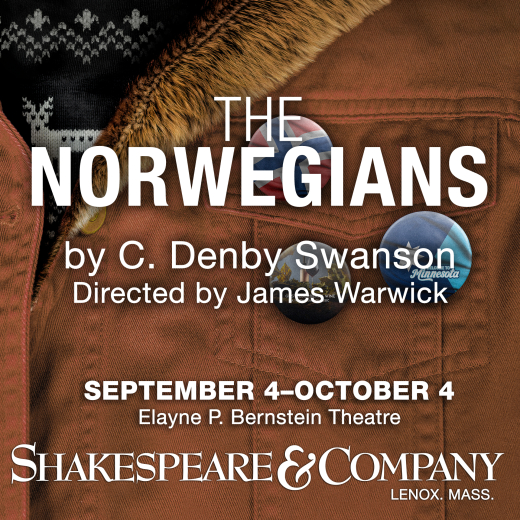
The Norwegians Elayne P. Bernstein Theatre (9/04-10/04) |

|
An evening with LaChanze Berklee Performance Center (11/01-11/01) |
|
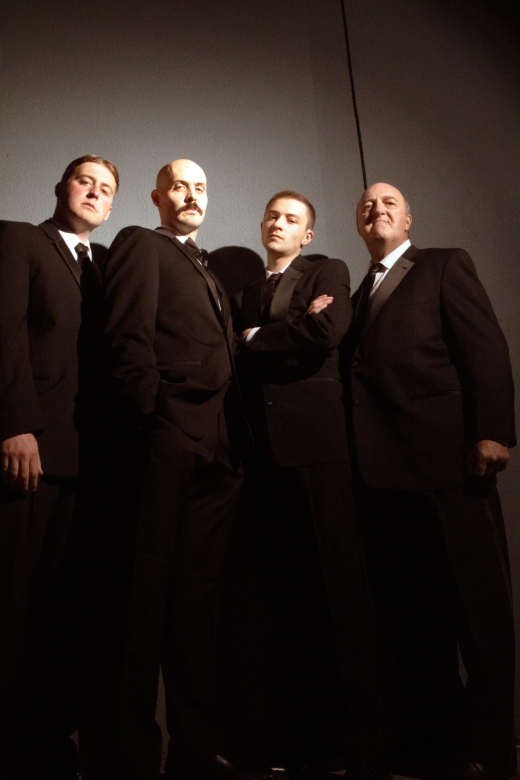
BOUNCERS by John Godber The Modern Theatre (10/01-10/24) |
|
This Is Your Song: The Elton John Songbook Norton Singers (10/02-10/03) |
|
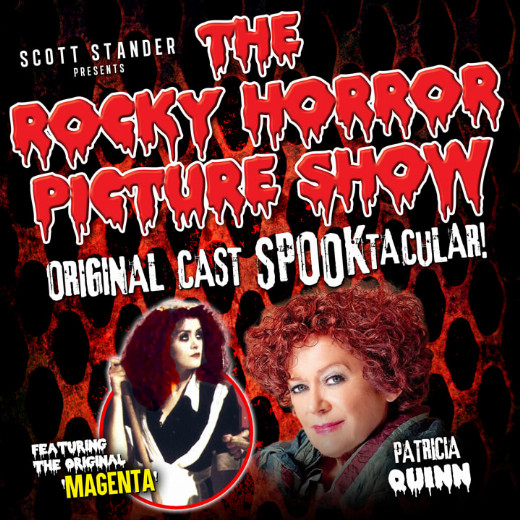
The Rocky Horror Picture Show Spooktacular Tour with Patricia Quinn Emerson Colonial Theatre (10/27-10/27) |
|
The Carpenters Songbook Emerson Colonial Theatre (10/07-10/07) |

Reader Reviews
To post a comment, you must register and login.