


Review: THE FIRE RAISERS at The Hidden Room
Avoidance is the spark that burns everything down, playing through April 19, 2026
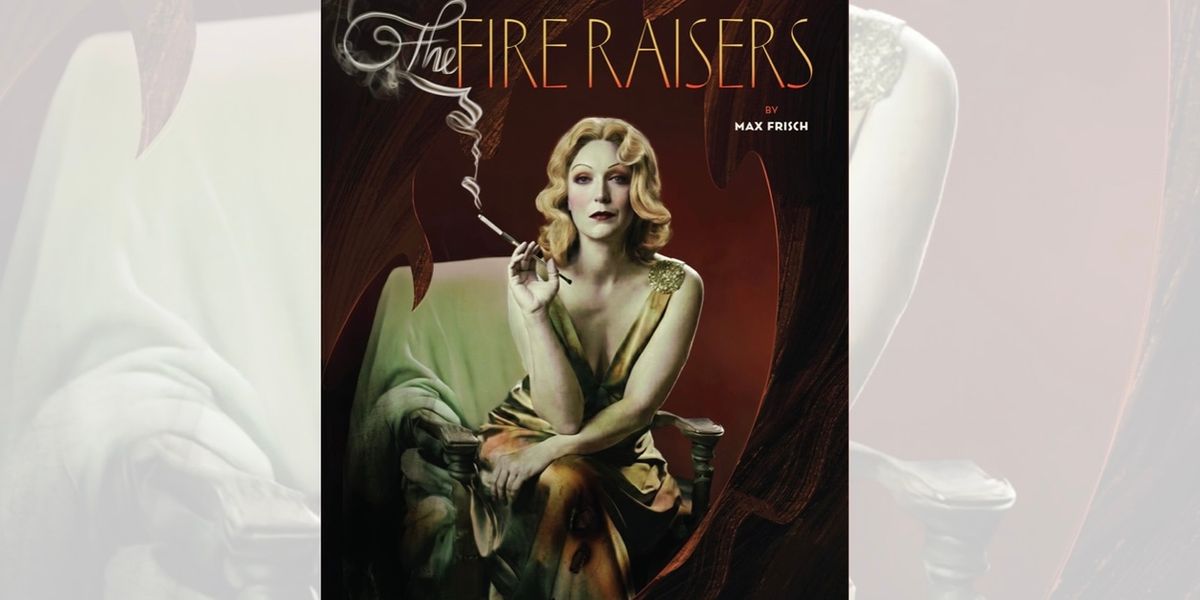
You don’t walk into The Hidden Room. You climb up to it. It is an experience.
The elevator doors close, and by the time they open again, the air has already shifted. We are somewhere between post-war Europe and an uneasy 2026 America. The line refuses to settle. That’s the point. The space is dim, suggestive, just dangerous enough to feel intentional. A one-man band, Michael Ferstenfeld, pulses in the corner like a heartbeat you didn’t realise you were following. The pre-show doesn’t ease you in. It pulls you under. Quietly. Completely.
And then we begin.
The Fire Raisers by Max Frisch is a dark satire about Gottlieb Biedermann, a respectable man who invites two strangers into his home while ignoring every obvious sign that they are arsonists preparing to burn the city. They do not hide it. They bring petrol, speak openly about destruction, and move without disguise. A chorus of observers repeatedly signals what is coming, but Biedermann refuses to act. He chooses politeness, comfort, and self-preservation until the fire arrives as the only possible outcome.
Under the precise direction of Beth Burns, the production stays stripped, controlled, and exact. Nothing is inflated. Everything builds pressure rather than volume.
The humor sits in sharp satire buried in the subtext, which is very much my kind of humor. If you catch it, it stings. If you don’t, it passes as ordinary conversation, sliding quietly toward disaster.
Tobie Minor’s Joe Schmitz owns the room instantly. Disarming in a way that almost feels careless, loose in the body, open in the face, impossible not to like. Trust forms before judgement has time to catch up, and suspicion starts to feel like a social error rather than instinct.
Joseph Garlock’s Willi Eisenring is the opposite kind of presence. No disguise, no ambiguity. Everything is stated plainly, which somehow makes it more unsettling, not less. There is nowhere to misread him, and that clarity removes any distance between intention and consequence.
At the centre, Robert Matney’s Biedermann is not deceived so much as committed. He sees what is in front of him and keeps rewriting it until it becomes tolerable. That is his collapse, not ignorance but adaptation.
The ensemble moves with striking precision, eight actors sharing space with a physical language that feels exact and alive. The staging is lean and deliberate. Doors appear without being built, weight is created out of nothing. Every movement serves the story without calling attention to itself. Above it all, the Greek chorus threads in and out like a low warning, dry, observant, quietly ominous, reminding us of what we already know but would rather ignore.
What makes the production land now is how familiar its logic feels. Frisch is not writing about people who cannot see danger. He is writing about people who refuse to interrupt it.
That is where it connects directly to the present. We live in a world where truth is visible but constantly negotiated away. Not because it is hidden, but because it is inconvenient. It demands action, so it is softened. It demands cost, so it is delayed. Power decides what counts as reality, and everything else becomes background noise.
Yes, the fire eventually comes. But destruction does not resolve anything. Consequence does not behave as expected. The logic of punishment itself tilts.
Cause and effect would be simple. This refuses simple. At judgement, nothing aligns cleanly. Heaven absorbs almost everyone. The wealthy find their way in. God is absent. Hell is left with what remains: the ordinary, the complicit, the ones who did not matter enough to be noticed. Even Hell is no longer functioning as it should. It stalls. It refuses. It goes on strike.
It begins almost as satire. Then it turns uneasy. Because the idea is no longer about punishment, but about collapse of moral structure itself. Even the afterlife feels uneven, negotiated, distorted by status and access. There is no balance left to rely on.
Timely or timeless? It is both. That’s the point.
You step back into the elevator a little quieter, a little sharper.
And somewhere, just beneath the surface, a fire is still burning.
Cast: Joseph Garlock, Kelly Hasandras, Chandler Krison, Robert Matney, T. Lynn Mikeska, Tobie Minor, Justin Scalise, and Amelia Turner, with live music by Michael Ferstenfeld.
Duration: A little under 2 hours, including a 10 min intermission
_adj.jpg?format=auto&width=800)
The Fire Raisers
The Hidden Room
PC: Jose Lozano
The Fire Raisers
Written by Max Frisch
Directed by Beth Burns
Now playing through April 19th, 2026
Wednesdays through Saturdays at 8:00 PM
Sundays at 5:00 PM
The Hidden Room
311 W. 7th Street
3rd floor, York Rite Masonic Temple
Austin, TX, 78701
Sign up for all the news on the Fall season, discounts & more...
|
The Miraculous Journey of Edward Tulane Oscar G. Brockett Theatre (10/08-10/18) |
|
The Visit B. Iden Payne (10/29-11/08) |

|
ALL MY SONS by Arthur Miller The Filigree Theatre @ Ground Floor Theatre (10/30-11/14) |
|
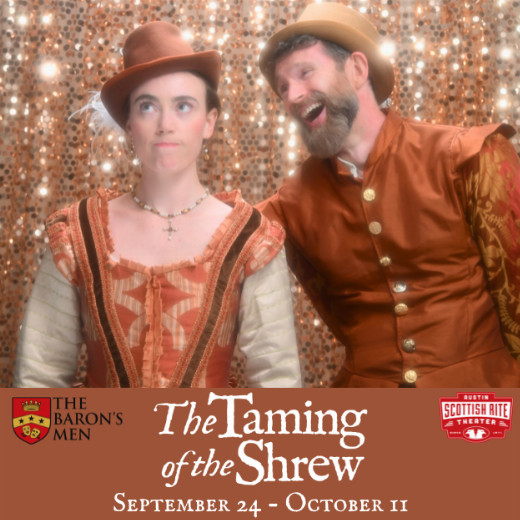
The Taming of the Shrew Scottish Rite Theater (9/24-10/11) |
|
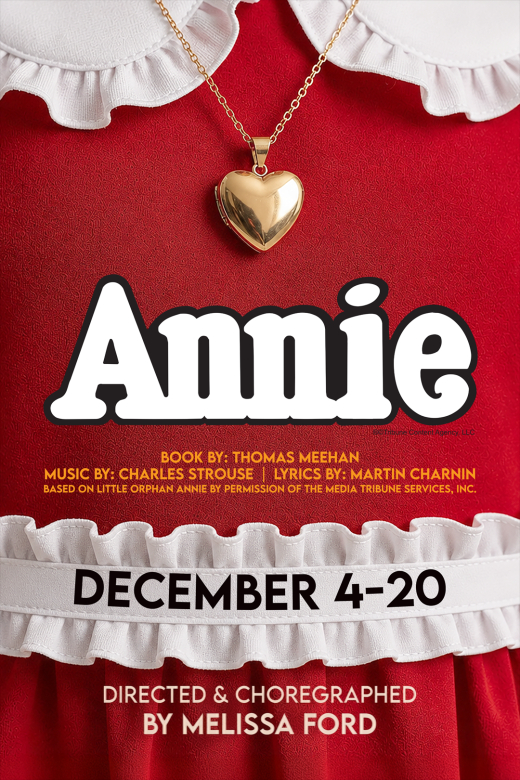
Annie BASTROP OPERA HOUSE (12/04-12/20) |
|
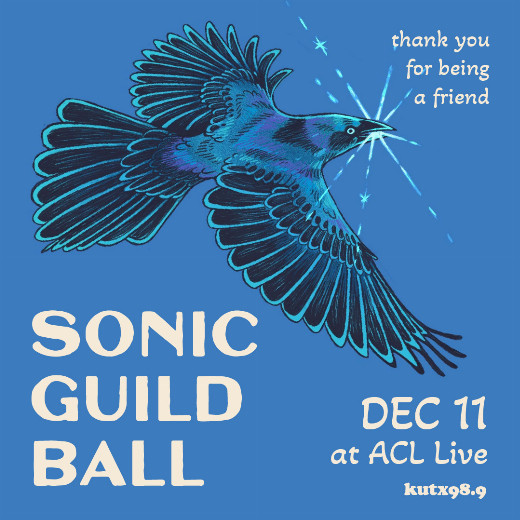
2026 Sonic Guild Ball ACL Live at the Moody Theater (12/11-12/11) |
|
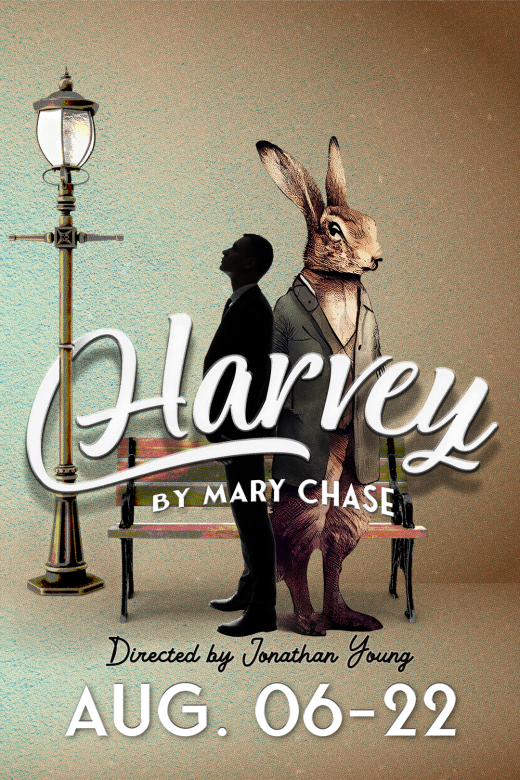
Harvey BASTROP OPERA HOUSE (8/06-8/22) |
|
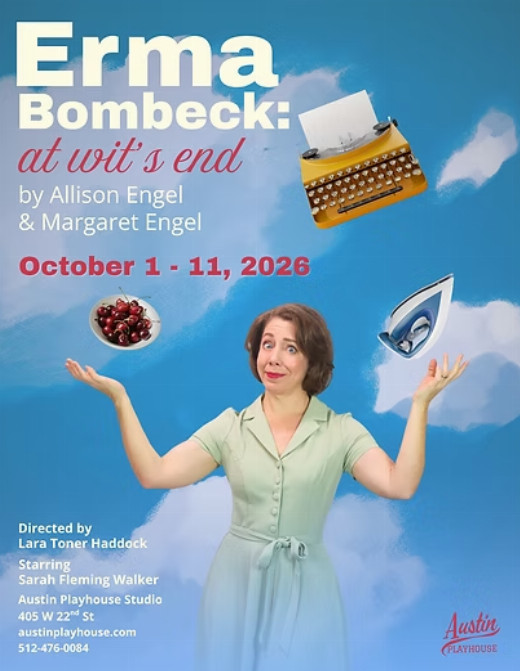
Erma Bombeck: At Wit's End Austin Playhouse Studio Stage (10/01-10/11) |

|
A Wonderful Life Georgetown Palace Theatre (11/27-12/30) |

|
Starkitect’s “Post Peak Power Pop!” Album Release Show + Musical Premiere The Still Austin Quarter (10/22-10/22) |

Reader Reviews
To post a comment, you must register and login.