


Review: THE NOTEBOOK: THE MUSICAL at Dr. Phillips Center For The Performing Arts
The Notebook doesn’t set out to redefine the musical genre, but remains content in offering a built-in audience everything they already expected of it: a love story, familiar if clichéd, that openly wears its heart on its sleeve.
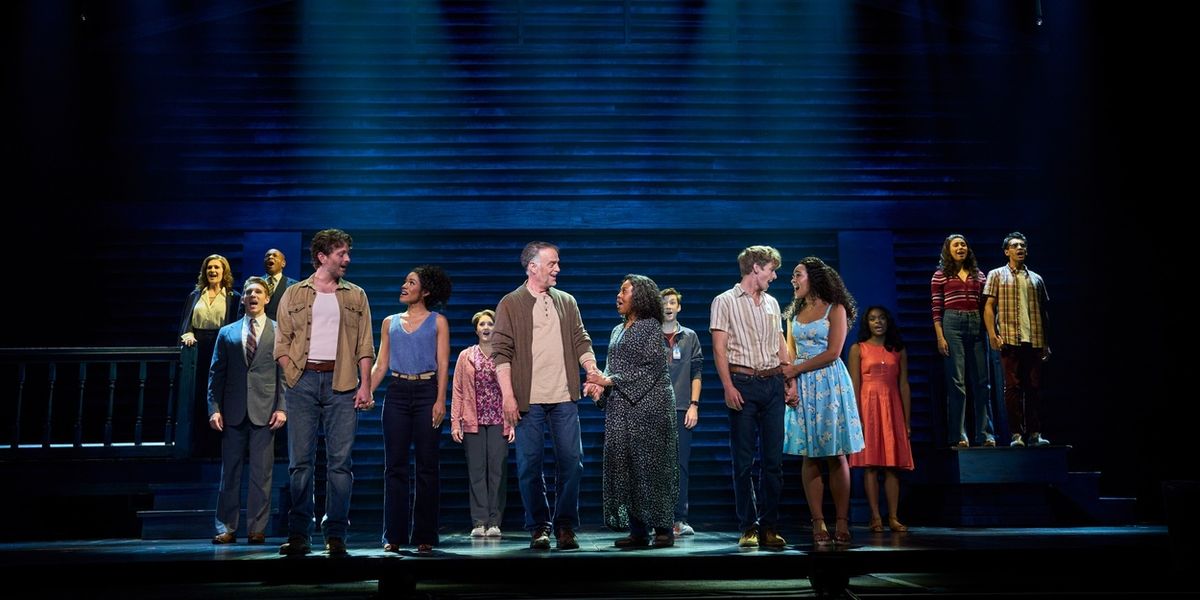
Nicholas Sparks’ debut novel The Notebook became a surprise, runaway hit in 1996, ending up on the New York Times Best Seller list for well over a year. Its success led to Sparks switching careers to write full-time, penning twenty-three additional novels over the last thirty years. But The Notebook will likely always be his best-known work, having been adapted into a now-classic feature film in 2004, followed by a Broadway musical adaptation twenty years later. This 2024 musical saw the familiar love story of Noah and Allie now brought to life through the music of singer-songwriter Ingrid Michaelson, best known for her folk-pop sound and continued musical contributions to the long-running ABC television series “Grey’s Anatomy,” which has featured over fifteen songs of hers since 2005.
As a novel, The Notebook clearly reads as a first-time-work by its author. It doesn’t have as easy a flow as the more straightforward teen romance A Walk to Remember, but it’s thankfully not as self-aware of its formula that later Sparks novels, such as The Best of Me, would become. Still, it’s endured for thirty years largely because it’s Sparks’ first and best-known book, even if some elements of it have not aged as well over the years. Some of its narrative misfires would be even more prominent in the 2004 film adaptation, which – despite its continued popularity – tends to garner more critical attention in revisitation. The impulsive nature of Noah and Allie’s teenage relationship, the unfair treatment of Lon by Allie, the re-framing of the story as a choice between two men. Plenty of detractors to the film are eager to point out its deficiencies, as if criticizing a fictional love story becomes virtue signalling of their own relationship success. (“At least I didn’t have to cheat on my fiancée to be with the love of my life!” I can already imagine someone yelling into the Aether.) Yet there’s still an undeniable magic to this story, which clearly has found an appreciative audience to keep the film popular enough to merit a musical adaptation in the first place.
Personally speaking, even after viewing the 2024 musical and loving a lot of its new approaches to the story, the 2004 film is still my preferred version of this story. That largely stems from my familiarity with it over the other two works. I was 20 when I first saw the film, so at the right age to still be optimistically naïve about love stories. Even if there are elements to Noah and Allie’s romance that don’t sit well with me today, I still can’t help but enjoy watching their teenage, then young adult, selves figure out just how madly in love they are with each other. It’s a romance between two people that – had they been sensible and simply moved on – transcends some criticism simply because the electricity between their performers (Ryan Gosling and Rachel McAdams) makes the audience still want to root for them to get together in spite of all common sense that suggests they shouldn’t. For that reason, the film remains a favorite, mostly because it also just speaks to a younger version of myself that believed love, true love, could be this tempestuous, this volatile, and this justified in their ultimate actions.
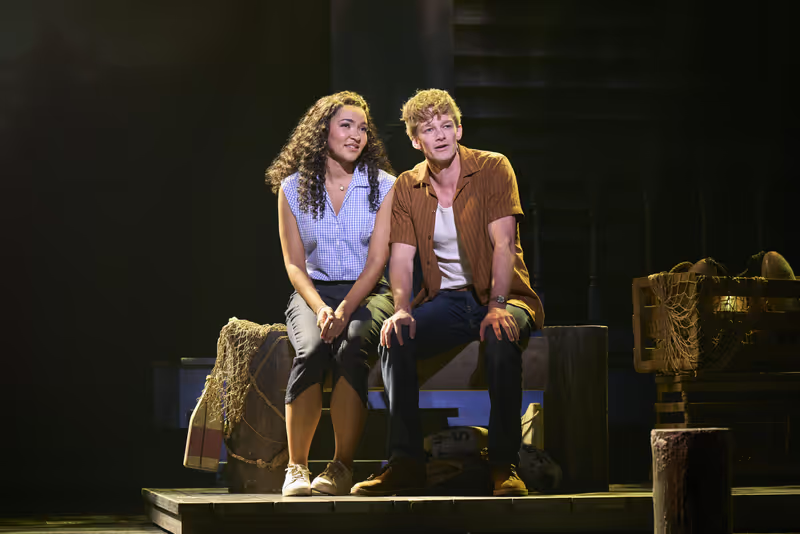
However, as mentioned before, the stage production does make a lot of strides that strengthens the endurance and popularity of this love story. It repeats iconic moments from the popular 2004 film, but isn’t aping the original screenplay in any way. A new libretto offers a fresh take that borrows the basic structure of the novel and memorable film moments, whilst breathing in new voices and new scenes that add different layers to these familiar characters. Rather than move chronologically across time within the framing device of an older Noah reading to Older Allie, the story now shifts broadly across all three eras of their relationship: Younger, Middle, and Older. This not only includes the expected flashbacks where we understand Older Noah is reading to Older Allie, but also genuine scenes that take place within those time periods that may not be covered in the proverbial Notebook. It’s rather clever how the shifting narrative works to provide thematic connections between the scenes, along with a way to show that even in the present or future, our past is always with us. As a result, I do consider the stage depiction of The Notebook to be the most superior version of telling this particular story, mostly because it isn’t as clunky to read as the novel, and recontextualizes the memorable movie moments to now hold more emotional weight for an audience.
Dipping into the narrative well a third time does mean we have to – again, for those narrative purposes – shift the timeline slightly from Youngers Noah and Allie in a World War II era to their teenage selves now romancing amidst the latter days of the Vietnam War. To Allie’s credit, it does give her character slightly more agency than her pre-feminism, 1940s rendition that had fewer options in personal choice than she does in the stage musical. However, regardless if one reads the novel, watches the film, or experiences the musical, the one commonality each version of this story has is its treatment of Allie as the most important character.
Truthfully, Allie has always fascinated me as a character. She comes from a world of privilege, but also one with very few personal freedoms herself. In the era she lives in (book, movie, or musical), women - even women of a higher class - simply could not pick and choose their life on a whim the way a man could. They knew that of the few choices they had, the choice of marriage was the one that could offer them the security to make other choices later. And yet, Allie is willing to throw that choice away. She is willing to make choices to compromise her future and her prospects because of what she believes in. What she wants. She's also a naive 17 year old, which does explain why she thinks she can make these choices. But, even so, when she does reach a later age that now comes with experience, responsibility, and accountability for actions, she still chooses to make the decision that she wants.
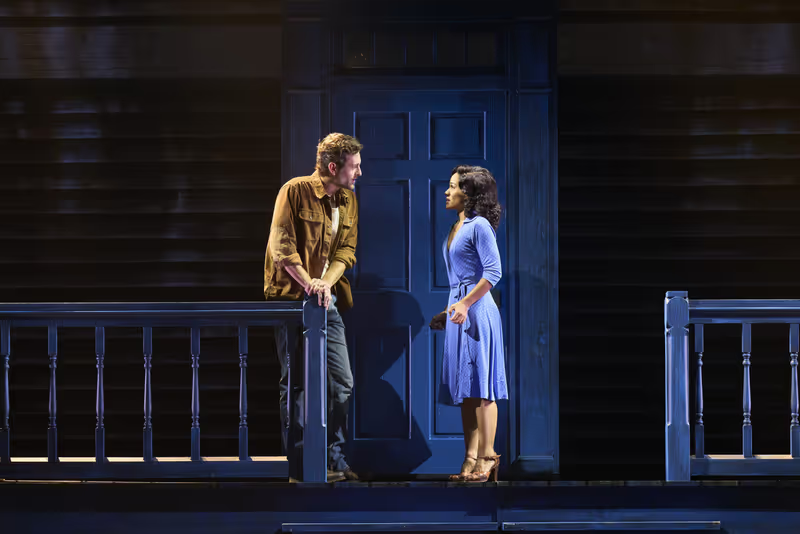
One could make a surface level reading of this by simply reducing every version of The Notebook into a Hallmark movie of the week where a girl must pick between two romantic suitors. Even if that is how the 2004 film frames the narrative’s climax, the novel and the musical never strive to let the dramatic hook be “Will she choose Noah or Lon?”. Inevitably, she will always choose Noah. And time and again, throughout the story, we see how virtually everything in her world is telling her not to make that choice for herself. To let others influence her decision. To let circumstances like class or wealth be the deciding factor. And to guilt her into a decision based on how it affects others. Yet, ultimately, she finally allows herself the privilege of choice that everyone else have tried to take away from her.
She is choosing who she will love. She is choosing the life she will lead. She is choosing the future she sees. By the end, when the brain is now betraying her and the lived experiences become shadows of the past, she chooses what story to tell. What memories she wants to keep. What version of her life is the version that brings her back. The Notebook isn't just a love story about a girl torn between two lovers. It's a story of survival, of being bold and brave in an era where one wasn't expected to be, of risking an entire lifetime that trained and groomed you for the same expected way of life, all because the impact of making a choice for yourself outweighed everything else that life has given you. The Notebook is Allie looking back at her choice and justifying it, decades later. This was her story, and these are her words.
And, my God, it's a beautiful story. The musical rendition of this story leans more into the aspect of Alzheimer’s and memory loss more than the 2004 film, which does bring it closer to its own book roots. Honestly, it does strengthen the story as a result. The dramatic tension for the musical now lies in the hope of when Allie will remember who she is. Even if we see it coming from a mile away – it is following the structure of the book and film, after all – we’re still in tears at that realization. That is largely because the musical, in its own way of revisiting what makes The Notebook so popular, chooses to look not just at the idealistic love of youth and the revisited love of young adulthood, but the earned love that followed in the years later. The musical makes sure that the audience sees the consequences of Allie’s choice across time by letting us truly get to know the Older versions of these characters.
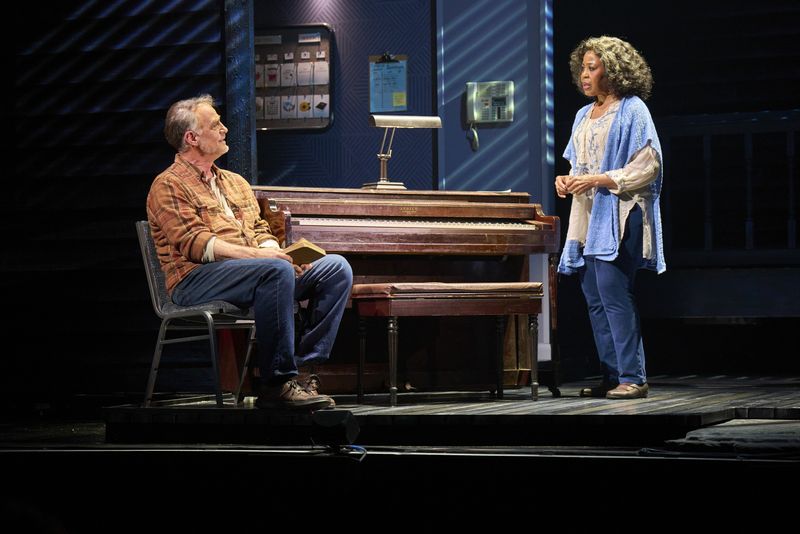
Also, let’s be honest here, a musical like The Notebook already knows its audience. It knows that the majority of theatregoers already knew this story because of the film or the book. It knows how enduring that film was, but also knows not to merely spoon-feed it to them with little change. And so, it respects its audience – one that knows and expects a particular outcome for these characters – and asks them to now consider a new way to tell this familiar story. To spend as much time watching them yearn as seeing them argue as seeing them remember. To twist the knife a little bit further at moments of panic or heartbreak or betrayal. The Notebook doesn’t set out to redefine the musical genre, but remains content in offering a built-in audience everything they already expected of it: a love story, familiar if clichéd, that openly wears its heart on its sleeve. It does so without pretention, without ever looking down on its audience for enjoying it. And for newcomers in the crowd, The Notebook invites them to see what everyone else has already loved for years.
Critics of the material may deign to reduce it as sentimental sop, positioning themselves above such content by intentionally not enjoying it. By trying to find the various ways the story is not original, or the characters not acting sensibly. (No one acts sensibly when they’re in love, but I digress.) Yet, they’re the ones missing out because sometimes, a musical can succeed by delivering exactly what it promises. The Notebook promises a three-hankie emotional journey if one is willing to let them tell the story. And it delivers on that in flying colors.
Unfortunately, even though an old-fashioned love story like The Notebook has endured for audiences since 1996, the Broadway version ran for the bulk of 2024 before closing late that year, ten days before Christmas. Fortunately, a touring production began last fall, allowing audiences across the nation to see what New York critics and audiences saw and bid adieu within a swift nine months of performances. Its cast follow valiantly in the footsteps of the Broadway company of players, ensuring that the audience falls in love with every stage of Noah and Allie’s life by maintaining consistency among each other.
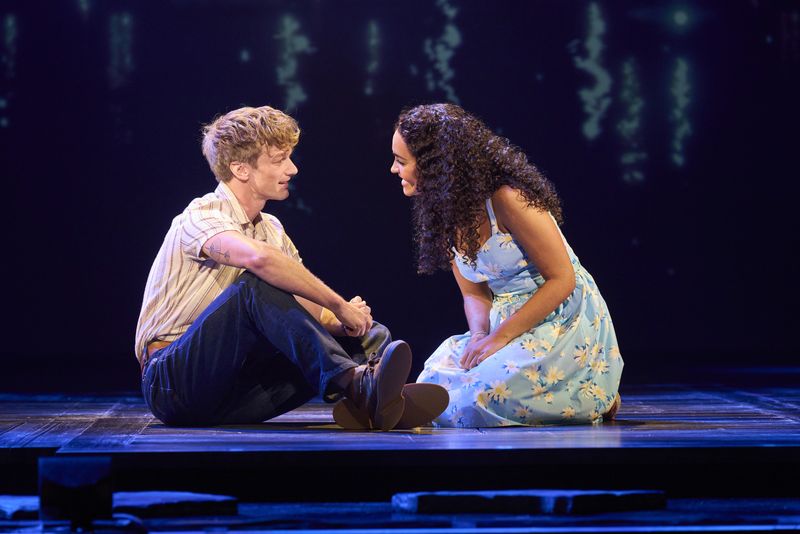
A total of six actors are used to portray Younger, Middle, and Older versions of both Noah and Allie. For a casting director, it means ensuring that these performers all share a likeness that immediately can be read as the same person at different stages in life: impulsive teenagers, sensible young adults, and weary elders. The touring production of Noah Calhoun is brought to life through Kyle Mangold (Younger), Ken Wulf Clark (Middle), and Beau Gravitte (Older; understudy Aaron Ramey portrayed the character on Media Night). All three versions of Allie Nelson is portrayed by Chloë Cheers (Younger), Alysha Deslorieux (Middle), and Sharon Catherine Brown (Older). It’s hard to pick a favorite among this sextet, as each one brings something unique to their portrayal of the same characters. Kyle Mangold has the face of Andrew Garfield matched with the pipes of Jack Torrey (of The Cactus Blossoms), yet he still believably evolves into Ken Wulf Clark’s more gruff Noah, whose “Leave the Light On” serves as the standout number for the character, while Aaron Ramey’s more weathered, contemplative Noah makes us realize all three are one and the same by the time we get to Act Two’s “Iron in the Fridge.”
Among the Allies, I’m not ashamed to say it, but Alyson Deslorieux delivered the strongest vocals among the trio. It’s slightly unfair to compare her superior vocalizations to Sharon Catherine Brown, who does spend the majority of the production in a non-singing role. However, I did feel she possessed more vocal control over her Younger counterpart, Chloë Cheers. Then again, given that Deslorieux is playing a more experienced version of Cheers, it also could have been intentional direction as well – Cheers can belt out great, but both Deslorieux and Middle Allie have songs that do require a stronger vocal delivery, namely in “If This is Love” and especially in “My Days,” Allie’s own eleven o’clock number in Act Two.
In addition, each coupling also works well opposite each other throughout the play. We believe that Mangold and Cheers are so easily and optimistically in love within their scenes. The playfulness and the flirting that they evoke with each other makes us see why Older Noah always looks at them fondly throughout the flashbacks. When the scenes reach that unexpected and uneasy reunion between Clark and Deslorieux as the Middles, the two play these characters with a wistful “where did the time go?” sensibility. Both hold back on fully exploring their emotions for each other, because they don’t want to give in to that same, impulsive hurt that affected them ten years earlier. There’s a dramatic give and take across all three couplings that allow them all to balance each other out, providing a consistency that makes the audience never really question that three separate people are still one person.
Much of the supporting cast also portrays multiple parts across all three eras as well. Given the nature of some of these multiplicities, there also seems to be at least two thematic commonalities in which characters are doubled. The performer of Allie’s mother, Anne Tolpegin, also plays her nurse in the hospital. Both are matronly figures to Allie at different points in her life depending on the time period. Allie’s father is played by Jerome Harmann-Hardemann, who then does double-duty as Noah’s son in the Older era. It brings to mind, maybe unintentionally, the quote from 1978’s Superman: “The son becomes the father, and the father becomes the son.” Within the context of The Notebook, it also serves as a commentary on how class roles could change over time. A tall, powerful businessman like Mr. Nelson looked down on the teenage laborer that was Noah at 17, and yet that same performer later plays Noah’s own son, looking up to his father and feeling slightly helpless as a result.
One original character to the musical that wasn’t in the movie or the novel is Johnny, Older Noah’s physical therapist. It is through his eyes that the audience finds connection at key points in the story. The main thrust of The Notebook lies in Noah reading the story to Allie, so that she may “come back” as it’s often said. Yet, by sharing her story, and sharing with others why he tells it, Noah is also inviting others to learn the story for the first time. Johnny becomes that audience surrogate throughout the musical because of this. And it serves to show how even within the world these characters inhabit, The Notebook has become a story worth telling, and retelling. Inviting newcomers in all the time, that they may understand the importance of why it’s being (re)told. In the touring production, Johnny is normally played by Connor Richardson. Understudy Nick Brogan took on the role for Media Night. His portrayal of Johnny offered some much needed comic relief throughout both acts. He knew how to play the part without making it feel intrusive. Johnny’s unawareness of what The Notebook is mimics any newcomer to the musical, allowing them to feel a kinship when Johnny occasionally reacts in amusement, shock, or scandal at some of the plot points.
Filling out the rest of the cast are Jesse Corbin as Lon Hammond, Jr.; Rayna Hickman as Nurse Joanna, Makena Jackson as both Allie’s friend Sarah and her Granddaughter, Jordi Bertrán Ramírez as Noah’s Best Friend Fin and his Grandson, and Grace Ohwensadeyo Rundberg as Georgie and the Seabrook hotel concierge. Corbin, sadly, is limited to window dressing among the ensemble, garnering merely two or three scenes as Lon – the character gets downplayed a lot here compared to previous versions – though his presence is still noticeable during key memories even if he doesn’t speak in them. Likewise, Hickman’s Nurse Joanna remains limited to Older era scenes, with her final scene in the musical (spoilers…) having been removed from the touring production. It strangely gives the ending a new ambiguity, though one that surely will yield confusing discussion as to the final fate of our characters. Jackson, Ramírez, and Rundberg primarily shine in Younger scenes, especially Ramirez and Rundber as Fin and Georgie. They’re just as impulsive of teenage lovers as Noah and Allie were, playing it also more for comic relief among the seriousness of the love story.
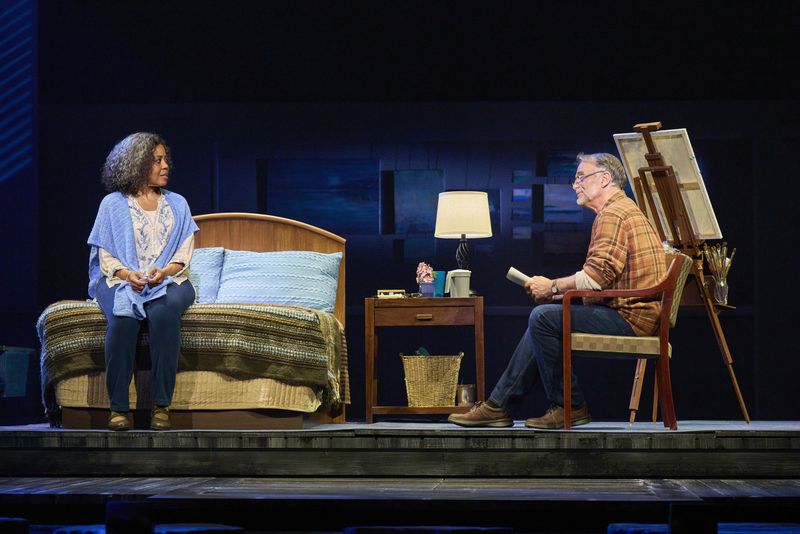
I wasn’t prepared to find myself laughing as much during The Notebook as I did. Yet the new libretto for Broadway found itself focusing as much on breezy comedy between these characters as it did the understated drama of yearning for which the story is known. It ascribed to that classic adage, “Make ‘em laugh, make ‘em cry, make ‘em wait.” Which, depending on the source, could be attributed to soap opera legend Agnes Nixon (creator of “All My Children” and “One Life to Live”) or serial novelist Charles Dickens (“Great Expectations”). Either way, the sentiment still holds true, especially in The Notebook. The entire two-act structure serves as a waiting game for a pay-off that, if one is already familiar with the tale, is still worth it by the end. Watching the story of The Notebook unfold is never about seeing how it ends, but rather, the steps it took to get there. We get to know all these versions of Allie and Noah to better understand why it’s so important to remember them.
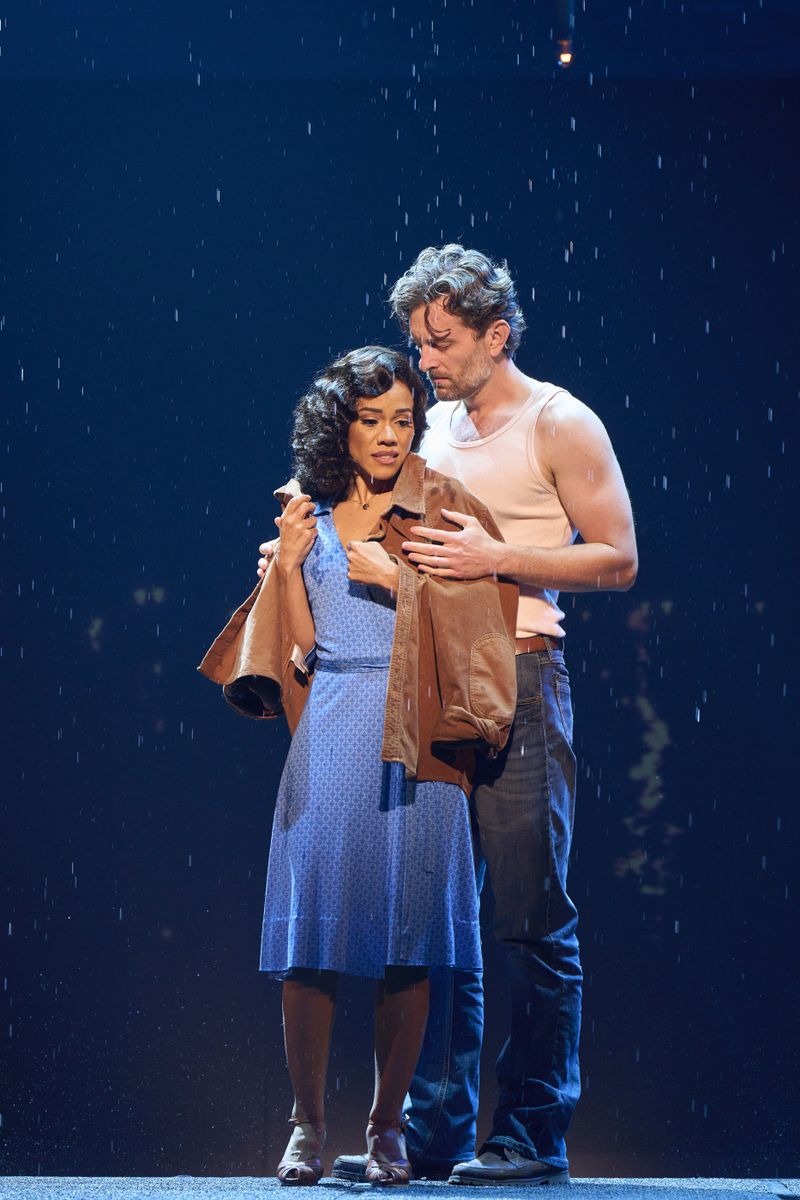
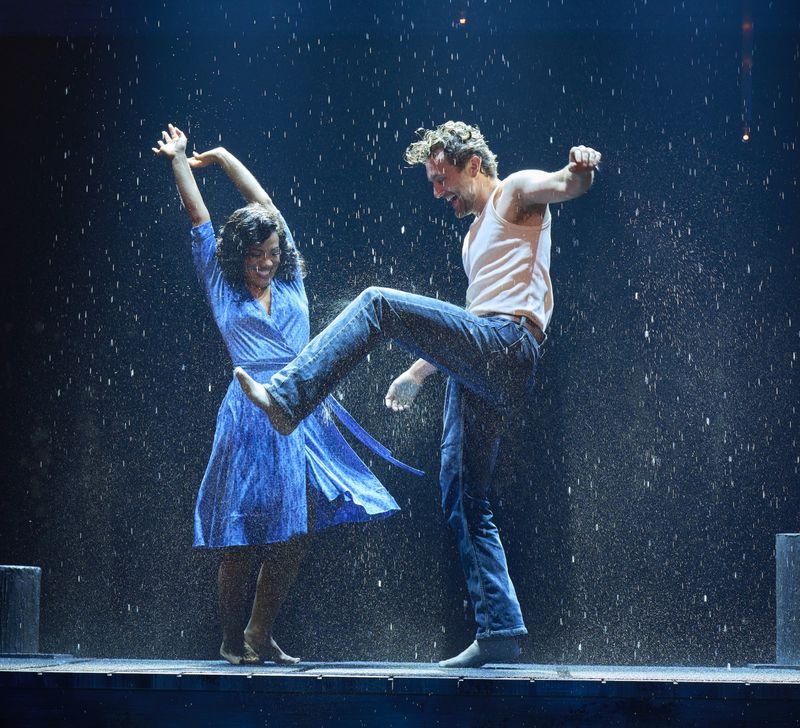
For all intents and purposes, the touring production also looks to recreate a lot of visual cues from the Broadway staging. The iconic rain scene that was immortalized on both the movie poster and the musical playbill. The basic frame of a house to signify the dream house and the various realities around it. The long fluorescent lights that change and shift according to both time and mood. I wasn’t expecting to find myself so focused on the lighting scheme for this musical, but found myself drawn to how they turned light into a character and commentary itself. Each era of the story is lit differently, either through the use of spotlights or the long fluorescent lights that hang vertically across the stage. During scene set in the Younger era, the light is soft, golden, and almost hazy at times. It feels, strangely, like watching a memory unfold on the stage – as it should.
When the timeline shifts and evolves to Middle era, light becomes slightly more focused, pronounced. More spotlights are used to indicate where our attention should shift. And it’s during the Middle era that hues find more shades. Even if the emotions among the characters are slightly restrained, the lighting makes up for that by giving much stronger hues – blue, red, gold, white – as a way to portray the emotion that Noah and Allie may otherwise hold back on showing themselves. By the time we reach Older Noah and Allie, the light becomes stark, clinical, and cold. Perfectly evoking the sterility of a hospital. Light as commentary is not new in musical theatre. Yet I’ve not seen it so well utilized for dramaturgical purposes than I had in The Notebook.
If there is one aspect of The Notebook where I can understand – though don’t fully agree with – the criticism, it lies within its musical score. The sweeping orchestral cues by Aaron Zigman for the 2004 film are not utilized at all, having been replaced by folk-pop songs by Ingrid Michaelson. Michaelson’s work here is great, don’t get me wrong. But it’s melodies are not entirely memorable. In a post-show discussion with friends, one remarked how it was one of the most beautiful stories she’d seen on the stage, but with the most forgettable music she’d ever heard. I can understand that frustration. All the songs are written in a folk-pop style that does evoke a sense of “Let’s try to outdo Hadestown.” Noah himself begins as a White Guy With Guitar in his Younger introduction. But he immediately disposes of it after one number, though that folksy-pop sound continues through the rest of the musical. And there’s no definable theme to the music, no melodies that stay in one’s head long after the show has wrapped.
To be fair, I can see how someone might initially think the musical had forgettable songs. Watching them perform in context of the production, I was all-in. Listening to the lyrics, enjoying the orchestrations, loving the vibrato when Deslorieux held that high note in “My Days.” And, quite honestly, the musical’s a cappella “Coda” brought chills as much as it brought happy tears. Michaelson’s lyrics offer truly powerful ideas. My own review notebook made sure to write down the lyric “I’m in love with all the things I forgot,” followed by a scrawled commentary of my own: “Why am I crying so much?” As I was still thinking about the music of this musical at work today, I came upon a realization as to why it’s not “memorable.” Michaelson wrote the songs to function best when viewed in full context. As musical counterpoint to the dramatic libretto. As emotional high and low points from iconic lines and moments in the film. As a living, organic part of the story as a whole.
Michaelson wasn’t writing songs for an album to be played in the car while driving down country roads. She wasn’t writing songs that could be sung by a crowd in a karaoke bar. She was writing The Notebook’s most important dramatic moments through music. This wasn’t a Pasek & Paul situation where a subpar story gets strengthened on the stage or screen because they can write a banger of a pop song to depict it onstage. This was artistry in a much more literary form. The Notebook, music and lyrics and dialogue and performance, simply cannot be fully enjoyed separate from each other. (Don’t get me wrong, though, I did kind of leave “Leave the Light On” on repeat while writing this.) It’s best experienced within that full context of a two-act stage musical, in a darkened theatre, where that raw and human energy among the audience and the performers leads to a more enlightened understanding of how all the elements of live theatre can come together, tug at your heartstrings, and leave you still wanting more.
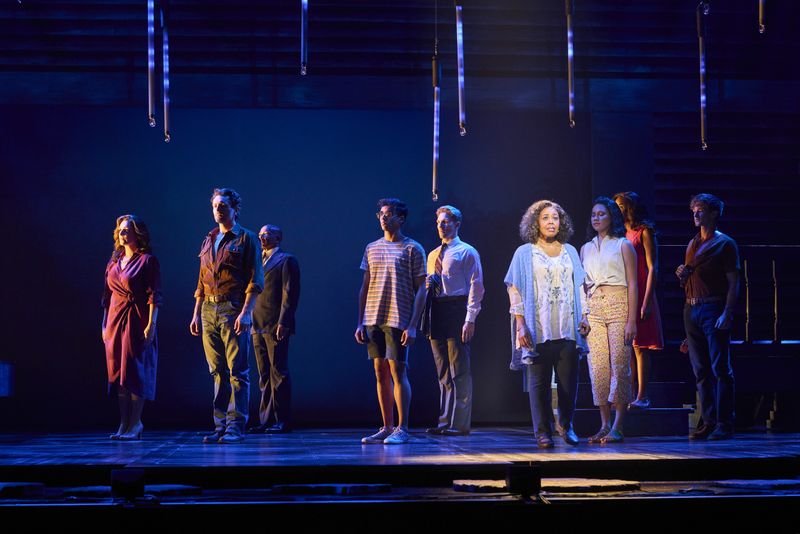
It’s in the theatre that one can best experience The Notebook. The stage version, moreso than the original novel or the popular 2004 film, best exemplifies why this story continues to endure across time and with audiences. It doesn’t seek to reinvent romance, nor is its depiction a perfectly sensible love story. Rather, it understands that so-very-human need to be remembered, to know that our choices matter, and to believe that our story was worth telling. There is a story in each of us that needs to be told. And the story will inevitably define us past our time on this earth. The Notebook is Allie’s story. And she’s proven, through her choice, her words, her memories, that it’s a story worth telling. The musical rendition of this story embraces this sincerity wholeheartedly, asking us not to stand at a distance and overthink every impulsive decision, but to simply feel alongside these characters as they stumble through the familiar pangs of youthful arrogance, experienced regret, and the earned devotion of a life well-lived. Judging by the amount of openly-sobbing theatre patrons I could sense withing Dr. Phillips Center, there will always be an audience willing to accept an invitation to this love story. Whether you’re coming to The Notebook as a longtime fan or a newcomer curious about the hype, the touring production proves itself worthy of the story’s legacy. It offers a truly heartfelt, emotionally satisfying, and unrepentantly sentimental tale that makes one feel both seventeen and in love for the first time, and sixty-seven with gratitude for the love that’s endured since.
THE NOTEBOOK: THE MUSICAL plays at Dr. Phillips Center May 12 through 17. Tickets can be acquired online or at the box office, pending availability.


Sign up for all the news on the Fall season, discounts & more...
|
THE RAT PACK LOUNGE Winter Park Playhouse (9/24-10/18) |

|
The Best Halloween Ever Orlando Family Stage (10/10-11/01) |

|
Feltman: World's First Hot Dog Orlando Family Stage - Black Box Theater (10/23-10/23) |

|
On The Town Riverside Theatre (2/25-3/21) |

|
Fiddler on the Roof Ormond Beach Performing Arts Center (11/06-11/15) |
|
The Wizard of Oz Athens Theatre (4/16-5/09) |
|
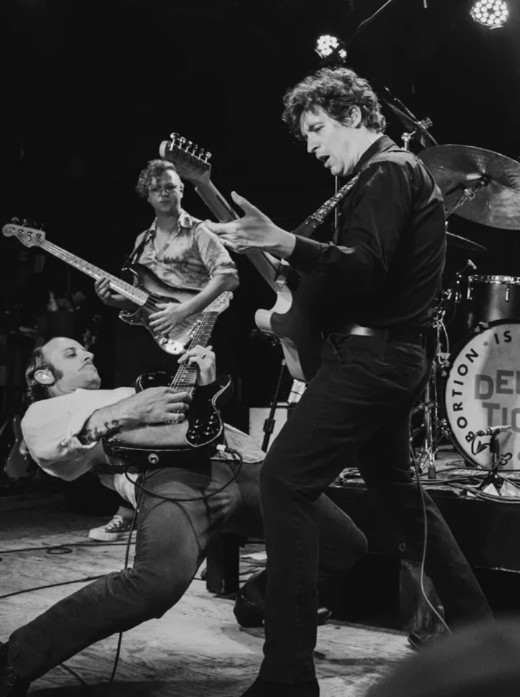
Deer Tick Revolution Live (11/11-11/11) |

|
The Shark Is Broken Athenaeum Theatre One (10/15-11/08) |
|
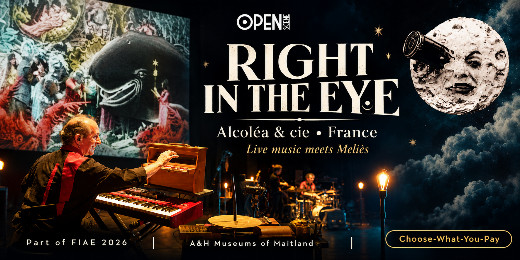
Right in the Eye Open Scene at the Maitland Art Center (10/17-10/17) |
|
Hamilton (Angelica Company) Dr. Phillips Center for the Performing Arts (9/29-10/18) |

Reader Reviews
To post a comment, you must register and login.