


Review: CHARLIE SINGS JUDY at Laurie Beechman Theatre
Charlie High performs Judy Garland's legendary Carnegie Hall concert
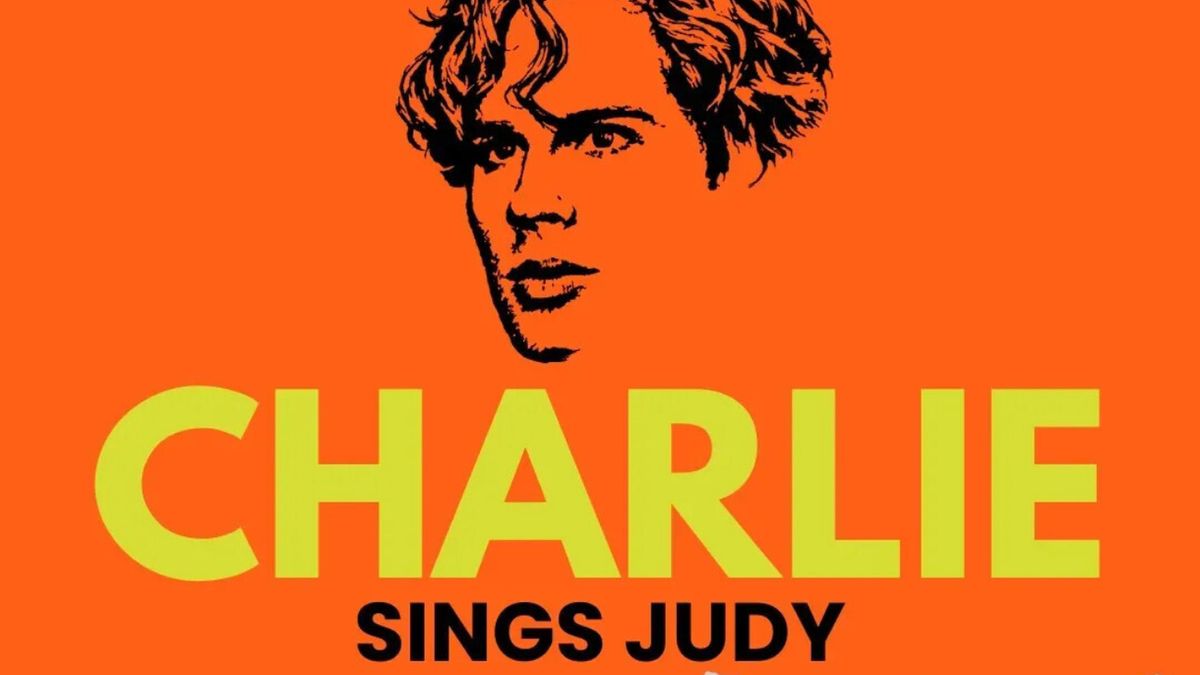
As one of the inaugural recipients of the Star to Be Project at the Laurie Beechman Theatre, produced in conjunction with the York Theatre Company, Charlie High paid tribute to Judy Garland and her legendary 1961 Carnegie Hall concert on October 4, 2026. This was neither an impersonation nor an imitation, and High was neither in drag nor attempting a vocal impression. He was simply himself, entering the stage at the end of the overture in a black suit, sparkly black shirt with colorful prints, and launching directly into “When You’re Smiling” by Larry Shay, Mark Fisher, and Joe Goodwin. With a young Sal Mineo-like strand of curl falling onto his forehead, he belted out the lyrics with confidence. If the bold willingness of this young, handsome guy to sing Judy initially felt naive, he proved himself by the end of the song, when “the whole world smiles with you.” Or at least the sold-out 99-seat room where everyone was already entranced—and smiling indeed.
Jumping right into the medley pairing “Almost Like Being in Love” from Brigadoon and “This Can’t Be Love” from The Boys from Syracuse, it became quite clear that, like Judy, Charlie is also a powerhouse belter, capable of matching her pizzazz and theatricality. Not surprisingly, Charlie has been a Judy fan ever since he first saw her in The Wizard of Oz. As a child, he loved walking on top of the wooden fence in his backyard, just as Judy did on the farm before falling into the pigpen. He, too, admitted in one of his endearing stories, would purposely fall off with a scream. The neighbors only reacted the first time and ignored him from then on. Then Charlie added, “And I’ve been falling for pigs ever since!” Such subtle gay humor delighted the audience throughout the performance.
Using Judy’s original line, “We’re gonna sing ’em all and stay all night,” Charlie was quickly corrected by Drew Wutke at the keyboards: “We’re out by 8:15.” Without missing a beat, Charlie revised the line: “We’re gonna sing ’em all and stay until 8:15!” He then launched into “I Can’t Give You Anything But Love, Baby” by Jimmy McHugh and Dorothy Fields. But instead of belting, he stood at the microphone and sang quietly, tenderly, and with a slight subtext of seduction. By the end of the number, it was crystal clear why he had been chosen for the Star to Be Project.
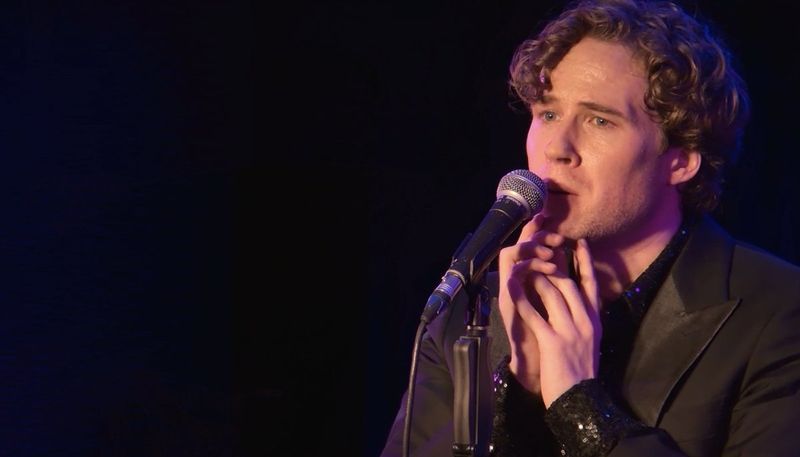
If an abridged version of Judy’s concert had to be presented because of time constraints, I appreciated that he still included his own patter between the songs. And meaningful it was. He recounted how his grandmother gave him the “Judy at Carnegie Hall” album, which helped shape his life and career aspirations. “Judy is the reason I’m a performer,” he said, before adding, “She’s the reason I’m broke.”
Growing up in a small town in North Carolina, Charlie felt alone and different as a gay child. But hearing the roaring crowd respond to Judy’s performance, he suddenly felt that he had found his community. Through that one recording, “I felt understood.” He was no longer alone; there were people like him. He then sang “You Go to My Head” by J. Fred Coots and Haven Gillespie. Taking his cue from Judy’s performance, he deliberately stumbled over a set of lyrics, singing that he had forgotten them. But with his smile—and the audience’s familiarity with the recording—it was immediately clear what he was doing, which earned more laughs and applause.
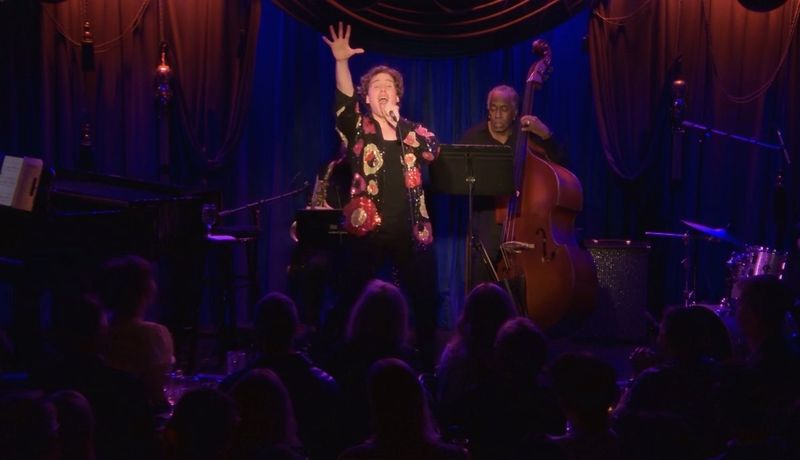
Knowing it was "a controversial choice," Charlie went cordless with the microphone for “Just You, Just Me” by Jesse Greer and Raymond Klages, allowing him to walk through the audience with ease and connection. For an emerging cabaret performer, he seemed remarkably comfortable onstage and off, with the intimacy of close audience interaction. He didn’t miss a beat improvising reactions to audience members who affectionately heckled him.
The four-piece band, referred to as “Friends of Dorothy,” introduced “The Man That Got Away” by Harold Arlen and Ira Gershwin, with a saxophone intro by Erica Von Kleist on reeds. Standing still at the microphone, Charlie stepped fully into the world of the song and stayed there until the end, revealing strong acting ability—emotional and sincere. His rendition, delivered with folded arms and a quiet intensity, earned several “bravos” from the audience.
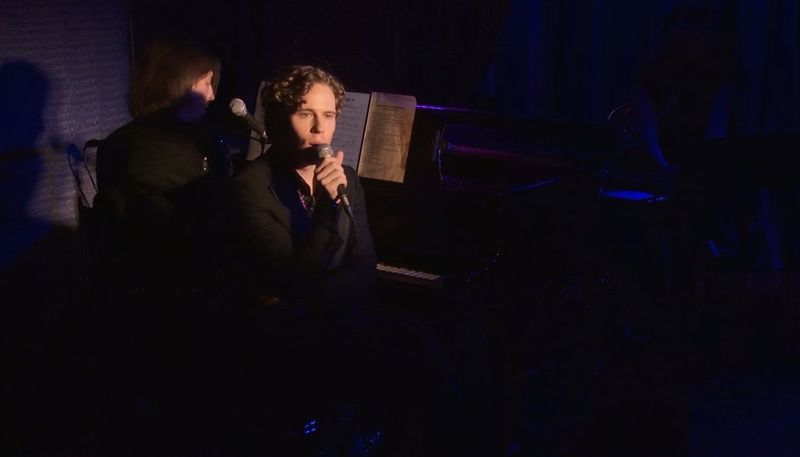
Joining Music Director Drew Wutke at the piano, sharing the bench with him, Charlie introduced the next song by talking about a particular loneliness that can come with being a performer. He then proceeded with Noel Coward’s “If Love Were All.” He made great use of variety, moving from belting and pizzazz to quiet introspection, before going full showstopper with “San Francisco” by Bronislaw Kaper, Walter Jurmann, and Gus Kahn. Along the way, he pointed out the fun moment in which Judy threw some shade at opera singer Jeanette MacDonald, who originated the song in the film.
With a quick change, losing the jacket and pulling out the shirt so it hung open over a black tank top, Charlie announced that he was moving into Act Two of Judy’s concert and launched into Harold Arlen and Johnny Mercer’s “Come Rain or Come Shine.” Sung with drive and conviction, the passionate rendition brought the audience to its feet for the first standing ovation of the night.
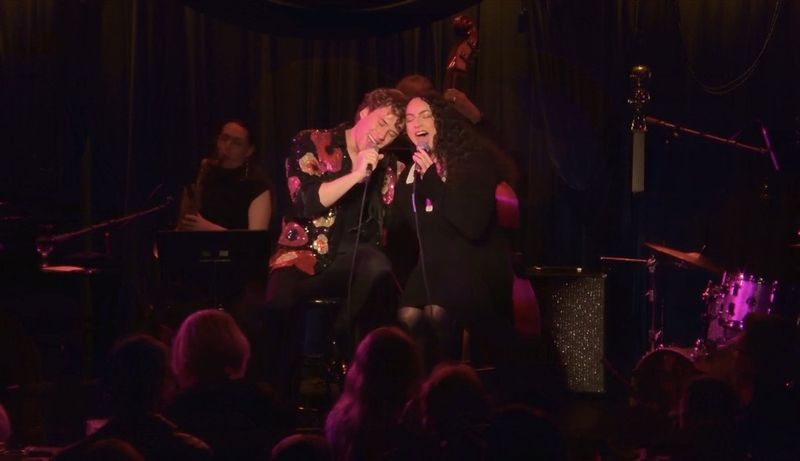
A few hours before the performance, it was revealed that this was the exact 63rd anniversary of the famous Garland-Streisand duet. Charlie invited past inaugural recipient Casey Borghesi to join him, and together they recreated the iconic mashup of “Get Happy” and “Happy Days Are Here Again.” Seeing the way Charlie watched Casey, it was clear how much he admired her distinctive voice and budding friendship.
Charlie then shared that he lost his father to cancer two years ago and that the following song made him think of his mother—dealing with grief while holding it together. He then sang a heartfelt “Stormy Weather” by Harold Arlen and Ted Koehler. His tearful eyes and breaking voice transformed the song into one of the emotional highlights of the evening.
Charlie consistently won over the audience with connection, humor, and heart. Celebrating Judy in a room filled largely with gay men also felt particularly special. The bond between Judy and the gay community has endured since her death in 1969 at the age of 47, and that connection was palpable in the room. I loved the gay humor woven subtly throughout the evening, the decision not to alter any of the pronouns from Judy’s original performance, and the way Charlie incorporated her microphone-cord movements and many of her impassioned gestures. He captured not only her stamina and theatricality, but also that moment-to-moment honesty that made Judy such a singular performer.
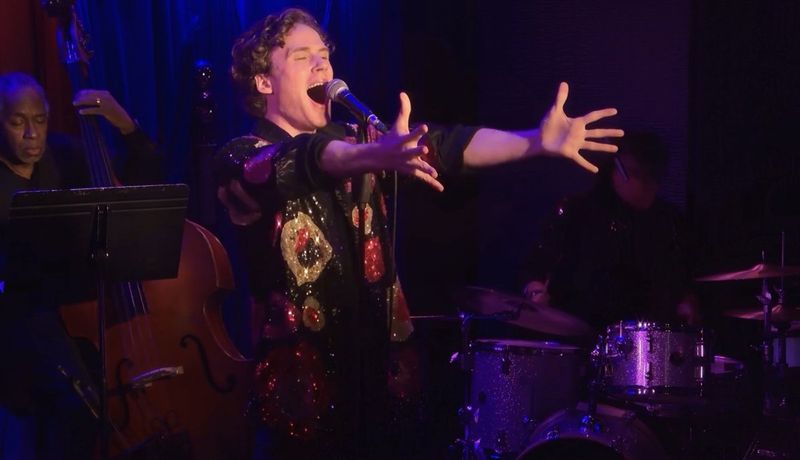
The final songs included a medley of “You Made Me Love You,” “The Bells Are Ringing,” and “The Trolley Song,” ending perched atop the piano for “Over the Rainbow” with a soaring belt that brought the audience to its feet again.
Two encores brought the cabaret to a close: “After You’ve Gone” by Turner Layton and Henry Creamer, followed by “Chicago” by Fred Fisher, ending with a third standing ovation—and deservedly so.
The rest of the band included Booker King on string bass and Paige Durr on drums, with Brent Michael Jones handling sound and lighting—all splendid; however, the evening’s great success was that Charlie High took one of the most celebrated concert performances in American entertainment history and, rather than trying to become Judy Garland, used it to reveal himself.
Learn more about the singer at www.thisischarliehigh.com
Tickets to more shows at the Beechman are available on their website here.

Sign up for all the news on the Fall season, discounts & more...
|
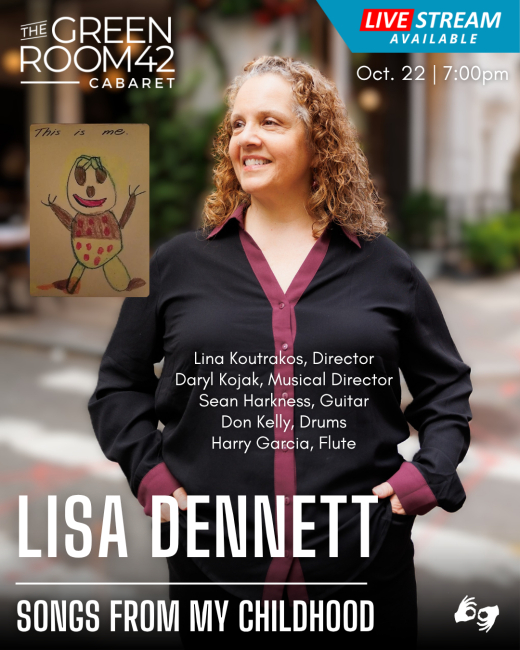
Songs From My Childhood The Green Room 42 (10/22-10/22) |
|
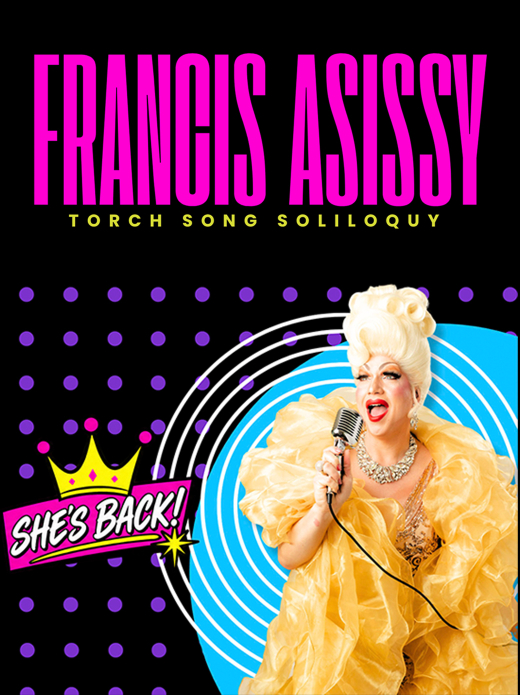
Torch Song Soliloquy Laurie Beechman Theatre (10/07-10/07) |
|
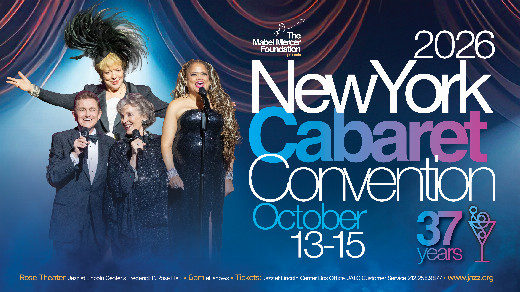
The 37th New York Cabaret Convention Jazz AT Lincoln Center's Rose Theater (10/13-10/15) |

|
The Beat Goes On Don't Tell Mama (10/08-10/08) |

|
Liora Michelle: Songbirds of the Silver Screen Don't Tell Mama (10/18-10/18) PHOTOS VIDEOS |


Reader Reviews
To post a comment, you must register and login.