


Review: “AMBERS” STARRING KAZUYA OHASHI & TAKUTO TERANISHI
A Gripping New Story of Power, Mystery, and a World on the Brink
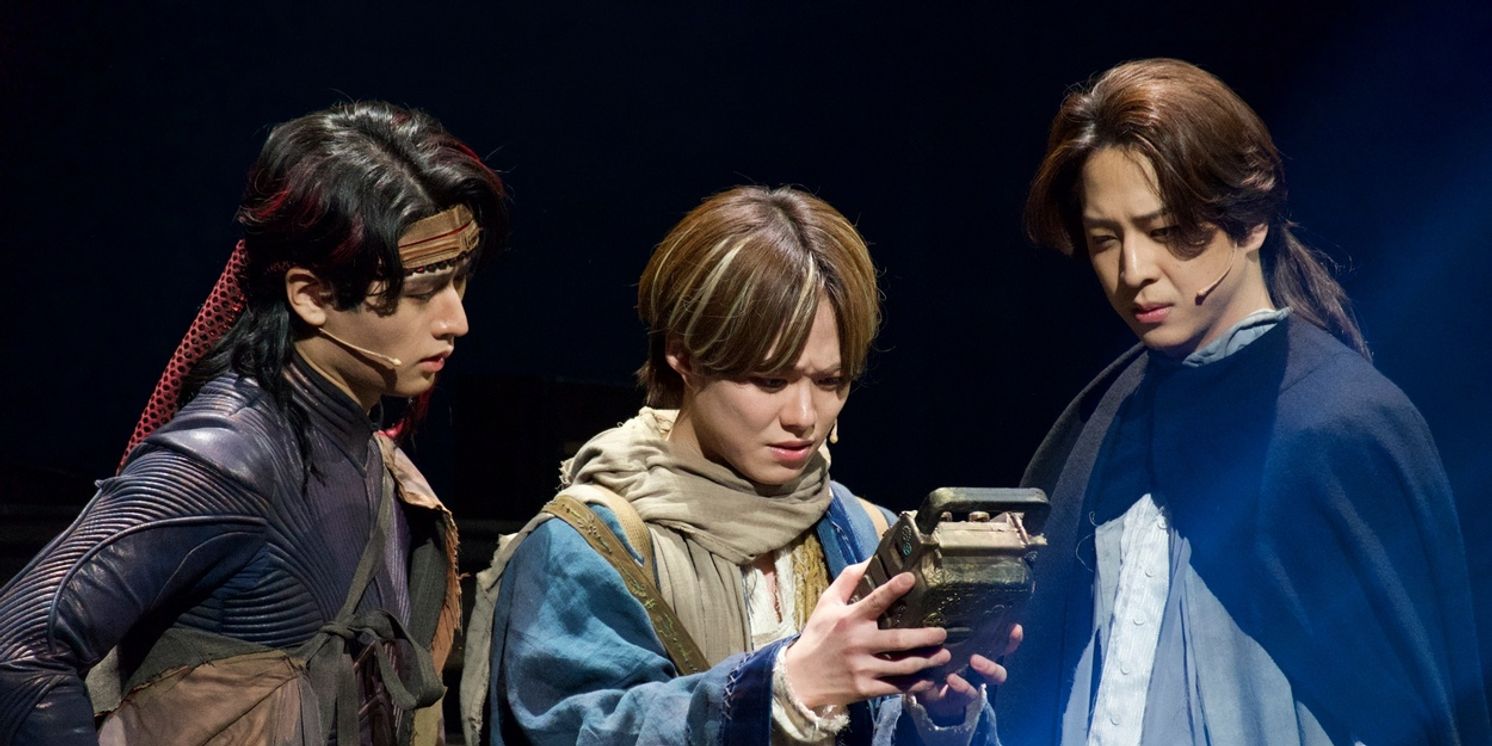
AmberS is currently being staged as the inaugural production of the newly opened EX THEATER ARIAKE in Tokyo’s Ariake district. Bringing together some of Japan’s most distinguished creative talents, including creative producer, original creator, and playwright Shigeaki Kato, director Masahiko Kawahara, music director Taisei Iwasaki, and character design supervisor Isao Tsuge, the production presents a visually and emotionally compelling theatrical experience. Centered on Kazuya Ohashi’s spirited youth Evel and Takuto Teranishi s enigmatic pianist Alan, the story follows a cast of characters navigating a world on the brink of transformation. This review takes a closer look at the dress rehearsal held on April 24.
Here’s the full, uncut report from the cast press conference! (Coming Soon…)
Story
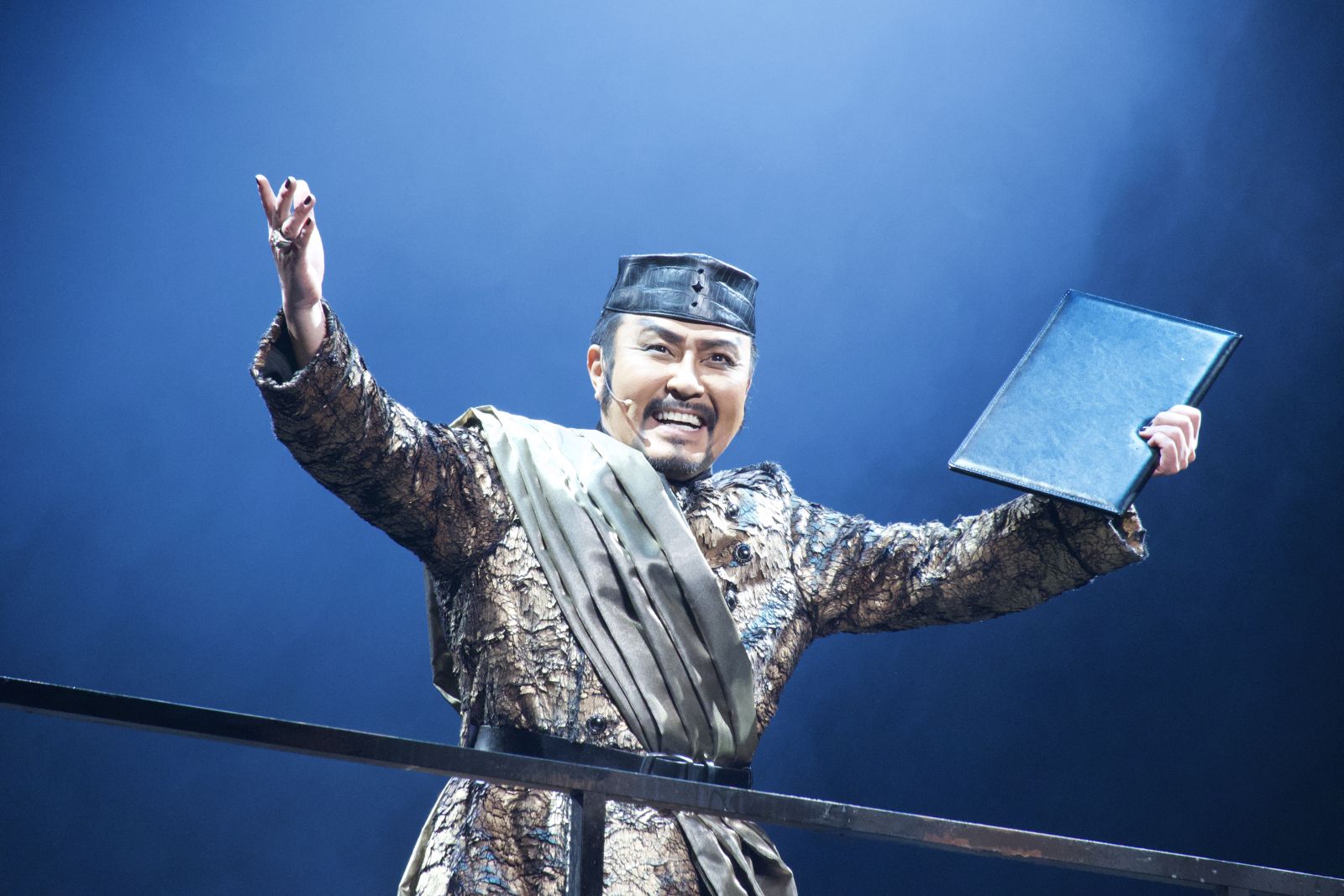
Set in Mitokio City, a provincial city within a vast nation, the land remains contaminated. The Romero Tank Company, led by Vingas (Udanji Ichikawa), oversees its purification, allowing citizens to enjoy a seemingly prosperous life. At a bar run by the cheerful young Evel (Kazuya Ohashi) and his wheelchair-bound younger brother Louis (Toa Shimasaki), various figures gather. Among them are Orucca (Soya Igari), leader of an anti-government group, and its member Enrique (Koki Kawasaki), as well as Noah (Rena Yamasaki), an heiress to the Romero Tank Company, along with her AI butler Ken (Gota Watabe). The space is filled with music performed by the mysterious pianist Alan (Takuto Teranishi).
One day, Louis collapses from his wheelchair and utters a prophecy: “The tiger has roared. A storm is coming.” After the storm passes, Evel sets out in search of the legendary amber elixir “AmberS,” said to grant eternal youth. Meanwhile, Hilda (Suzuho Makaze), the Supreme Commander of the military, visits Vingas accompanied by her subordinate Wolf (Tatsuru Matsuo), aiming to obtain and seize the rumored elixir. As ambitions and intentions intertwine, the question remains: who will ultimately claim “AmberS,” and what truth lies behind it? Thus begins a story leading toward a turning point in the world.
Review
To avoid spoilers, this review focuses solely on Act One.
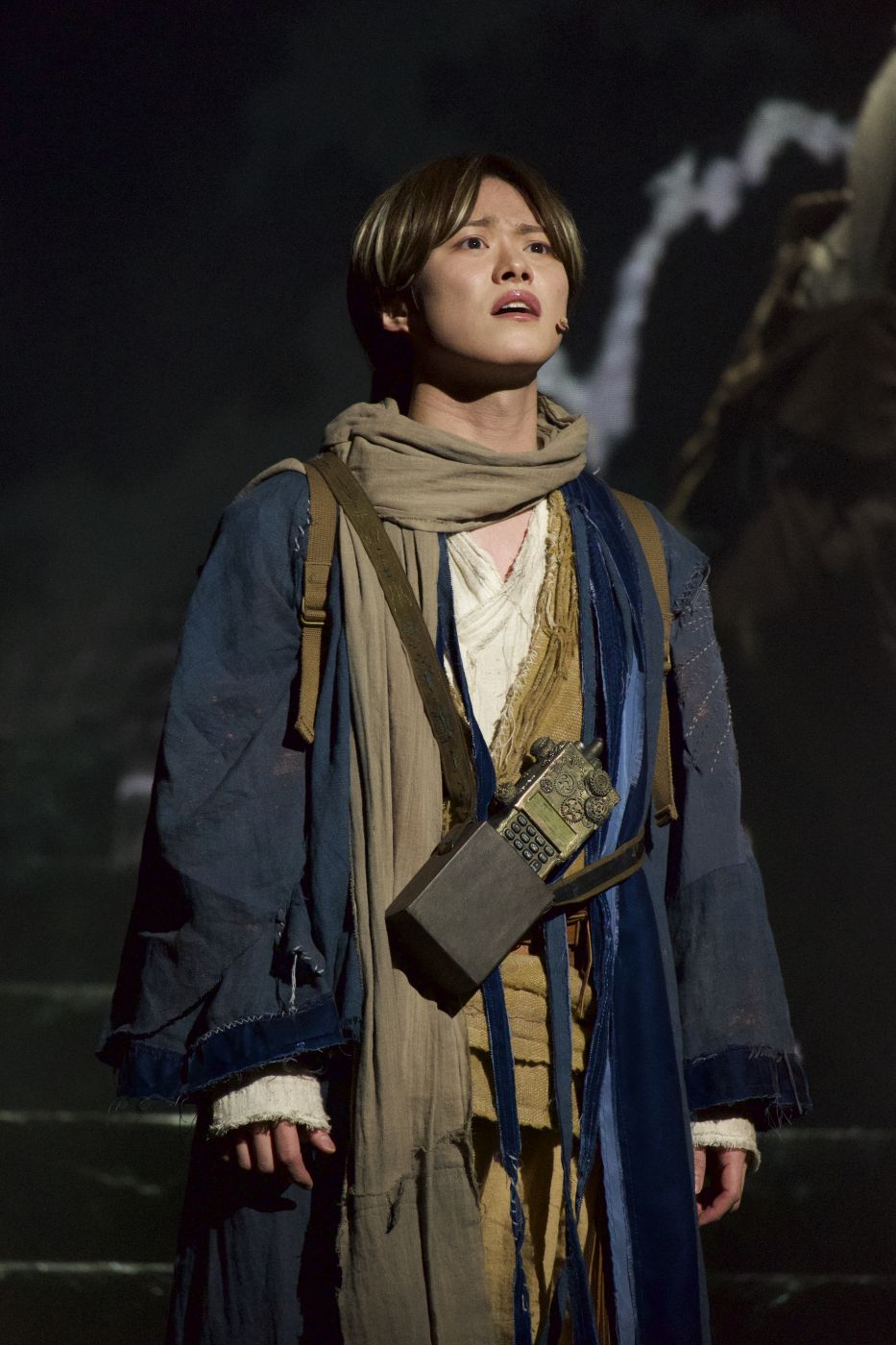
At the center stands Evel, played by Kazuya Ohashi, whose presence is striking. The character’s boundless optimism and pacifist nature align seamlessly with Kazuya’s own persona, and his immense energy drives the entire production forward. His portrayal shifts convincingly from lighthearted exchanges to a desperate urgency following Louis’s sudden collapse, demonstrating a finely controlled emotional range.
Equally compelling is Takuto Teranishi as Alan, who leaves a strong impression both musically and physically. His live piano performances are visually captivating, creating moments of stillness that anchor the narrative. Takuto subtly conveys the shadows within Alan while also showcasing remarkable physicality in dynamic action sequences.
The harmonies shared by Kazuya and Takuto stand out as one of the production’s key musical highlights. Their blended voices add depth to the score and enrich the emotional landscape of the story.
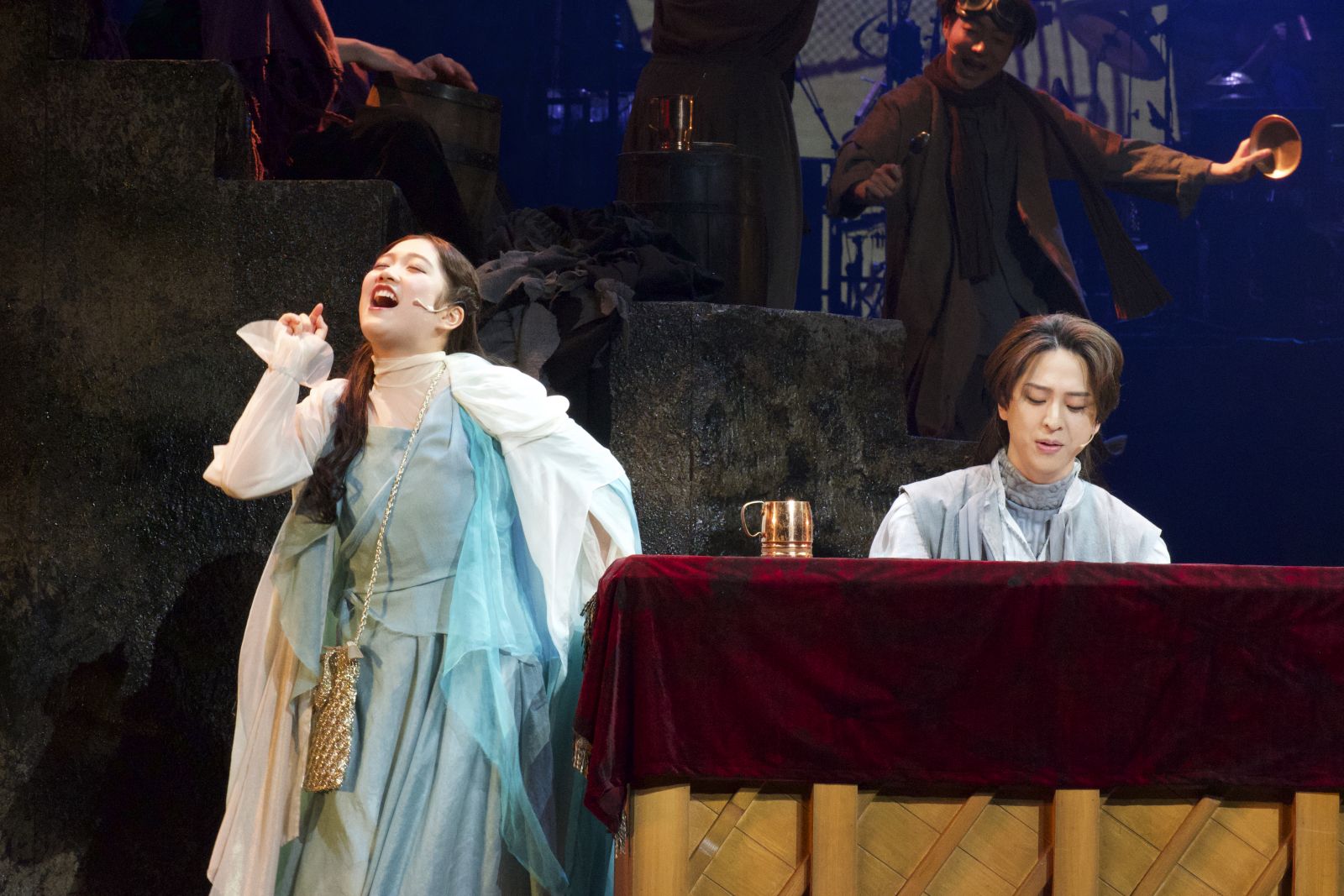
Rena Yamasaki’s Noah, particularly in her duet with Alan, provides a fleeting sense of calm amid the unfolding tension. Rena’s vocal strength is noteworthy; her clear, resonant tone brings conviction to each number, and her refined emotional expression lends elegance and dimension to Noah as a character.
In contrast, the figures representing the established order leave a powerful impression. Udanji Ichikawa’s Vingas exudes authority, grounding the role as a central figure within the societal structure. Meanwhile, Suzuho Makaze’s Hilda commands the stage with overwhelming presence, her dominance expressed not only through performance but also through her commanding vocals.
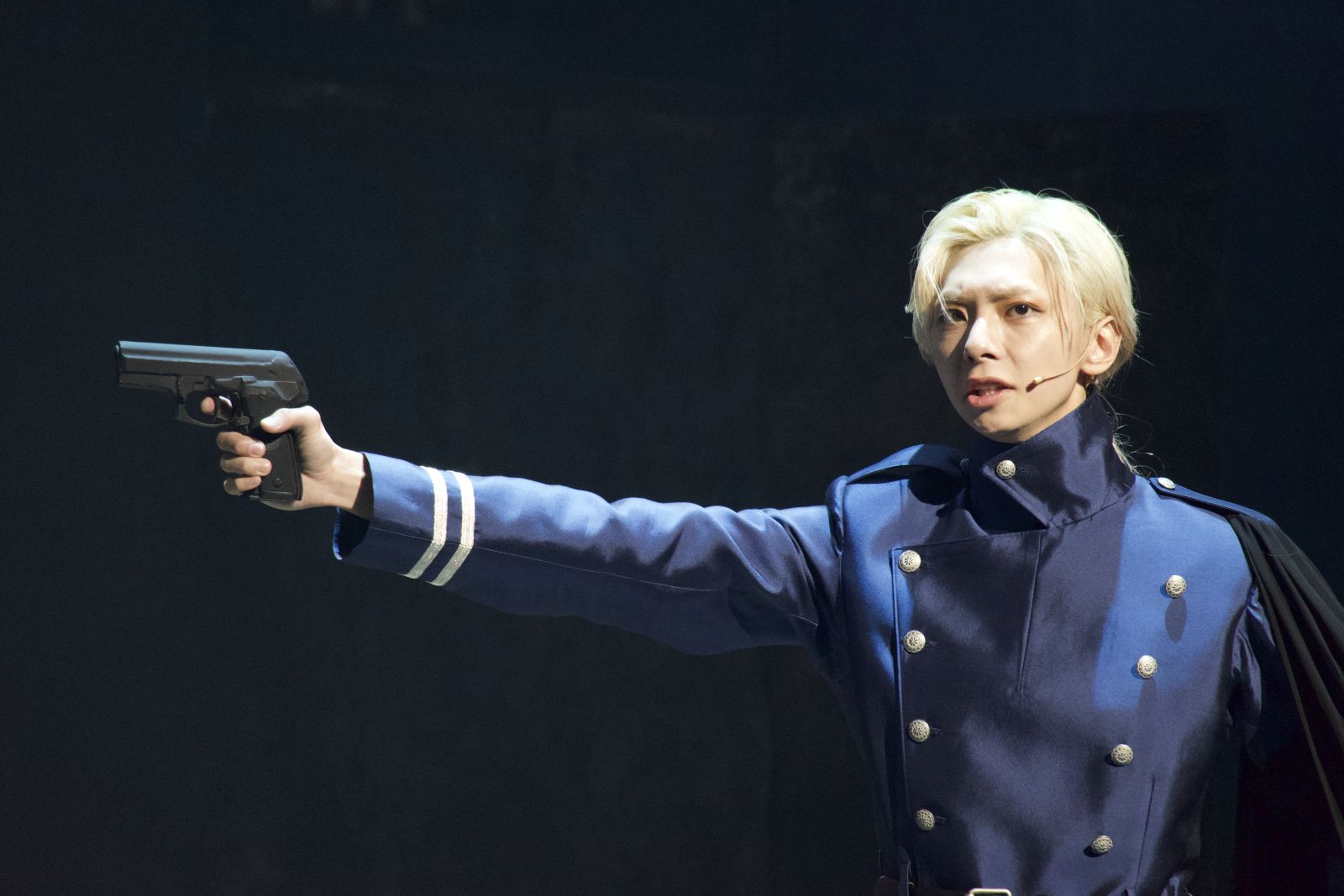
The production also excels in its action sequences. High-level stunts are integrated throughout, heightening the tension of the narrative. Tatsuru Matsuo, as Wolf, delivers agile and dynamic movements that contribute to the visual intensity.
Toa Shimasaki’s portrayal of Louis is equally impactful, marked by a wide emotional range that shifts between fragility and intensity. His performance underscores the character’s significance within the story.
From a staging perspective, the use of projected visuals in flashback scenes proves highly effective, seamlessly blending with live performance to deepen the audience’s understanding of past events.
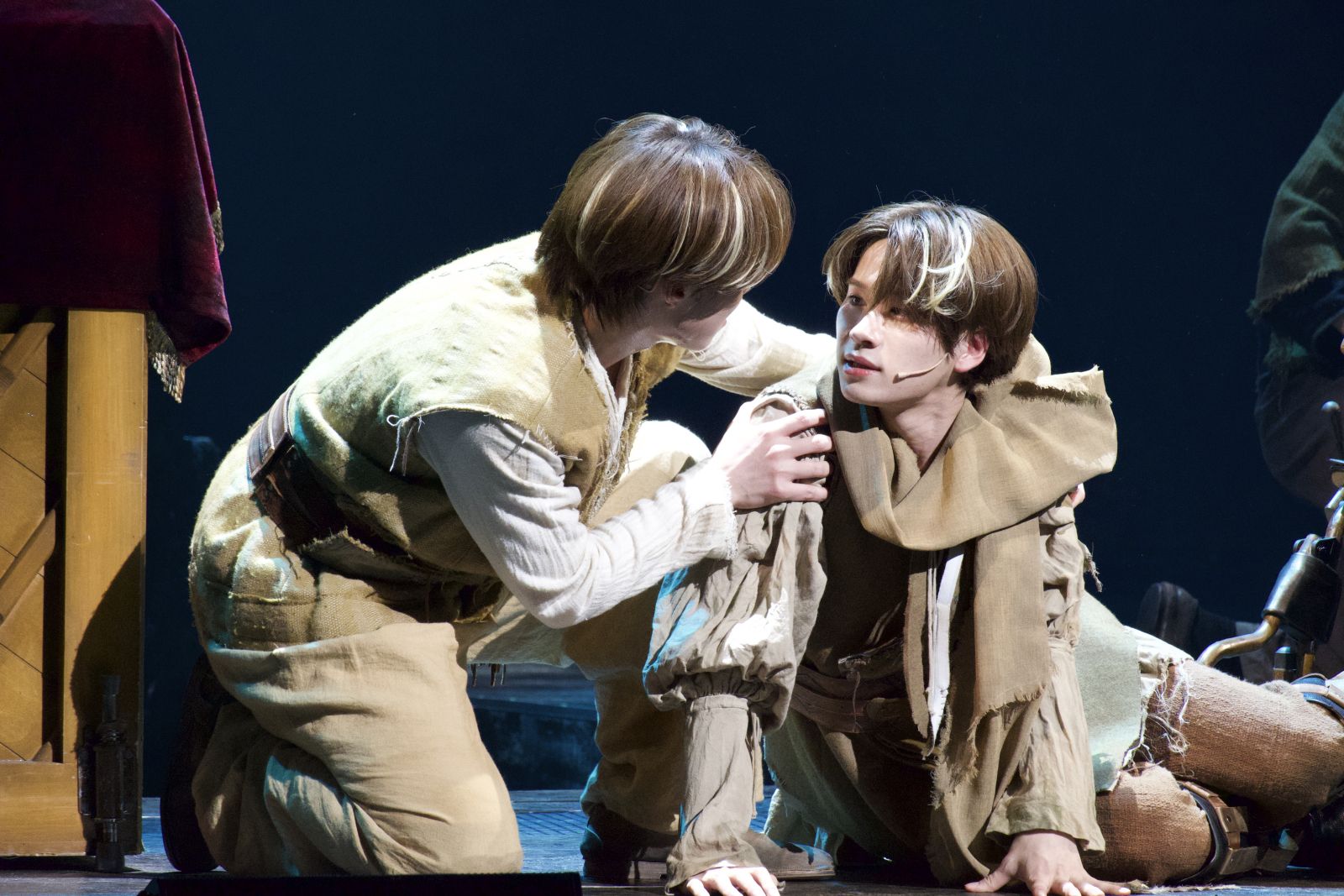
Additionally, the theater’s sound design is particularly impressive. The vibrations are so powerful that they create the illusion of the seats shaking, allowing the audience to physically experience the sound itself.
Above all, the story stands out as exceptionally engaging. Its meticulously constructed world and unpredictable developments feel expansive enough to translate seamlessly into a cinematic format.
Each character’s individuality and motivations are clearly defined, offering a layered narrative that invites repeated viewing from different perspectives. Focusing on individual characters reveals entirely new facets of the story, adding to its depth.
Act One only begins to unravel the competing ambitions surrounding “AmberS,” yet even at this stage, the characters’ desires and positions are clearly established. The narrative builds momentum toward what promises to be a major turning point. With audiences already calling for a revival, it is easy to understand the enthusiasm. One can only hope to see this production return in the near future.
Photo Gallery
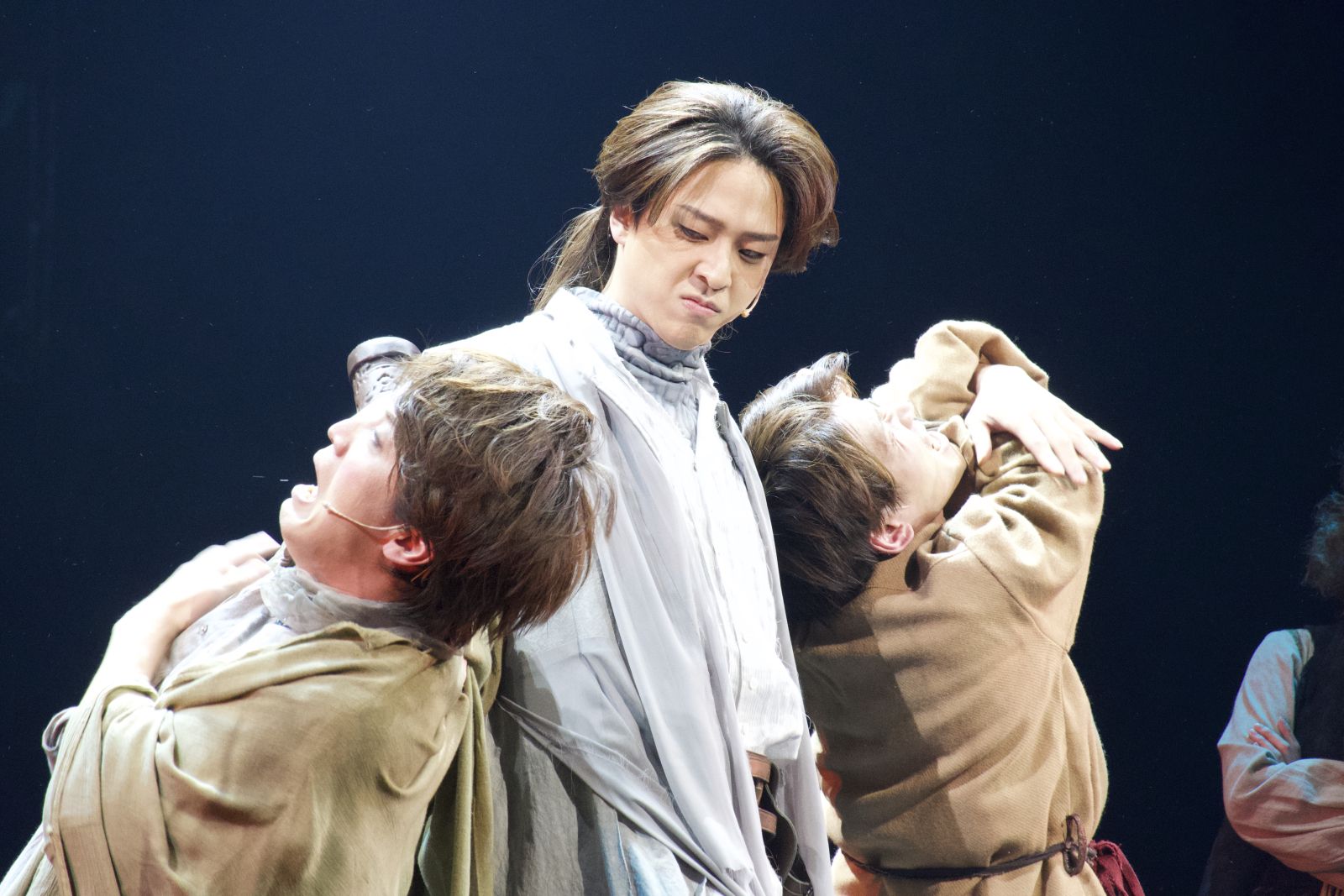
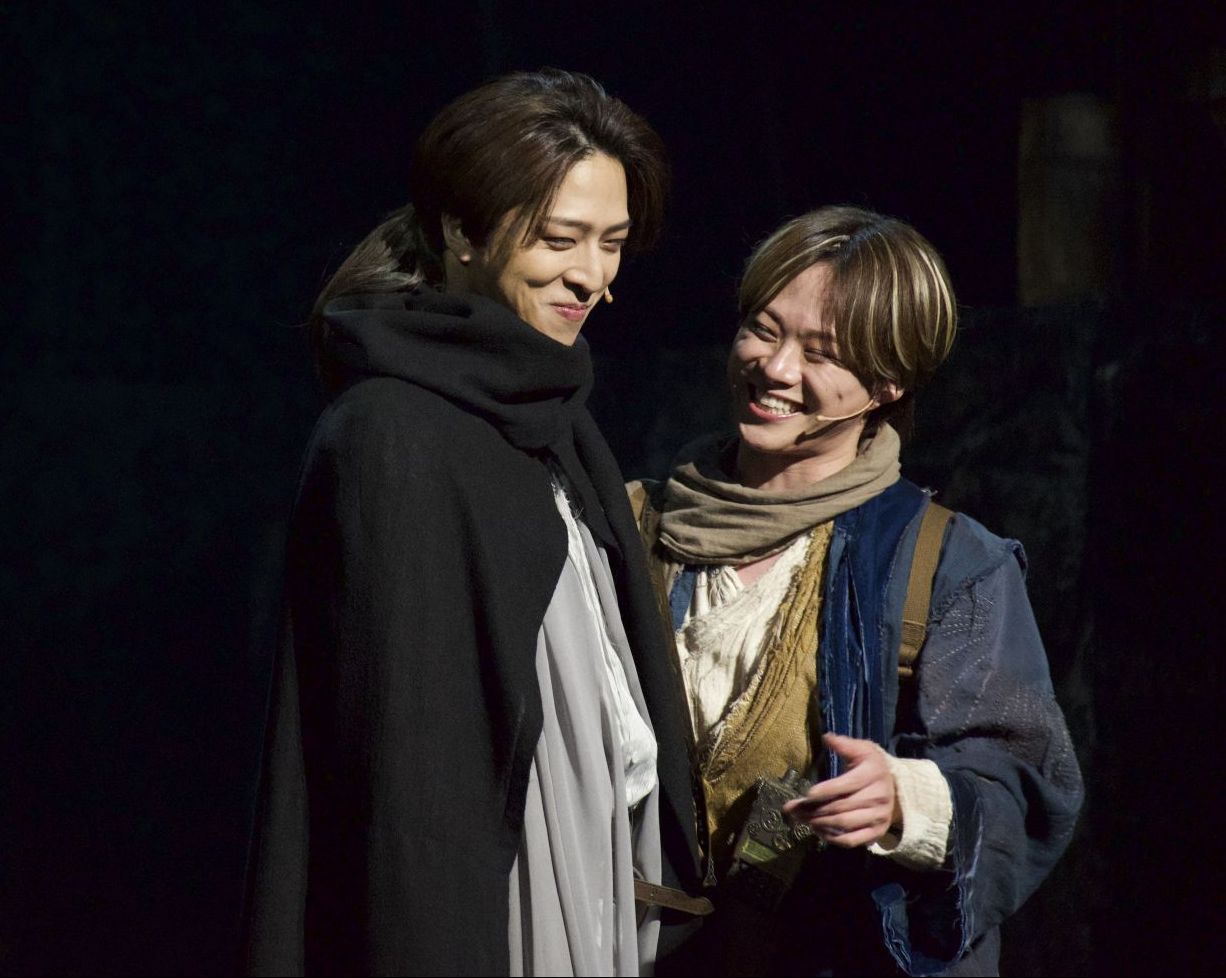
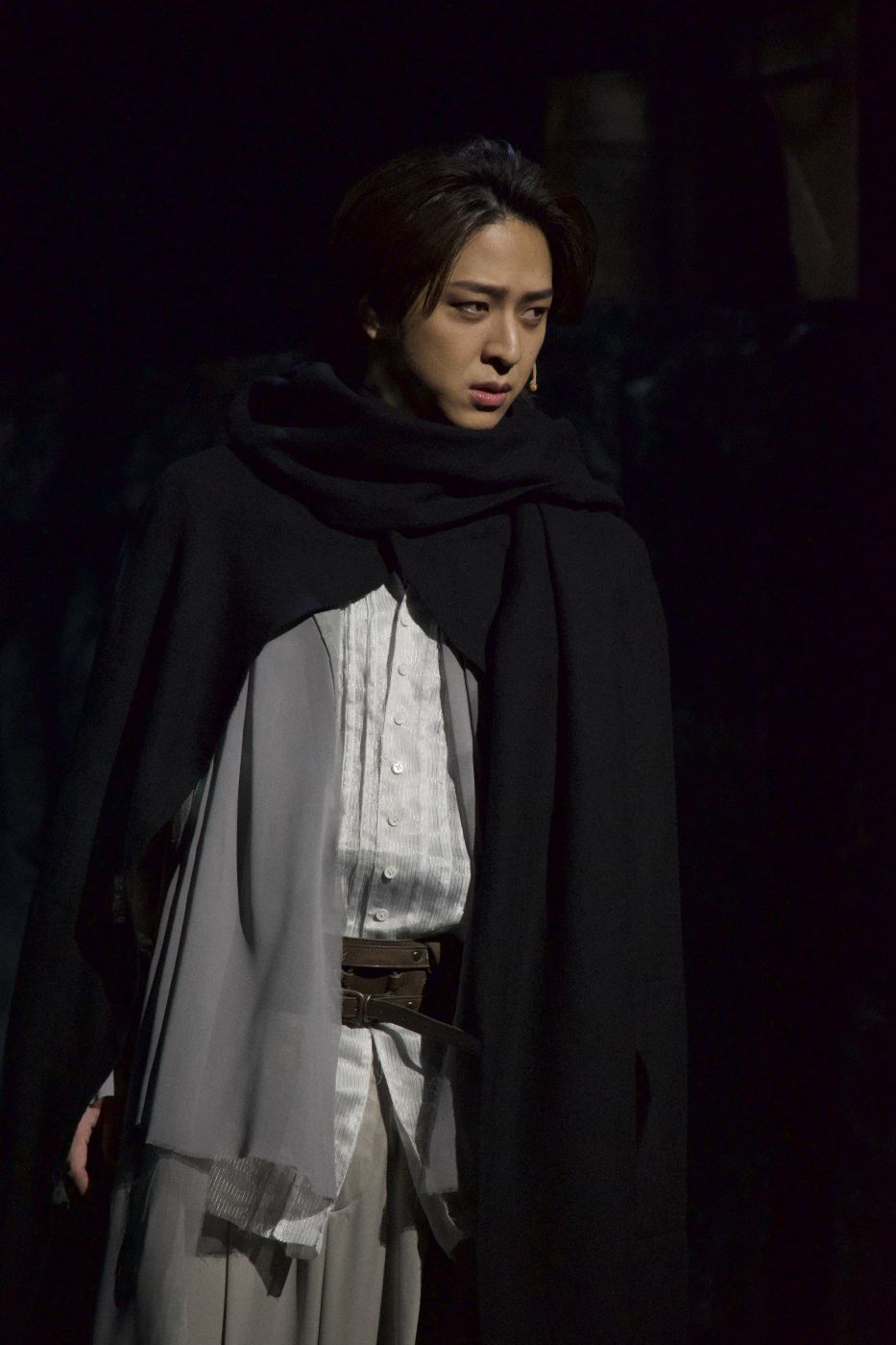
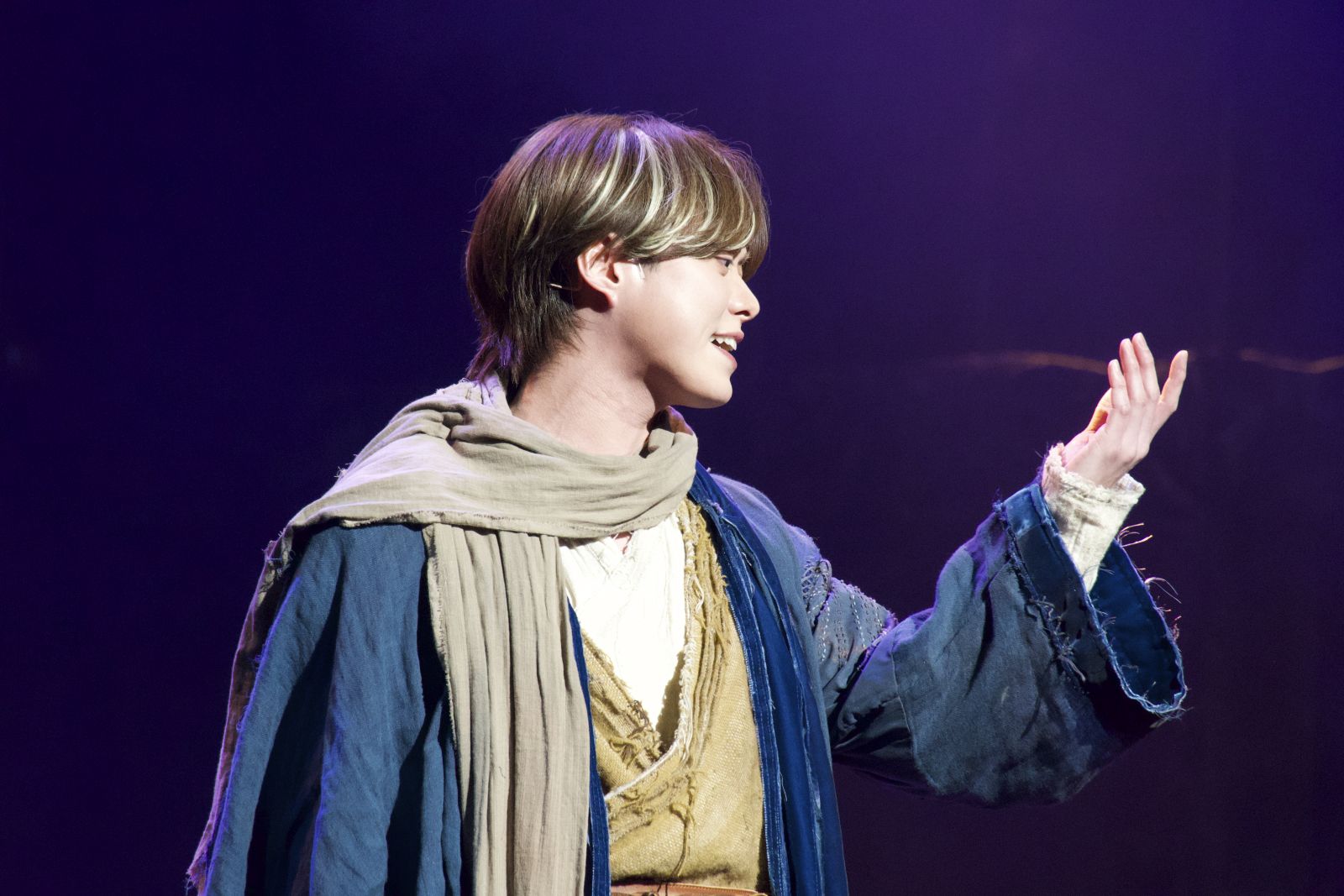
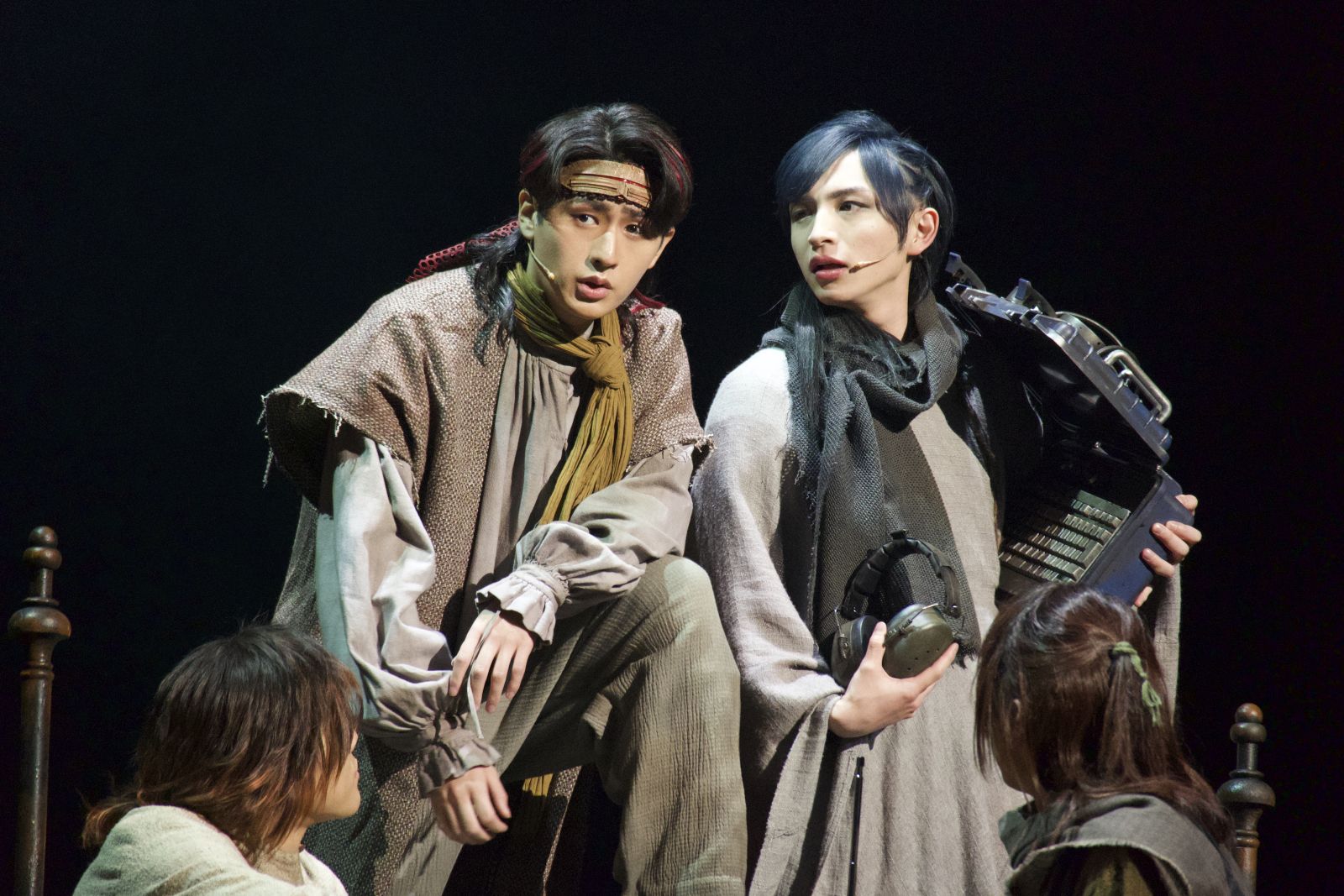
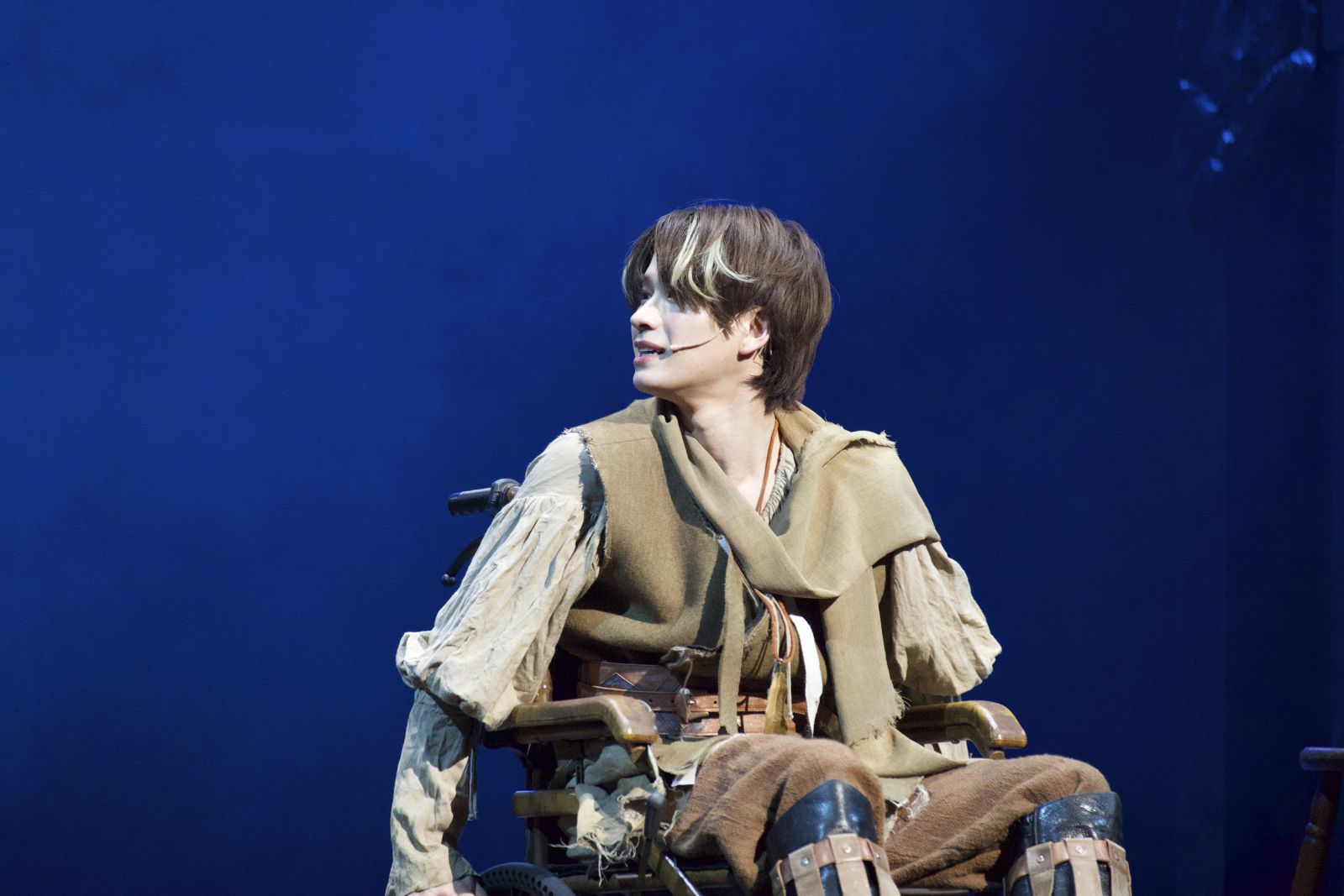
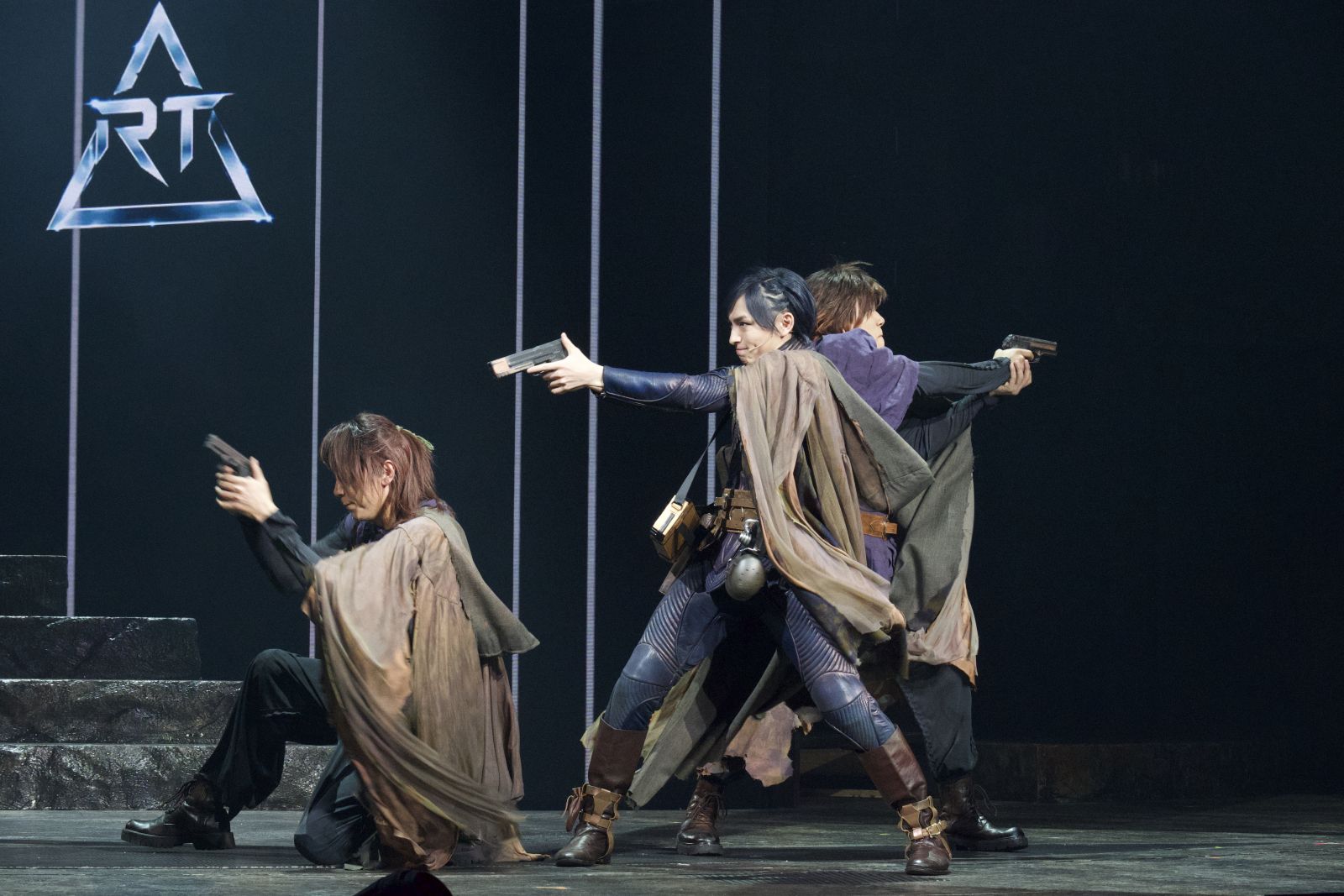
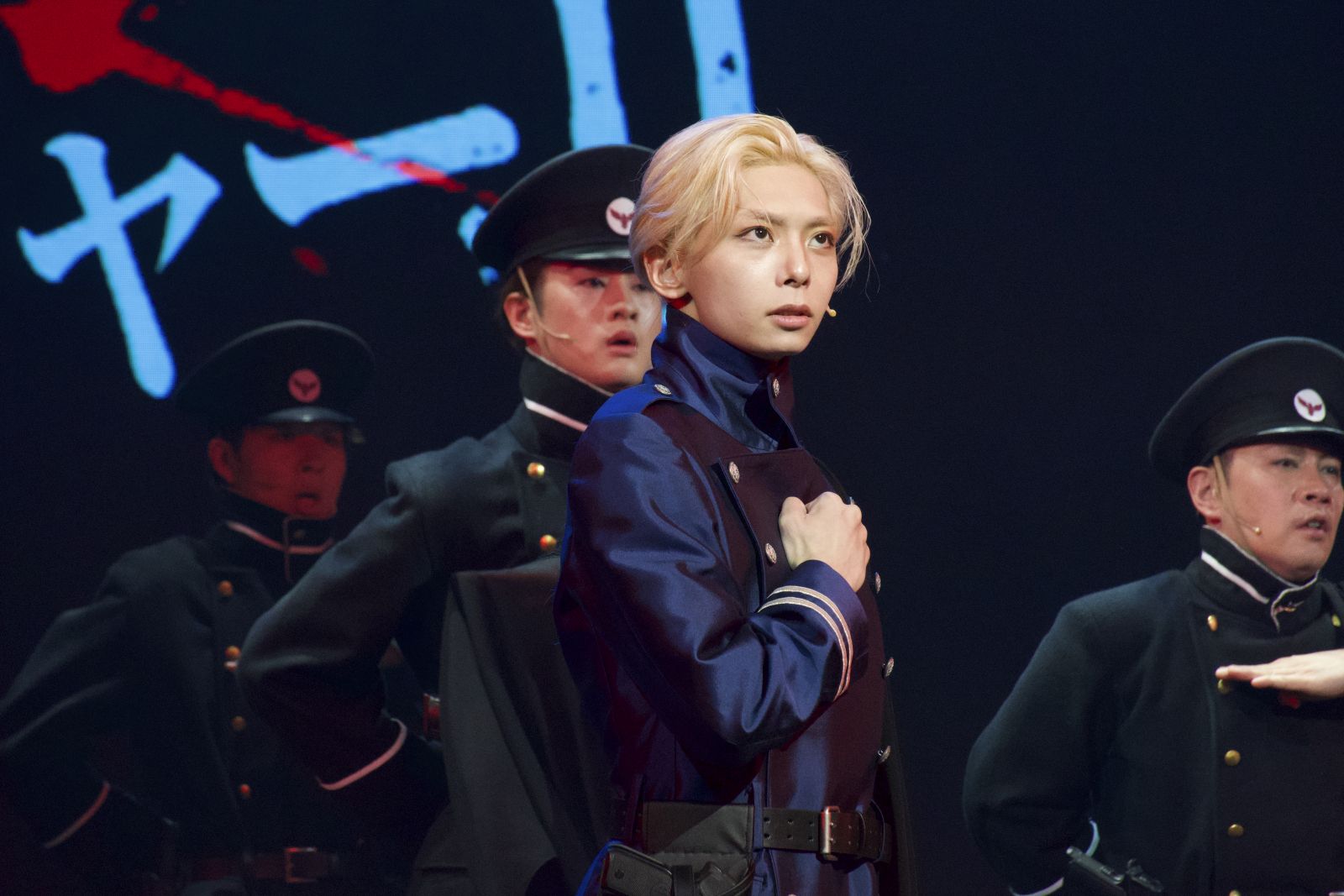
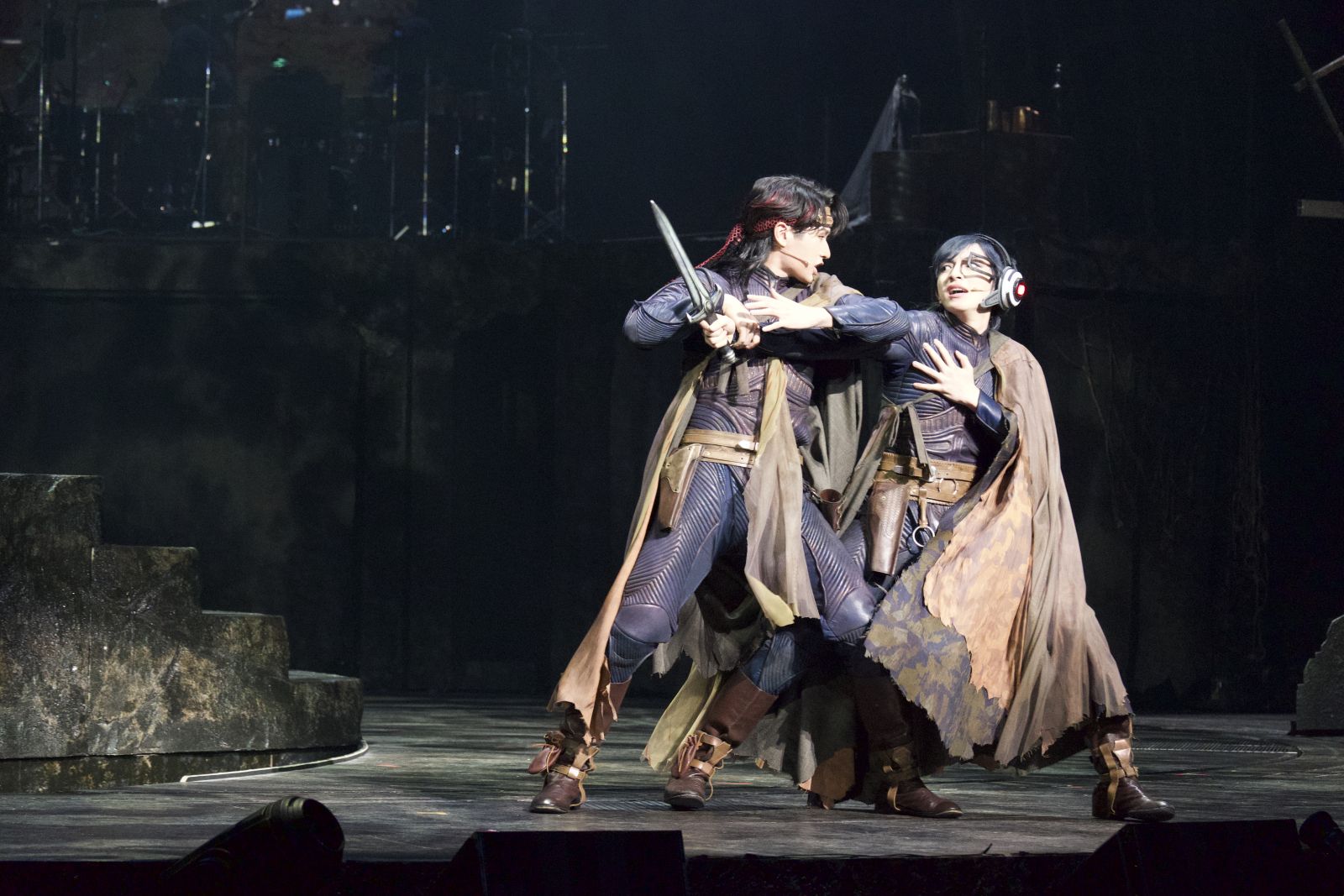
Photo Credit :[Ayaka Ozaki]
Reader Reviews
Videos