


Q&A: Director DeMone Seraphin On Helming AIN'T TOO PROUD at The Gateway Playhouse
The Helen Hayes Award nominee brings the electrifying story of The Temptations to the Bellport stage this season
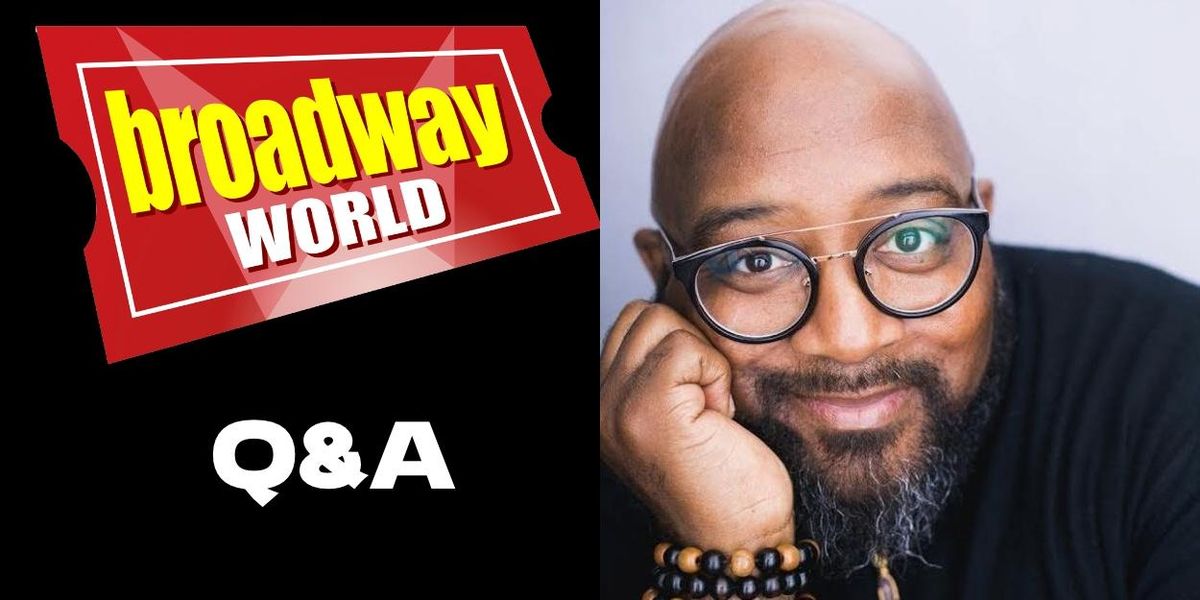
The Gateway Playhouse is bringing the electrifying Tony-nominated musical AIN'T TOO PROUD to the Bellport stage, charting The Temptations' extraordinary journey from the streets of Detroit to the Rock and Roll Hall of Fame. With a book by acclaimed playwright Dominique Morisseau and a score packed with timeless hits including 'My Girl,' 'Just My Imagination,' 'Get Ready,' and 'Papa Was a Rollin' Stone,' the show celebrates one of the most influential groups in American music history.
At the helm is director DeMone Seraphin, a Helen Hayes Award nominee whose directing credits include TOPDOG/UNDERDOG, HOW I LEARNED WHAT I LEARNED, and the world premiere of the Pulitzer Prize recommended play BILLY AND GEORGE at Avant Bard Theatre. His recent work also includes the world premiere of DON'T TOUCH T(HE)ART for New York Theatre Festival, the regional premiere of CHICKEN AND BISCUITS at Virginia Rep Theatre, and Jimmy Roberts's new musical WELCOME TO THE BIG DIPPER at the York Theatre.
As an actor, Seraphin has appeared on Broadway, nationally, and internationally in MISS SAIGON, RENT, RAGTIME, JESUS CHRIST SUPERSTAR, AIN'T MISBEHAVIN', and MAN OF LA MANCHA. He is also a proud member of the Tony Award recognized Broadway Inspirational Voices.
BroadwayWorld spoke with Seraphin about balancing concert-style spectacle with intimate storytelling, why The Temptations' music continues to resonate across generations, and what makes The Gateway the perfect home for this production.
How would you describe AIN'T TOO PROUD to audiences who may not know the show?
AIN'T TOO PROUD is far more than a jukebox musical. It's the story of Black artistry, brotherhood, ambition, survival, and the cost of greatness in America during one of the most turbulent periods in our nation's history. At its heart, the show follows The Temptations, five young Black men from Detroit who transformed pain, discipline, style, and raw talent into music that changed the world. Through their rise from the streets of Detroit to the heights of Motown superstardom, audiences experience the joy of their harmonies and choreography, but also the immense pressures they faced behind the curtain: racism, addiction, political upheaval, fractured friendships, and the emotional toll of fame.
What makes the show so powerful is that the music isn't simply there for nostalgia. The songs become emotional testimony. 'My Girl,' 'Papa Was a Rollin' Stone,' 'Just My Imagination,' and so many others become the soundtrack to a generation wrestling with identity, war, civil rights, love, and survival.
For audiences unfamiliar with the show, I would describe it as: the story of America in the 1960s and 70s told through the music and lives of The Temptations. It's exhilarating and deeply human at the same time. You leave the theater having heard legendary music, but also having witnessed the complicated humanity behind the polish, the sacrifice required to become icons. And ultimately, AIN'T TOO PROUD reminds us that music has the power to unify people across race, class, generation, and geography. The Temptations didn't just create hits. They created a legacy of resilience, excellence, and beauty in the face of impossible odds.
What makes this story resonate with audiences today?
What makes AIN'T TOO PROUD resonate so profoundly today is that, beneath the extraordinary music and dazzling choreography, it tells a story we are still living. It is a story about Black men striving for dignity, visibility, excellence, and humanity in a country that often demanded perfection from them while denying them peace. The Temptations were navigating racism, economic instability, political unrest, violence, addiction, mental health struggles, fractured brotherhoods, and the relentless pressures of public performance, all while being asked to smile, glide, and entertain the world with elegance and precision.
That tension feels incredibly contemporary. Audiences today recognize the exhaustion of constantly performing strength while privately carrying pain. They recognize the fragility of brotherhood under the weight of ambition and survival. They recognize the search for identity in systems that commodify talent but often neglect humanity. And they recognize the longing for connection in deeply divided times.
The show also resonates because it captures a moment when art became activism, when music was not merely entertainment, but a lifeline, a form of protest, and a declaration of existence. The Temptations' music emerged during the Civil Rights Movement, the assassinations of national leaders, urban unrest, and the Vietnam era. Today, as we continue wrestling with questions of justice, democracy, race, masculinity, and belonging, those themes land with renewed urgency.
And yet, despite all the hardship woven into the story, AIN'T TOO PROUD is ultimately about resilience. It is about people who kept singing anyway. Kept creating anyway. Kept believing anyway. That is what audiences respond to. The show reminds us that joy itself can be an act of resistance. That elegance can coexist with struggle. That beauty can emerge from brokenness. And that music, especially Black music, has always carried the power to heal, unify, and help us survive impossible times.
How are you approaching the balance between concert-style performance and storytelling?
My approach is rooted in the belief that the music and the storytelling must be inseparable. The greatest Temptations songs are not interruptions to the narrative. They are the narrative. Every number has to emerge from emotional truth, historical context, and the inner lives of these men.
So while audiences absolutely come to experience the thrill, precision, and electricity of a Temptations performance, the iconic choreography, the harmonies, the sheer exhilaration of the music, I'm deeply interested in what exists underneath the polish. What did it cost to maintain that level of excellence night after night? What tensions were simmering beneath the synchronized movements and matching suits? What personal wounds were hidden behind the smiles? That's where the storytelling lives.
I think the balance comes from refusing to treat the concert elements as nostalgia alone. The performances have to feel urgent, alive, and emotionally motivated. 'My Girl' should not simply be a hit song the audience recognizes, it should feel like hope. 'Papa Was a Rollin' Stone' should feel like fracture and reckoning. 'Cloud Nine' should feel like escape, rebellion, and the changing consciousness of America.
In many ways, I'm approaching the show as a memory play. The music becomes the vessel through which these men remember, celebrate, mourn, compete, and survive. The transitions between scenes and songs should feel fluid, almost cinematic, so that audiences are constantly moving between spectacle and intimacy.
And I think that balance is especially important today because modern audiences crave emotional authenticity. They want the excitement of a concert experience, yes, but they also want to understand the humanity behind the iconography. If we do the work honestly, audiences won't simply leave humming the songs. They'll leave feeling like they've encountered the souls of the men who sang them.
What excites you most about directing this production at The Gateway?
What excites me most about directing AIN'T TOO PROUD at The Gateway is the opportunity to bring this story of Black excellence, resilience, and artistry to a community through a deeply immersive theatrical experience. The Gateway has a remarkable legacy of producing work at a grand scale while still creating an intimate connection between the audience and the story, and that combination feels perfect for this piece.
What's especially thrilling is that this isn't just a celebration of iconic music. It's an opportunity to excavate the humanity behind the legends. The Temptations' journey is filled with ambition, brotherhood, conflict, heartbreak, triumph, and survival, and I'm excited to explore all of those layers with honesty and theatricality.
I'm also excited by the chance to examine how this story speaks directly to our current cultural moment. The social and political turbulence that shaped these men, questions of race, identity, masculinity, power, protest, and belonging, continues to reverberate today. There's something profoundly moving about gathering in a theater right now to witness artists who transformed struggle into beauty and division into connection through music.
And finally, I'm excited about the artists themselves. AIN'T TOO PROUD demands extraordinary performers, actors who can simultaneously carry the athleticism of a concert, the vulnerability of a drama, and the spiritual charge of live storytelling. There is nothing more invigorating to me as a director than building a room where artists can fully bring their hearts, histories, and brilliance into the work.
My hope is that audiences at The Gateway leave not only entertained, but transformed, feeling the joy of the music, the weight of the history, and the enduring power of Black artistry to move, heal, and unite people across generations.
What can audiences expect when they come to see the show?
Audiences can expect an experience that is electrifying, emotionally rich, and deeply human. AIN'T TOO PROUD delivers the excitement and energy people hope for when they hear the music of The Temptations, the extraordinary harmonies, the iconic choreography, the unforgettable songs, but what makes the experience truly powerful is the story underneath the music.
This production invites audiences beyond the polished image of the group and into the lives of the men themselves: their brotherhood, their ambition, their humor, their pain, their triumphs, and the sacrifices they made in pursuit of greatness. You'll witness not only the creation of legendary music, but the emotional and historical forces that shaped it.
Audiences should expect to laugh, sing, reflect, and, at times, be deeply moved. The show moves through some of the most transformative decades in American history, the Civil Rights Movement, the Vietnam era, political unrest, cultural revolution, and it explores how artists navigated those shifting landscapes while trying to hold onto themselves and each other.
Visually and musically, the production will be thrilling. The movement, rhythm, and staging are designed to immerse audiences in the pulse of Motown and the kinetic energy of live performance. But alongside that spectacle is intimacy, quiet moments that reveal the vulnerability and complexity of these men behind the fame.
Ultimately, audiences can expect more than a night of nostalgia. They can expect a story about survival, brotherhood, identity, and the transformative power of music. My hope is that people leave the theater not only humming these timeless songs, but also carrying a deeper appreciation for the humanity, resilience, and artistry that created them.
Why does the music of The Temptations continue to matter today?
The music of The Temptations continues to matter because it speaks to something timeless in the human spirit. Their songs are rooted in love, longing, hope, heartbreak, joy, struggle, and survival, emotions that transcend generation, geography, and time. Even decades later, the music still feels alive because it carries both extraordinary artistry and profound emotional truth.
What makes The Temptations especially enduring is that they were never just creating catchy songs. They were giving voice to the evolving emotional and political landscape of America. Their music grew alongside the country itself. Early songs embodied aspiration, romance, and elegance, while later works like 'Cloud Nine' and 'Papa Was a Rollin' Stone' confronted social unrest, disillusionment, addiction, and fractured identity. You can hear America changing inside the music.
And audiences today still recognize those struggles. We are still wrestling with questions of justice, belonging, masculinity, community, division, and hope. We are still searching for connection in turbulent times. The Temptations' music reminds us that art can help people endure uncertainty while also imagining something better.
There is also something deeply radical about the excellence they embodied. These were Black men who crafted precision, beauty, sophistication, and innovation during a time when the world often sought to diminish them. Their artistry became both cultural expression and quiet resistance. They transformed pain into elegance and hardship into harmony.
And, simply put, the music is masterful. The harmonies, arrangements, rhythms, and storytelling remain astonishing. Younger generations continue discovering the music because great art refuses to expire. When audiences hear those opening notes of 'My Girl' or 'Ain't Too Proud to Beg,' something immediate happens. People connect. Across generations, people remember where they were, who they loved, what they survived, or what they still hope for.
That is why the music endures. It doesn't merely entertain us. It reminds us of our shared humanity.
The Gateway, also known as The Gateway Playhouse or the Performing Arts Center of Suffolk County, is a premier professional regional theatre in Bellport, New York. As Long Island's oldest professional theatre, it is recognized as a top ten summer theatre nationwide and features professional productions, including Broadway-style musicals.
For tickets and information, visit www.TheGateway.org or call 631-286-1133.
Sign up for all the news on the Summer season, discounts & more...

|
Dear Evan Hansen John W. Engeman Theater at Northport (9/12-10/25) |
|
Sesame Street Live: Elmo’s Got the Moves Patchogue Theatre (10/14-10/14) |

|
The Addams Family-A Musical Comedy Lighthouse Rep Theatre Company (9/18-9/27) |

|
Yerma BACCA Arts Center (9/19-10/04) |
|
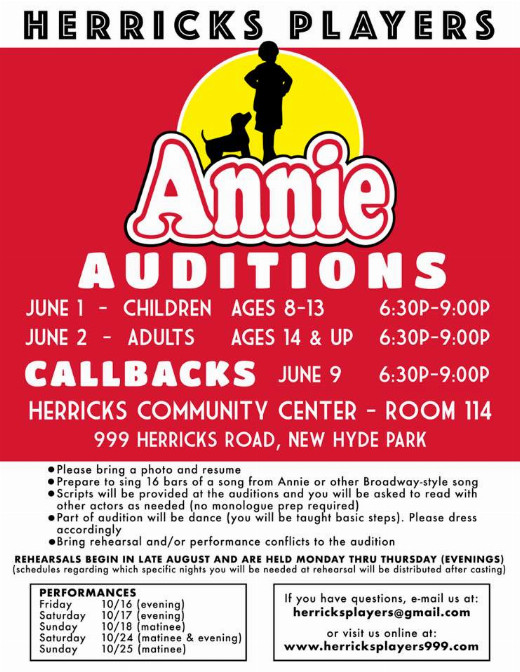
Annie Herricks Community Theater (10/16-10/25) |

|
Funny Girl The Gateway (1/22-2/21) |
|
Mo Willem's Elephant & Piggie's We Are In a Play The Noel S. Ruiz Theatre (5/15-5/30) |
|
The Figs Little Theater (10/23-10/25) |

|
Jessica Vosk: Sleigh Staller Center for the Arts (12/11-12/11) |
|
Jennifer Frautschi & Christina Dahl in Concert Staller Center for the Arts (10/28-10/28) |
