


Review: THE CRUCIBLE at Lisner Auditorium
Washington National Opera's season must go on
 Click for Tickets!
Washington National Opera’s 70th anniversary season has already been eventful and unusually symbolic. Since leaving the Kennedy Center because President Trump took over its Board and leadership, WNO has relaunched as an independent non-profit and relocated performances to George Washington University’s Lisner auditorium nearby. This is the place WNO performed for the first time 70 years ago.
Treemonisha was the opening show in the new/old venue earlier this month, The Crucible runs through March 29, and West Side Story in May will round out a trio of American stories, in honor of our nation’s 250th anniversary. Though opera supporters could be heard griping about the amount of stairs at Lisner, they were clearly glad to see the company carrying on. General director Timothy O’Leary and artistic director Francesca Zambello received a standing ovation simply for walking on to the stage.
Once they managed to get in a word of thanks, the lights dimmed, the crowd settled, and act I opened with the familiar sound of summer crickets in a temperate forest. The calm before the storm.
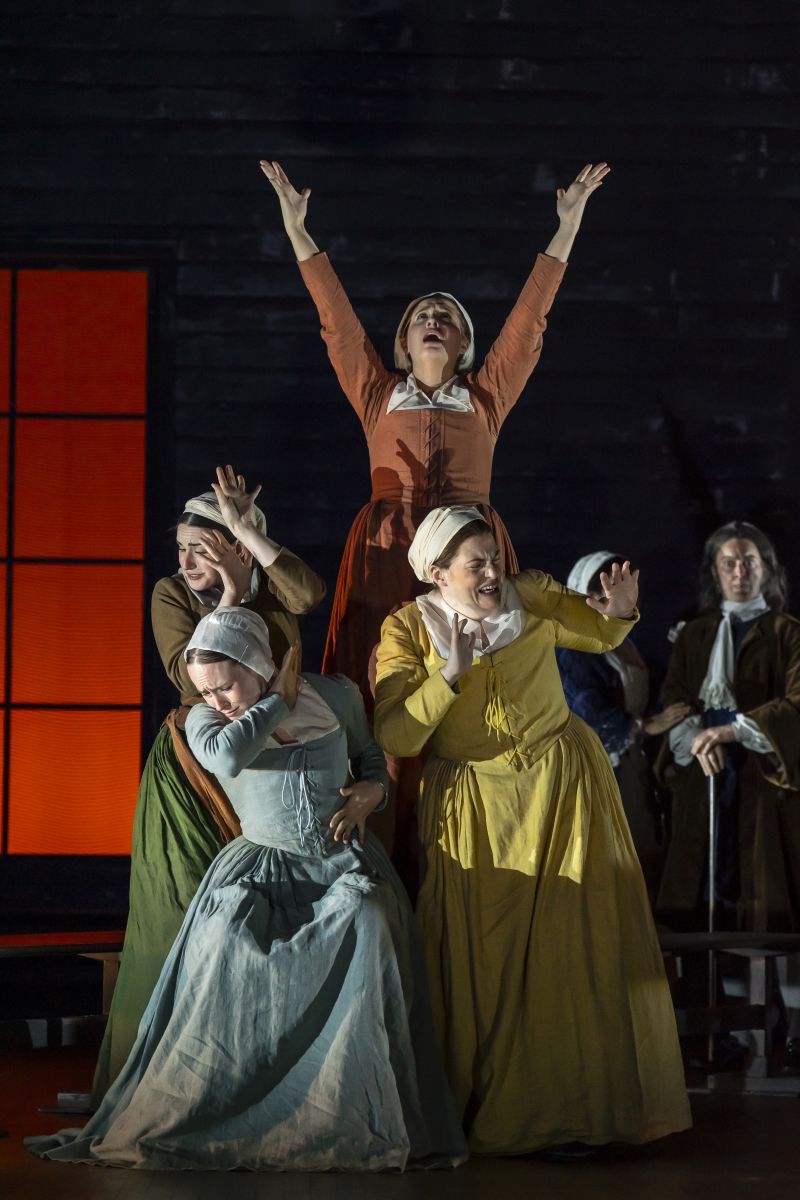
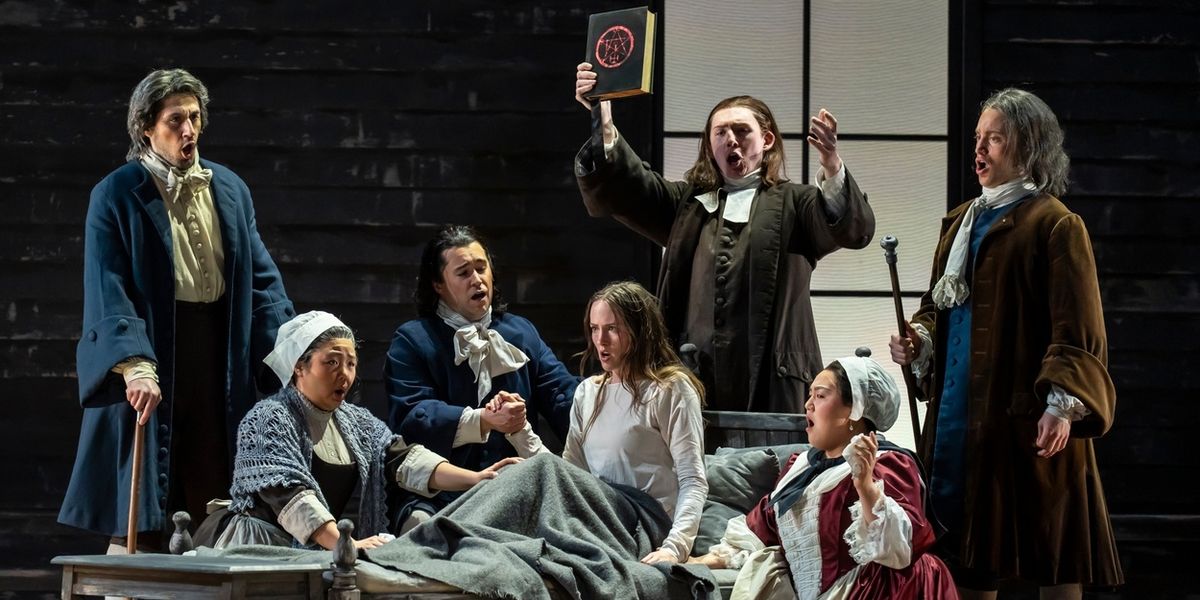
The opera version of The Crucible sticks closely to Arthur Miller’s intense play about the Salem witch trials; the libretto is really just a shortened version of Miller’s original text. WNO’s rendition is careful and exact. Every artist gives a highly technical performance without a single stray note. The set, costumes, and production are all expertly subtle. The staging could be an example of classic operatic staging in a textbook. Zambello did not innovate, modernize, or stray from the template in her direction.
In many ways, this is a fitting style for a puritan tale. Characters like Judge Danforth, Reverend Hale, Revered Parris, Thomas Putnam, and John and Elizabeth Proctor work well. But Abigail Williams, on the other hand, is supposed to be an agent of chaos.
Lauren Carroll performed well, but she did not come off as nearly crazy enough. Abigail Williams must be unpredictable because she herself does not know what she’s doing. She is unleashing her power on the town and discovering the extent of it along with us. She should have wild eyes, manic energy. She should be totally unhinged. And how can you do this when every note and every movement is choreographed down to the smallest detail. It limits the character. It didn’t help either that Abigail and the girls in her cabal were presented and acted as fully grown adults to the extent that constant addresses to them as “child” felt out of place.
Different choices might have allowed for more of Abigail’s chaotic energy, but some of the performance’s limitations are built into the assignment. Shortening Miller’s four act play into a two act opera necessarily reduces some of the character complexity and development. It also reduces tension achieved through a slow, winding build. In its reduced form, the drama is at a 10 out of 10 the entire time.
The music follows this same incessant path. There are some beautiful melodies, but it’s mostly scene music and dialogue. There is no central aria, no climax, no one tune that you’re left with in your head at the end.
This constant high intensity ends up flattening the show. No build means no reward - no breakthrough aria nor breakthrough scene - just a constant barrage of drama, which is then multiplied by the inherent drama of the operatic form. So when the girls are screaming and falling on the floor of the court house during John Proctor’s testimony, it’s barely noticeable because everyone has been screaming and falling on the floor since the first scene. This is just the kind of thing that happens in an opera. It’s normal. But The Crucible is abnormal. The whole point, and what makes it so impactful, is that this unbelievable story happened in real life.
Partly because of this, The Crucible is an unavoidably powerful tale, especially when told by talented performers like those at the WNO. It’s an ever-applicable reminder of the horrors of group think and religious extremism, of the danger in accepting narratives without questioning, and of how quickly passion can spiral out of control. Perhaps most importantly, it’s a reminder of how innocuous the first hints of this spiral tend to seem. How much sense it makes at the time to do what everyone else is doing. How it feels harmless and then it feels right, moral, good. By holding to such an extreme pace, the opera is missing this subtlety at one end and Abigail’s peak chaos at the other. The story loses some, though not nearly all, of its power by being so compressed and so tightly controlled.
Runtime: 103 minutes plus a 25-minute intermission
Sign up for all the news on the Fall season, discounts & more...
|
Brian Henson's Puppet Up! Lincoln Theatre (9/30-9/30) |
|
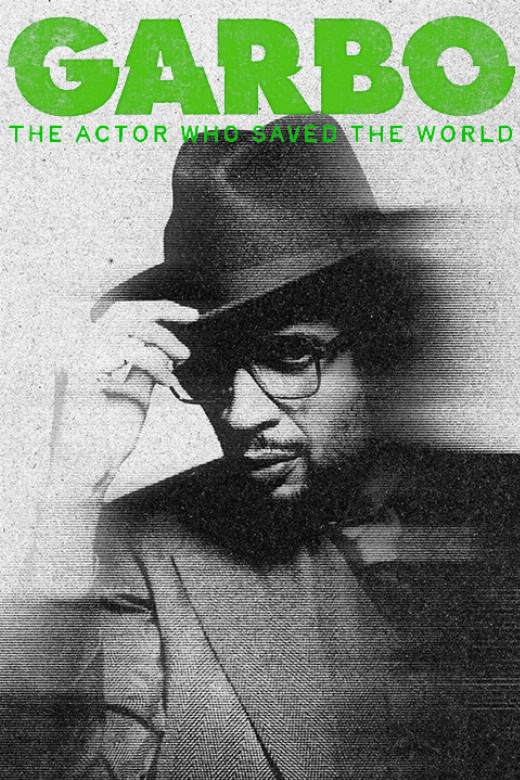
GARBO: EL ACTOR QUE SAVÓ AL MUNDO (Garbo: The Actor Who Saved The World) GALA Hispanic Theatre (9/03-9/27) |

|
Mr. Burns: A Post-Electric Play Clarice Smith Performing Arts Center (10/09-10/18) |

|
Special Event: ARTS By George!: Jeff Goldblum and the Mildred Snitzer Orchestra Center for the Arts (10/03-10/03) |

|
The Second-Best School Shooting NextStop Theatre (9/17-10/11) |

|
Coming to America: An Immigrant Cabaret ExPats Theatre (9/30-10/18) |

|
Some Like It Hot Bernard Family Theatre, Olney Theatre Center (9/18-11/08) |
|
Stonewall's Bust The Writers Center (10/09-10/25) |
|
Crowns Olney Theatre Center (1/31-3/07) |
|
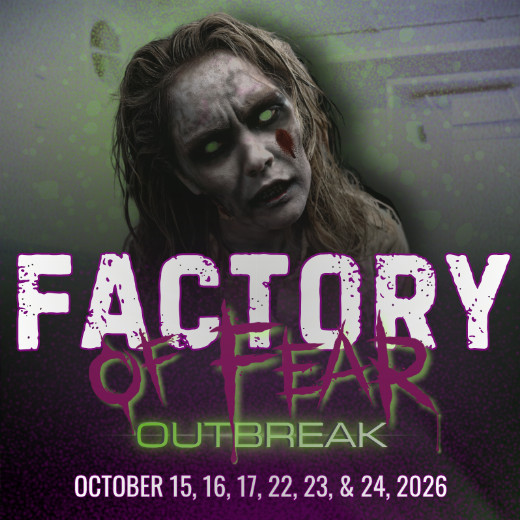
Factory of Fear - Outbreak ARTfactory (10/15-10/24) |

Reader Reviews
To post a comment, you must register and login.