


Interview: Peter Fernandes of ONE FOR THE POT AND SLEUTH at Shaw Festival
The actor-director discusses his eventful fifth season at the Shaw Festival.
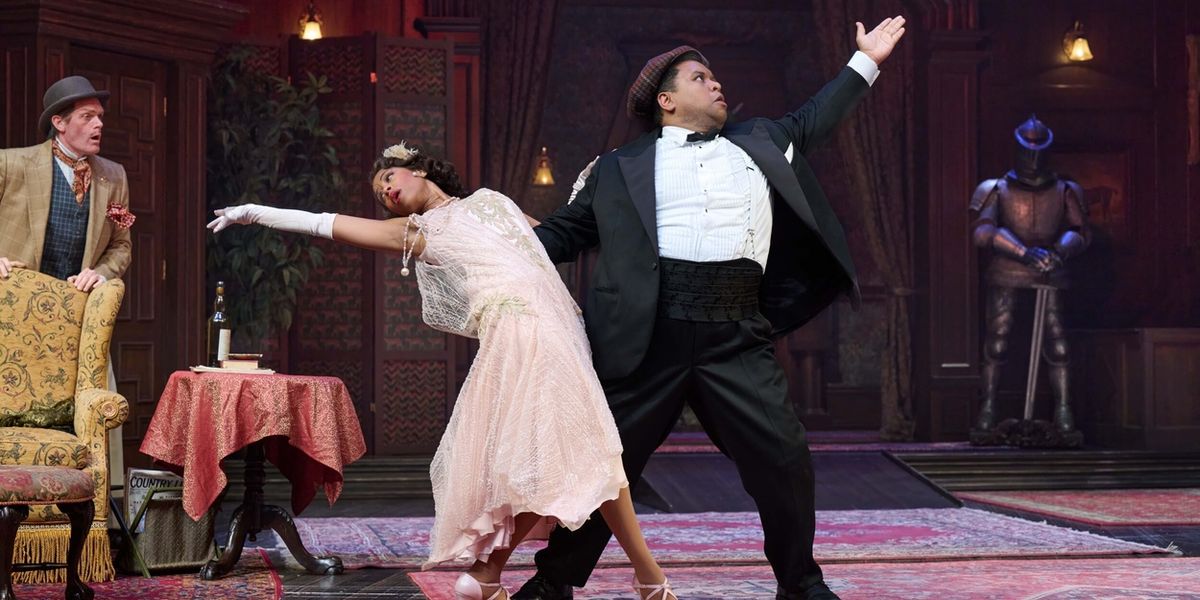
Peter Fernandes is busy this season at the Shaw Festival, celebrating his professional directorial debut with the crime-thriller Sleuth, and also starring as the multiple Hickory Wood brothers in the classic British farce One for the Pot.
BroadwayWorld spoke with Fernandes to discuss both projects, early theatrical memories, portraying several characters in a fast-paced farce, playing games with audiences, and his experience as a first-time director with the Shaw Festival.
Did you grow up watching a lot of theatre? What were some of the most memorable theatre-going experiences you’ve had that have stuck with you?
I grew up watching a lot of musicals. Musicals were my way into theatre. My family would, funnily enough, we'd watch shows in Vegas. I watched We Will Rock You in Vegas. But a memorable experience for me would be: on my first trip to New York, I watched Passing Strange and that has been an integral piece of theatre for me. We won the lottery for it, my brother and I, and we sat close to the front row. And the message of this Black artist trying to find the real in their art and moving through all these places, and having to move away from family and then try to reconnect with family was so moving that I just got up onto my feet at the end and was just bawling. I was like, Oh, this is the power of theatre. I can't escape it now. And so, you know, stage dooring afterwards and just gushing and crying in front of that cast. It was such an important piece to me in my development as a performer, and then I got to be in the Canadian premiere of it. Passing Strange is a piece that I hold near and dear to my heart, and is always the piece that I go back to as one of the most memorable pieces of theatre in my life.
Was acting always what you knew you wanted to pursue as a career, or did you have something else in mind?
You know, pretty early on, I would say acting was there. Sure, when you're a kid, you're going like, firefighter, superhero [as careers]. When I was in elementary school, I'd do all the school performances. I did The Wizard of Oz in grade six and I played the Cowardly Lion. In that show, I had to faint in front of an audience and then I made them laugh, and I thought, Oh, yeah, this is, this is for me. This is what I want to do. So pretty early on I decided that theatre was what I wanted to pursue.
What made you know you wanted to pursue directing?
I think I've been fortunate enough in my career that I've been put in rooms that are really collaborative, where you're given a little bit more responsibility outside of just thinking about your own character, and you're starting to think of the piece as a whole, creating with your other actors on stage, and having ownership of what you put up on stage. A little bit more ownership than usually associated with performing. A few years back, those opportunities started to light a little spark in me – a little nervous, exciting spark, and I thought, I wonder what it would feel like to be responsible for some of that dialogue with the audience, or responsible for putting up your version of this show, or being responsible for some of the questions that the shows ask? It's always been about fact-finding for me. All of a sudden, that spark happened, and I went, Let's scratch that itch a little bit and see if I keep getting excited by it. Luckily, at the Shaw Festival, they had a program where you get to assistant and associate direct: the Neil Munro Directing Internship. I thought, I have a connection to this company. I love working in the collaborative spaces that this company fosters. What a great place to learn. So I pursued that [opportunity] just to see if it [directing] still held my interest. I was fully aware that maybe I'd go into it and hate it, but, in fact, it just drew me in more and more. I got more and more excited about it. It kind of reminds me of when I first started acting, that same curiosity and nervousness and excitement. All that nervous and exciting energy was present as I keep pursuing these directing opportunities. So that's what's keeping me going.
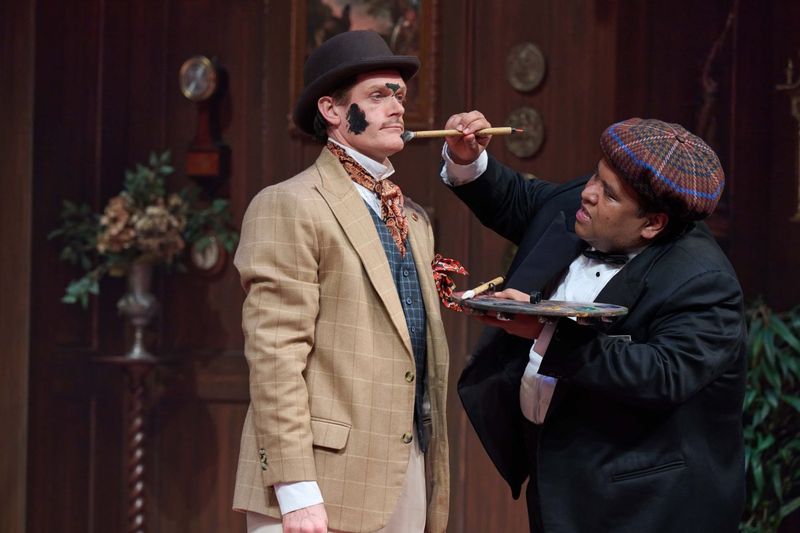
You’ve acted in a lot of Shakespeare plays and more serious, dramatic work. What appealed to you about performing in a British farce like One for the Pot?
I think it's funny because a lot of the work that I do, even in the shows that would be categorized as more serious pieces, have always been comedic roles. I think I really lean into comedy. I have a great respect for comedy and making people laugh, and I like to approach that with rigor, and I love directors who approach that with rigor. I did One Man, Two Guvnors last time I was at the Shaw Festival, and that was a more modern take on a farce – it was written in 2000, so it had that modern sensibility. Now, with One for the Pot, it's so interesting to go back to see what the roots of a farce are, to see what a Whitehall farce is like, and that was really appealing to me. But also, there's the incredible challenge of having to play multiple roles, to play triplets in the show. I think that was scary, and you should always kind of look at the things that scare you a little bit. Also, I knew that there was going to be a great team behind One for the Pot. I get to be reconnected with Chris Abraham, who directed One for the Pot and who directed One Man, Two Guvnors, and [whom] I've worked with a lot at Crow's. So, I knew we were gonna be in good hands, and that he was assembling a team that brought a lot of people from One Man, Two Guvnors, so we had this shared language that we could play off of.
In this play, you’re playing multiple characters with distinct personalities and accents. How did you work to distinguish each character?
We have a great team at the Shaw Festival, and we have a whole host of coaches, movement directors, fight directors and dialect coaches. We have an incredible dialect coach, Jeffrey Simlett, who I got ahold of very early on, because I was afraid of some dialects in this show. There were just some things that I hadn't approached before, and so it's great to have that resource there. He sent me a lot of resources for the multiple different dialects and then together we discussed why I was leaning towards a certain one, and maybe we could explore more in that area, so that we got more and more specific. In terms of differentiating the characters outside of just the dialect, the script is a great place to go back to. They've done a great job of mapping out how these brothers are different from each other, not just in the way they speak, but in the way that they react to certain events in the show. The way that the other characters speak about them are great clues as to how they're acting throughout the show. So, it's always going back to the script, leaning on our coaches and, of course, leaning on our director, Chris Abraham.
I guess this is more in the rehearsal process, but did you ever find yourself confused as to which character you were playing at a certain moment, given the fast pace of the play?
Not just in rehearsal. I think there was one point a couple weeks ago, where just before I went on, I went, Oh, I'm the other brother. I put away a prop. There are a lot of fast changes and whenever I'm off stage I'm just running to the next one. So yes, when you're not really sure and your body hasn't mapped it out for you entirely in rehearsal, there are several points where I came in going, Uh, which one? Which section is this now? But who I really feel for is actually Martin Happer. He's got the harder job, and he does this so well, because all he sees is just me entering again and he has to start the scene, he has to be the person who drives the story forward. I have such deep admiration for Martin because he was rarely confused and he has the harder lift. So yeah, there are moments where I'm a little confused. Luckily, now we've had so many runs, we've had a nice long preview process, that I'm more comfortable and I know now that, This entrance means I'm coming in as this person. But in the beginning, because it moves at such a quick pace, it was confusing. It was confusing, especially if you don't have all the props and costume bits right away. We had a lot in the room, but especially when you don't have that to lean on sometimes it got confusing.
Comedy is very reliant on not only the performers but the audience as well. Have you ever encountered an uncomfortably quiet audience during the run, and, if so, how did this affect your performance?
Sure. I think we've all come in contact with audiences that are quieter than you would like them to be or quieter than you expect them to be. But we are confident in the work and we know that that's always part of the game with a comedy, that you are responding and playing with the audience. So, I see it as another opportunity to play a different game with the audience. Oh, I'm going to drive this moment a little more, drive the momentum a little more. I'm gonna hold back a little bit so that they're hearing everything that they need to hear. They're laughing a little bit more in this section, so maybe I'll lean in a little bit more in that section. It doesn't affect, you know, necessarily what we rehearse. We have rehearsed this show with room for that play. It is a game; it is playing with the audience. Any quiet audience is still getting an amazing show, we're just playing with them in a different way, and I think that's what's great about not just comedy, but theatre in general. The audience is an integral part to any show. I think you should always be playing that game with an audience.
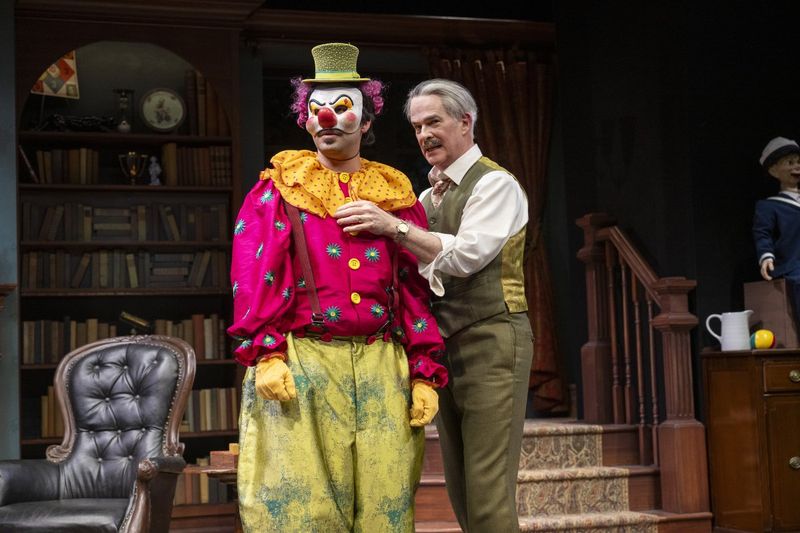
You’re a relatively new director and I believe this is your first time directing a professional production outside of the Shaw Festival Directors Project. Were you intimidated by the task of directing a production at the Shaw Festival, or did you feel relatively at ease?
Oh, I was so intimidated. I was so intimidated by this process. You're right, this is my professional directorial debut, and to make it at one of the biggest festivals was really intimidating. Not only that, I knew that it was opening the season. It would reopen the Court House, as we put programming in there as the Royal George gets renovated. I knew pretty early on that we were transferring to Toronto, so there was already a lot of pressure on this show. But what put me at ease was that I felt like there was no better place to make my debut, because I have such a great respect for and a lovely relationship with the people here. I love the ensemble, I love the leadership here, and I could feel their trust and their support throughout the process. So that's what put me at ease. I knew that they were going to take care of me, and that they had this trust in me, and they believed in me, and that was really motivating to make sure that I was prepared for this. And having a relationship with the Shaw Festival as a performer and then as a directing intern really set me up for this season. I felt that, you know, if I ever needed help or guidance, that there were people here to help me.
What about Sleuth appealed to you as a directing project?
Well, Sleuth was actually brought to me by TC [Tim Carroll] the artistic director of the Shaw and he said, "Have a read and let's see what you liked about it." And funnily enough, I found it really funny. It's really naughty; it's witty; it's sharp. I was really drawn to the comedy of it. But also, I realized that I was a huge fan of murder mysteries, and the two projects that I had assistant directed were in that genre as well. I assistant directed on Witness for the Prosecution, an Agatha Christie play, and Sherlock Holmes and the Mystery of the Human Heart by Damien Atkins, which was a take on Sherlock Holmes. So, you know, the murder mystery was circling around me and I was really interested in the genre, and Sleuth was an homage to that genre, but also a subversion of that genre. It recognized these tropes that Agatha Christie had set up and was using that against the audience. Like I said earlier, I love playing a game with an audience in a comedy, and Sleuth was playing multiple games with the audience in various ways that were really exciting to me. When I first read the show, I was surprised, because I wasn't familiar with the play before and I hadn't seen the movies. So I was taken aback, because Anthony Shaffer was playing a game in the script as well for the first-time reader, and I thought that was fantastic. So I was really excited to surprise an audience in a different way.
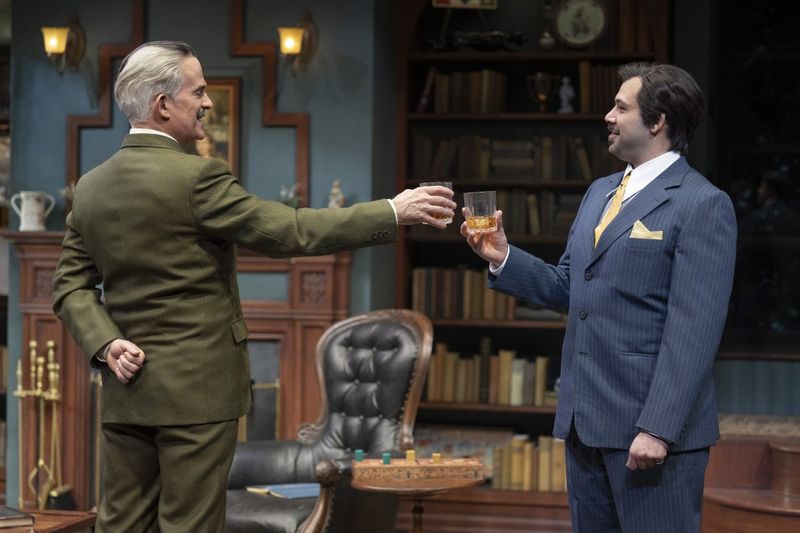
You’re directing your One for the Pot co-star Patrick Galligan in Sleuth. How did your relationship as co-actors impact your director-actor relationship?
I would hope very positively, you know? It was very positive for me. Patrick Galligan is an expert; he's a master at the craft of acting. I learn so much from him, being on stage with him. This will be our third project together – or I guess fourth, including Sleuth – but our third project as performers together, so I've learned so much about him. We have shared a lot of directors, so we have a shared language, and he was game, because he's seen me develop as a performer, so game to be a part of my growth as a director. He was aware when I was trying out new things, and clarifying my practice as a director, and was so open to however that manifested. I felt really supported by him in that process. I feel like we leaned on some language that other directors used with us, so that we were creating a shorthand, and since we've tackled scenes together, he knows how I ask questions about scenes. So, it was really lovely to just get to explore in a different capacity. It felt very familiar in a way, but also it was really motivating to my growth, because he was so game for any and everything.
You have several assistant/associate director credits on your resume and have worked with some talented directors on successful projects. What did you learn from watching some of these directors at work?
I'm still trying to hold onto this. It's hard as a new director, but I've been told this multiple times from those directors that I've worked with, and the directors that I feel are my mentors: You do not have to have all the answers right away. You are fact-finding. If ever you feel nervous, approach it from the point of just trying to discover new things. Just focus on the facts that are being put before you. I think that has been so important, not only in just my exploration of directing as a career, but just in the room practically when approaching a script. So I'm really trying to hold onto that, because as a new director, you just feel like, I need to know everything, have an answer to everything. That answer has to be the correct one and I need to know at every point what's happening. But if you've assembled an amazing team, you're discovering things together, and there are gonna be new things that pop up all the time and you have to be open to receive that. Because, most of the time, you'll be in the room and something that you hadn't considered will have happened, and you should be open to that opportunity and that exploration, and not shut it off just because you've laid out such rigid scaffolding. I think you have to be open to that. So that's what I'm trying to carry with me. You're fact-finding at all points.
You’ve had extensive experience with the Shaw Festival, one of Canada’s most highly-respected repertory theatre companies. What do you love about the Shaw Festival and its audiences that makes you keep returning?
The community here is incredible. It's so supportive. I love working for a rep company because over the years you begin to develop relationships. This is my fifth season, so I've had five years of working with some of the same people, so we're able to play in a different way, as opposed to somebody who I'm just meeting for the first time. We've developed our way of playing on stage together, so we're able to take a little bit more risk. We're able to follow one another when we're playing on stage. It's such a great company that fosters growth in their artists. As artists, we grow to have several interests, and I think that's really supported here. I'm not the first actor-director that has gone through this company, and I think that's a testament to how they support our interests, and support our relationship to theatre. In terms of the community that they've built in Niagara-on-the-Lake... I love all the friends, donors, the supporters of the Shaw Festival, because they really care. They really care about us. They're there after the show, I see them out in the town, and they're really invested in the Shaw Festival in the same way that the Shaw Festival is invested in their artists. They love to see us grow. They love to see how we've developed as artists, how we've developed relationships with each other. So when they see, for example, Marty and I on stage again, they're drawn to seeing how we've developed as a duo, for example, and, you know, there are Patrick Galligan fans out here in Niagara-on-the-Lake who have watched him for years and years. I think they really care about the growth of the company and they care about the growth of their artists, and I think that makes this place super special.
Featured Photo Credit: Michael Cooper
|
NORDIC GLORY Meridian Arts Centre (5/15-5/15) |

|
Valentine's Bachata & Social Dance Night | Access Ballroom Toronto Access Ballroom (2/13-2/13) |

|
GRAHAM100 Terminal Theatre (4/30-5/02) |

|
The Roll Players Comedy Bar Danforth (6/30-12/29) |

|
Not Dead Yet! - John Cleese and the Holy Grail at 50 The Elgin & Winter Garden Theatres (10/02-10/02) |
|
Creditors Canadian Stage (4/09-5/02) |
|
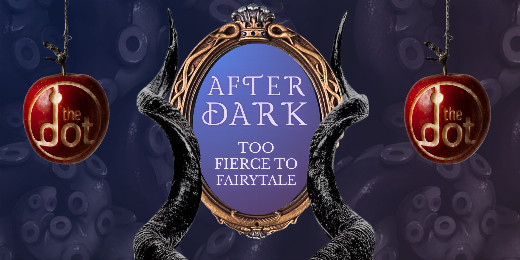
After Dark The Moonlight Lounge at TacoTaco (10/25-10/25) |
|
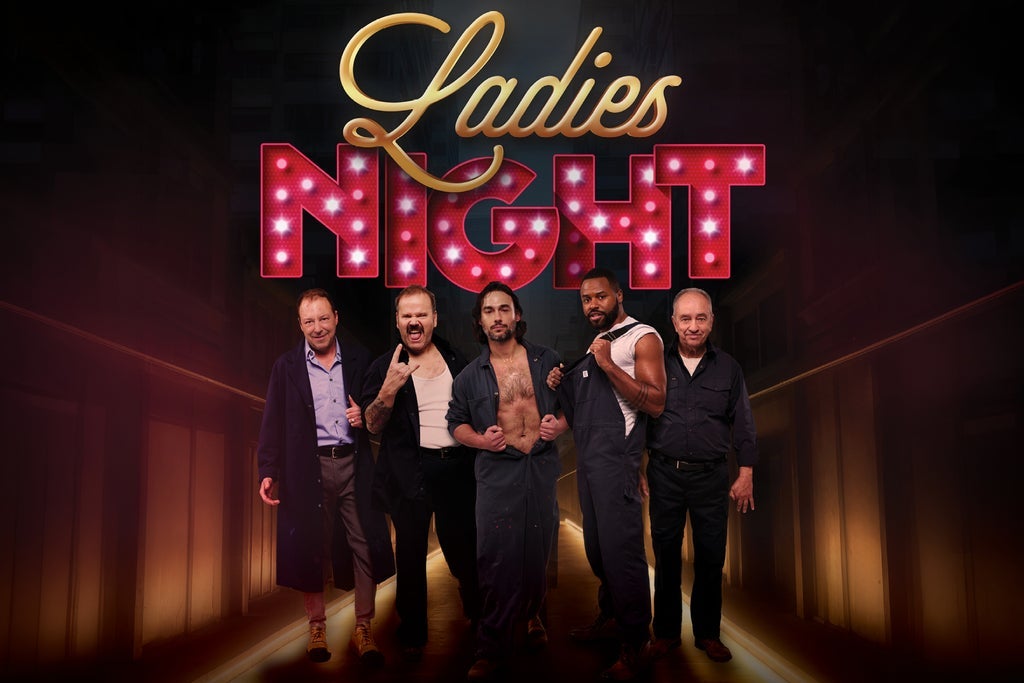
Ladies Night - Drôlement sexy Théâtre Capitole (1/22-1/23) |
|
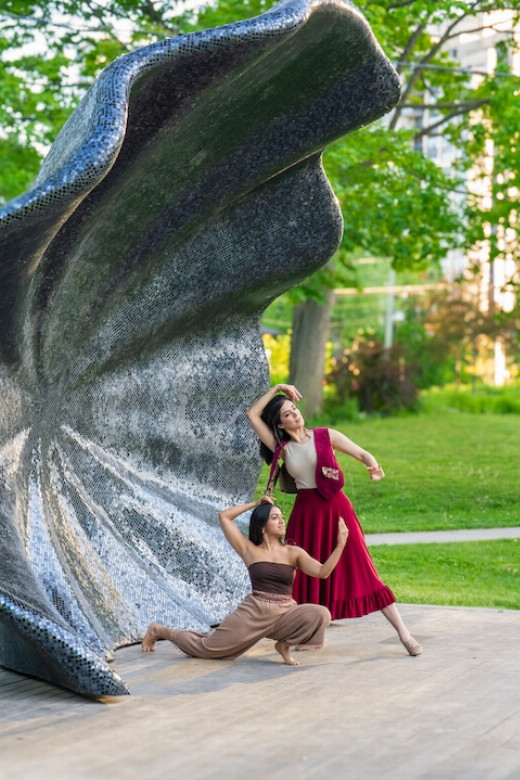
Common Ground Dance Days Lee Lifeson Art Park (9/25-9/26) |
|
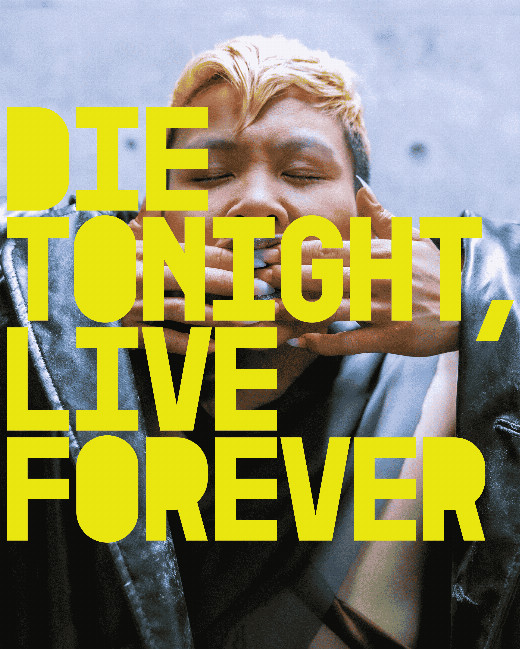
DIE TONIGHT, LIVE FOREVER or THE NOSFERATU PRINCIPLE Buddies in Bad Times Theatre (3/10-3/27) |
