


Interview: Dru Rutledge of GOOD GRIEF, DRU RUTLEDGE! at Fuse Theatre Ensemble
Rutledge's solo show runs Sept. 12-13 and 19-20.
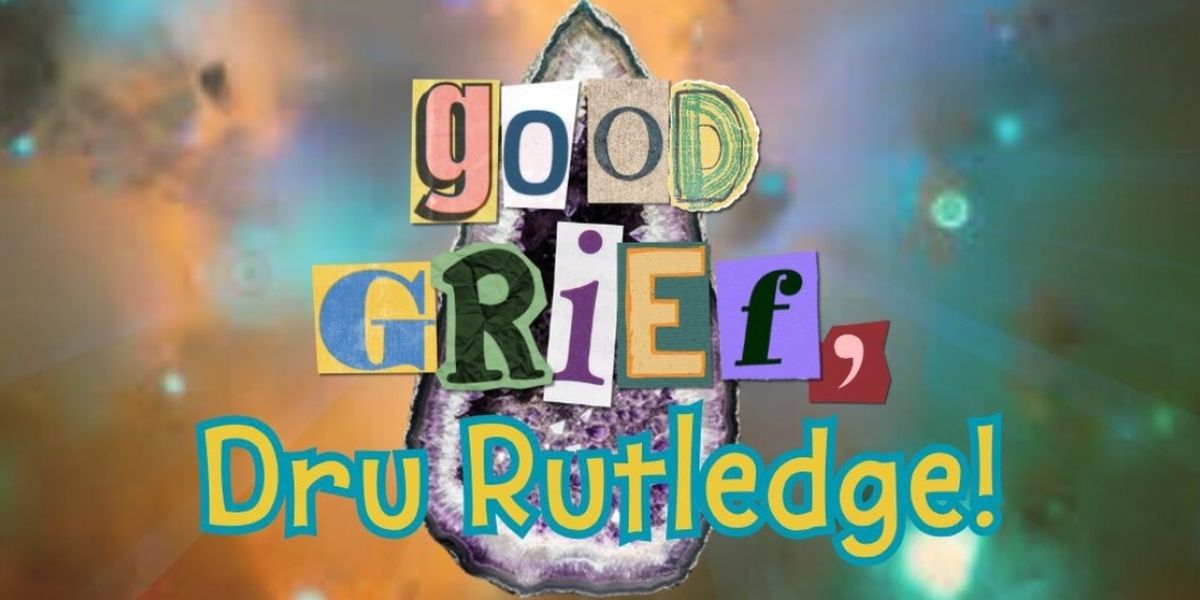
Dru Rutledge is a familiar face and voice in Portland’s musical theatre and opera scenes, having played roles like Sarah Brown in Guys and Dolls, Marian Paroo in The Music Man, and Laurey in Oklahoma!. She also teaches voice and writes and performs in original cabarets, including the annual holiday favorite Queer Eye for the Magi. More recently, she’s focused on anti-racism and interconnectivity work born out of the grief of losing her mother, M’Liz Crawford, last year, and the current state of the world.
The grief work now has a stage of its own. This month, Rutledge brings her solo cabaret Good Grief, Dru Rutledge! to Fuse Theatre Ensemble, after workshopping it at the Fertile Ground festival and performing it in her hometown. Here’s my conversation with her about the show.
Good Grief, Dru Rutledge! originally grew out of losing your mother, and then a home invasion in the same stretch of time. How did you come to the realization that you wanted to tell this story in a cabaret?
Dru Rutledge: Being a performer, I feel like this is my way not only to tell a story, but also to mark what feels important to me in life. When my mom died, which became the biggest thing in my life, I felt like I had to do something. Then when I had a home invasion about six months later, it solidified this amazing connectivity and deep cracking-open that I felt from my mom's passing.
I was actually already creating a show to perform for my parents on their next birthday. Both of them were born on March 4th, eight years apart, and I was calling it March Forth, like the command, but also the date. I never got to do that show for her, but the momentum to create something to honor her was already in motion. It just became the way I could actually grieve. As I say in my show, I'm from Kansas, and I wasn't taught how to grieve, or even how to process emotions. So, this is the only way I know how to do that.
The show has gone from Fertile Ground to Kansas and now back to Portland. How has it evolved along the way?
I'm so grateful I got to do it for Fertile Ground. That was uncomfortable on so many levels — self-producing is not for the faint of heart! Shoutout to Tamara Carroll [Fertile Ground’s Festival Director] and everyone at the festival for helping make it happen.
I wanted to tell the story of my 2025, which began with my mom passing on January 31st, then leading into a home invasion, and then the amazing support I received from friends, neighbors, and my community. I got some really cool feedback from people about how important it felt to them for their own reasons. So when I knew I was going to Kansas to visit my childhood best friend, I thought, well, we never had a service for my mom in Kansas, so it would be nice to do this there. It felt right to bring this grief practice to my hometown.
I had about 50 people at that performance: some family, some good friends, and some people who probably knew my name from when I used to perform there. It felt different telling the story to a group that isn't rooted in the Pacific Northwest, people who maybe share similar core values but walk through life very differently. From performing there and being in conversation with Midwestern folks, I learned what could be left out, what wanted to be developed further, and what most connected with audiences. That’s the step I’m at now: why keep telling this, and whynow?
And what's the answer?
I feel like a veil has lifted about how we're all connected, and grief is actually at the core of that. Grief is what gives me access to connect with people I disagree with, or who have caused me harm. I feel a deep need to share stories. I think that's what will connect me, in my journey through this life, with other people and with the deeper work I want to do, not only as a performer and teacher, but as a human trying to break down the systems that keep us apart.
How has the show changed since we last saw it here in Portland?
As a classical musician and a musical theater performer, we're used to schedules — we know what we're doing and what to practice before working with other people. With this, I’m listening to myself and trusting that my brain and heart will come up with things when they come up with them, rather than forcing something to happen.
The evolution right now is that the home invasion isn't as central as it was at first. It's still a massive piece for me, but I'm feeling that it can be more just mine. I want to dig deeper into what it means and into the moments that give us access to practice what feels like good grief, by which I mean actually feeling all the love and pain that grief provides.
Is there a song in the show that changes meaning for you every time you sing it?
Without giving too much away, the first and the last songs, because they are moments in the show that have the most connection to the people who are with me in the space. Those moments are what feels "good, alive" to me. I'm not just standing on stage crying about things and singing songs in between. I’m feeling connected to and supported by the 40 people who are in the house sharing it with me.
What’s that like, being in a room full of strangers responding to something this personal?
As a performer, when I go see shows, I'm like, "Give me a fourth wall. Do not break it, do not involve me." But some of the most transformative experiences I've had as an audience member have been ones where there was connection. So that feels important to me — to have connection, but also to have boundaries and consent, so people feel confident they can be in their own space.
For every performance, even in Kansas, I ask the audience to mask. I do it for disability justice reasons, to create a space that would have been safe for my mom, who had MS, to experience the art she loved so much. But I've also received feedback, and felt on stage, that it creates a kind of safety for people to experience emotions differently than they would if their face were exposed and they could see other people. I don't love performing to a masked audience because I love feeling the aliveness of seeing faces. But doing it this way is part of the good grief for me — good pain, good discomfort, for the sake of actual connectivity, for getting more people involved, whether it's for health reasons or for broken hearts that don't feel like they can experience grief in public.
Being classically trained, I'm always rooted in technique. In opera, you're told not to lose yourself, to stick to your technique. In musical theater, it's "be the character, embody it." This show is like the middle of that Venn diagram: how I can hold true to the center of my technique while also being vulnerable and emotional? The me of a few years ago wouldn't have been able to do an show like this. Everything would have gotten stuck in my throat, my voice would have cracked, the technique wouldn't have been there, because my technique and my emotions weren't married at all. And now if my voice cracks, I know there’s an embodied, present reason and that feels freeing.
Where do you see this piece going after this run? Does it have a future life?
I hope this continues, and that I keep connecting with people who want to be in this weird space of musical theater and grief and stories and ridiculousness. Right now it's a cabaret, but coming from opera and theater, the theatrical side is always interesting to me. Are there different ways to experience this and tell these stories? Could this become more of a theatrical experience than a storytelling cabaret? Whatever form it takes, I hope it continues, because it feels like the least I can do to honor my mom and her memory.
Good Grief, Dru Rutledge! runs for four performances - September 12 @ 7:30pm, September 13 @ 3pm, September 19 @ 7:30pm, and September 20 @ 3pm at the Backdoor Theatre. There will be a grief tender from Queer Grief Club available after each performance to offer support. Details and tickets here.
Prefer BroadwayWorld in Google Search?
Add us as a preferred source so our stories show up more often in Top Stories and Google’s AI answers — for you.
Sign up for all the news on the Fall season, discounts & more...

|
Join us for the 2026–2027 Season Portland Center Stage at The Armory (9/27-6/27) |
|
Hurricane Diane Ten Fifteen Productions (10/02-10/17) |
|
LIZZIE Bridgetown Conservatory of Musical Theatre (10/16-11/08) |
|
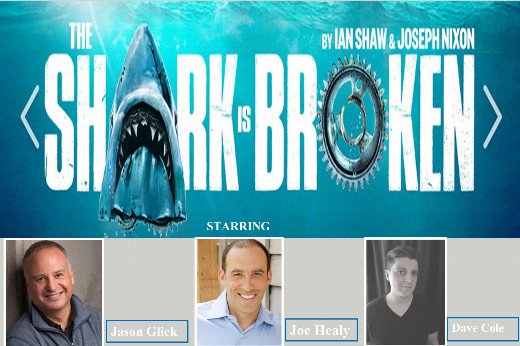
The Shark is Broken The Sanctuary at Sandy Plaza (9/10-9/27) |

|
You Can’t Take It With You Lakewood Theatre Company (9/11-10/18) |
|
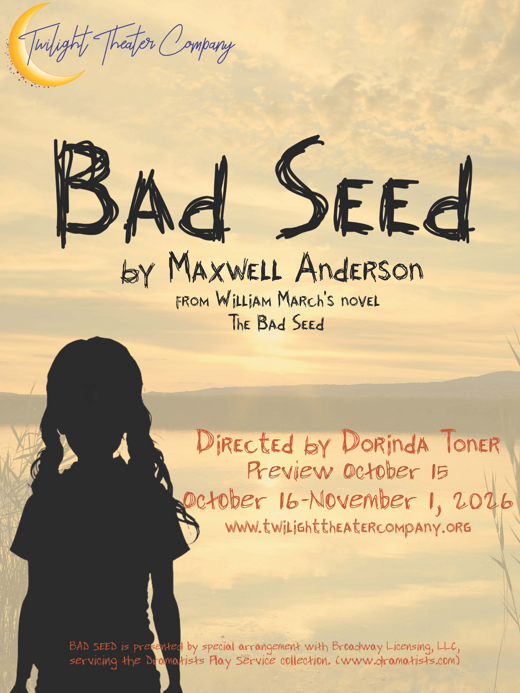
Bad Seed Twilight Theater Company (10/15-11/01) |
|
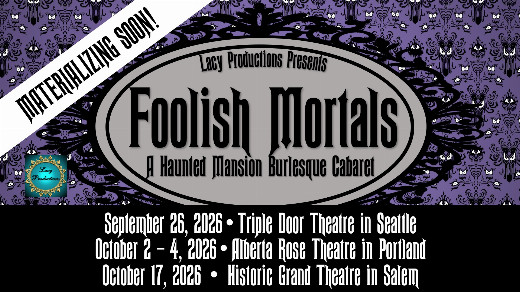
FOOLISH MORTALS: A Haunted Mansion Burlesque Cabaret Alberta Rose Theatre (10/02-10/04) |
|
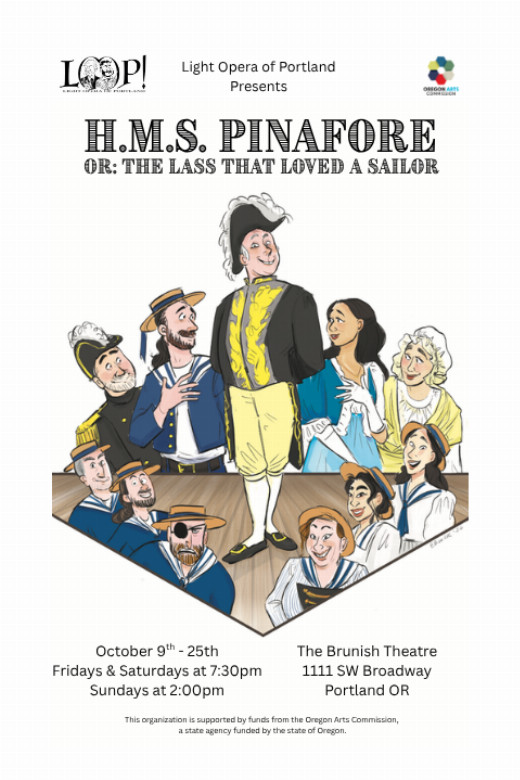
H.M.S. Pinafore The Brunish Theatre (10/09-10/25) |
|
Emma Oregon Shakespeare Festival (6/07-10/09) |

|
The Taming of the Shrew Oregon Shakespeare Festival (6/05-10/11) |
