



Is This Your Show?
Submit Updates & Sell More Tickets
But Not Uncle Vanya at The Fidget Space
Dates: 3/11/2022 - 3/20/2022
📍 Theatre: The Fidget Space
2546 W Girard Ave
Philadelphia, 19130
Tickets: PWYC
Share
Uncle Vanya, without... Uncle Vanya. You know, the interesting parts of Chekhovs Uncle Vanya, its just, those parts just happen to not have the character Uncle Vanya in them. The stuff we care about. (The stuff without Vanya.) Astrov is doing his best helming a rewrite of his classic story, and Sonia and Yelena are along for the ride. You can only get so far, however, before a gun has to go off. As Astrov tries to get them to an ending without getting shot and Sonia tries to keep her world together, Yelena starts to wonder if she could also make changes. Maybe even remove herself entirely.
Cast and Creative Team for But Not Uncle Vanya at The Fidget Space
Cast
Maggie Brennan
Sonia
How Theater Teams Keep AI Campaign Assets on Brief
A spare contemporary revival should not emerge from its campaign dressed like three different shows. Yet an AI poster may reach for velvet-and-gold nostalgia, a trailer may introduce period costumes, and an audio spot may promise a mood that never appears onstage. A production team testing Router Base can simplify access to several kinds of models. It still needs one record of what the production actually is.
RouterBase exposes chat, image, video, and audio tools through an OpenAI-compatible API. That can reduce integration work, but it does not give separate models a shared memory of the show. The theater has to carry the same approved facts, references, and decisions from synopsis to poster to trailer.
Lock the Production Facts Before the First Prompt
The useful divide is not between “creative” and “technical.” It is between facts that may not move and choices that may. Title, venue, performance dates, cast, billing, logline, setting, and cleared source material belong in a locked block. Tone, framing, pacing, and channel fit belong in a working block. That distinction lets a reviewer identify the broken promise instead of saying only that an asset feels wrong.
Put the Box Office Facts First
Copy the locked block into every task before adding format instructions. A trailer prompt can specify shot order and duration without relocating the story to another decade. An audio prompt can set pace and pronunciation without changing the theater name or performance date. The prompt should make the boundary visible, not leave it buried in an attachment.
Version the brief as carefully as the artwork. If a producer approves a new logline after the first preview, every open task should either adopt that version or close as obsolete. Otherwise, a poster and trailer can both carry an approval mark while advertising different versions of the production.
Say What Each Reference Is Allowed to Control
“Cast-photo-final” is a filename, not an instruction. Give each approved headshot, key-art file, logo, music cue, and source clip a stable ID and a permitted use. A headshot may establish a performer’s identity without approving the clothes in the photograph. A rehearsal image may guide the palette while remaining off-limits for publication. Those labels let a designer and a rights reviewer reach the same decision for the same reason.
Campaign Assets Move at Different Speeds
A caption may be ready for review in seconds while a trailer render is still pending. The workflow should reflect that difference without losing the common editorial sequence: establish the evidence, generate a candidate, test it against the production, and preserve the exact file that earns approval.


Build the Full Production Evidence Pack
Before generation begins, collect the current brief, reference IDs, credit language, pronunciation notes, channel requirements, and named approvers. Mark anything that is internal-only or cleared for one specific use. If the campaign also needs a separate spending boundary, give it its own server-side key or project and set the cap before experimentation starts.
Rejection examples are more useful than a broad instruction to “stay on brand.” Show the wrong costume period, an unapproved performer likeness, an award claim the production cannot substantiate, and a title treatment that drops required billing. Each example turns an abstract preference into a reviewable boundary.
Do Not Force Every Format Into the Same Queue
Chat and image calls can return a result immediately; video and audio jobs complete later through polling or a callback. On the campaign board, copy and poster candidates can move into review when their responses arrive. Trailer and audio rows should remain pending until the returned task matches the expected job and the file has reached controlled storage. “Submitted” and “ready to review” are different states.
With RouterBase, a developer can use one API style across the model catalog. The artistic brief should remain in the theater’s own production system, outside any single provider call. That separation allows a team to compare model routes without rebuilding the show record or implying that the gateway itself understands theater.
Check the Ticket-Buyer Facts Before the Finish
The first review pass should cover facts a ticket buyer could act on: title, cast, dates, venue, credits, and promotional claims. Tone, likeness, continuity, intelligibility, visual defects, and channel fit come next. A polished trailer with the wrong performance date has not reached an aesthetic debate; it has failed the factual gate.
Later reviewers also need the work already approved. The trailer reviewer can compare its title treatment and palette with the poster, while the audio reviewer checks wording against the accepted synopsis and pronunciations. The pieces do not have to match exactly. A departure should simply be an intentional campaign choice rather than drift between tools.
Approval Creates the Final Campaign Master
Assign the master ID only after the authorized reviewer approves the exact file. Store that file with the brief version, source IDs, generation task, reviewer, permitted channels, and delivery date. Rejected and superseded exports should be closed clearly; a social editor should never have to infer which of six plausible files may be published.
Generated media on RouterBase is retained for 14 days, so download and archive belong in the completion step. The two-month log window can help reconcile a disputed handoff, but neither window is a season archive. The production needs its own durable copy of every approved master and the evidence attached to it.
Each Format Needs a Different First Question
|
Format
|
First review gate
|
Common continuity failure
|
|---|---|---|
|
Synopsis and captions
|
Facts, claims, voice, credits
|
A promise unsupported by the production
|
|
Poster and display art
|
Identity, title, dates, image rights
|
Unapproved face, costume, or wording
|
|
Trailer
|
Shot truth, motion, continuity, audio fit
|
Scenes imply a different tone or period
|
|
Audio spot
|
Pronunciation, timing, music, legal copy
|
Wrong name, venue, or call to action
|
This table does not replace taste; it gives each specialist a place to begin. The designer can judge composition while the producer confirms claims and the rights owner confirms source use. The master closes only when those decisions refer to the same export.
Let One Rejection Protect the Rest of the Campaign
Record the reason for rejection, not merely the status. If a poster puts the lead in the wrong costume, update the trailer brief before that error starts moving on screen. Repeated likeness drift suggests a weak reference rule or model choice. Repeated errors in dates or billing point back to the locked brief. The pattern tells the team what to repair.
Count the Cost of Approval, Not Just Generation
Usage records can identify the route, credits, project, and task result. Combine them with reviewer time and approval state. A low-cost poster route stops being cheap after ten unusable versions; a premium route is hard to justify when a caption only needs a controlled rewrite. Cost per approved deliverable is the number the campaign can act on.

The Limits of Automation: Rights and Representation
No routing rule can decide whether an image treats a performer fairly, whether a trailer misrepresents what audiences will see, or whether a music cue is cleared for a territory. RouterBase supplies model access and temporary delivery, not a theater rights system or a permanent asset library. Likeness decisions, clearance evidence, channel policy, and final creative approval must remain with the people and systems responsible for the production.
The Same Show Should Survive Every Format
The practical test is whether a reviewer can trace every poster, trailer, caption, and audio spot back to the same approved production facts. If that trail breaks, a unified technical workflow has only accelerated inconsistency.
A locked brief, named references, format-specific review, and an exact master record leave room for creative variation without allowing each channel to invent another show. The campaign can change shape and sound for each venue while still belonging unmistakably to the production onstage.
END!!
Kevin McCann
Astrov
Kevin J. McCann (Astrov) is a local actor excited to be working with Aporia! Previous professional credits include Rhys in Kara Sevda (Solow Fest), understudying Lemml in Indecent (Arden), Roderigo in Othello (New Light Theatre), Pompey in Measure for Measure (CCTC) Duke Orsino in Twelfth Night, Friar Laurence/Lord Cap in R and J (Indecorous Theatre) and Herod in Salome (Maxwell Mansion). Kevin is a proud graduate of Arcadia University.
Megnot Toggia
Yelena
Soprano Megnot Toggia (Yelena) graduated with her B.M. and M.M. in Voice Performance from Temple University’s Boyer College of Music and Dance. She has been seen in Opera Ithaca’s productions of Gianni Schicchi as La Ciesca and Hansel and Gretel as the Dew Fairy, Temple University Opera Theater’s production of Donizetti’s L’elisir d’amore as Adina, and ENA Ensemble’s Fringe Festival production of Ganymede 5 as Rita.
Creative Team
Alice Hakvaag
Playwright
Alice Hakvaag (She/her) is a queer playwright originally from rural Pennsylvania, currently based in Philadelphia. She holds a BA in Theater from Temple University and is a proud Ring of Keys Collective member. Her play As I Was, Not As I Am was nominated for a Susan Smith Blackburn Award, was a semi-finalist for the Princess Grace Fellowship Award, and will be read at The Queens Theater later this month. Regionally, she has worked as an actor and director with Theatre Exile, The Arden Theatre, Elephant Room Productions, ENAEnsemble, Philadelphia Young Playwrights, and Indecorous Productions. When she isn't writing, she's probably doing something else in theater, and when she isn't doing that, she's probably playing Dungeons and Dragons.
Hannah Postlewait
Director
HANNAH POSTLEWAIT (She/Her) is a NYC based Theatre Artist and proud graduate of Temple University's BA Theatre Program in Philadelphia. Apart from her Directing work, Hannah is a Play Licensing Associate with Broadway Licensing & has also spent a significant amount of time working in New York's Casting Industry: assisting with auditions for Broadway shows, National Commercials and Regional Theaters across the country. Recent Directing Credits include BUT NOT UNCLE VANYA (Aporia Artists Collective / Philly Theatre Week Festival), ACUTE EXPOSURE (Richmond Triangle Players) & EURYDICE (TTSS/Pig Iron Theatre Company), among others. Hannah is also the founder of The Aporia Artists Collective, which has put up both in-person and Zoom productions, as well as 75 Zoom Readings since May 2020.
Julianne Schaub
Executive Producer
News About But Not Uncle Vanya at The Fidget Space

Aporia Artist's Collective to Present BUT NOT UNCLE VANYA
February 09, 2022 But Not Uncle Vanya will be presented at The Fidget Space in Philadelphia on March 11th-13th, 18th-20th at 7:30pm. There will also be a digital run for two weeks after closing, for anyone unable to make an in-person performance.About the Theatre
Similar Shows Nearby


|
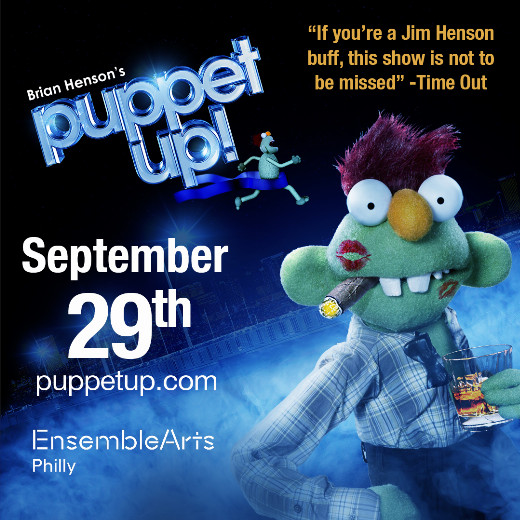
Brian Henson's Puppet Up! Ensemble Arts Philly - Miller Theatre (9/29-9/29) |
|
|
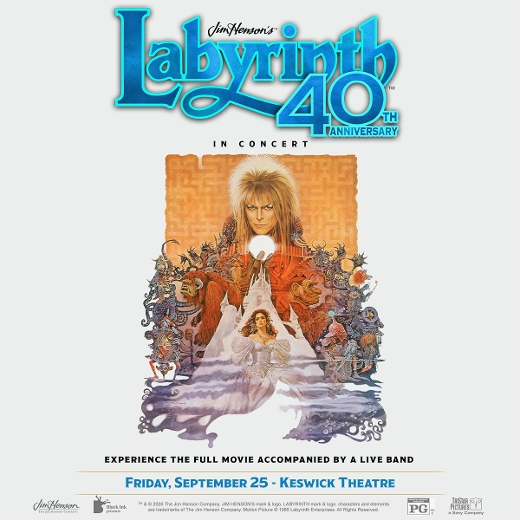
Jim Henson's Labyrinth: In Concert 40th Anniversary The Keswick Theatre (9/25-9/25) |
|
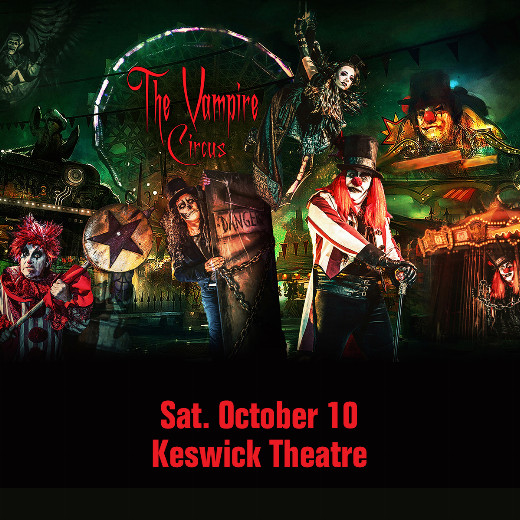
The Vampire Circus Keswick Theatre (10/10-10/10) |
|
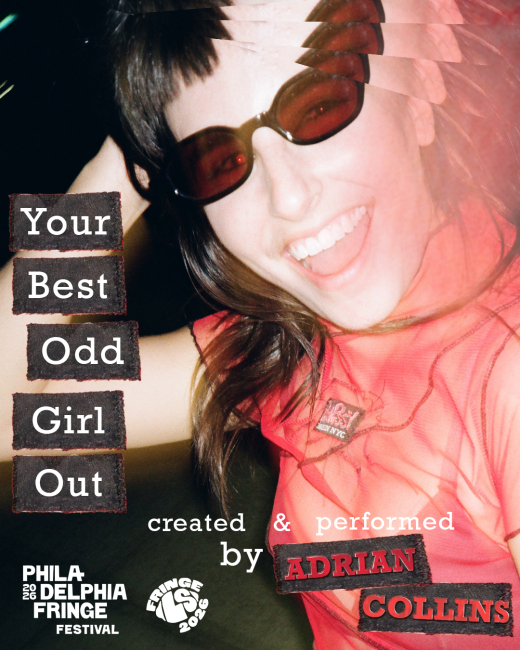
Your Best Odd Girl Out Plays & Players Theatre (9/17-9/19) |
|
Walnut Street Theatre''s COME FROM AWAY The Musical Walnut Street Theatre (4/13-5/30) |
|
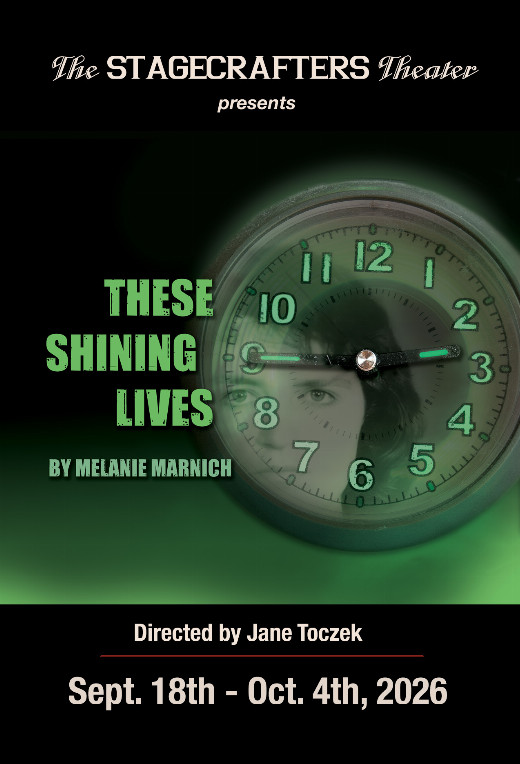
These Shining Lives The Stagecrafters Theater (9/18-10/04) |
|
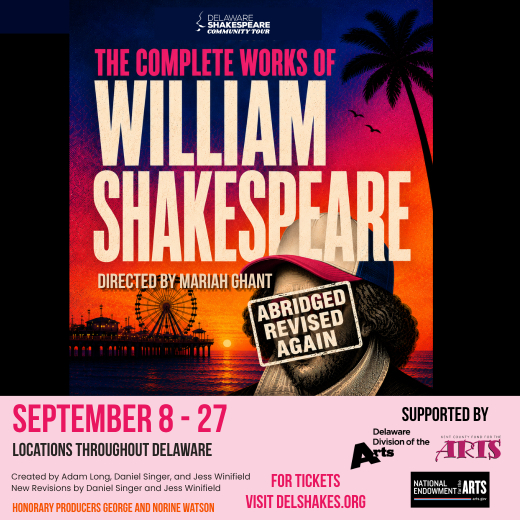
The Complete Works of William Shakespeare (abridged) (revised) (again) Delaware Shakespeare (9/08-9/27) |
|
Josh Turner Warner Theatre (12/03-12/03) |
|
Venus in Fur Old Academy Players (3/05-3/21) |

|
An American Christmas Songbook Bristol Riverside Theatre (12/15-12/22) |
