


How Smartphones Have Transformed the Entertainment Industry at How Smartphones Have Transformed the Entertainment Industry
Dates: 7/4/2026 - 7/5/2026
710 20th Street North, Birmingham, AL 35203
Birmingham, AL
I still remember the first time I saw an audience member pull out a smartphone during a live performance. It was 2012. I was attending a regional theater production, and during intermission, nearly everyone around me had their phones in hand. Some were posting photos, others were checking reviews, and a few were already discussing the second act on social media before it had even started.
At the time, it felt disruptive. Today, it feels inevitable.
In less than two decades, smartphones have completely transformed the entertainment industry. They have changed how we discover entertainment, consume it, discuss it, critique it, share it, monetize it, and even create it. Whether you're watching a Broadway performance trailer, streaming a concert from another continent, participating in fan communities, or editing a short film from your bedroom, the smartphone has become the world's most powerful entertainment device.
What's remarkable is that this transformation wasn't part of some master plan. It happened gradually, then suddenly. And honestly, I don't think we've fully understood the scale of what we've witnessed.
The Entertainment Industry Used to Be Gatekeeper-Controlled
Here's something younger audiences rarely experience today: entertainment once required permission. If you wanted to watch a movie, you visited a theater. If you wanted music, you bought physical albums. If you wanted to discover a new performer, you relied on television networks, radio stations, newspapers, or critics.
The entertainment industry was built around gatekeepers. Studios controlled distribution, record labels controlled artists, television networks controlled visibility, and publishers controlled audiences. Then smartphones arrived and quietly demolished those barriers.
The launch of the iPhone in 2007 wasn't merely a technological milestone. It represented the beginning of entertainment decentralization. Suddenly, millions of people carried a portable theater, music studio, gaming console, television station, and publishing platform in their pockets. Looking back, I think many industry experts underestimated what that meant.
Smartphones Changed Entertainment Consumption Forever
The biggest transformation happened in how audiences consume entertainment. Consider a simple comparison: in 2005, watching a movie often required planning. You checked schedules, traveled to a theater, or rented physical media. In 2026, someone can discover a film on social media, watch its trailer, read reviews, purchase tickets, stream related interviews, and discuss it with thousands of strangers worldwide without leaving their couch. That's not an evolution — it's an entirely new ecosystem.
Streaming platforms accelerated this shift dramatically. Netflix transformed television viewing habits, Spotify changed music ownership forever, YouTube created an entirely new entertainment economy, and TikTok redefined content discovery. Disney+, Apple TV+, Amazon Prime Video, and countless others followed.
What fascinates me most is how audience behavior changed alongside technology. Attention spans didn't necessarily decrease; instead, audiences developed new expectations around accessibility, personalization, and immediacy. Entertainment became available everywhere, and once consumers experience unlimited access, there's no going back.
The Rise of Second-Screen Entertainment Changed Audience Behavior
Here's what nobody predicted accurately: people didn't stop watching television because of smartphones — they started watching television with smartphones. The "second-screen experience" has become one of the defining characteristics of modern entertainment consumption.
Think about what happens during a major awards show. Millions watch the event, and simultaneously, millions discuss the event on social platforms. They create memes, fact-check speeches, debate performances, and share reactions. Sometimes, the online conversation becomes more culturally significant than the actual broadcast.
I've personally spent entire sporting events with one eye on the television and another on my phone. It's difficult to admit because traditional entertainment experts once viewed this behavior as distraction. Now we understand it's participation. Entertainment stopped being passive — it became interactive.
Social Media Turned Every Audience Member Into a Critic
Before smartphones, entertainment criticism belonged primarily to professionals. Today, everyone has a platform. A teenager posting a 30-second reaction video can influence more people than a newspaper critic with decades of experience. That reality has fundamentally altered entertainment economics.
Film studios now monitor social sentiment in real time. Broadway productions track audience engagement metrics. Musicians analyze streaming behavior, completion rates, and audience demographics. Content creators adapt based on immediate audience feedback.
Some critics argue this has damaged artistic integrity, and I understand that concern. But after observing the industry for years, I've developed a different perspective: smartphones didn't destroy traditional criticism — they democratized cultural conversation. The downside, of course, is noise. The upside is participation, and participation creates stronger emotional investment than passive consumption ever could.
The Music Industry Experienced the Most Dramatic Transformation
No entertainment sector experienced smartphone disruption more dramatically than music. The statistics remain astonishing. Global music revenue collapsed during the early digital era, then smartphones and mobile entertainment platforms rebuilt the industry using entirely different business models. Ownership became access, albums became playlists, radio stations became algorithms, and physical collections became cloud libraries.
I remember spending significant money building CD collections dauring my teenage years. Today, a monthly subscription provides access to more music than I could consume in several lifetimes. That's both incredible and slightly unsettling.
Artists faced enormous challenges during this transition. Many musicians initially resisted entertainment platforms, and some still do. Yet smartphones created opportunities previous generations couldn't imagine. Independent artists can now build global audiences without traditional record labels, musicians livestream performances worldwide, fan communities organize themselves organically, and artists communicate directly with supporters. The barriers didn't disappear completely, but they became dramatically lower.
Mobile Gaming Became the Largest Entertainment Industry in the World
Here's a fact that still surprises many people: mobile gaming generates more revenue than film and music industries combined. That statement would have sounded absurd fifteen years ago. Today, it's reality.
Games like Pokémon GO demonstrated how smartphones could merge digital entertainment with physical experiences. Titles such as PUBG Mobile, Roblox, Candy Crush, Clash of Clans, and Genshin Impact transformed gaming demographics entirely. Gaming stopped being a niche hobby — it became mainstream entertainment.
One industry executive I spoke with several years ago made an observation that stuck with me:
"We didn't create mobile gamers. We discovered they already existed."
He was right. Smartphones revealed massive audiences that traditional gaming companies had overlooked for decades. Parents play games, grandparents play games, professionals play games — everyone became part of the entertainment ecosystem.
Live Entertainment Didn't Die. It Evolved
For years, industry analysts predicted smartphones would destroy live entertainment. They were wrong. Attendance at concerts, theater productions, festivals, and live events remains remarkably resilient — because smartphones increased demand for experiences. When audiences consume digital entertainment constantly, authentic experiences become more valuable.
Broadway productions leverage mobile marketing extensively. Concert tours depend heavily on social media promotion. Artists build anticipation through smartphone platforms, and audiences document experiences instantly. Some performers dislike the prevalence of smartphones during live events; others embrace them. The reality is more nuanced: smartphones didn't replace live entertainment, they amplified it. Experiences became more shareable, more discoverable, and more culturally visible.
Content Creation Became Accessible to Everyone
This may be the most revolutionary change of all. Professional-quality entertainment creation no longer requires professional infrastructure. A smartphone today can record cinematic video, edit content, produce music, publish globally, and generate revenue.
I've witnessed creators build entire careers using devices that fit into their pockets. Some YouTube channels generate millions of views using smartphone production workflows. Independent filmmakers shoot feature-length projects on mobile devices. Musicians produce charting songs using mobile software.
This democratization creates challenges — competition increased dramatically, discoverability became harder, and quality standards shifted. Yet the opportunities expanded exponentially. That's an exchange many creators willingly accept.
The Attention Economy Created Winners and Losers
We need to discuss the uncomfortable reality: not every consequence of smartphone entertainment has been positive. Attention became the world's most valuable commodity. Entertainment companies compete aggressively for user engagement. Algorithms prioritize retention, notifications encourage constant interaction, and infinite scrolling changed consumption habits.
I've experienced this personally. What starts as watching a trailer can become an hour-long journey through recommendations, reactions, interviews, and related content. The entertainment industry didn't invent human psychology, but smartphones allowed it to optimize for it. That's both brilliant and concerning. The future challenge won't involve creating more entertainment — it will involve creating healthier relationships with entertainment.
Artificial Intelligence and Smartphones Are Reshaping Entertainment Again
Just when the industry adjusted to smartphones, artificial intelligence entered the conversation. AI-powered recommendation systems already influence entertainment discovery. Generative AI tools assist creators, translation technologies expand global audiences, and personalized entertainment experiences continue evolving.
I recently tested several AI-assisted creative tools, and my reaction surprised me. I wasn't worried — I was curious. Every major technological shift in entertainment creates fear before creating opportunity: television frightened radio, streaming frightened television, and smartphones frightened everyone. Yet entertainment adapted each time, and AI will likely follow the same pattern.
What the Next Decade of Smartphone Entertainment Might Look Like
Predicting entertainment technology is dangerous — the industry loves proving experts wrong. Still, several trends appear increasingly likely: augmented reality experiences will become mainstream, interactive storytelling will expand significantly, personalized entertainment ecosystems will become more sophisticated, global entertainment communities will continue growing, mobile gaming will become even more culturally dominant, and artificial intelligence will personalize experiences at unprecedented levels.
The smartphone itself may eventually disappear. Wearables, augmented reality glasses, and immersive technologies could replace traditional devices. But the core transformation smartphones initiated will remain — entertainment will continue becoming more personal, interactive, social, and immediate.
Final Thoughts: Smartphones Didn't Change Entertainment. They Changed Us
When historians study entertainment in the twenty-first century, I suspect they won't describe smartphones as communication devices. They'll describe them as cultural transformation machines. Smartphones changed how we watch, how we listen, how we play, how we perform, how we create, and how we connect. And perhaps most importantly, they changed what audiences expect from entertainment itself.
The next time you pull out your phone to watch a trailer, share a reaction, stream a concert, or discuss a performance with someone halfway around the world, consider what an extraordinary moment that actually represents. You're not just consuming entertainment — you're participating in the largest cultural transformation the entertainment industry has ever experienced. And somehow, we're still only at the beginning.
News About How Smartphones Have Transformed the Entertainment Industry at How Smartphones Have Transformed the Entertainment Industry
We have no news on this show at the current time.
About the Theatre
🌙 Make a Night of It
Loading nearby places…
How Smartphones Have Transformed the Entertainment Industry Frequently Asked QuestionsFAQ
Where is How Smartphones Have Transformed the Entertainment Industry located?

|
Oil & Whiskey The Bitter End, Laurie Beechman, Prohibition, The Rat NYC (7/15-8/12) |
|
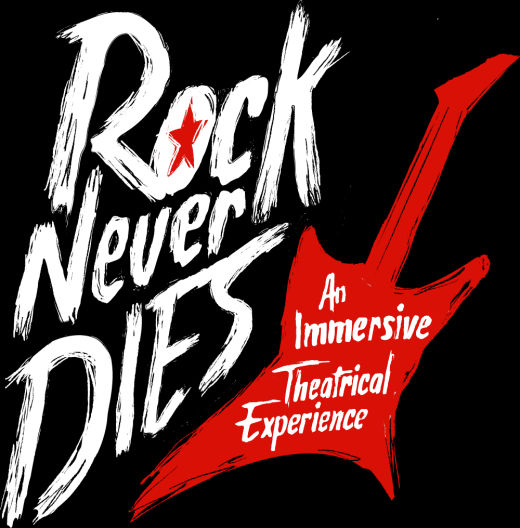
Rock Never Dies Hard Rock Cafe (5/29-8/30) |

|
Shangri-La-La, a comedy musical about Siegfried & Roy American Theatre of Actors (ATA) (7/25-7/26) |
|
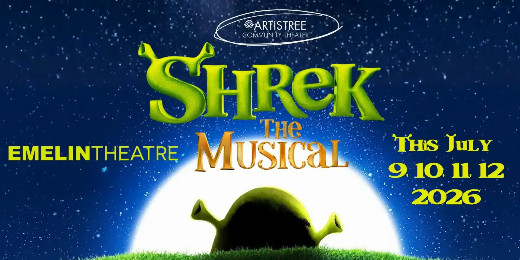
Shrek, the Musical! Emelin Theater (7/09-7/12) |
|
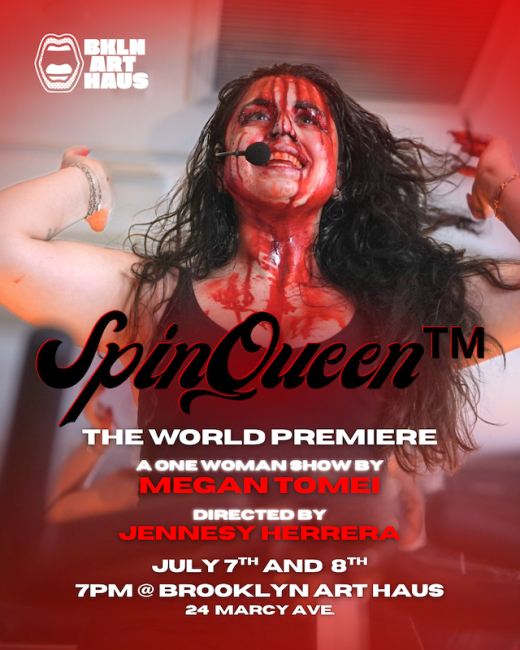
SpinQueen™ Brooklyn Art Haus (7/07-7/08) |

|
That Math Show Theater555 (6/11-8/16) |

|
Hamlet Actors Theatre Workshop (7/23-7/25) |
|
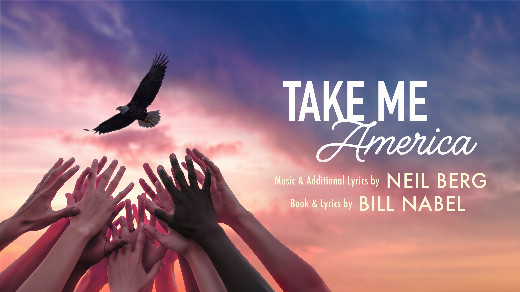
TAKE ME AMERICA Penguin Rep Theatre (8/14-9/06) |
|
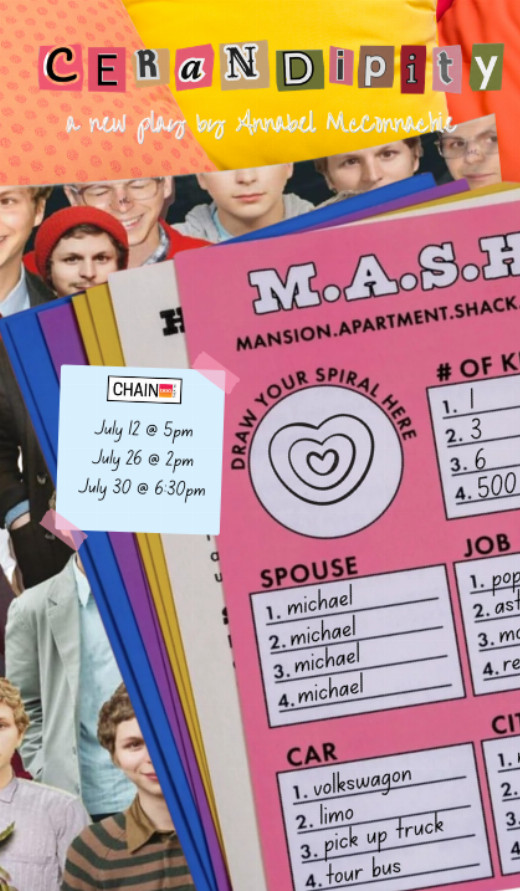
Cerandipity Chain Theatre (7/12-7/30) |
|
In the Course of Love and Joy Park Avenue Christian Church (4/10-4/10) |