


Rev. Shawn Amos Returns To Blackbox @ The Edye At The Broad Stage
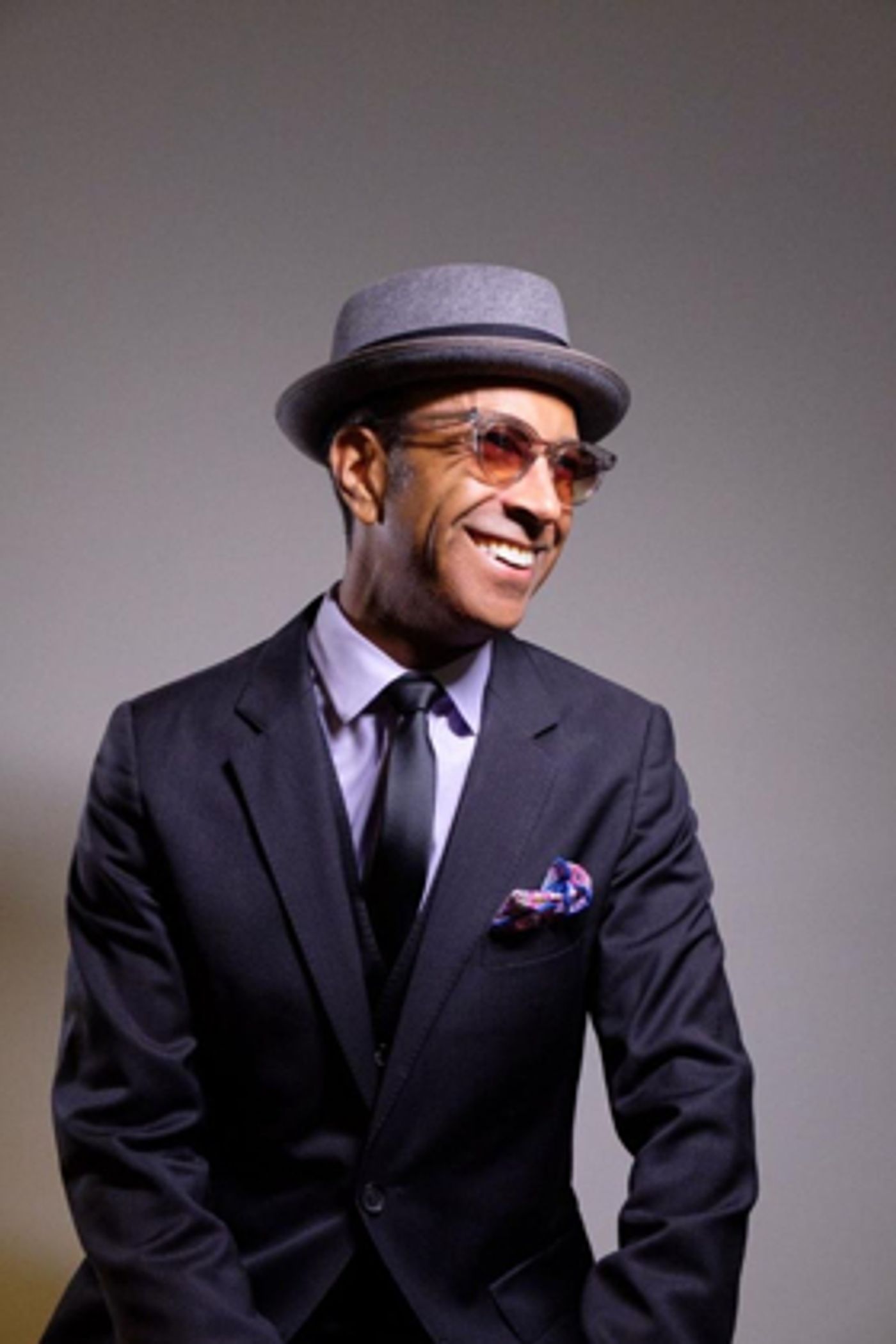
The Eli and Edythe Broad Stage in Santa Monica presents the return of The Reverend Shawn Amos for A Night in Harlem on Friday, February 1 at 8:00pm. In celebration of African American History Month, blackbox curator, Amos, returns to the stage for an evening of songs and storytelling - presenting songs from his album, Harlem, for the first time in ten years. The American roots song cycle tells the story of 1920s black Americans' migration from the south to Harlem. Amos' album was inspired by the artists, songs and legacy of the Harlem Renaissance.
Shawn Amos writes, "No doubt, people, souls were being saved. It's in the American rhythm and the rhyme. Jazz and blues is our music. It belongs to us. This music is ours. Jazz and blues is the tragedy and triumph of our shared history. It's the continual battle of our current circumstance. Jazz and blues cuts the shortest path from our heart to our head and up to a higher power. These deep grooves hold our fears, hopes and darkest demons. In this trying 21st century, jazz and blues reminds us of our interdependence."Rhapsodies in Black: Art of the Harlem Renaissance was a collection of art, writings and music from the Harlem Renaissance - that post-World War I period when black Americans migrated to Northern cities en masse. New York's Harlem became a magnet for musicians, writers, artists, intellectuals, and entertainers. This collected output was dubbed "the New Negro Arts Movement."
The exhibit changed my life. For the first time in my then 30 years, I was given an image of myself absent from every media outlet of the time. The New Negro Arts Movement made me proud of being a black American. It gave me a roadmap home. In the songs of Cab Calloway, the writings of Langston Hughes, the riffs of Louis Armstrong, I began to define my own version of blackness apart for the pop culture of the my late 20th century.From West Coast clubs, to Deep South joints, to European festivals, to YouTube, to the podcast universe, the Reverend Shawn Amos' message of joyful blues is reaching an ever-increasing flock. The Rev's distinctive blend of black roots music, R & B, and stripped down rock n' roll brings a bracing, soul-deep musical experience to audiences starved for authenticity, for connection. "I derive a lot of satisfaction bringing people joy," he says.
Prior to his creation of the Reverend persona in 2013, folks knew Shawn Amos as producer (Solomon Burke's Live in Nashville, and Shout! Factory box set Q: The Musical Biography of Quincy Jones), content creator for companies looking for ways to tell their stories on the internet, and Americana singer-songwriter who'd grown up in a dramatically dysfunctional L.A. home, a story the Rev serialized as Cookies & Milk in the Huffington Post.
New York's Cotton Club and Village Vanguard, Chicago's Kingston Mines, Kansas City's Reno Club, Los Angeles's Dunbar Hotel - these were more than just nightclubs. The Great American 20th century jazz and blues scene was a crucial gathering place where stories were shared and traditions handed down. In these sanctuaries, blacks, whites, rich and poor crossed lines to congregate and hold hands. In the early 1960s, curator Shawn Amos' mother, Shirl-ee May, sang jazz and blues at Club Harlem - a storied Atlantic City night spot home to a generation of African American performers. Throughout the early-mid 20th century, jazz and blues clubs like Club Harlem were the epicenter of urban American nightlife. Shawn Amos writes, "No doubt, people, souls were being saved. It's in the American rhythm and the rhyme. Jazz and blues is our music. It belongs to us. This music is ours. Jazz and blues is the tragedy and triumph of our shared history. It's the continual battle of our current circumstance. Jazz and blues cuts the shortest path from our heart to our head and up to a higher power. These deep grooves hold our fears, hopes and darkest demons. In this trying 21st century, jazz and blues reminds us of our interdependence. We let this music open our hearts."
Information, subscription packages and tickets priced $20 are available at thebroadstage.org or by calling 310.434.3200, or visiting at the box office at 1310 11thSt. Santa Monica CA 90401 beginning three hours prior to performance.
|
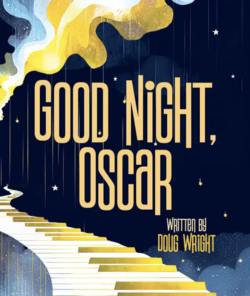
Good Night, Oscar North Coast Repertory (9/16-10/11) |
|
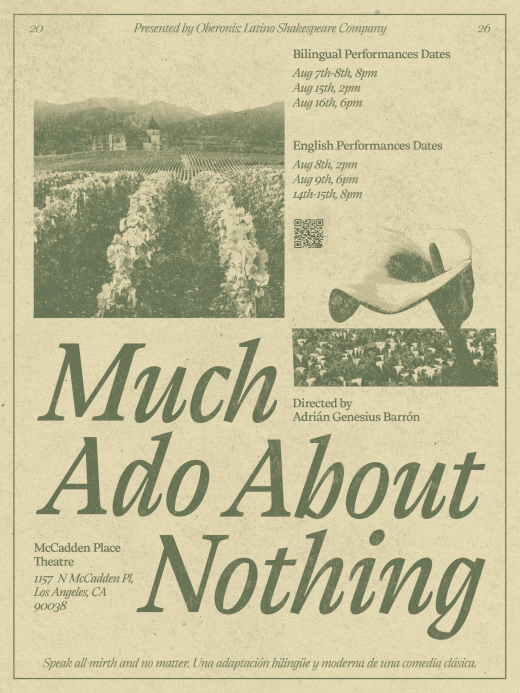
Much Ado About Nothing McCadden Place Theatre (8/07-8/16) |
|
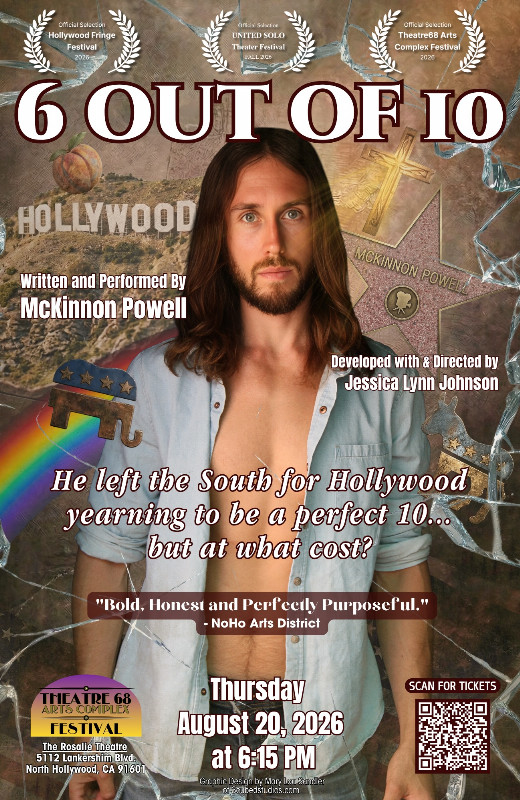
6 Out of 10 Theatre 68 (8/20-8/20) |
|
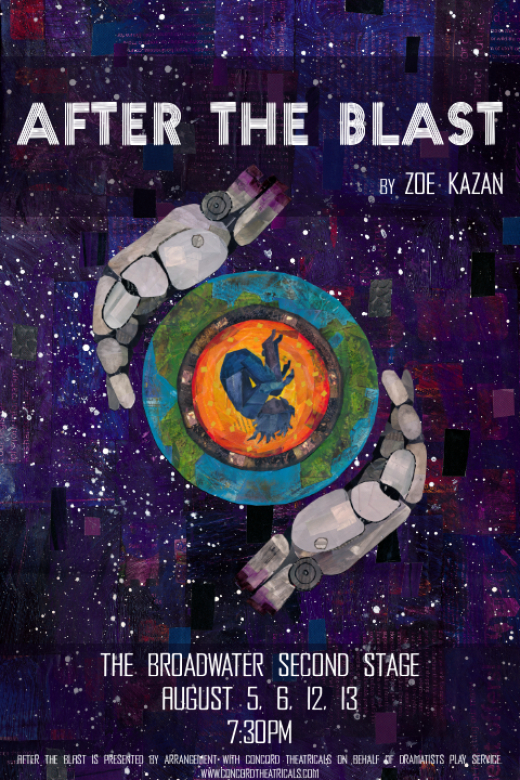
After the Blast The Broadwater Second Stage (8/05-8/13) |
|
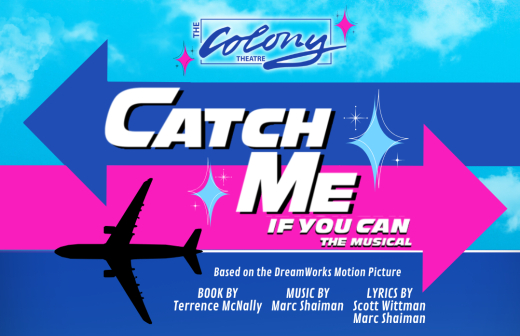
Catch Me If You Can Colony Theatre (9/17-10/18) |
|
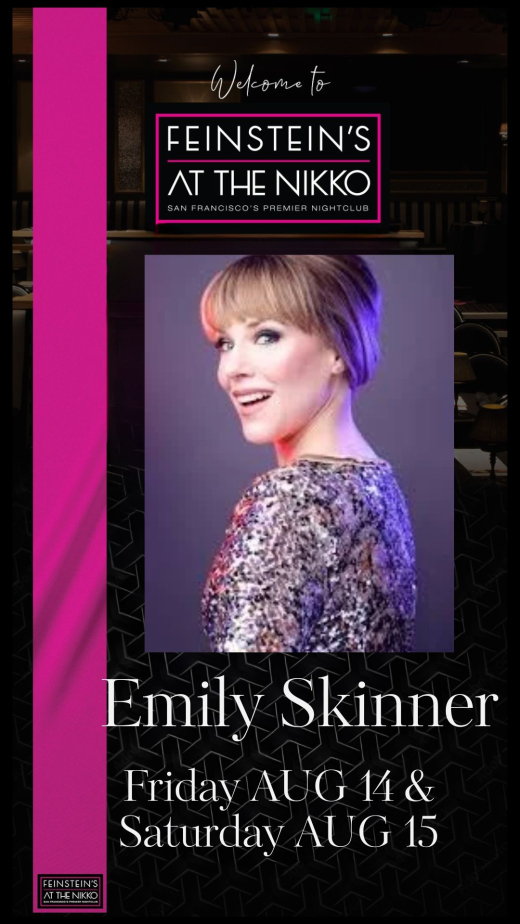
Emily Skinner: In Concert Feinstein's at the Nikko (8/14-8/15) |
|
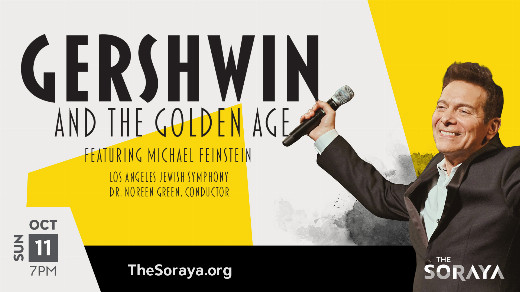
Gershwin and the Golden Age Younes and Soraya Nazarian Center for the Performing Arts (The Soraya) (10/11-10/11) |
|
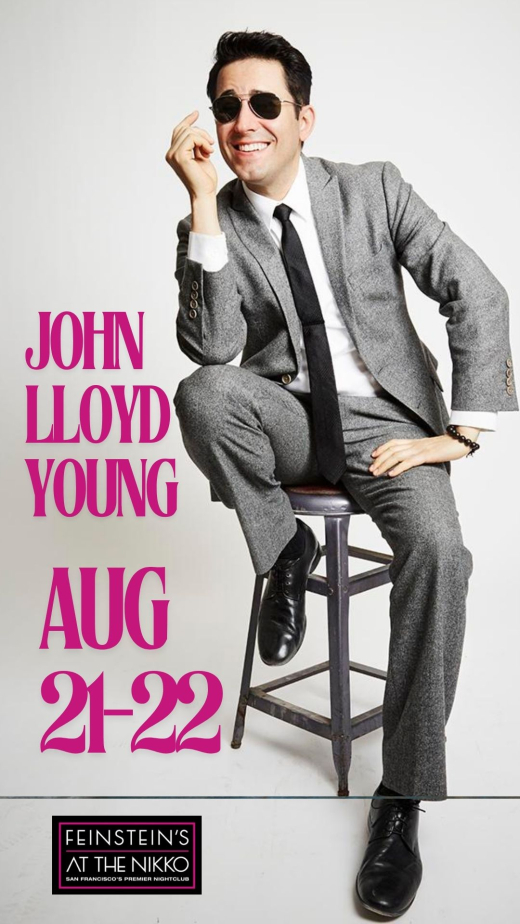
John Lloyd Young Feinstein's at the Nikko (8/21-8/22) |
|
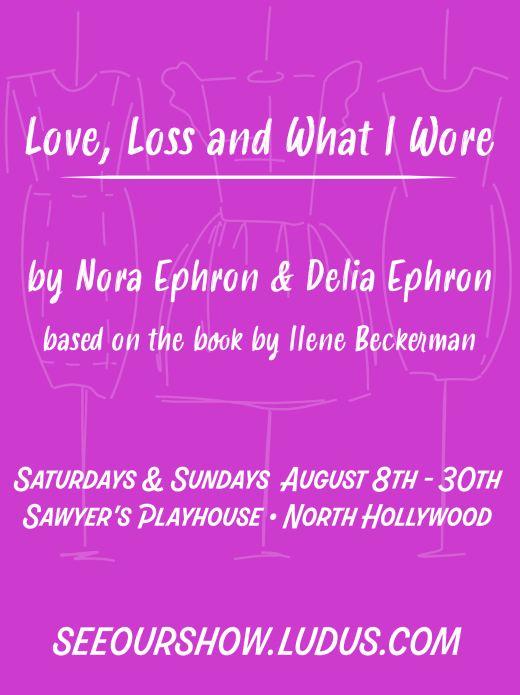
Love, Loss and What I Wore Sawyer's Playhouse (8/08-8/30) |
|
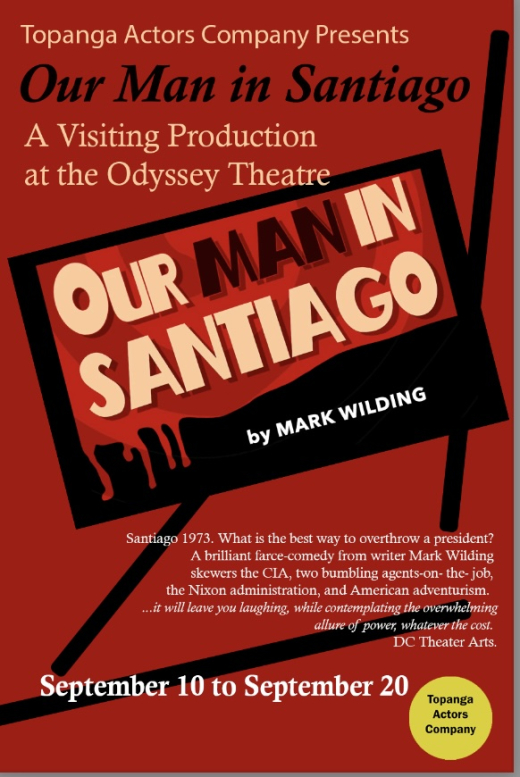
Our Man in Santiago by Mark Wilding Odyssey Theatre Ensemble (9/10-9/20) |