


Interview: Playwright & Actor Bernardo Cubria of THE PEOPLE OF POMPEII
at Will Geer Theatricum Botanicum
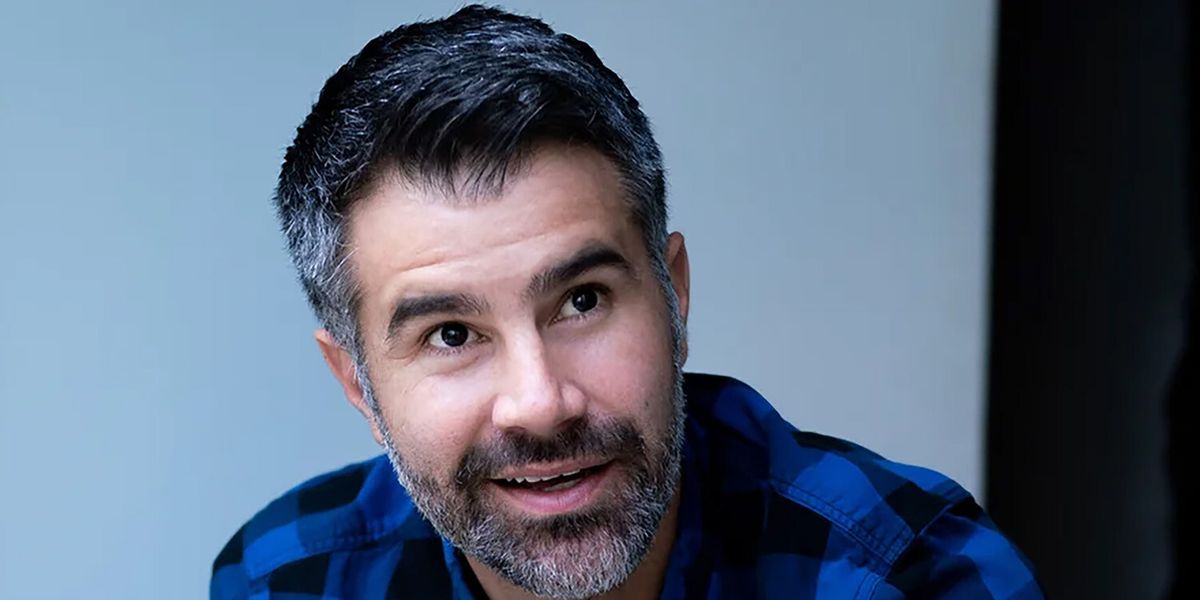
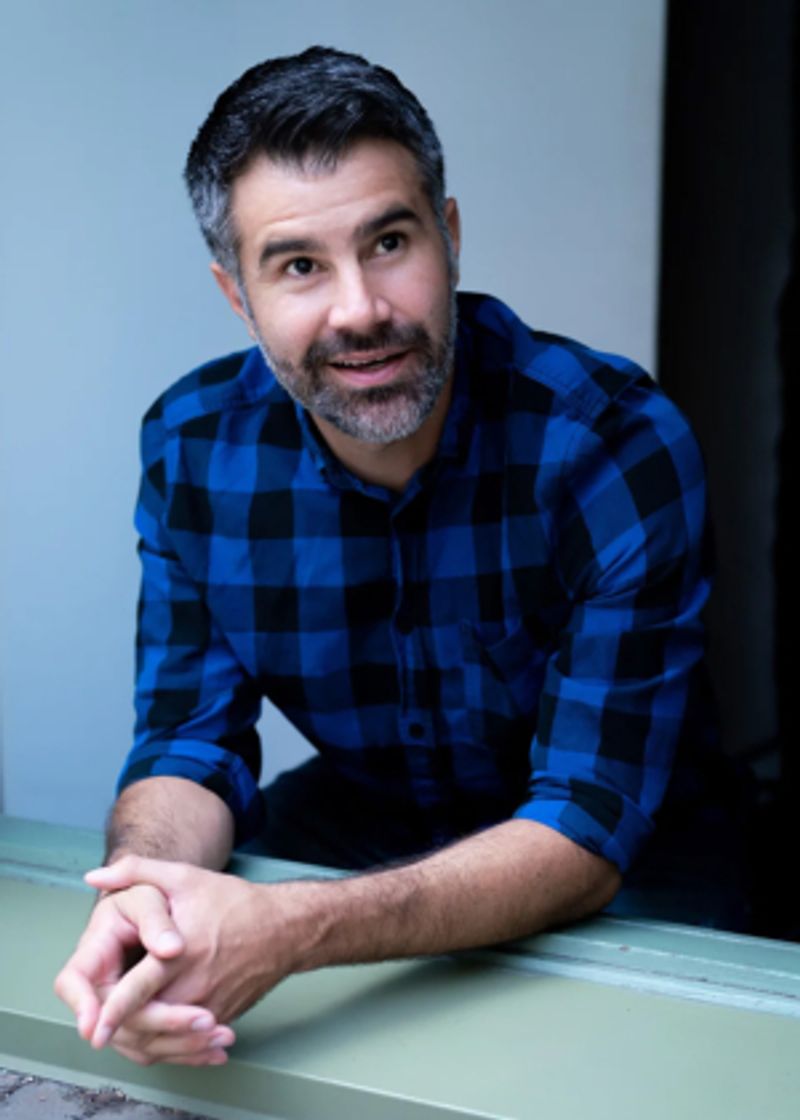
Playwright and actor Bernardo Cubria. Photo courtesy of the artist.
Will Geer Theatricum Botanicum is presenting The People of Pompeii, a darkly funny new comedy by Los Angeles Drama Critics Circle Award-winning playwright Bernardo Cubría, co-directed by Ellen Geer and Xochitl Romero. At once sharply critical and deeply affectionate, the play captures the beauty, contradictions and resilience of a tightly woven haven where neighbors show up for one another in an era of climate catastrophe, even as tensions around privilege, belonging and survival simmer beneath the surface.
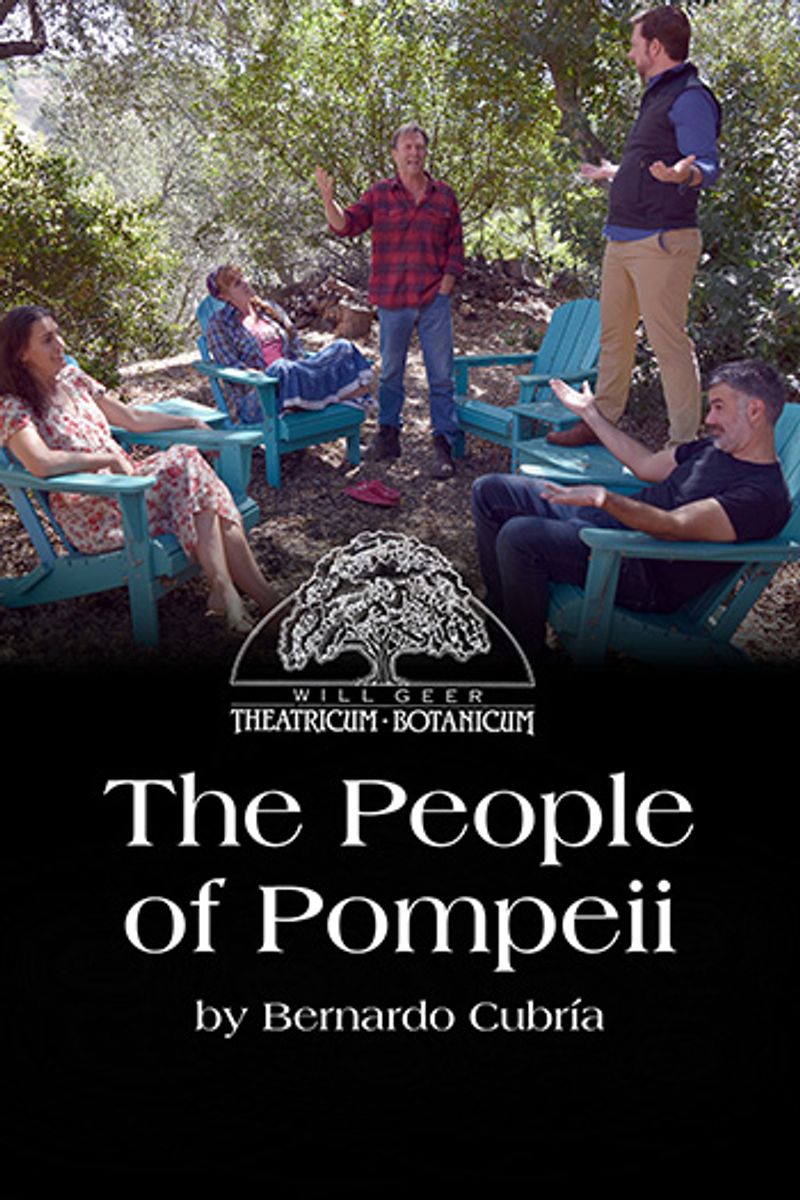
Set in Topanga Canyon, the bohemian enclave that is home to both Theatricum and the playwright himself, the play takes place weeks after the Palisades Fire narrowly spared their Topanga home, when Carlos and Vera invite friends over for a celebratory dinner party meant to restore a sense of normalcy. But as the night descends into EDM-fueled chaos, chocolate mushrooms and brutally honest confrontations, the myth of communal harmony begins to crack wide open.
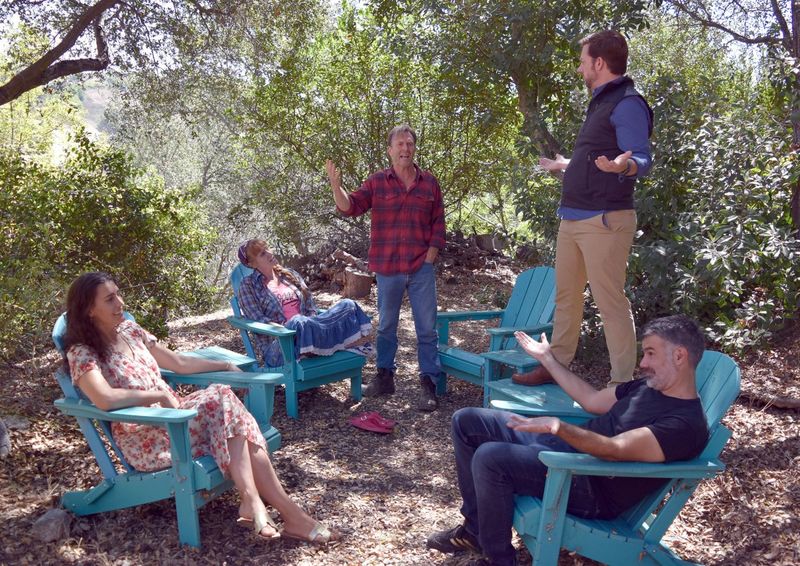
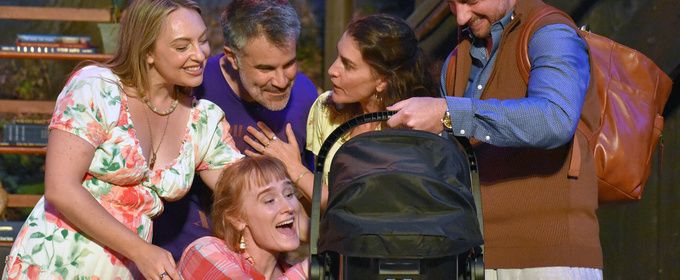
Lauren Saffa, Willow Geer, Aaron Hendry, Jon Sprik and Bernardo Cubría
All production photos by Ian Flander
When asked about why he decided to write the play, Cubria responded, “What is the meaning of ‘community’ in our modern world? The residents of Topanga came together in a profound way after the fires — which may have exposed some of the cracks, but also revealed so much connection and beauty.”
That made me even more curious to speak with him about his at once hilarious and deeply uncomfortable play which dissects performative progressivism, gentrification, race, class and the uneasy social dynamics between longtime canyon residents and wealthy newcomers searching for authenticity as Topanga becomes increasingly trendier and more elite.
Thanks for speaking with me today, Bernardo. First of all, how long has you lived in Topanga? And why did you decide to move there?
Thank you for doing this! We've been here a little over five years. We first discovered Topanga during the pandemic. My wife and I were going stir-crazy with our son, who was two at the time, so we started taking him on long drives all over Los Angeles. We drove through Topanga, and my wife turned to me and said, “I want to live here.” We're not really organized or pros-and-cons-list people, so once my wife felt that in her gut, we just did it. Shout out to our realtor Sophie Zeiler, best realtor in the game.
Your play The People of Pompeii is described as both a love letter to Topanga and a critique of its evolving social dynamics. How did your personal experiences living in the canyon shape the story and characters?
Spoiler alert but: The play follows an arc that is similar to mine. When we first moved here, I was almost in shock at how far away I suddenly was from all my friends. Most of my community was now an hour away, and I felt very lonely. Topanga isn't very diverse, so I found myself longing for Latino people, our music, our language, and our sense of humor.
But as I got to know this community and started making real friends, I discovered what I love about it. Seeing my wife and kids so happy here has also been an incredible blessing. Hopefully, the play explores why it can be hard being one of the few Latinos in a community, and why, ultimately, I fell in love with this town.
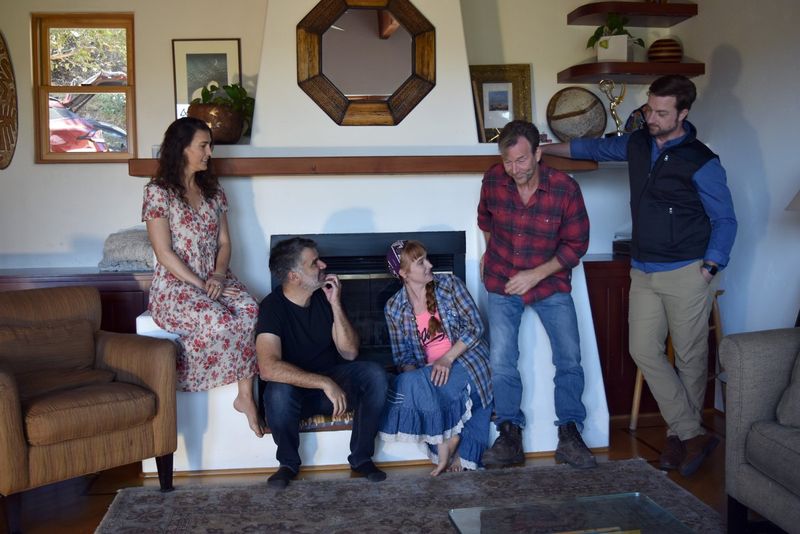
Lauren Saffa, Bernardo Cubría, Willow Geer, Aaron Hendry and Jon Sprik
photo by Ian Flanders
The play explores the tension between longtime residents and newcomers seeking authenticity. How do you navigate portraying these conflicts without reducing either side to stereotypes?
The play was written with the help of actual Topanga community members. Theatricum held a couple of readings of early drafts where longtime Topangans and newer residents came together to listen. They shared their feedback, and I incorporated the parts I felt the play needed. They called me out for what I was getting wrong, or what parts of the argument I was missing. As one of the “gentrifiers” of Topanga, I realized I had many blind spots about this community and what some members of the older generation are feeling as the neighborhood changes. Some of my favorite moments in the play come directly from giving voice to those perspectives. I'm forever grateful to everyone who came and shared their stories.
You are featured in the cast along with your real-life wife Lauren Saffa, Topanga native Willow Geer, Topanga native and longtime Theatricum company member Aaron Hendry, Amber Luallen and Jon Sprik. Was your intention always to play the title role of Carlos?
Not at all. I was an actor for a long time, but I fell out of love with it years ago. When we did the first reading at Theatricum, Ellen Geer, whom I admire so much, turned to me and said, “I want you and your wife to play it.” I felt this wave of nervous energy and dread wash over me and thought, I guess I have to do it now. A mentor once told me, “If it scares you, that means it's necessary.” So I guess I'm officially unretired now... thank god I get to share the stage with the rest of this cast. They are all so insanely talented and kind. It's been an honor to work with them.
Working with your real-life wife, Lauren Saffa, onstage must bring a unique dynamic. How did your personal relationship influence the portrayal of Carlos and Vera’s marriage?
Ellen pushing us to be in the play has been one of the greatest gifts anyone has ever given me. It's been such a joy to act alongside my wife, who also hadn't acted since college.
There are surreal moments where we're recreating actual arguments, or at least versions of them, during rehearsal. Sometimes we'll finish a scene and apologize to each other for not understanding the other's perspective during an argument years ago. It's also incredibly helpful to have my wife in the room saying, “Actually, I think this is how Vera is feeling, and this is why she wants X or Y.” It only makes the play stronger. The more perspectives, the better. It’s all very meta, and very confronting and very healing. Plus we have two young kids, so we never get to spend this much time together. It’s so fun to go to the theatre and have her in the car with me. Doing this with my wife has been a true joy. I can't wait for people to see her in this. It’s the best showmance ever. Thank you Ellen for saving our marriage! ;)
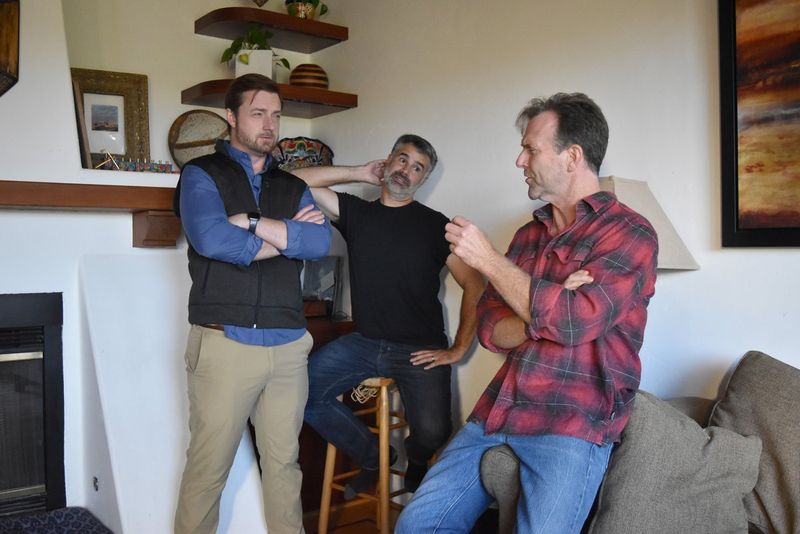
Jon Sprik, Bernardo Cubría, Aaron Hendry
photo by Ian Flander
In both your writing and acting, you often examine the complexities of identity and belonging. How does Carlos’s journey in this play reflect your own reflections on cultural and personal identity?
You know, it's been a lifelong struggle. But I think I share a common story with many Mexicans in this country: we're often made to feel not Mexican enough for Mexicans and too Mexican for Americans.
Moving to such a white town brought its own challenges because I'd never lived anywhere with so few Latinos before. I didn't realize how painful it would be to feel so far from my community. I know it's only a short drive away, but it remains the hardest part of living in Topanga for me. So that’s why I wrote about it, to try to understand why it can be so hard.
The play is set against the real-life backdrop of recent wildfires. How did incorporating a contemporary, lived trauma shape the emotional authenticity of the story and your performance?
I always write a play after a major life event. My therapist, Albania, actually recommends it because sometimes I don't fully process what I've been through in real time. Writing gives me the chance to argue with myself, to explore the nuance of an experience from every angle.
The three weeks we were evacuated during the fires were some of the hardest of my life. I existed in this constant state of fear, just sustaining myself on coffee and Manhattans, and I was so terrified that my kids would lose their neighborhood, their schools, and their friends. It really knocked me on my ass.
Then we came home, and I was hit with a kind of survivor's guilt, watching people I love in Altadena and the Palisades lose exactly those things. I still get a rush of fear every time my Watch Duty app goes off. I think that's just part of living here.
The title references Pompeii and the destructive force of Mt. Vesuvius. How do you see that historical metaphor connecting to contemporary California life?
Another spoiler but: During the fires, I kept thinking about Pompeii and how, in school, I'd learned that the people there were supposedly “surprised” by the volcano. But then I remembered seeing firsthand in Mexico City how a volcano can spew ash for days, even weeks, before it erupts.
I started imagining the people of Pompeii watching ash fall from the sky and simply going about their day. It resonated with what I was feeling in Topanga, where we seem to be living with an obvious threat. Plus, with the state of the world, it often feels like ash is falling from the sky every day in this country, and so many of us just ignore it and carry on. I hope the play asks the audience not to make the same mistake the people of Pompeii did. Let's do something before it's too late.
Topanga has a rich theatrical history rooted in activism and artistry. How does the legacy of Will Geer and the original Theatricum mission resonate with your play today?
I sit in that theater every day and think about all the incredible artists who fled to this very spot to escape McCarthyism. To have Ellen Geer share stories of being a child on that stage and of the purpose and values her family built the theater on is incredibly inspiring.
I think about how the people who came before us taught us that we can't let power structures dictate who we are or what we create. Every time I get nervous about sharing this play or worry about how people might react, I remind myself that I owe it to the founders of the theater to be as honest and as radical as possible.
Or, as Ellen tells me, “Stand straight, say the lines clearly, and stand by what you wrote.” It is an honor to work at Theatricum.
The play touches on performative progressivism and social authenticity. What message or conversation do you hope audiences take away about modern notions of community?
I think we all perform progressivism to some degree, even those of us who pride ourselves on going to protests and volunteering. Anyone who follows me on Instagram has watched me do it. Most have probably hit that “mute” button by now. It's embarrassing and hilarious that sometimes posting an Instagram story makes us feel like we've done something noble.
And I think there's a lot of comedy to be found there. It's easy to write a play that makes fun of the right wing because everyone in the audience already agrees with you. I think it's much more interesting to poke fun at myself and at the people in the audience. Because let's be real, we could all be doing more to save the world right now.
Is there anything else you would like to share about yourself or the play, such as its technical merits?
I just can't wait for everyone to see this incredible cast and design team. I'm so lucky to be surrounded by artists who make this play better every single day. To have Xochitl Romero, one of my favorite theatre people, directing this has been such a dream come true.
I also want to thank The Old Globe in San Diego for commissioning the piece and helping me develop it over the past two years.
The People of Pompeii opens on Saturday, Aug. 1 at 7:30 p.m. and continues to run in repertory every weekend through October 4 with Romeo and Juliet, A Midsummer Night’s Dream, Treasure Island and Waiting in the Wings, each of which opened earlier in the season. Unlike most companies in L.A. that stage continuous runs of a single play, Theatricum operates in true repertory. Each of the five mainstage productions opens in rapid succession and is added to the rotation. By August, all five plays are in performance, making it possible to see the entire season over the course of a single week.
Tickets to performances range from $15 to $63. The performance on Monday, Aug. 31 is Pay-What-You-Will (available online the week of the performance or pay cash at the door) and features a 30-minute pre-show discussion, beginning one hour before curtain, at 6:30 p.m. For more information and to purchase tickets, call (310) 455-3723 or visit theatricum.com.
Will Geer Theatricum Botanicum is located at 1419 North Topanga Canyon Blvd. in Topanga, midway between Malibu and the San Fernando Valley. The amphitheater is terraced into the hillside, so audience members are advised to dress casually (warmly for evenings) and bring cushions for bench seating. Patrons are welcome to arrive early to picnic in the gardens before a performance.
Sign up for all the news on the Fall season, discounts & more...

|
CLUB27 Jaxx Theatre (10/01-10/30) |
|
Crone Creed El Portal Theatre (9/30-10/17) |
|
Good Night, Oscar North Coast Repertory (9/16-10/11) |
|
A Killer Night in Studio City Vitello's (9/06-10/31) |
|
Catch Me If You Can Colony Theatre (9/17-10/18) |

|
Dinner with Friends Santa Monica Playhouse (9/26-9/27) |

|
Gershwin and the Golden Age The Soraya (10/11-10/11) |
|
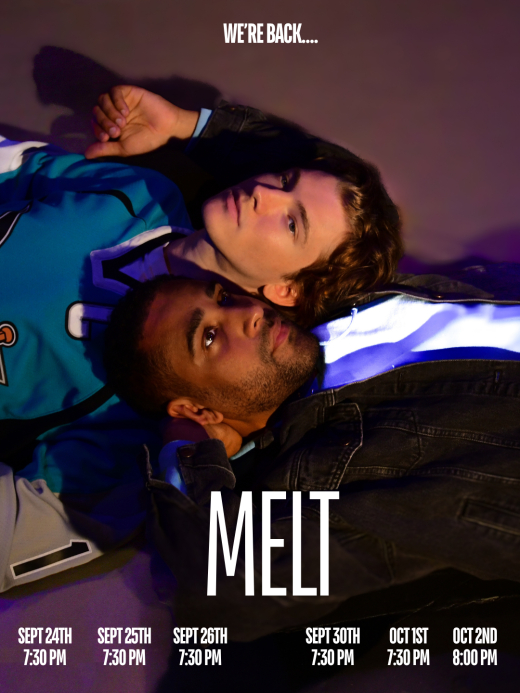
Melt : The Play The Marilyn Theatre at the Lee Strasberg Institute (9/24-10/02) |
|
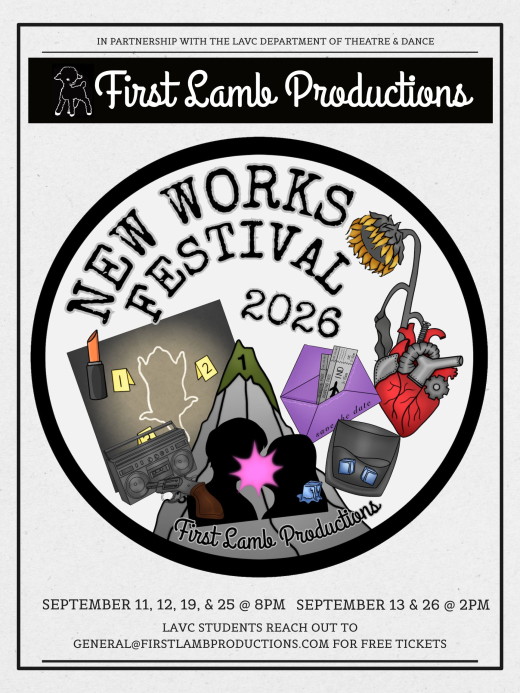
New Works Festival Shoebox Theatre (9/11-9/26) |

|
Worthy The Un-Erasable Solo Festival - Willie Agee Playhouse (9/12-9/25) |
