


Sarah Kirkland Snider’s HILDEGARD Premieres at Los Angeles Opera
The opera will go on to play PROTOTYPE Festival and the Aspen Music Festival and School.
 Click for Tickets
Composer Sarah Kirkland Snider, deemed “one of new music’s leading names” (Gramophone), writes music of direct expression and dramatic narrative that has been hailed as “rapturous” (The New York Times) and “ravishingly beautiful” (NPR). With an attention to detail that is “as intricate and exquisite as a spider’s web” (BBC Music Magazine), her music synthesizes diverse influences to render a nuanced command of immersive storytelling. Snider’s first opera, HILDEGARD, for which she also wrote the libretto, will be presented in rolling world premieres by Los Angeles Opera (November 5-9, 2025) and PROTOTYPE Festival in New York (January 9-17, 2026), with subsequent performances at the Aspen Music Festival and School (Summer 2026, details TBA).
Co-commissioned by Beth Morrison Projects and the Aspen Music Festival and School, HILDEGARD is a work of operatic historical fiction about twelfth-century German Benedictine abbess/polymath St. Hildegard von Bingen. Set in 1147, the opera follows Hildegard as she receives visions from God. While transcribing these visions for Papal evaluation – a process that will decide her prophet or heretic – she enlists the young convalescent Richardis von Stade to illustrate the manuscript. As they develop a transformative collaboration that awakens them in ways both profound and unexpected, the two women must confront the powers that would see them erased from history rather than authoring it. At the same time, Hildegard is haunted by mysterious visions she cannot explain, forcing her to grapple with unacknowledged truths she can no longer deny.
Inspired by historical events and the writings of Hildegard von Bingen, HILDEGARD is a meditation on the desire for connection – to spirituality, to humanity, and to our most authentic sense of self – and the conflicts that can compete therein.
For eight years, Snider extensively researched Hildegard's life and work, as well as Benedictine monastic culture and the broader socio-political history of Hildegard’s time. Snider also visited Eibingen Abbey and the ruins of Disibodenberg Monastery, and consulted with renowned Hildegard scholar Barbara Newman. Snider chose to write the libretto herself so that she could develop the text and music simultaneously, and because she had a clear idea of how she wanted to tell Hildegard’s story.
Snider says, “I have chronic migraine, and first learned about Hildegard von Bingen through reading Oliver Sacks’s book Migraine, in which Sacks popularized a theory suggesting that Hildegard’s visions were a result of migraine. I immediately wanted to know more. Thus began a twenty-five-year fascination with Hildegard – her music, visions, and astonishing story. I was awestruck by her triumph over self-doubt, illness, and the otherwise impenetrable social barriers of her time to become the first woman in the history of the Catholic Church to speak and write in the name of God. I wanted to share this story while exploring aspects of her philosophy and the more mysterious realm of her visions, and I thought it would be interesting to do this through the prism of her relationship with fellow nun Richardis von Stade, with whom she shared an impassioned yet complicated love. Opera is an art form that excites me most when it deals with complex, layered emotions. I wanted to explore not only the struggle for intellectual and artistic expression in an oppressive environment, but also what happens when the human desire for connection comes into conflict with socially conditioned notions of right and wrong. Hildegard overcame extraordinary obstacles to lead a self-directed, creatively expansive life. I hope that my treatment of her story will resonate with anyone who has chafed against power structures or societal norms in pursuit of living their authentic truth.”
Beth Morrison is the creative producer of HILDEGARD and Beth Morrison Projects is the producer. The opera is directed by Elkhanah Pulitzer with music director Gabriel Crouch, and stars Nola Richardson (Hildegard von Bingen), Mikaela Bennett (Richardis von Stade), Raha Mirzadegan (Angel), Blythe Gaissert (Margravine von Stade), Roy Hage (Volmar), Patrick Bessenbacher (Mechthild), David Adam Moore (Abbot Cuno), and Paul Chwe MinChul An (Otto). The Los Angeles Opera production will feature LA Opera Orchestra instrumentalists, while the PROTOTYPE performances will feature NOVUS. The creative team comprises Marsha Ginsberg, scenic designer; Molly Irelan, Costume Designer; Pablo Santiago, lighting designer; Deborah Johnson, projection designer; Drew Sensue-Weinstein, sound designer; and Annie Jin Wang, dramaturg.
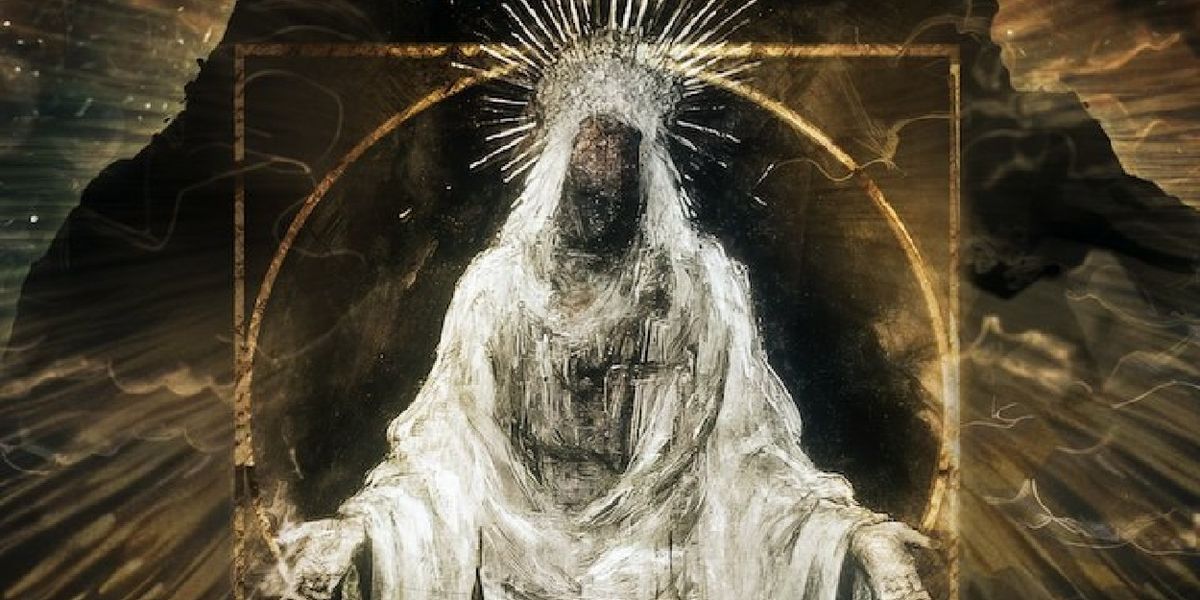
Of the approach to the production, director Elkhanah Pulitzer says, “The piece is a blend of influences inspired by Medieval religious paintings and iconography, and Hildegard’s own artwork put through a filter of minimalist, modern design. We emphasize symbolic representation and spirituality while breaking with some of the tropes one carries in mind associated with monastic life in the 12th century. The veil between what is real and what lies in the realm of mystery and metaphor is also celebrated in the work, inspired by Hildegard’s visions.”
With two grants from Opera America, HILDEGARD has been workshopped at Princeton University Lewis Center for the Arts Atelier program (2023), Opera Fusion: New Works at Cincinnati Opera (2024), and Mannes College of Music (2025).

|
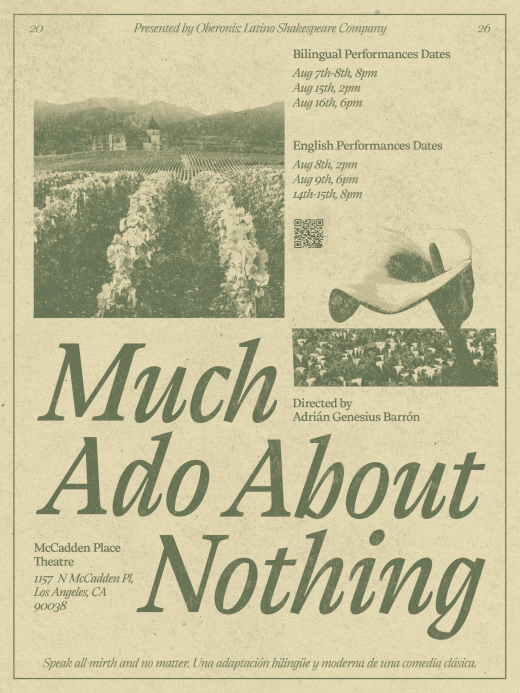
Much Ado About Nothing McCadden Place Theatre (8/07-8/16) |

|
6 Out of 10 Theatre 68 (8/20-8/20) |
|
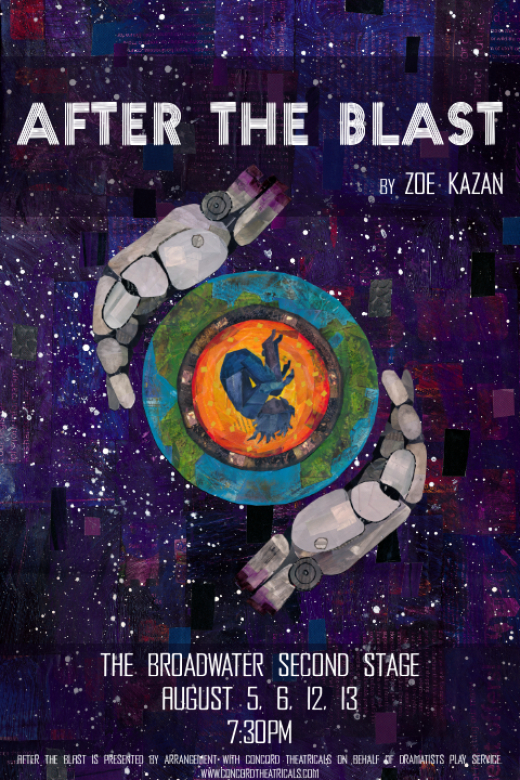
After the Blast The Broadwater Second Stage (8/05-8/13) |
|
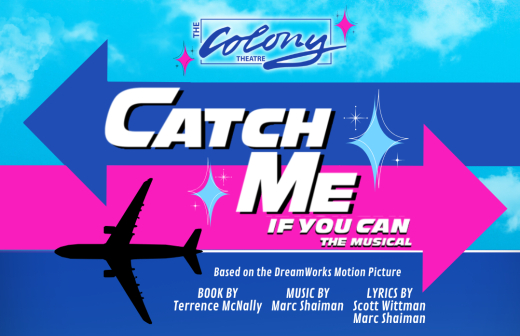
Catch Me If You Can Colony Theatre (9/17-10/18) |
|
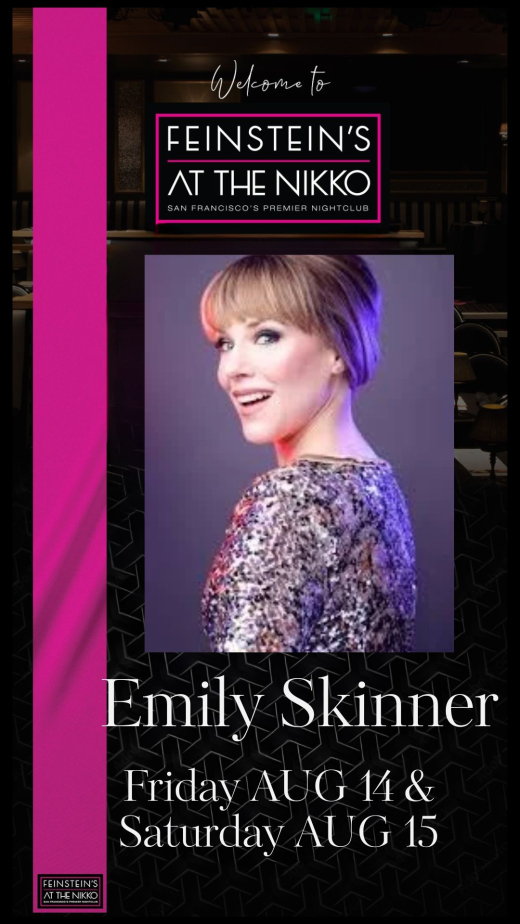
Emily Skinner: In Concert Feinstein's at the Nikko (8/14-8/15) |

|
Gershwin and the Golden Age Younes and Soraya Nazarian Center for the Performing Arts (The Soraya) (10/11-10/11) |
|
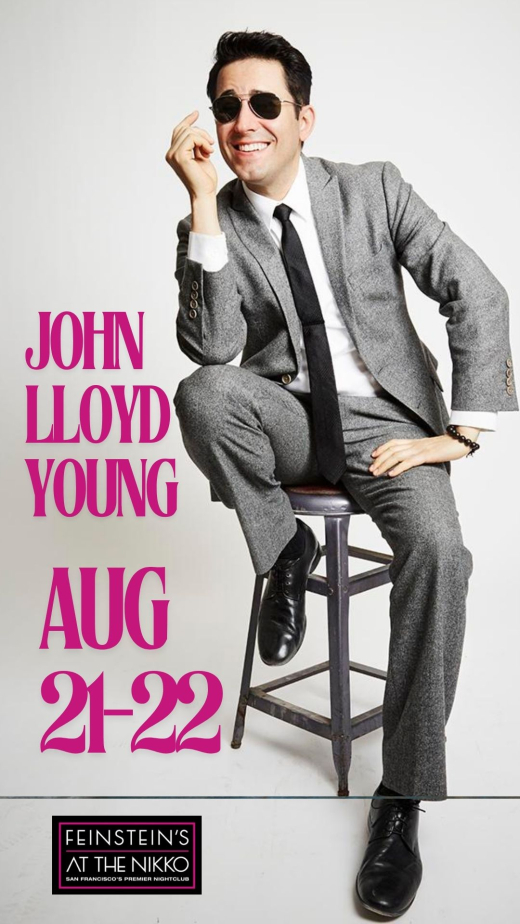
John Lloyd Young Feinstein's at the Nikko (8/21-8/22) |

|
Love, Loss and What I Wore Sawyer's Playhouse (8/08-8/30) |
|
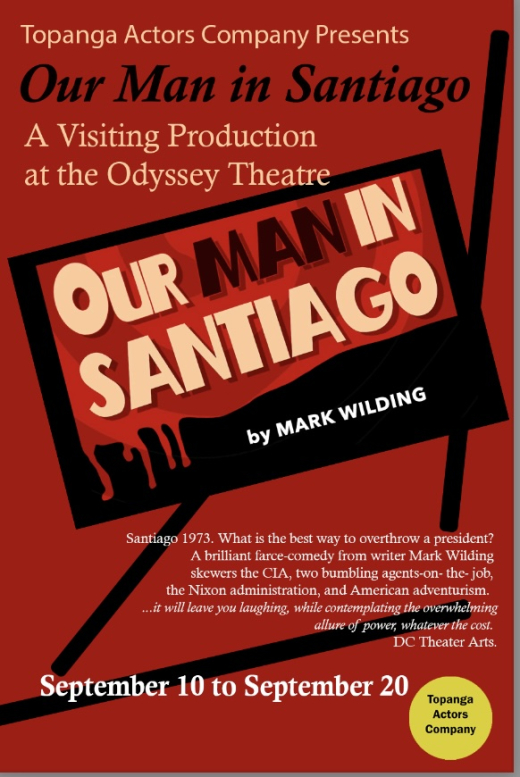
Our Man in Santiago by Mark Wilding Odyssey Theatre Ensemble (9/10-9/20) |

|
The Family Album La Jolla Playhouse (7/17-8/23) |