The 15 Best Cities Around the World for Theatre Lovers (From Broadway to Beyond)
Book your flight, pack your bags, and head to the theater!
Planning your dream vacation? What if you could combine your travels with unforgettable theater experiences? Whether you're building an itinerary around live performances, musical theatre, or simply want to catch a show while exploring, these are the best cities in the world for theater.
They offer everything from historic opera houses to cutting-edge experimental stages. From ancient amphitheaters where drama was born to modern experimental performance spaces and soul-stirring musicals. Here are the 15 (fifteen) best cities where theater is more than just entertainment.
Tokyo: The Theatre Scene Where Centuries Collide
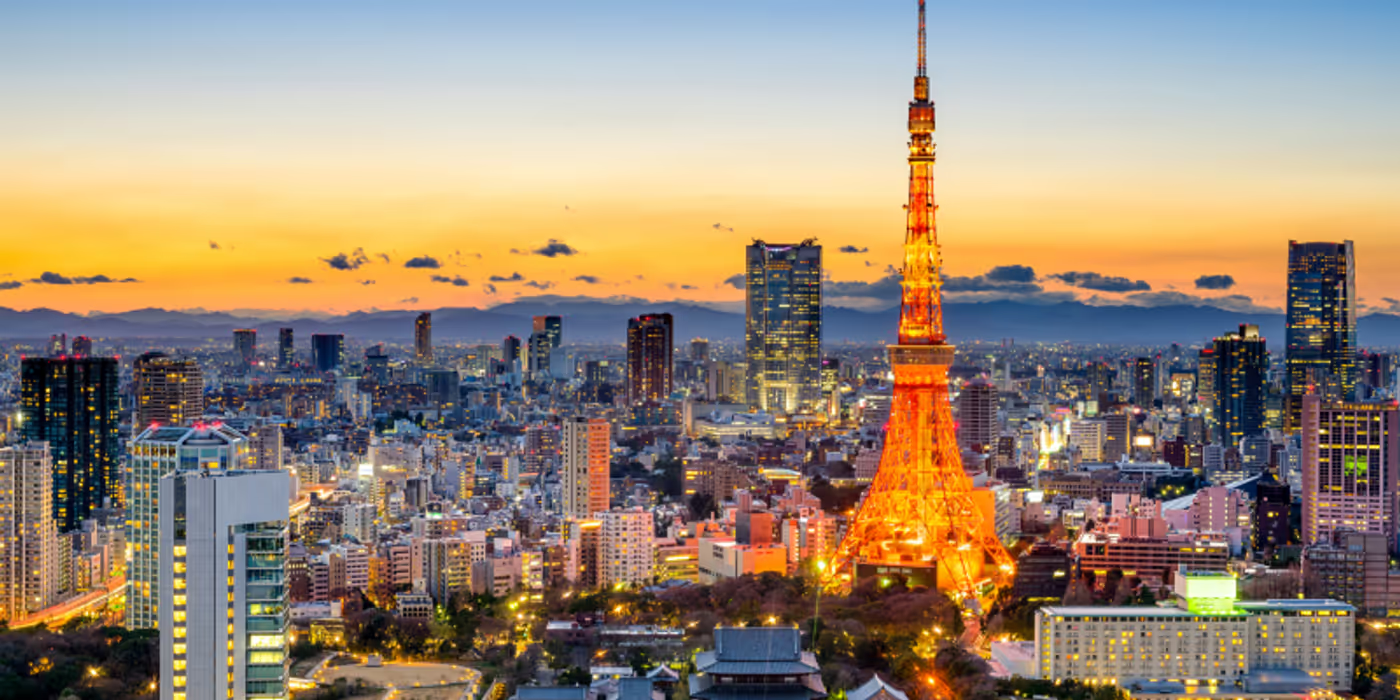
Step into Tokyo's theater world, and you'll find yourself caught between centuries. Discover traditional Kabuki—a 400-year-old art form where elaborate costumes and exaggerated movements tell stories that transcend language barriers. The Kabukiza Theatre in Ginza, reconstructed in 2013, offers performances almost year-round with English subtitles available for international visitors.
But Tokyo doesn't stop at tradition. Walk a few blocks, and you'll discover experimental theater companies creating work that feels like it's from the future. The New National Theatre hosts everything from classical Noh performances to modern playwrights and contemporary dance performances.
You get to enjoy some notable productions like Traditional Kabuki & Noh performances in theatres like Kabukiza all year round, and Opera & drama(like Carmen, Die Fledermaus, ballet productions, etc.) at the New National Theatre.
Best time to visit: Year-round, though spring (March-May) offers comfortable weather for combining theater with sightseeing.
Ticket accessibility: Single-act tickets make Kabuki affordable for travelers on any budget. You can use local services like TKTS Japan for discounts tickets and upcoming shows, or you can buy directly from theatre box offices and official websites.
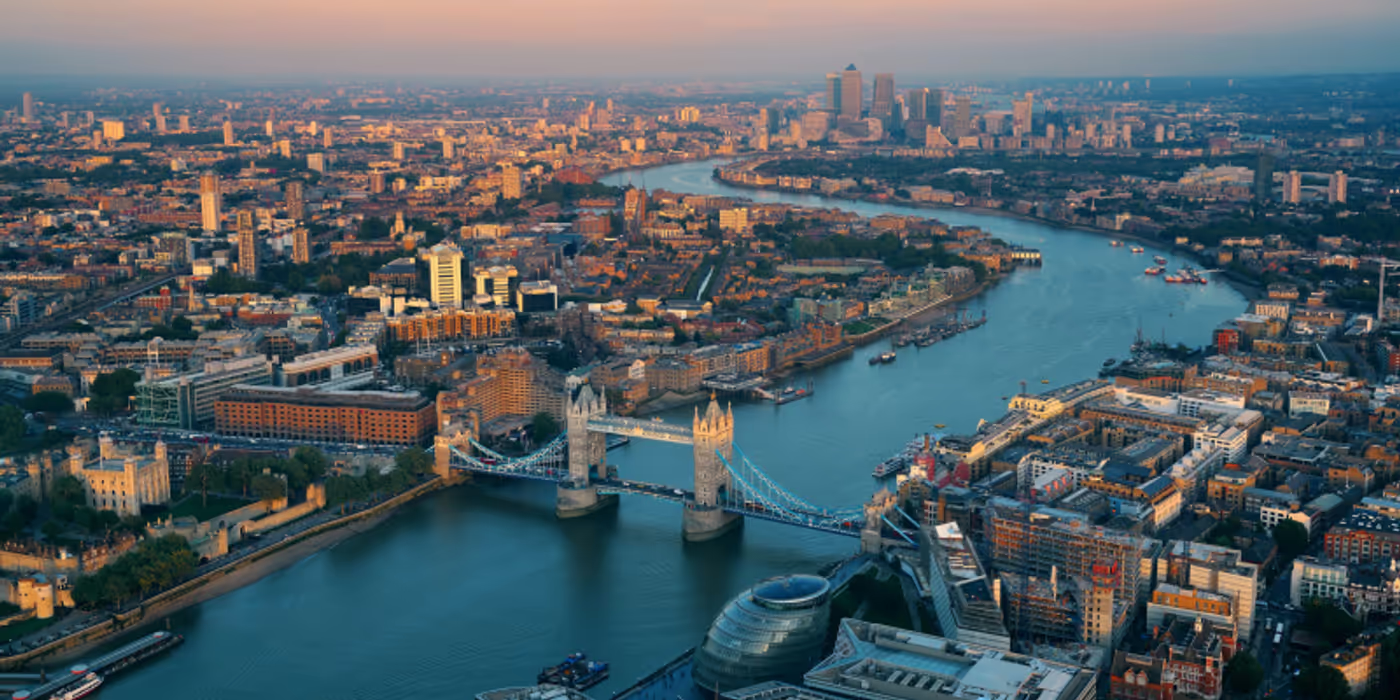
London: The Champion Of The Performing Arts
The West End welcomed audiences 11% higher than pre-pandemic levels, defying every prediction about the death of live entertainment. Shows like The Mousetrap have been running since 1952, while brand new productions open weekly to sold-out crowds.
Here's what makes London special. Shakespeare's Globe Theatre sits along the Thames, offering shows as they were done 400 years ago. Meanwhile, the National Theatre pushes boundaries with contemporary works that tackle today's most pressing issues.
And the diversity! On any given night, you can catch a West End musical, an intimate fringe production in a converted warehouse, or a classical drama performed by some of the world's finest actors.
Some popular and long-running shows include: The Phantom of the Opera, Les Miserables, The Lion King, Mamma Mia, Hamilton, Wicked, My Neighbor Totoro, etc.
Best time to visit: September-November for new-season launches, or January for the discount season.
Theater style: Mix of industry-leading productions in the West End and innovative fringe work.
Ticket accessibility: You can book tickets with BroadwayWorld or the relevant show sites. Apps like TodayTix offer last-minutes tickets, while some theatres offer stand-by options.
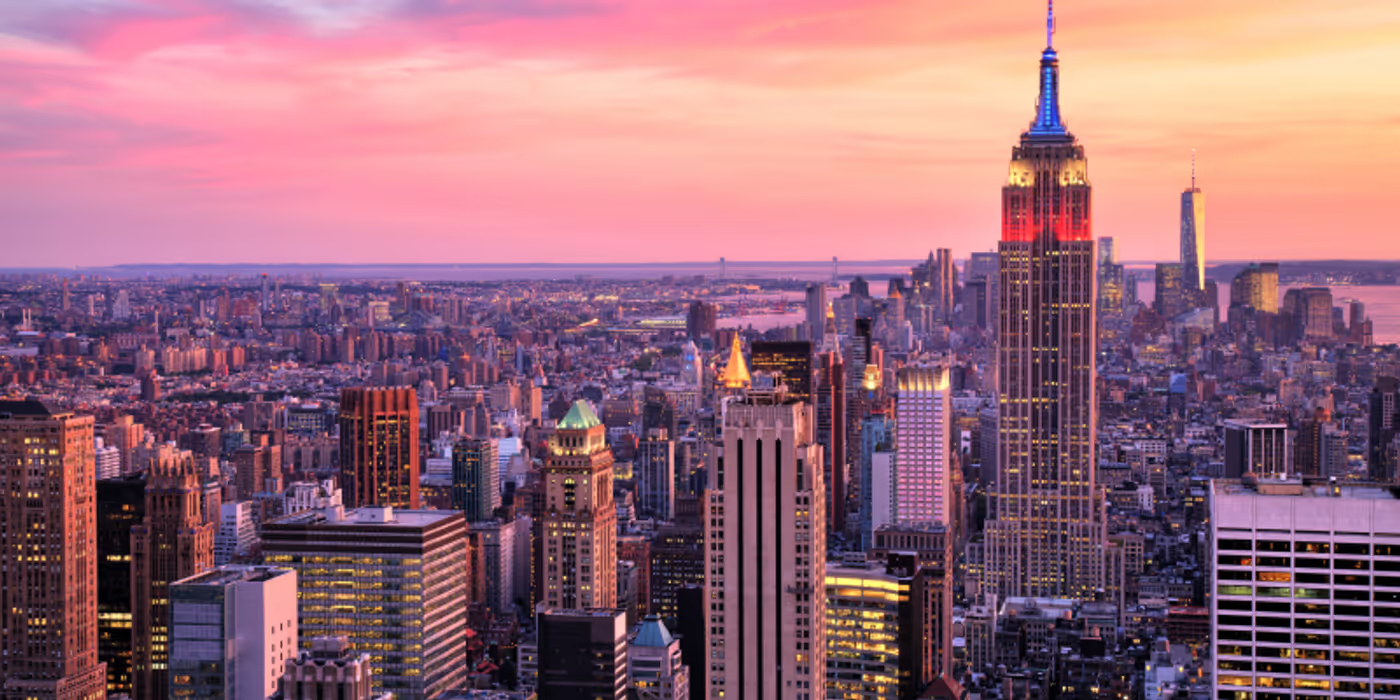
New York City: Musical Theatre Meets Global Recognition
Broadway. Just saying the word conjures images of glittering marquees and show-stopping numbers that become cultural standards. When theater enthusiasts think of the best cities for Broadway-style shows, New York City sits firmly at the top of the list.
There are forty-one professional theaters on Broadway proper, but that's just the beginning. Off-Broadway venues showcase experimental work and launching pad productions that often take a step up to bigger houses. Meanwhile, Off-Off-Broadway offers intimate pieces where actors might be close enough to make eye contact.
However, what makes New York's theater scene truly special is its global influence. Broadway hit musicals become worldwide hits. Trends that start in small downtown theaters eventually reshape how stories are told everywhere.
Some notable or long-running productions include: Chicago, The Lion Ling, Wicked, The Book of Mormon, Hadestown, the long-awaited Titanique, etc.
Best time to visit: Spring and fall for optimal show selection.
Ticket accessibility: You can get your ticket from the theatre box office, here at BroadwayWorld, or the official Broadway ticketing sites. TKTS booths offer same-day discounts of up to 50%, while rush and lottery tickets make Broadway accessible.
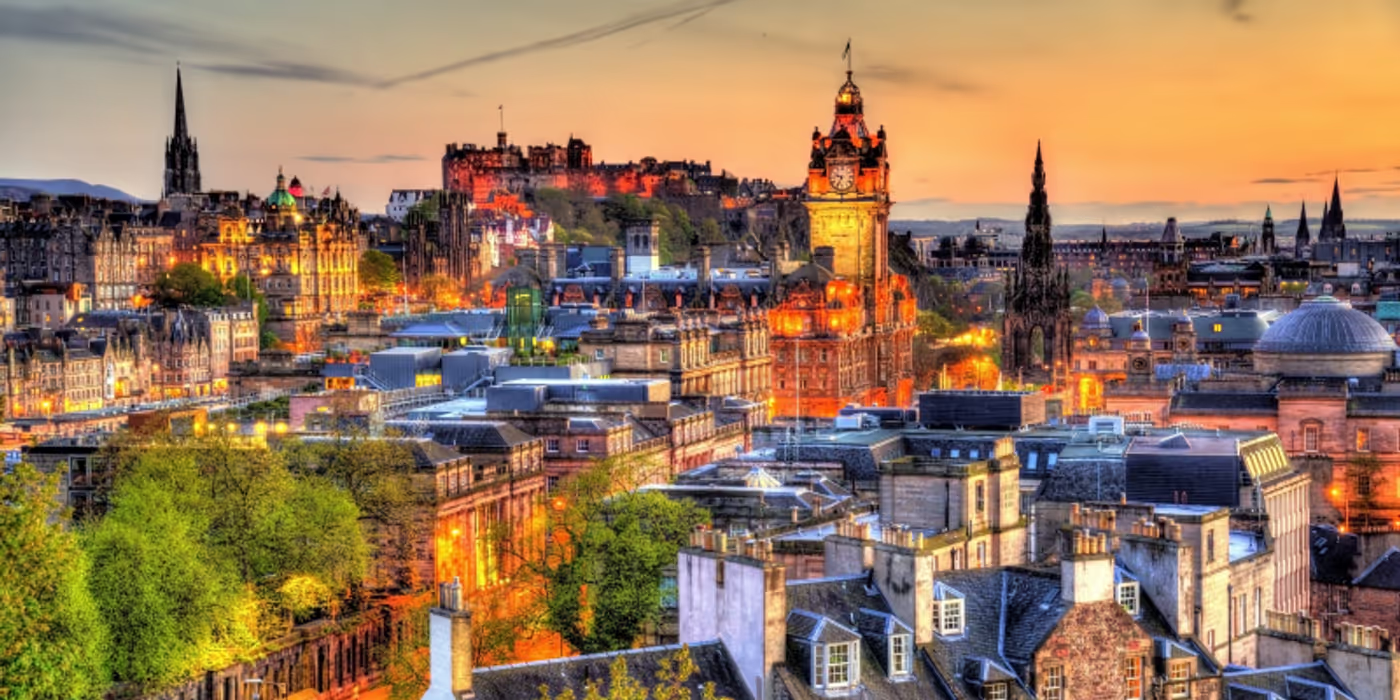
Edinburgh: August's Theatrical Explosion
Every August, Edinburgh transforms into one of the planet's most important cities for the arts, thanks to the annual Edinburgh Festival Fringe. The 2024 edition registered 3,746 shows across 25 days, with over 2.6 million tickets sold. Artists from 60 countries descended on Scotland's capital to perform everything imaginable.
Here's what's magical about Edinburgh: anyone can participate. There's no selection committee, no audition process. You want to put on a show? You can. This democratic approach has launched countless careers and created an atmosphere of creative risk-taking found nowhere else.
The Royal Lyceum Theatre and Edinburgh Playhouse provide traditional settings, while pop-up venues appear in the most unexpected locations. Imagine watching comedy in a centuries-old church or catching an intimate drama in a converted underground space.
Best time to visit: August for the Fringe Festival. Book accommodation months in advance.
Theater style: Overwhelmingly experimental and independent, with over 3,700 shows to choose from.
Ticket accessibility: You can get tickets from the Edinburgh Fringe Official Site and individual venues. But you should always remember that show schedules usually go live months before the festival.
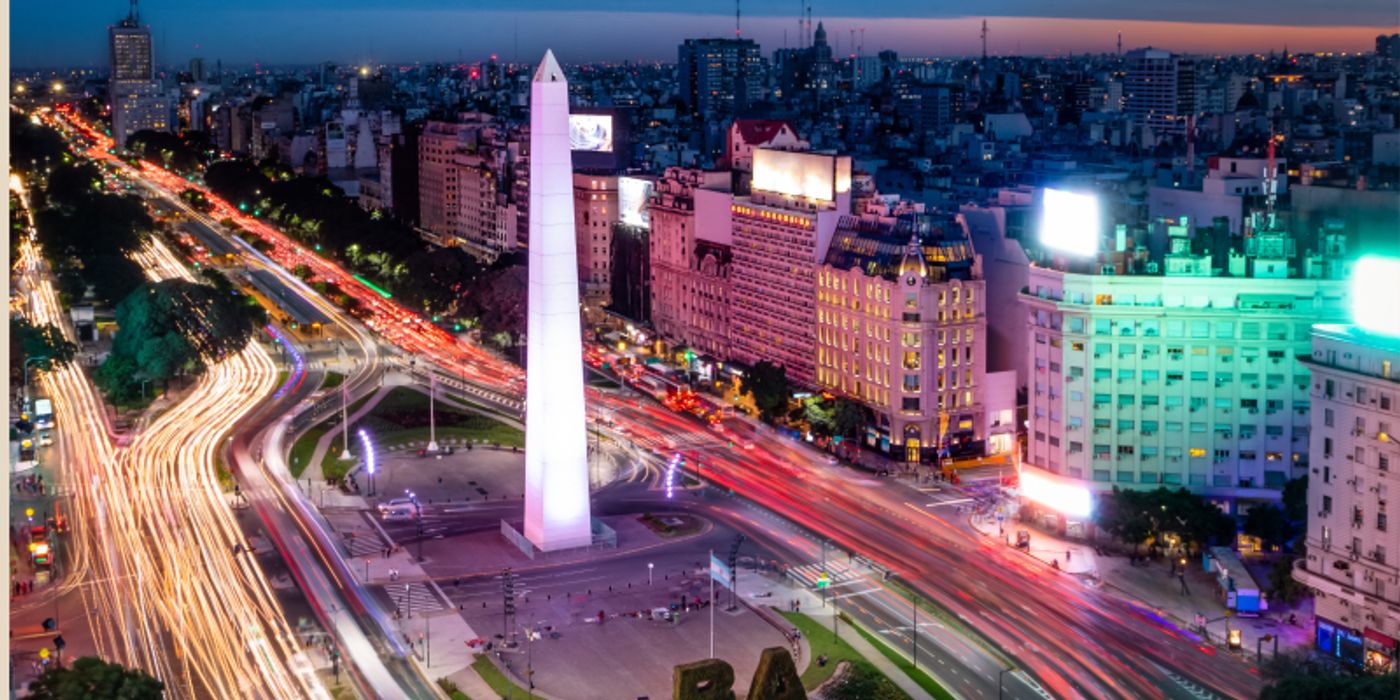
Buenos Aires: Latin America's Cultural Jewel
Buenos Aires breathes theater. The city supports over 300 active theater spaces. Choices range from the magnificent Teatro Colón, one of the world's finest opera houses, to tiny independent venues tucked into neighborhood corners.
The Teatro Colón alone is worth the trip. This architectural masterpiece opened in 1908 and remains one of the planet's best acoustic spaces. Seeing an opera or ballet here is a bucket-list experience. The good thing is that you get to enjoy the classical opera and ballet performances featuring top local and international artists all year-round.
But the city's real treasure is its independent theater circuit. Small companies produce daring, innovative work that reflects Argentina's complex social and political landscape.
These productions often run for months, allowing word-of-mouth to build audiences organically.
The city's theatrical tradition runs deep. Argentines take their theater seriously, packing houses on weeknights and engaging in passionate post-show debates at nearby cafés. It's theater as civic dialogue, entertainment as essential service, a unique trait not found in many cities on this list.
Best time to visit: March-May or September-November for pleasant weather.
Ticket accessibility: Among the most affordable of the theater capitals of the world, with many quality shows under $20. You can get your ticket through the official house/theatre box office online or in person.
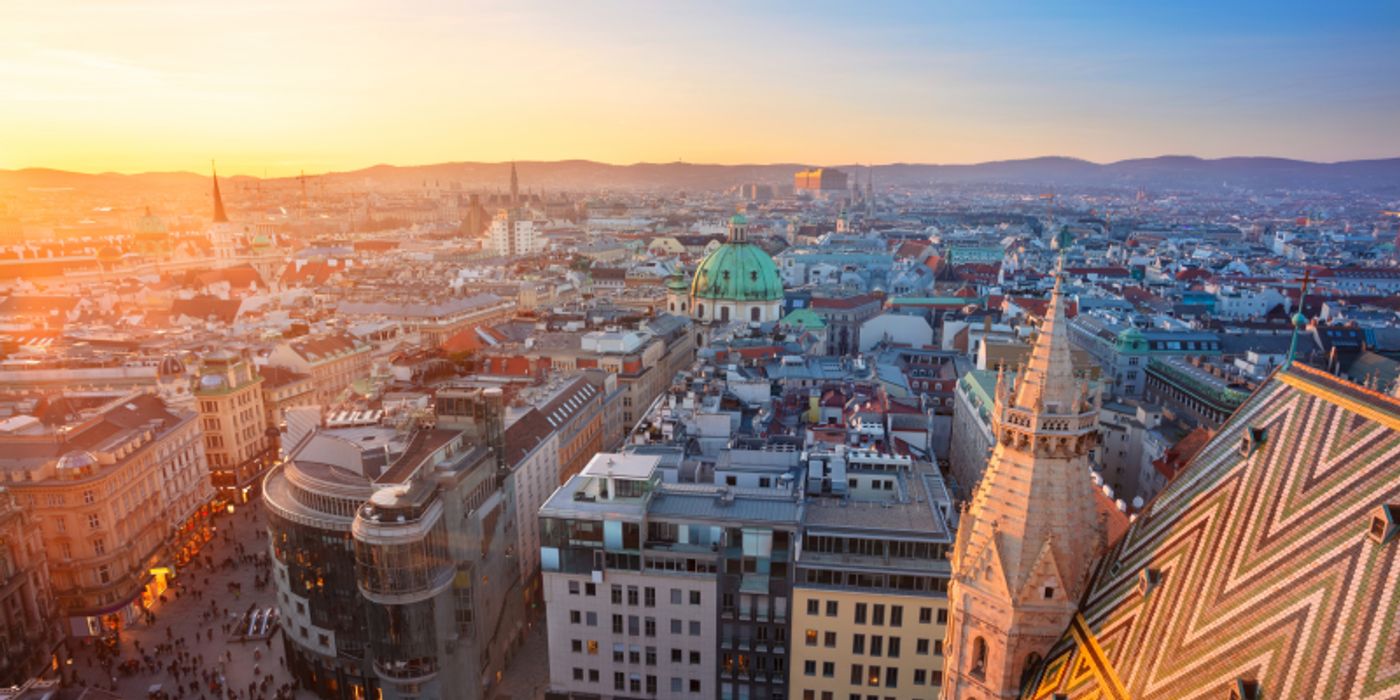
Vienna: Where Elegance Meets Innovation
Vienna approaches theater with characteristic Austrian sophistication that showcases its rich history. The Burgtheater, founded in 1741, is one of the most important German-language theaters in the world. You can watch ‘Burgtheater’, a previously banned production currently showing at this historic venue. Tickets are available on Burgtheater’s webshop, through email, or at the box office.
You can also visit the world-famous Vienna State Opera. The Opera delivers world-class performances in a building that's itself a work of art.
What surprises theater enthusiasts is Vienna's contemporary scene. Venues such as the Volkstheater and the Wiener Konzerthaus present cutting-edge works alongside classic plays. The city's commitment to theatrical excellence spans from tradition to experimentation.
Vienna's theater culture is more democratic than that of most comparable cities. Extensive public funding keeps ticket prices reasonable, ensuring audiences from all backgrounds can experience world-class performances as part of daily life. It's not uncommon to see students and retirees sitting side by side at the opera.
The city's compact size means you can catch multiple shows during a visit, and the beautiful architecture surrounding every venue makes the entire experience feel like stepping into another era.
Best time to visit: September-June for opera season; July-August for outdoor summer presentations.
Ticket accessibility: Standing room tickets at the State Opera cost just €10-15, and tickets can be bought through the official house/theatre box office online or in person.
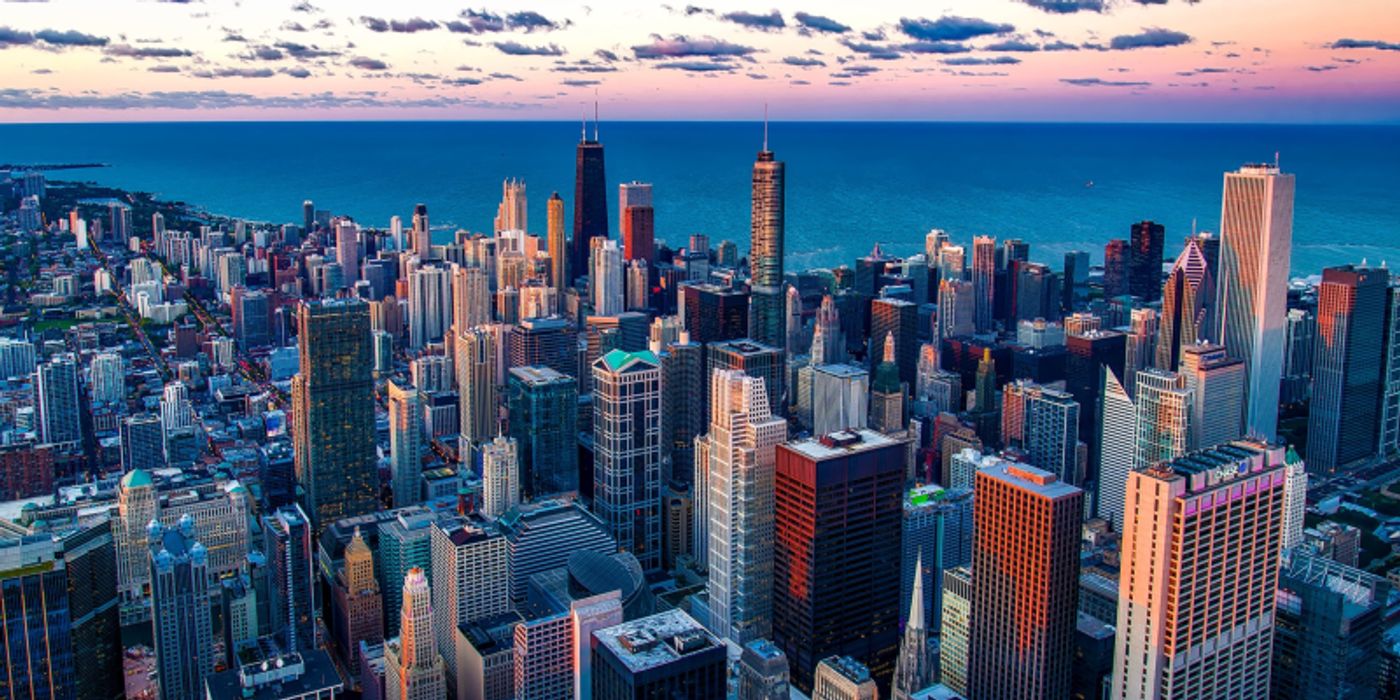
Chicago: America's Theater Powerhouse
Despite being America’s “second city”, Chicago doesn't play second fiddle to anyone. The city's theater scene rivals New York's in quality and surpasses it in the diversity of its styles.
Steppenwolf Theatre Company pioneered an intense, ensemble-based approach that influenced American theater nationwide. Meanwhile, the Goodman Theatre presents everything from premieres to classics with equal commitment. And Chicago’s famous Second City troupe has been home to improv comedy since 1959. And that's just the tip of the iceberg.
Chicago's storefront theater industry is legendary, surpassing that of other cities. Small, independent companies operate in converted retail spaces throughout the city, producing bold, intimate plays without the commercial pressures that are too experimental for larger platforms. These spaces foster artist-audience connections that larger houses can't match.
Additionally, this vibrant arts scene launched the comedy careers of two influential comics and actors, Stephen Colbert and Tina Fey.
Best time to visit: Year-round, though October-November offers peak programming.
Theater style: Heavy emphasis on ensemble work and socially conscious works.
Ticket accessibility: The theatres sell tickets directly online or through theatre hubs like Broadway in Chicago.
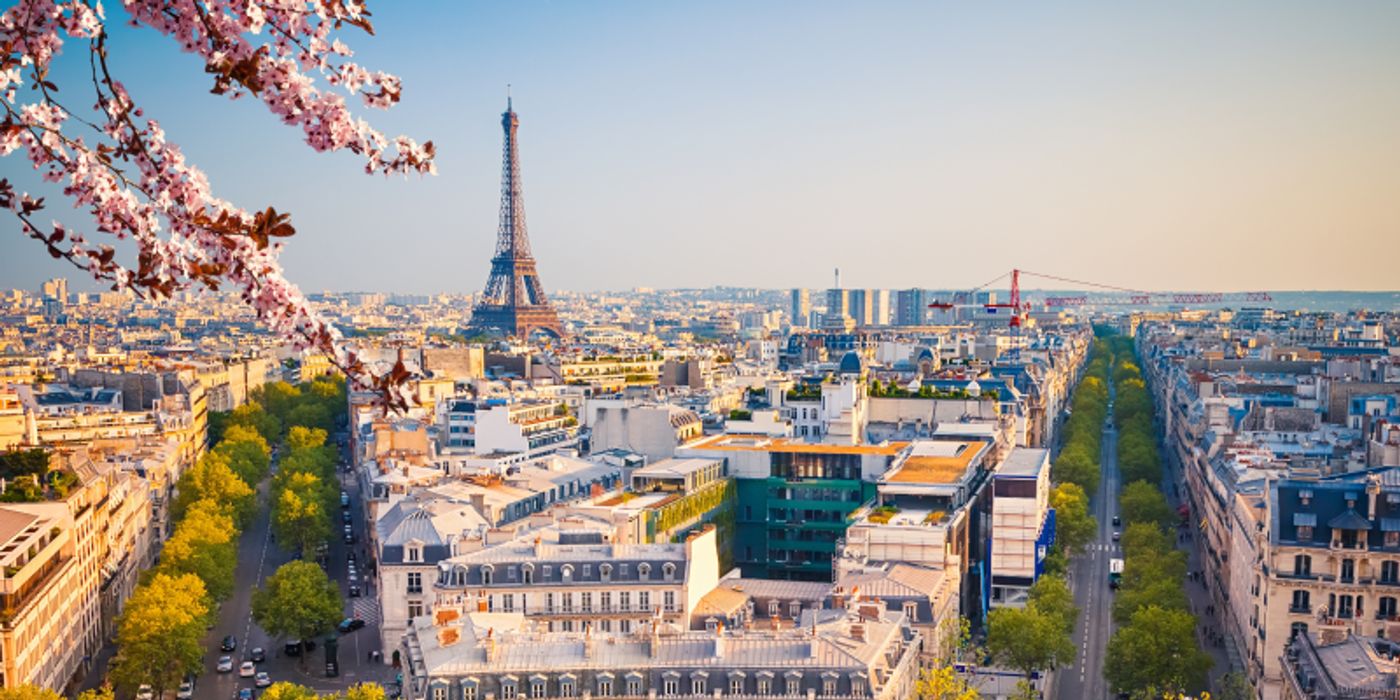
Paris: Romance and Revolution on Stage
Parisian theater carries centuries of tradition that cities across the world envy, while constantly reinventing itself. The Opéra Garnier dazzles with its Baroque-inspired scenic design. The Théâtre du Châtelet presents opera, ballet, and concerts in a hall that's breathtaking even when empty. Meanwhile, classics like Les Miserables have continued to captivate theatre goers.
But the city’s theatrical soul lives in its lower-capacity venues. The city's network of intimate theaters presents contemporary works, experimental performances, and everything in between. These spaces feel like secrets shared between actors and patrons who know where to look.
The French capital takes its cultural heritage seriously. Government support ensures diverse programming and accessible tickets, making world-class theater available to residents and visitors alike.
Best time to visit: September-December for new season openings.
Theater style: Mix of classical repertoire, contemporary French works, and international works.
Ticket accessibility: You can get tickets through official venue sites or reputable ticket platforms for classic and contemporary theatre houses.
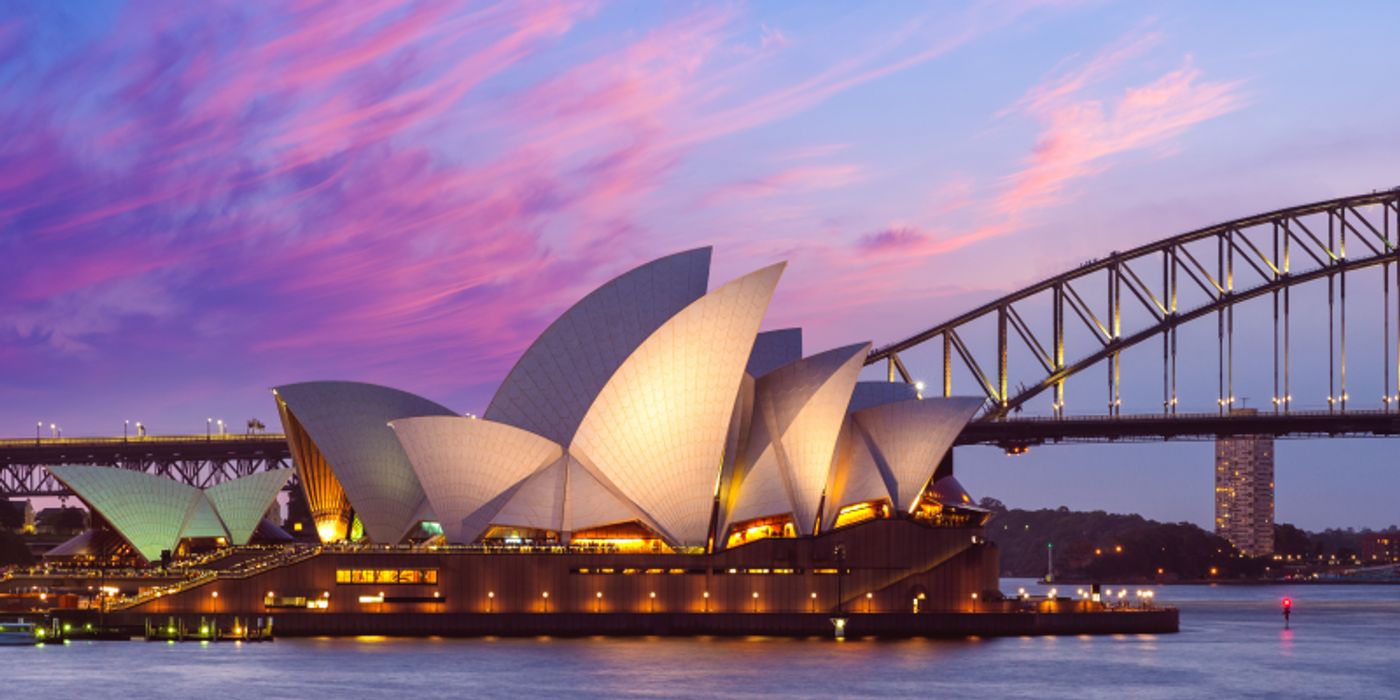
Sydney: Unique Theater Scene and Stunning Harbor Views
The Sydney Opera House is one of the world's busiest performing arts centers. Over 1,500 theatre and music shows happen under its bright lights annually.
But Sydney's theater scene extends far beyond its most famous venue. The Sydney Theatre Company produces bold, innovative works that have won international recognition. The Capitol Theatre also hosts major musicals and touring shows in a space that's been entertaining audiences since 1928.
Additionally, Sydney's location is a big advantage. Imagine catching an evening performance, then walking out to harbor views that take your breath away. The city's natural beauty provides a stunning backdrop to cultural experiences.
Australia's relative isolation has fostered a distinctive theatrical voice in Sydney. The city's theater productions reflect local perspectives while engaging with global themes, creating performances that feel both familiar and refreshingly different.
Best time to visit: November-March for the summer festival season.
Ticket accessibility: Rush tickets and previews offer savings on major shows.
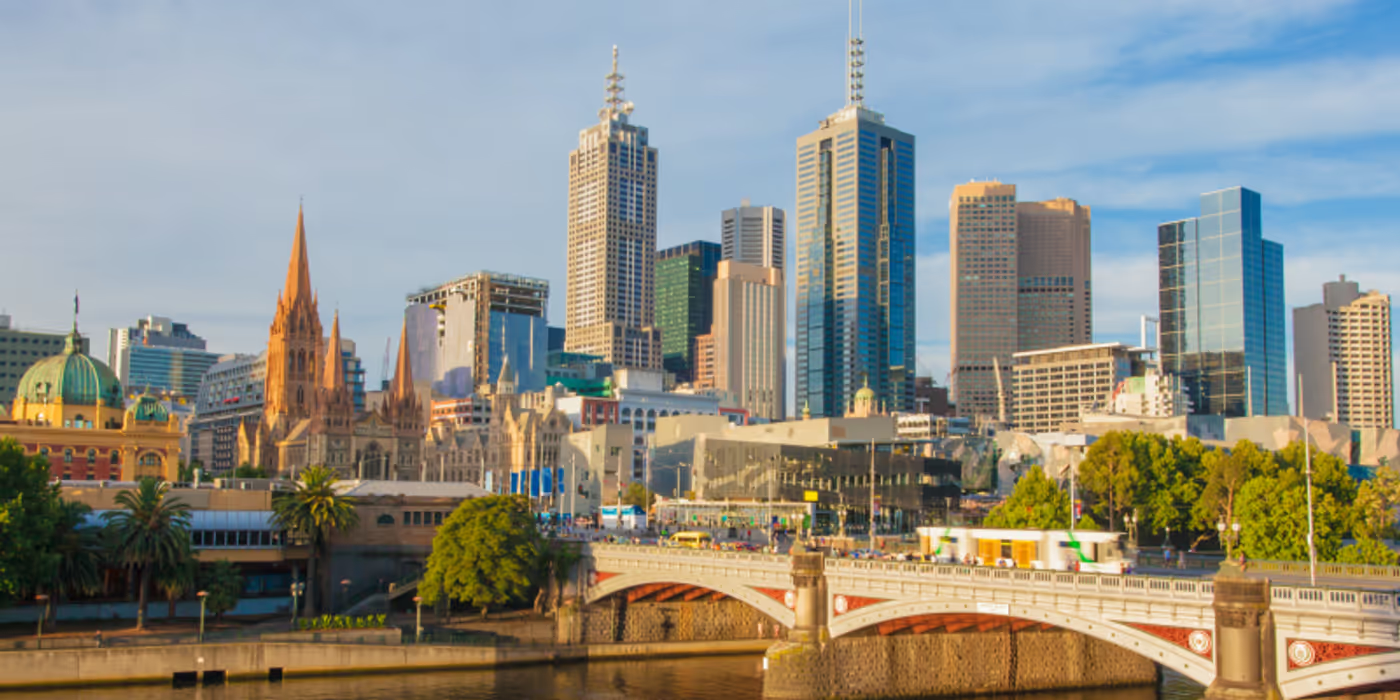
Melbourne: Australia's Cultural Capital
Although it is viewed as the other city in Australian theater, locals would argue that it surpasses Sydney in depth and diversity. The Arts Centre Melbourne hosts major productions, while the Melbourne Theatre Company mixes classics with new Australian dramas.
However, Melbourne's real strength lies in its independent scene. Small venues throughout the city showcase emerging artists and experimental shows. These intimate spaces take risks that commercial theaters can't, creating an environment where innovation flourishes.
Additionally, Melbourne's cultural calendar never stops. The Melbourne International Comedy Festival, Melbourne Fringe, and countless other events make it one of the few cities with year-round theatrical activity.
Best time to visit: March-April for Comedy Festival, September-October for Melbourne Fringe.
Theatre style: Highly experimental with strong emphasis on independent productions.
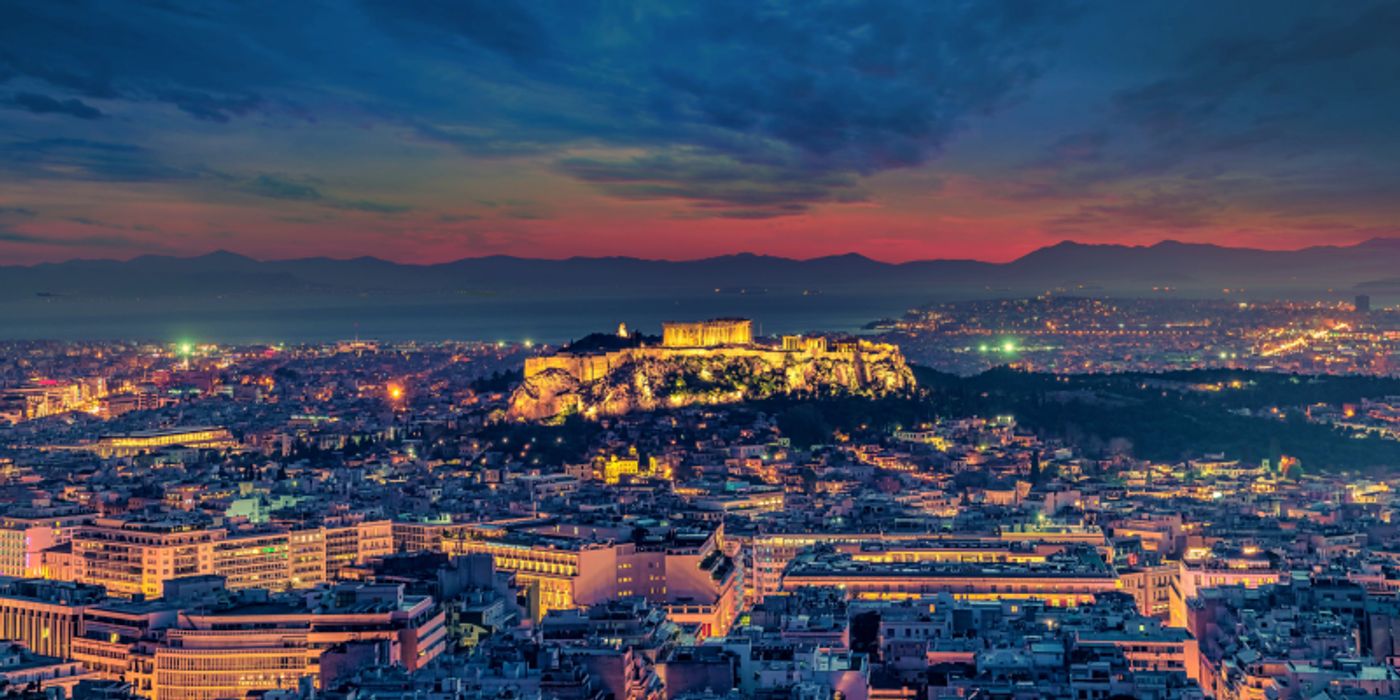
Athens: Where Theater Was Born
You can't discuss the best cities for live theater without acknowledging Athens. This is where it all began: where tragedy and comedy were invented, and masks and choruses first took the stage.
The ancient Theatre of Dionysus sits on the southern slope of the Acropolis. Plays by Aeschylus, Sophocles, and Euripides premiered on this stage 2,500 years ago. Visiting this space feels like a pilgrimage for theater lovers.
But Athens isn't living in the past. The city's contemporary theatre scene blends classical traditions with modern sensibilities. Presentations range from faithful recreations of ancient works to avant-garde pieces that reimagine theatrical possibilities.
Summer brings outdoor shows at ancient arenas like the Odeon of Herodes Atticus. Watching Greek tragedy where it was meant to be performed—under open sky, in stone amphitheaters built for perfect acoustics—is an experience that connects you to theater's very roots.
Best time to visit: June-September for the Athens Epidaurus Festival.
Theater style: Mix of classical Greek drama and contemporary experimental work.
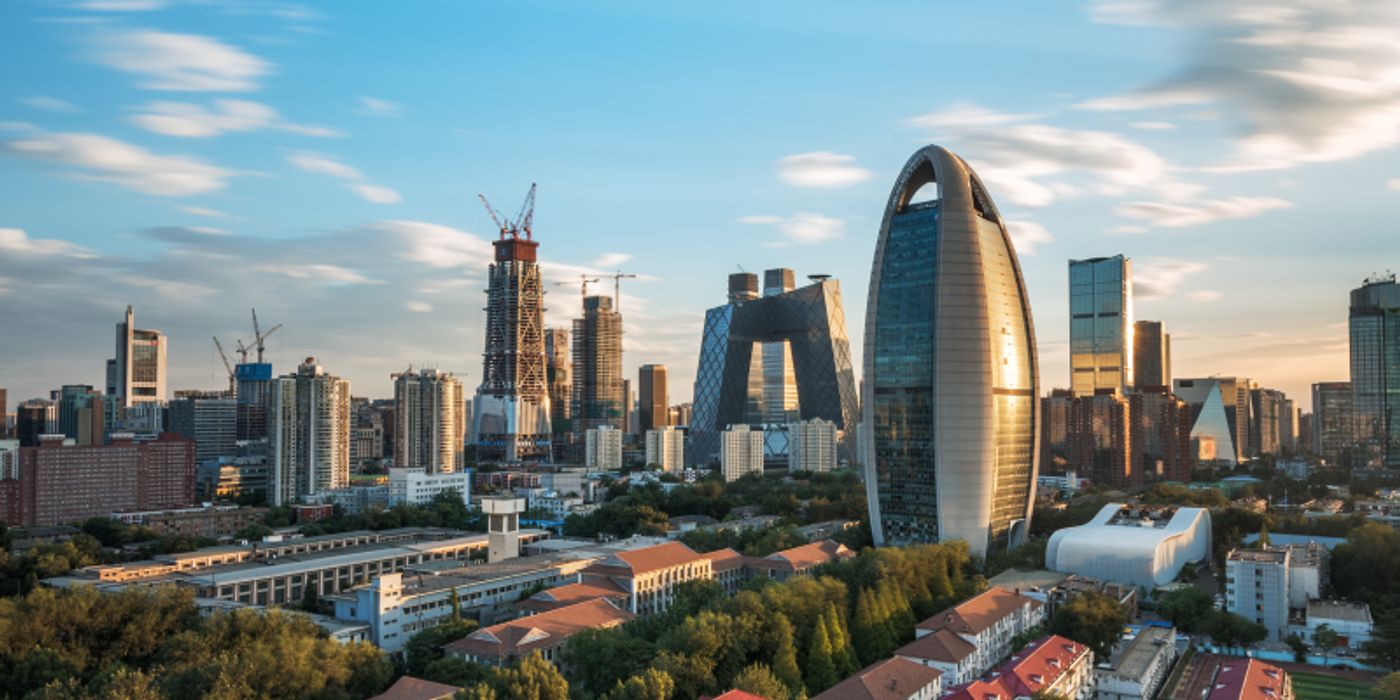
Beijing: Ancient Traditions, Modern Innovations
Beijing's theater scene offers something you won't find elsewhere: Peking opera, an art form combining singing, dancing, martial arts, and acrobatics into spectacular performances.
The National Centre for the Performing Arts, known to locals as "The Egg" for its distinctive architecture, hosts world-class productions. This modern venue contrasts beautifully with Beijing's traditional theaters tucked into historic hutong neighborhoods.
What makes Beijing fascinating is how tradition and innovation coexist. Classical Peking opera plays alongside contemporary experimental theatre. Ancient forms inspire new work that pushes artistic boundaries.
Best time to visit: September-November or March-May for comfortable weather.
Theatre style: Traditional Peking opera alongside contemporary Chinese theater.
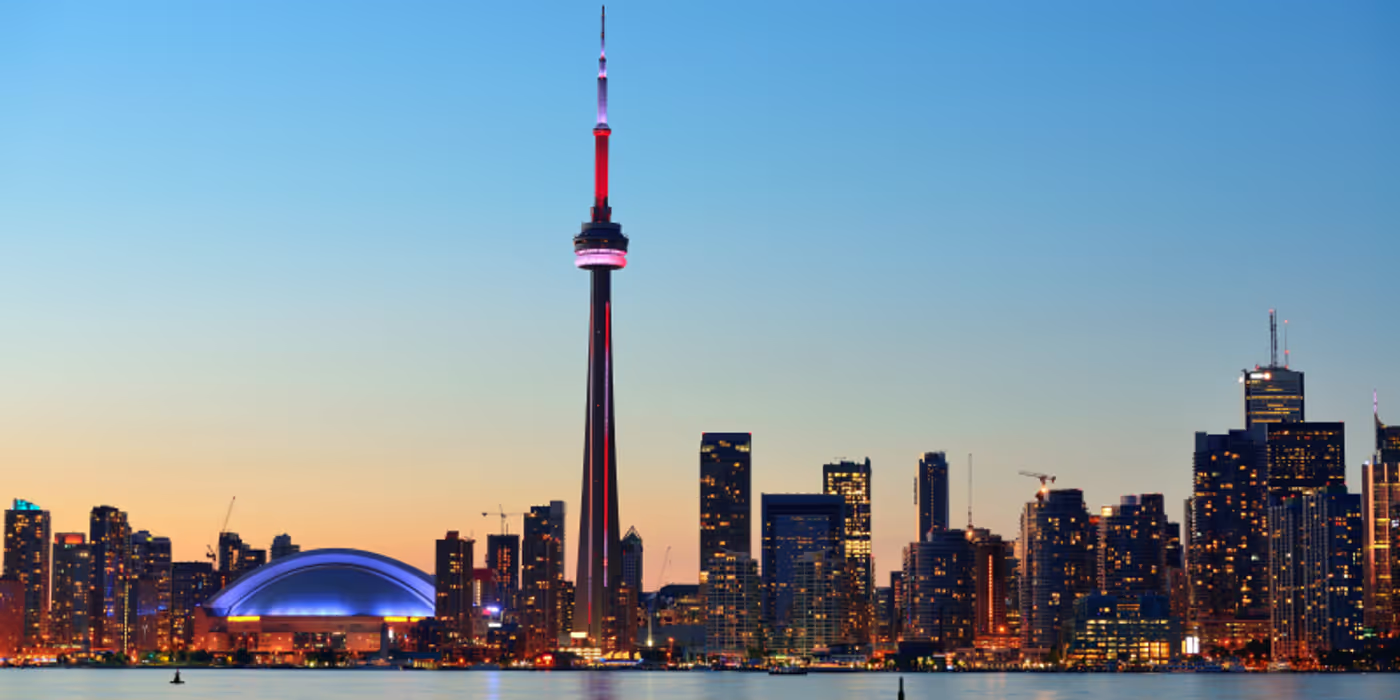
Toronto: North America's Hidden Gem
Toronto doesn't get the attention it deserves. Canada's largest city supports a theater scene that rivals cities twice its size. The Royal Alexandra Theatre and Princess of Wales Theatre host major tours and productions that often premiere here before heading to Broadway.
However, lesser-known arenas like the Tarragon Theatre and Soulpepper Theatre Company develop unique Canadian productions. These shows explore national identity, multicultural experiences, and stories that reflect Toronto's extraordinary diversity.
Importantly, the city's theater community is uncommonly collaborative. Artists support each other, and theatres share resources. Viewers also enjoy a wide range of shows, from commercial hits to experimental productions.
Best time to visit: September-May for the theater season.
Ticket accessibility: Generally more affordable than comparable US cities, with frequent preview and rush ticket options.
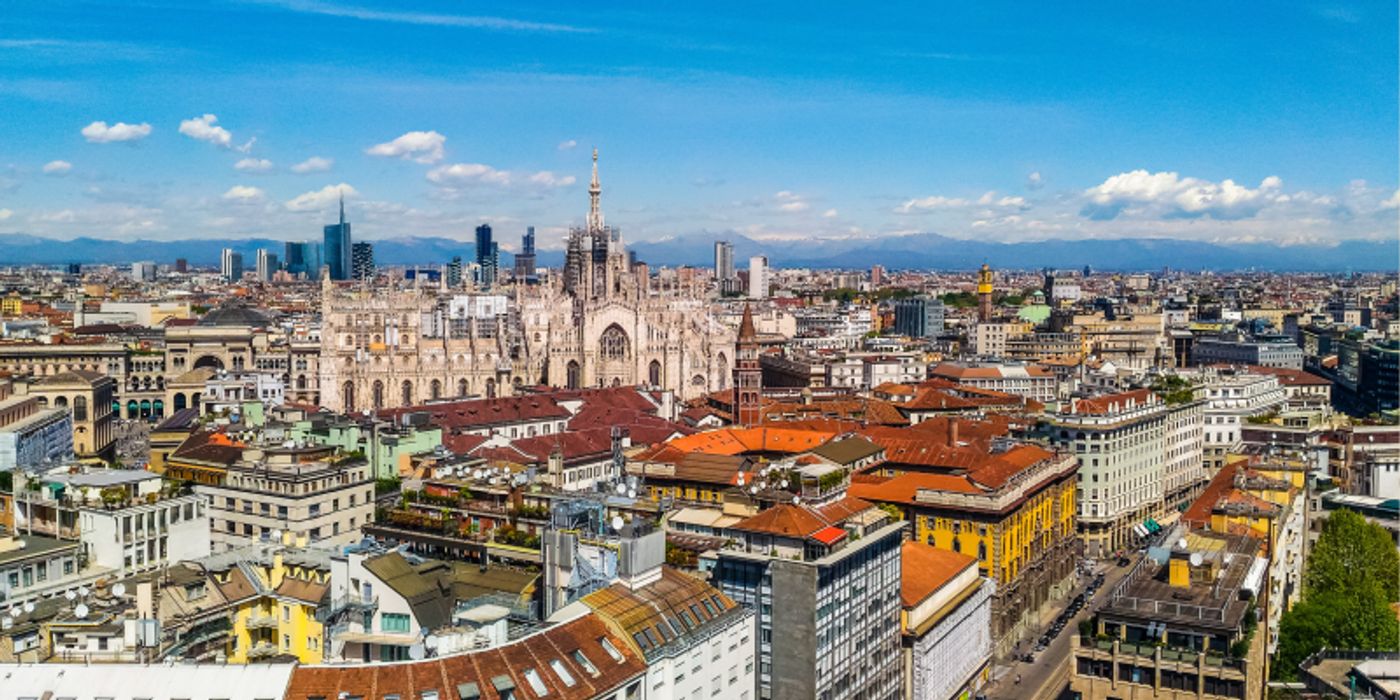
Milan: Style and Substance
Milan brings Italian flair to everything, theater included. Teatro alla Scala ranks among the world's greatest opera houses. Seeing a performance here, surrounded by gilded balconies and red velvet, is pure magic.
Opera dominates, but Milan offers more. Small theaters throughout the city present dramatic works, new plays, and experimental pieces that showcase Italy's continued theatrical innovation.
What sets Milan apart is how theater is part of its everyday culture. Milanese discuss last night's performance over espresso the next morning.
The city's fashion-forward reputation gives its stages a sophistication that other comparable cities admire. Performances feel stylish, sophisticated, and always impeccably presented.
Best time to visit: December for opera season opening; avoid August when many venues close.
Theatre style: Opera-focused with contemporary drama in smaller spaces.
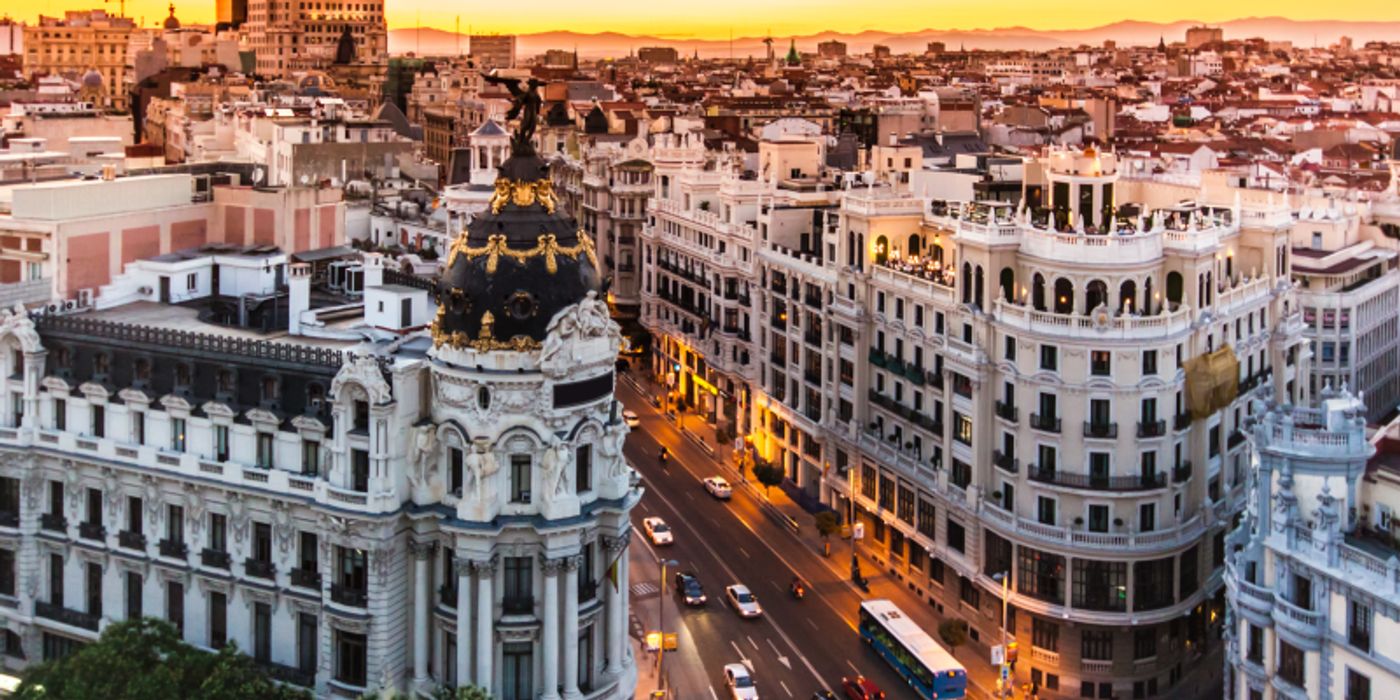
Madrid: Spanish Passion on Display
Madrid's theater scene reflects Spanish culture: passionate, late-night, and deeply social. Shows start at 10 PM because that's when Madrileños are ready for a good time.
Teatro Real and Teatro Español anchor the scene with classical presentations and opera. But Madrid's heart beats in neighborhoods like Lavapiés and Malasaña, where small independent theaters present a rich tapestry of cutting-edge work.
These intimate locations foster experimentation. Young companies develop bold, politically engaged plays that reflect contemporary Spain's complexities.
Madrid's theatre-going crowd engages intensely with performances. They laugh loudly, applaud the performers enthusiastically, and aren't afraid to express displeasure. It makes for an atmosphere where every show feels like an event.
Best time to visit: September-June; avoid August when many theaters close for the summer.
Theater style: Mix of classical Spanish theater and contemporary experimental work.
Your Next Theatrical Adventure
Fifteen cities. Countless performances. Infinite possibilities.
Each country on this list offers unique theatrical experiences that will enrich your travels and expand your understanding of what theater can be. Whether you're drawn to centuries-old traditions or innovative performances, there's a city calling your name.
The best cities in the world for theater await you, and the show is about to begin.
Frequently Asked Questions About Theater’s Leading Cities
What is the best city in the world for theater?
London currently holds the crown as the best city in the world for theater, with over 17.1 million attendees in 2024, 5 million more than Broadway. The West End offers unmatched variety, from long-running classics at renowned locations to boundary-pushing works, with ticket prices that have become more accessible in recent years.
Is London or New York better for theater?
Both are leading cities for theater lovers, but they offer different experiences. London's West End has a long history, higher attendance, more shows running simultaneously, and generally lower ticket prices. New York's Broadway pioneered modern musical theater and has influenced global theater trends. London excels in classical theater and Shakespeare, while New York leads in contemporary musicals and diverse Off-Broadway offerings. For pure volume and variety, London edges ahead. For cultural impact and Broadway spectacle, NYC takes the spotlight.
Which cities are best for non-English theater?
Paris, Vienna, Beijing, Madrid, and Buenos Aires offer outstanding theater in languages other than English. Paris offers world-class French theater, with many shows featuring English surtitles. Vienna and Berlin (honorable mention) dominate German-language theater. Beijing showcases traditional Peking opera that transcends language barriers.
What is the most affordable city for live theater?
Buenos Aires stands out as the most affordable major theater city, with quality performances often priced under $20. Vienna offers incredible value through standing-room tickets at the State Opera for just €10-15. Prague and Mexico City (honorable mentions) also provide excellent theater at budget-friendly prices.