

Season 2, Episode 5: Behind every summer is a community that keeps Fire Island alive. This episode explores the history of the beloved Pines Pantry through the eyes of its iconic Pantry Girls, alongside the volunteer firefighters of The Pines and Cherry Grove who protect the island from fires, hurricanes, beach erosion, and an uncertain future.
Review: THE WAR OF THE WORLDS at We Happy Few
The eerie derivative posits an alien-induced doomsday broadcast for the nation to witness, live over radio, and it is equal parts terrifying and intriguing.
By: Aidan O'Connor
Human beings are enamored with any sudden eradication of their perceived reality. Whether it be through natural disaster, zombie apocalypse, or simply ramifications of human existence – the end of the world has morphed into a subgenre obsession of its own. Trailblazing that style in 1938 was the infamous The War of the Worlds broadcast, now staged by We Happy Few at Capitol Hill Arts Workshop. The eerie derivative posits an alien-induced doomsday broadcast for the nation to witness, live over radio, and it is equal parts terrifying and intriguing.
The War of the Worlds is a stage transposition of the 1938 Orson Welles broadcast of the same name by Mercury Theatre on the Air, a live CBS radio series of dramatized broadcast plays created and narrated by a young Orson Welles. On October 30th, 1938, the series aired its Halloween episode, presenting as a live emergency news bulletin complete with scientific reports and field coverage depicting a world-ending alien invasion. This convincingly realistic format reportedly guided late-coming listeners (who missed opening disclaimers of fiction) into a fear-induced panic, believing the reports to be genuine. Now, historians say the so-called mass hysteria was sensationalized to sell papers, but the hair-raising stage show will make anyone a believer.
Every Halloween, many radio stations re-air Welles’ original radio program, but where the material’s effect slightly shifts is on the stage. We Happy Few places its audience on a parallel track to radio listeners, but with a few added twists and turns. Audiences, like listeners, are left with an uncomfortable dissonance, wavering between what is created and what is true. Each production decision outside the words on the page executes this ambiguity – the consistent presence of a sound engineer (Michael Winch) contradicts horror-movie lighting while the blaring music and sirens refute the blocking. All of this to say, the stage show, even more so than the radio broadcast, leaves you questioning your own judgment of reality.
The transmission opens and closes with a single spotlight engulfing a vintage radio, radiating the voice of Orson Welles, after which the premeditated chaos begins. What starts as a normal broadcast quickly takes a turn when scientific sightings swirl rumors of something headed towards Earth. After an erroneously perceived meteor crashes in a field in New Jersey, aliens from Mars emerge to wreak havoc on humankind, or so the radio reports. Act 1 culminates in an apocalyptic New York City before a short second act depicts the aftermath for those remaining. Based on H.G. Wells’ novel, the book translates to the stage quite nicely with a first act pace that keeps your toes on their toes. In comparison, the stand-alone second act drags a bit, but the overall message and tone are just as impactful as they were in 1938.
Directed by Matt Reckeweg, the broadcast team – played by Rachel Menyuk, Emilia Pazniokas, Jon Reynolds, and Michael Winch – works in tandem to execute astute blocking with purposeful ambiguity. All fluctuating between different on-air personas, but not necessarily characters, each performance is impressive in its own right. Rachel Menyuk’s panicked monologue as aliens descend on New Jersey is commanding. Emilia Pazniokas’ calm and collected in-studio energy was inversely grounding. Still, Jon Reynold’s performance in the later half of Act 1 was hauntingly human in the face of cataclysmic disaster.
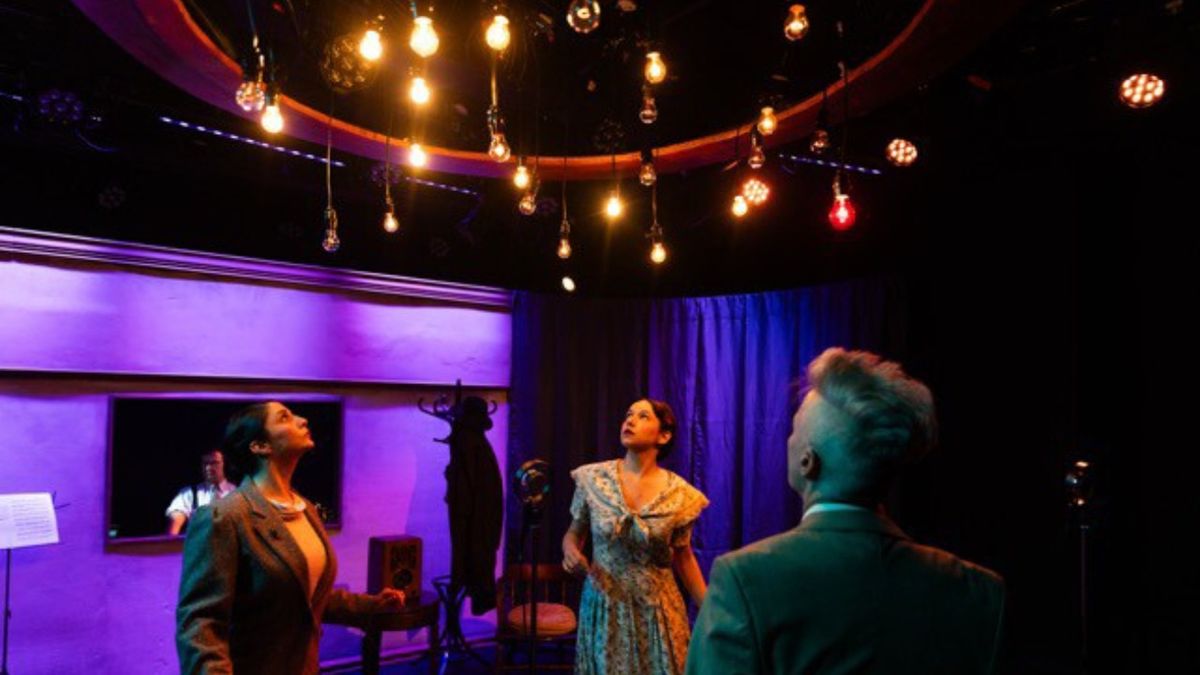
The perceived ambiguity of the events depicted in The War of the Worlds is accentuated by technical decisions, one in particular. Omnipresent above a vintage radio broadcast studio set (Patti Kalil) is a chandelier of sorts composed of lightbulbs, all yellow except a lone glow of red. At first it seems perhaps this is to indicate recording in progress, but as the broadcast progresses, signals from this light fixture opine much more.
The War of the Worlds by We Happy Few is a look into the end of the world narrated live on the radio. Its purposeful enigma is simultaneously unsettling and riveting. As Orson Welles put it, “The Mercury Theatre’s own radio version of dressing up in a sheet and jumping out a bush and saying boo!” It’s an outstanding fright for this Halloween season.
Running Time: Running time: 70 minutes with one 10 minute intermission
The War of the Worlds runs through November 21st at The Capitol Hill Arts Workshop, 545 7th St. SE, Washington, D.C. 20003.
Photo by Mark Williams Hoelscher
Broadway news in your inbox
Weekly top stories - unsubscribe anytime.
Weekly top stories - unsubscribe anytime.
Popular episode


|
Are You Now or Have You Ever Been? Arena Stage at the Mead Center for American Theater (10/17-12/06) |

|
Frida...A Self Portrait Shakespeare Theatre Company (10/08-11/08) |
|
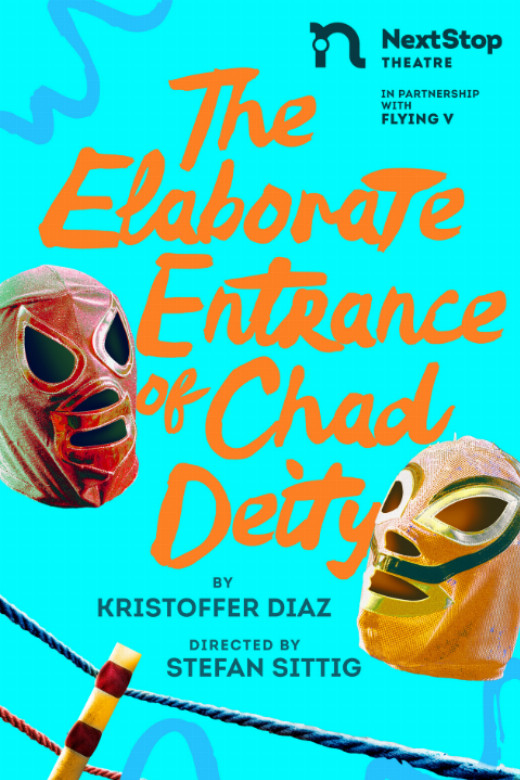
The Elaborate Entrance of Chad Deity NextStop Theatre (11/05-11/29) |
|
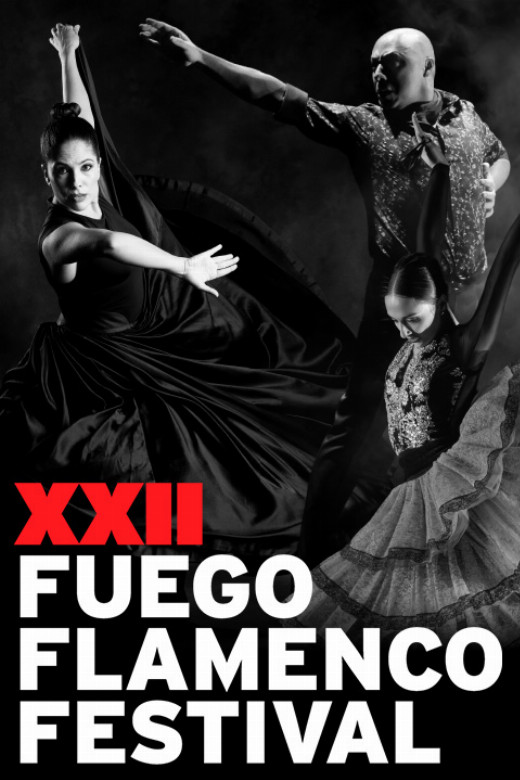
XXII FUEGO FLAMENCO FESTIVAL GALA Hispanic Theatre (11/05-11/22) |
|
Monsters of the Villa Diodati Creative Cauldron (10/08-11/01) |

|
Some Like It Hot Bernard Family Theatre, Olney Theatre Center (9/18-11/08) |
|
The Fruits of Our Labor Arena Stage (9/10-11/01) |
|
Sleepy Hollow Olney Theatre Center (10/07-11/01) |
|
WOW in the World Presents: Make It WOW! Center for the Arts (11/15-11/15) |
|
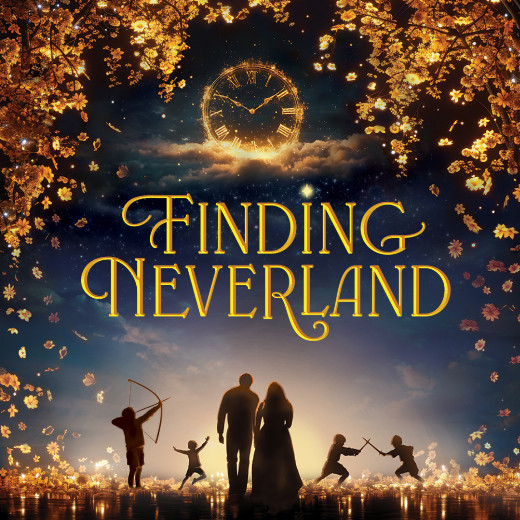
Finding Neverland Hylton Performing Arts Center (1/15-1/17) |
Reader Reviews
To post a comment, you must register and login.