


Review: KING LEAR at Hudson Valley Shakespeare
A breathtaking new theater, a timeless tragedy, and an unforgettable King Lear.
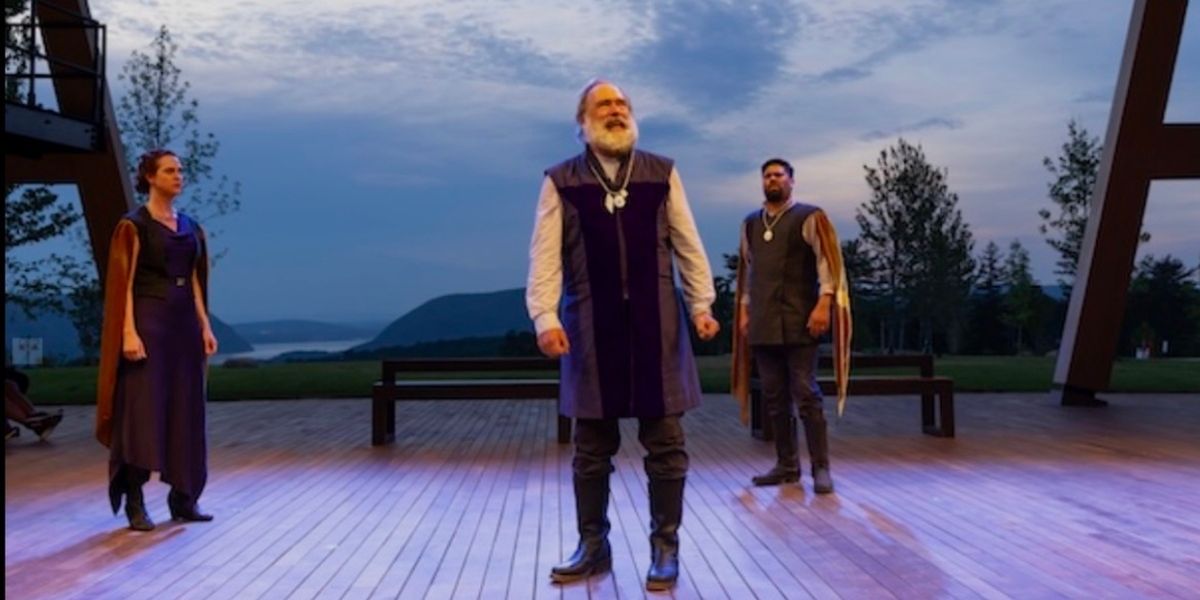
The first thing you notice about Hudson Valley Shakespeare's new Samuel H. Scripps Theater Center isn't the building itself, it's the view. Perched on a 98-acre campus overlooking the Hudson River, the company's new permanent venue replaces the canvas tent that welcomed audiences for nearly four decades. The architecture embraces the landscape rather than competing with it, making nature an active participant in the theatrical experience.
When the play begins at 7 p.m., the audience looks west into the early glow of what will become a blood-orange sunset. The actors emerge from the surrounding landscape as ghostly figures, their silhouettes softened by the fading light. By the final scenes, darkness has settled over the Hudson Valley, and the carefully crafted stage lighting brings every face and gesture into sharp focus. It is difficult to imagine a more fitting visual metaphor for a play preoccupied with blindness, revelation, and the painful wisdom that arrives too late.
At its heart, King Lear is less a political tragedy than an intimate family drama. Lear's disastrous decision to divide his kingdom according to his daughters' declarations of love sets in motion two parallel stories of betrayal and reconciliation, mirrored in Gloucester's relationship with his sons Edgar and Edmund.
Artistic Director Davis McCallum has built Hudson Valley Shakespeare's reputation on clarity, trust in the text, and emotional honesty. That approach serves King Lear especially well. With a sure hand, He brings One of Shakespeare's most challenging tragedies to life with confidence, precision, and emotional force.
Most impressive of all is the ensemble. Under McCallum's direction, the company works with cohesion, giving Shakespeare's intricate web of family relationships, betrayals, and reconciliations a powerful emotional resonance. It is ensemble acting of a very high order and one of this production's defining strengths.
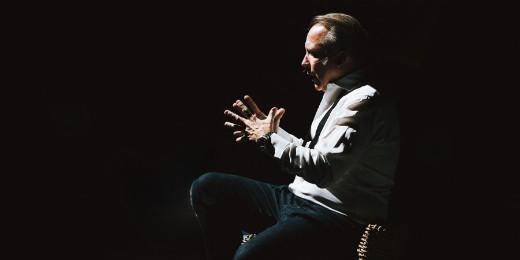
Kurt Rhoads delivers a commanding and deeply human Lear. Rather than portraying the king simply as a tyrant descending into madness, Rhoads presents an aging ruler whose authority slowly slips away as his judgment and mental clarity begin to fail. His progression from bombastic confidence to heartbreaking vulnerability is beautifully realized. He gradually reveals the frightened, grieving father beneath the crown. His final entrance carrying Cordelia's body, crying, "Howl, howl, howl, howl," is devastating.
Howard W. Overshown gives Gloucester equal emotional weight. His warm, open-hearted portrayal makes the character'sbetrayal by Edmund even more heartbreaking. The infamous blinding scene remains as shocking as ever, but Overshown's finest work comes afterward, as he reveals a man slowly finding wisdom through suffering. Shakespeare suggests that those with perfect eyesight are often blind to the truth, while real understanding comes only through loss. Gloucester's journey from certainty to humility mirrors Lear's own, as both men are forced to confront themselves and the world around them with newfound clarity.
Melissa Mahoney brings grace and unwavering integrity to Cordelia, making her refusal to flatter her father, an act of moral courage rather than youthful defiance. Her reunion with Lear is among the production's most moving scenes, filled with tenderness that makes the tragedy's conclusion even more devastating.
Katie Hartke and Helen Cespedes create two vivid portraits of Lear's elder daughters. Hartke's Goneril is coolly calculating and politically ambitious, while Cespedes gives Regan an unsettling volatility that makes her cruelty feel especially dangerous. Together they drive Lear's tragic unraveling.
As Edmund, Keshav Moodliar resists the temptation to play Shakespeare's great opportunist as a conventional villain. His performance emphasizes intelligence, charm, and restless ambition, making Edmund's manipulation of Gloucester and Edgar chilling precisely because it feels plausible.
Eric Berryman gives Edgar remarkable physical and emotional range, particularly during his transformation into Poor Tom, carrying the character from frightened exile to compassionate survivor and providing one of the play's few glimmers of hope.
Zack Fine brings unwavering dignity and quiet strength to the loyal Earl of Kent, grounding the production whenever chaos threatens to overwhelm it.
Carl Howell makes Oswald more than a comic servant, revealing the steward's opportunism with crisp precision, while Sean McNall's Cornwall provides the chilling brutality necessary for the play's darkest moments.
Nance Williamson proves an engaging Fool, balancing humor with melancholy and delivering Shakespeare's barbed truths with wit and effortless timing. Her scenes with Lear remind both king and audience that wisdom often arrives disguised as comedy.
Elizabeth Hope Clancy's costumes evoke a timeless medieval world, while Jeff Croiter's lighting design works in harmony with the fading natural light, guiding the production's transition from the golden glow of sunset into the enveloping darkness of Lear's world. Croiter joins forces with sound designer Darron L. West and projection designer Jared Mezzocchi to create a thunderstorm of astonishing power and beauty. Through the masterful interplay of light, sound, and projection, the tempest becomes far more than a technical effect, it becomes the physical manifestation of Lear's fractured mind, and one of the evening's most memorable theatrical moments. Buffy Cardoza's meticulously crafted props lend authenticity to the production's medieval landscape, while Luis Quintero's fight choreography is both thrilling and disciplined. Quintero stages the sword and knife fights with startling realism, creating moments of genuine danger while never sacrificing precision or storytelling. Together, these design elements enrich the production's visual and emotional impact.
The opening of the Samuel H. Scripps Theater Center marks a milestone not only for Hudson Valley Shakespeare but for American regional theater. The company has preserved the intimacy and openness that made its performances under the tent so distinctive while gaining a permanent home built to serve future generations.
Hudson Valley Shakespeare has a remarkable ability to reimagine classic works in inventive and contemporary ways while remaining faithful to the spirit of the original text. In its magnificent new home, that vision has found a stage worthy of its ambition.
As part of its inaugural season, HVS is presenting several productions in rotating repertory. Theatergoers can enhance their visit by pairing King Lear with performances of As You Like It or Les Misérables.
Performance Dates: Through September 18, 2026
Location: Samuel H. Scripps Theater Center, 2015 Route 9, Garrison, NY
For information, tickets, and season passes, visit: https://hvshakespeare.org/events

|
Sherma Andrews presents The Legendary Lady Singers Jazz On Main (7/17-8/14) |
|
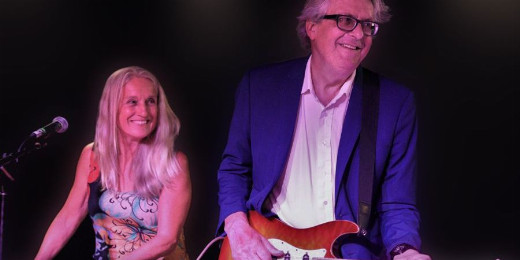
Sunday brunch with Bees Deluxe Jazz On Main (8/23-8/23) |
|
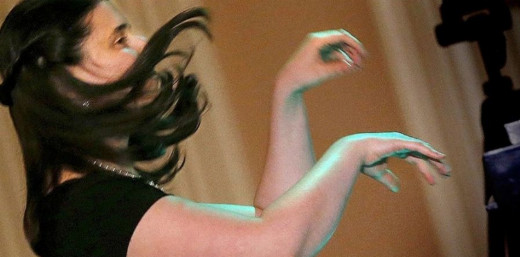
Laura Dubin Trio Jazz On Main (7/25-7/25) |
|
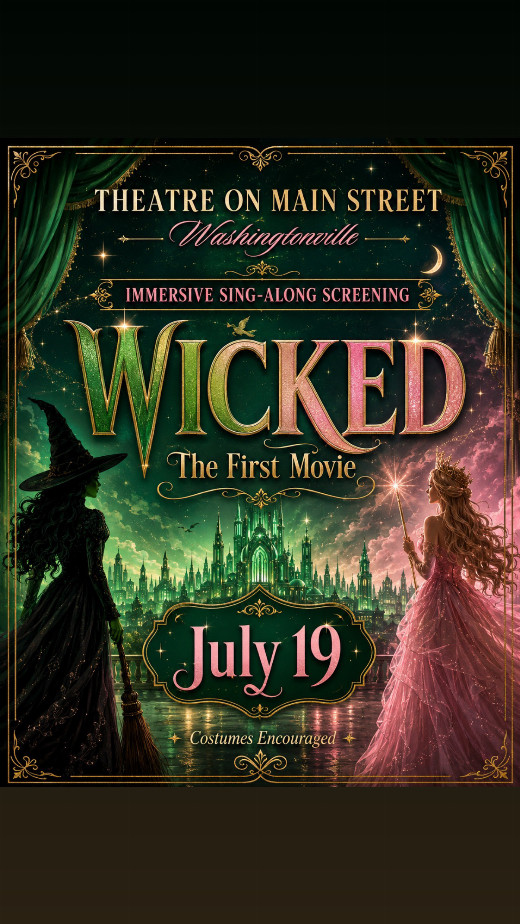
Wicked Sing a Long & Interractive Movie Event Theatre on Main Street (7/19-7/19) |
|
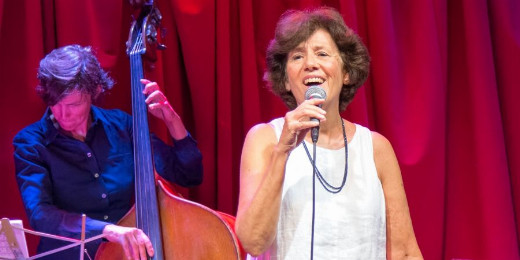
MJ Territo Quartet Jazz On Main (8/29-8/29) |
|
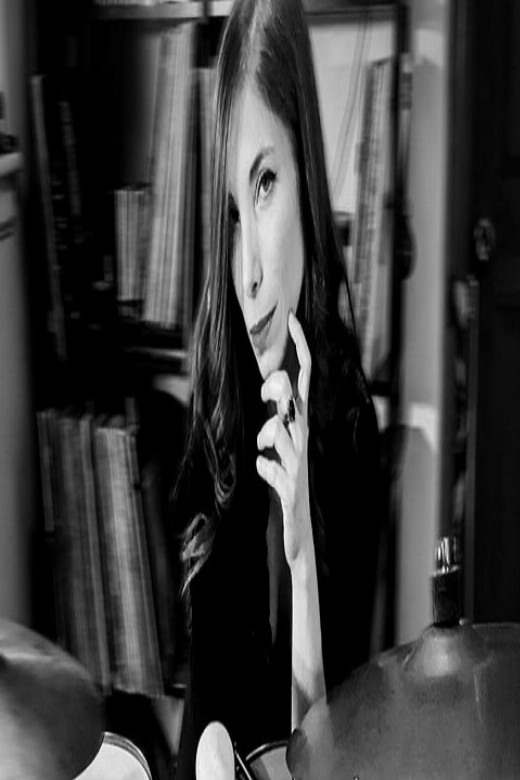
Tamuz Nissim Trio Jazz On Main (9/04-9/04) |

|
Amanda Monaco's Glitter Quartet Jazz On Main (9/05-9/05) |
|
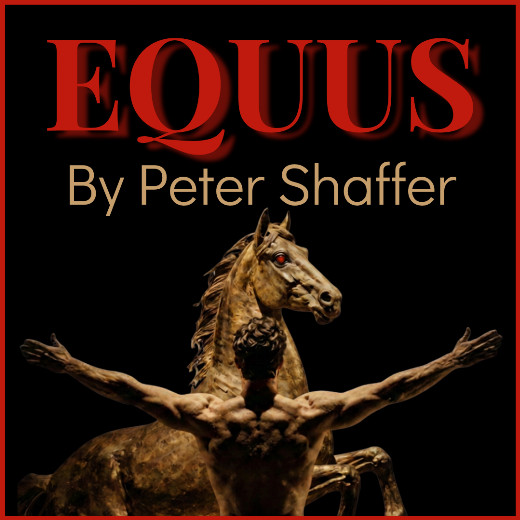
"Equus" Reid Castle; Manhattanville University (7/30-8/02) |
|
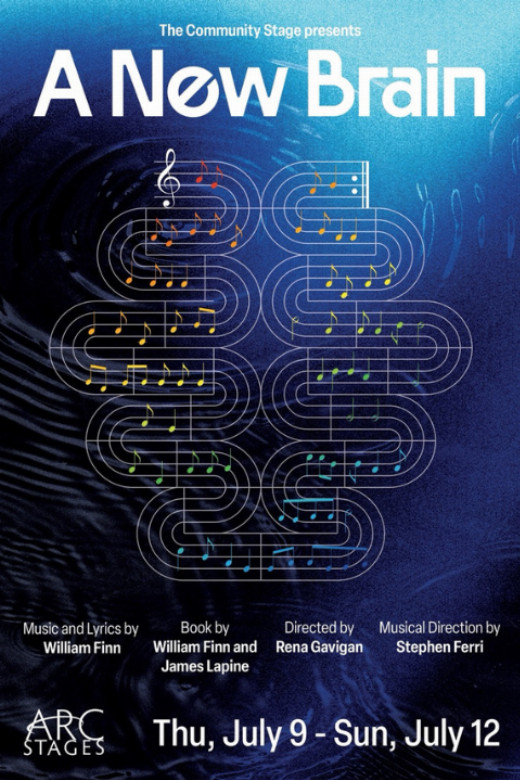
A New Brain Arc Stages (7/09-7/12) |
|
MAR JENNINGS: ONE-MAN SHOW LIVE READING Jazz On Main (7/29-7/29) |
Reader Reviews
To post a comment, you must register and login.