


Interview: Mariah Copeland of OPERATION MINCEMEAT at CIBC Theatre
"We are in a time where it is important to connect with your neighbors and the people in your community because whenever you do that, you never walk away feeling worse."
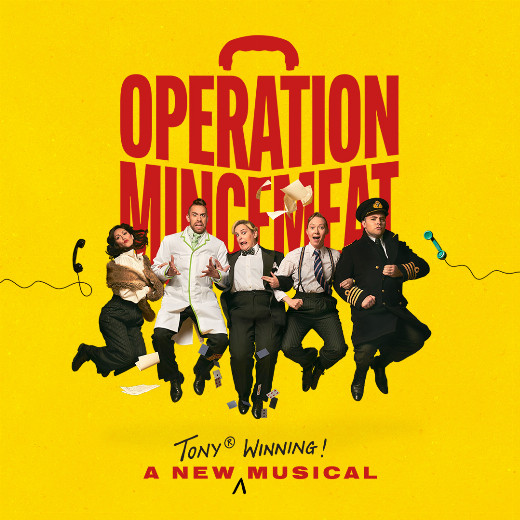
Musical comedy farce meets a historical WWII secret military mission in Operation Mincemeat: A New Musical. Operation Mincemeat is making its way through the North American leg of its World Tour and will be playing in Chicago from September 29 – October 11, 2026.
BroadwayWorld spoke with Mariah Copeland, who’s from the Chicago area and plays Johnny Bevan and others in this show about British deception to beat fascism and help end WWII.
The interview has been edited for clarity and length.
Welcome back to the Chicagoland area! I’m curious what it was like growing up in Darien and how the Chicago theater and arts scene influenced you and your path to where you are now.
When I was growing up, I was homeschooled for a while, and one of the only things I really did to get out and meet other people was seeing shows with my family. I haven't done a musical in a while, but musicals were my first door into that. My grandma taking me to tours coming through were the first times I really started having bigger dreams about getting to do this as a career and what that could be like. I am lucky that I've had a lot of really great training in my life. I studied musical theater at Northwestern, and I also just graduated with my MFA at Yale, but a lot of the foundational things that I learned about being in theater came from really great theater and music teachers that I had growing up. My dance teachers and theater teachers and music teachers from my middle and high schools who taught me how to stand up and project and read music have really propelled me forward.
I started my postgraduate career in the city. I did a lot of Chicago storefront theater, and it was just great in teaching me how to really make something with your own two hands with a lot of great ideas and a lot of enthusiasm. That has really served me well with the more opportunities that I've had. I always tell people that I think Chicago is a great city for people who really want to make something special and unique because the community here is so encouraging. People like seeing the arts, and enjoying the arts is such an important lifestyle thing here that isn't true in all places. It's such a supportive community, so I think getting to do a show that I love so much here has been really meaningful for me because it's also the place with the theaters and the people who built who I am when I work now.
You mentioned your recent MFA in Acting from Yale — congrats! While you were there, you were a co-director and producer for FOLKS, a group originally founded by Angela Bassett for Black drama students. What was your favorite memory from your time there, and how has that informed what you bring to this tour of Operation Mincemeat?
I really loved doing FOLKS. I was one of 5 co-directors and when we started, it was a couple years after the pandemic. The school and the group itself was trying to figure out how we start in-person gatherings and community events again. Everybody was craving that so much. For an affinity group, it was really important for us to figure out things that would be really engaging for people. One of the things that was not as high effort as some of our other events, but are my best memories is that we would do game nights a couple of times a month. We always made time for it. Our schedule there is pretty rigorous. They're working all morning, all night, but people would make the time after they had rehearsal and really long classes on super long days just to get together and play cards and spades.
Yale has such a really beautiful legacy of Black playwrights, actors, directors, and people who have made some really fantastic contributions to the American theater. It taught me that it's actually being with your community and getting to know people. In our group, it is for Black students, but we also have a lot of Black international students who brought different kinds of cultures mixed into the Black American culture that most of us had. Getting to hear everybody's stories and talking to people about their days — that's what really informs your work as an artist. It's really important to make sure in an industry where you're so busy and always have to be flexible and make time for work to also make time to live life and take a break and figure out what you're portraying in these stories.
One of the reasons I love Operation Mincemeat as a show is, it's a very interesting true story about a ragtag group that wasn't necessarily meant to be together who find a lot of community and friendship and respect. You can only really convey that if you try to do that in real life. We are like 5 friends who are coming together to do this really unique, really fast, relentless show. Every night, when we hit the finale — and we might not feel this way months from now — but right now, a thing that we feel every time we hit the finale is like, ‘Wow, I can't believe we did that today. We did it together.’ We always start the show, we get together. Whenever we end the show, we get together. I think my experiences at Yale and these really close communities helped me realize how important that is to share with people, and you can only share it if you try to create it in your own life. So I'm very grateful I have that in so many places.
In addition to being a performer, you do a lot of work in community spaces for healing and connecting people of color. You were a teaching artist for a day program called the Dwight Edgewood Project for local New Haven elementary and middle school students to learn the basics of playwriting. Tell us a little more about that project and why it’s important for you to give back to your community through the arts.
I love that you asked about Dwight Edgewood. I think Dwight Edgewood is such a fantastic program. I have always tried to make it a priority to do community programs like that because I benefited so much from the generosity of teachers and teaching artists and younger professionals in my community who would offer me education or opportunities when I was younger that my family just couldn't afford. I really wanted to have voice lessons and we tried but my family just couldn't afford it. I had a voice teacher in Darien growing up with the promise that if I practiced every day, she would give me free voice lessons for all of high school. I don't think I would have any of the opportunities, the skills, or the knowledge without that offer. Programs where professionals connect with young people who have a lot of great ideas and ambitions and really astounding confidence is so important because there will always be people who tell you, ‘It's a really hard industry. You don't want to do it. If you can do anything else, do anything else.’ But there's also always going to be kids like me who still wanted to do it, even when it was really hard.
I loved Dwight Edgewood because I think that it's so fun to meet kids who have these really awesome, grand ideas about plays that they want to make. What's really cool is there's people from all different kinds of departments in the MFA program — people who do projections and lighting and costumes and stage management. There's also counselors like me and some other folks who help them with playwriting and we do the acting of it, but it's really to realize their ideas to a full potential. There's always a lot of community members, people from the school, and their own families and friends who come. It's just such an honor to do because when you're a kid, it's so rare that you get to see something you made like how it would be for an adult. It’s such an awesome moment to be a part of, and it reminds me how I also should not limit myself in my ambitions or my creativity or what I should share with people. Those kids are so brave in both their vulnerability and their desires. They are so upfront about how they want you to act and if you did their idea right and if it's close to what they imagined. I think it's really awesome and great for them, but also the people who come take so much away from it because of that. It’s just a really fantastic program.
On the tour, you play Johnny Bevan and others. This is an incredible production because five cast members cover 87 roles. You mentioned the fast-paced nature of this show. What was the rehearsal process like to learn all these quick changes and memorize the science behind all the props in this intricate, chaotic show?
I think we were very lucky in that we were taught the show by some of the original team members. Georgie Straight, our associate director, and Paul Isles, the associate choreographer, and Joe Bunker, the original music supervisor, have taught the show many times, so they've also learned the best way to do it because there is truly so much. I think this is the hardest show I've ever learned. It was really challenging because there's just so many different physicalities and voices and words and quick changes and everything. They found such a great way to have stepping stones along the way. You start just by learning all the movements and figuring out all the voices, and then we add in all the stuff, and then we add in all the changes, and then we add in doing it in real time as a set. Every time you get to a new stepping stone, people would tell us, ‘Now it's a totally different show, and you got this part down, but now this is going to feel so different.’ It was true and it was really challenging, but what I've taken away from it that's been so awesome is — one of the songs that's very beloved from the show, they say, ‘If it's down, it's down together. If it's up, it's up as one.’ And that's been really true. I've never leaned so much on other people when putting together a show and learning a show. There's so much collective knowledge and tips and tricks we share with each other and also common challenges that we figure out together.
The first time I saw the show, I was like, ‘How can anybody learn this?’ which was a very common experience we all had the first time we saw it. Past cast members and folks who work in other companies were so helpful to teach us the best way to learn it. Now that it's starting to become ours, that's been really fun. The writers helped us so much in figuring out the physicality of the show. With shows like this, the hardest thing is clarity and being really clear about who the characters are and what the story is, because you're only a character for 4 seconds, and then you're somebody else for 10 seconds. How to make sure that people receive that I think is the hardest challenge of the show, and that's also something that we learned from each other and learned together. We're still learning how to figure out when something goes wrong every day because there's so many things that statistically it cannot all be perfect, but learning just how to be present and roll with the punches is how you learn how to do this show.
The show notably has a fanbase called “Mincefluencers.” On Broadway, about one in fifty people have bought tickets for multiple performances. Why do you think this show already has such a cult following, and what’s it like being a part of such an iconic production?
I've been thinking a lot about it since we've been in my hometown. I think if I had seen the show when I was in high school, I would be obsessed with it and I would be a Mincefluencer. I think part of the reason people come back a lot is because there is so much in the show. I had seen the show maybe 3 or 4 times before we started rehearsals, and then even when we were in the rehearsals and I was learning what everybody does, there's so many things that I noticed that I had never actually seen even in the repeat viewings. The writers and the original director Robert Hastie did such a fantastic job never letting any opportunity go by to add something really specific and really funny. It almost feels like a show that is super airtight, but also full of little Easter eggs and little surprises once you do know the show really well. When you have such a good time and you come back, you only notice more and more.
Something I love about the fans that I'm so grateful about is they've been so supportive anytime a new company has been added to the show. One of our swings, Cassie Austin who is also from the Chicagoland area, actually went on on Broadway. The morning she went on, there were people commenting on posts and sending messages that they took the day off from work and drove in from other places on the East Coast just to see her. They really are so kind about people making the characters their own. I think the characters are so beloved to everyone because it is a little ragtag group, but you can also see yourself in all of them. Everyone in the different companies from London to here have told us how supportive the fans are and how kind they are and also how dedicated they are to their love of the show. We had people who came from London to our first show in Providence, which was just so fantastic and cool. What we've heard from a lot of people is, ‘I saw this for the first time, but I want to bring my best friend’ or ‘I saw it for the first time, but I want to bring my parents.’ I think it is just such a good time and such a rollercoaster full of surprises, there's nothing better than experiencing the delight of a surprise and then getting to bring somebody else and watching how they respond to all the surprises. I think it's a lot of why people come back and a lot of why we love doing the show every day because we also get surprised, and it’s just so fun.
What does it mean to be touring North America with Operation Mincemeat in this current political moment, and what lessons can we take away from the show as we’re seeing a rise in fascism not just here in the United States, but across the world?
Something that is really salient for me right now is something that I learned from community organizers in Chicago during the pandemic. I've really learned how important it is to turn to action and turn to your community when you are feeling a little discouraged. I remember in 2020 hearing somebody say, ‘Whenever you're feeling really dejected and disappointed, you need to go find someone in real life and connect with them, and it will always make you feel better about what's going on.’ I think right now is a time that we all need to be taking really seriously, and part of that is not underestimating what all of us have to offer and what all of our community organizers and people on the ground have to offer in terms of their experience and their knowledge of how we can help. We get so overwhelmed by the access of things that sometimes it turns us away from wanting to try because we're worried about being wrong or wanting to ask questions or be with others because we're worried that we're not going to do it well enough. But we are in a time where it is just important to connect with your neighbors and the people in your community because whenever you do that, you never walk away feeling worse off. There's always strength and knowledge and something to be learned in that.
Something that the show really gets across is that nothing is done alone. Even if people might want to take credit or even if we might want to elevate somebody or put somebody on a pedestal for an idea that they had, the show is telling the story about somebody who was not really recognized by his community in life and death, and his contribution of his body and his life is what helped win World War II. Now, because of historians and the writers of the show and the fans, there's a lot of recognition being given to him and other people. Hester Leggatt and Jean Leslie never got recognition for the things that they did, but it was so important for them to still offer up their skills and be a part of this team. It's the same — ‘If it's down, it’s down together. If it's up, it's up as one.’ I hope that when people see the show, the show gives us a little bit of a laugh and a little bit of a break from things that are happening right now, but it also reminds us that in those very dark times, you have to turn to the people who are around you because you can't do it by yourself and nobody else is going to do it for you. I hope that's what people walk away with because that's also what the show is reminding me and continuing to teach me.
Thank you to Mariah Copeland and Broadway in Chicago for this interview!
Operation Mincemeat: A New Musical will play Broadway In Chicago’s CIBC Theatre (18 W. Monroe St.) for a limited two-week engagement through October 11, 2026.

Sign up for all the news on the Fall season, discounts & more...

|
Fleetwood Max Raue Center For The Arts (10/03-10/03) |
|
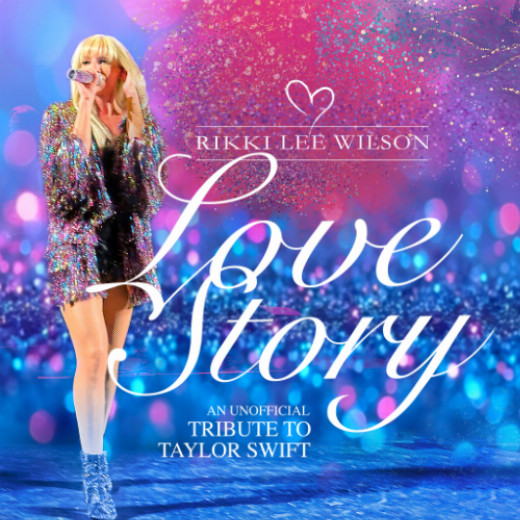
Love Story: A Tribute to Taylor Swift Raue Center For The Arts (11/07-11/07) |

|
Mean Girls Paramount Theatre (8/26-10/11) |

|
Million Dollar Quartet Stolp Island Theatre (10/07-1/03) |

|
Rotary Rocks The Raue: James Garner's Tribute to Johnny Cash Raue Center For The Arts (10/24-10/24) |

|
Topdog/Underdog Steppenwolf's Downstairs Theater (9/17-11/01) |

|
Blond Ambition: A Tribute to Madonna Raue Center For The Arts (11/07-11/07) |
|
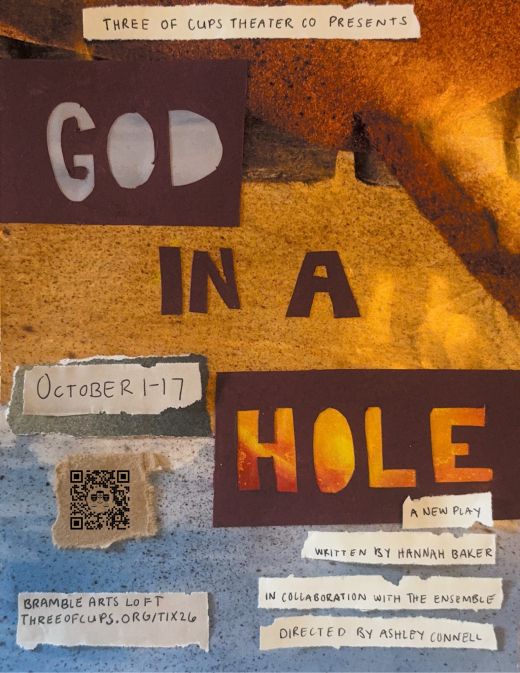
God in a Hole Bramble Arts Loft (10/01-10/17) |
|
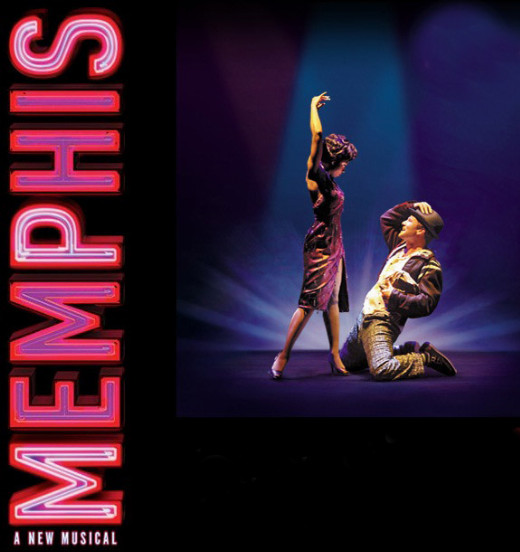
Memphis The Musical Studebaker Theater at the Fine Arts Building (10/24-10/25) |
|
Midday Matinee: Jo Ann Daugherty Trio & Bruce Henry present "American Songs & Stories" ECC Arts Center (5/19-5/19) |
