


EDINBURGH 2026: WHO WE BECOME Q&A
Who We Become runs at the 2026 Edinburgh Festival Fringe.
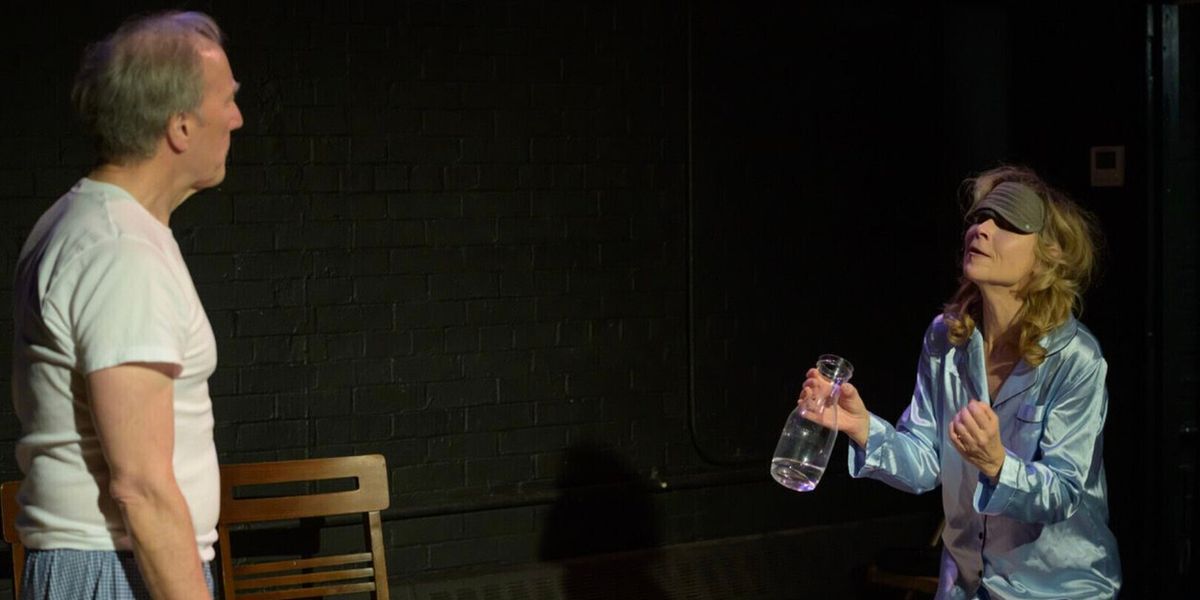
BroadwayWorld caught up with Margaret Curry to chat about bringing Who We Become to the 2026 Edinburgh Festival Fringe.
Tell us a bit about Who We Become: One-Acts by Lanford Wilson
Who We Become brings together three one-act plays by Pulitzer Prize-winning playwright Lanford Wilson, presented as two alternating productions. Two of the plays are written as monologues, allowing the audience to experience the unfolding of events in real time alongside the character. The third is an intimate two-hander that captures a couple at a pivotal moment in their relationship.
One of Wilson's greatest gifts is the way he reveals the truth of a situation. He doesn't rely on sensational twists; instead, the story unfolds with such honesty and emotional precision that audiences often don't realize where they're being led until they arrive there. You're not simply watching these characters—you become almost a fly on the wall, invited into some of the most private moments of their lives.
The plays are funny, heartbreaking, and deeply human. Though each stands entirely on its own, together they explore memory, identity, love, loneliness, and our enduring need to connect with one another. In a world where so many people feel isolated despite being constantly connected, those themes feel more resonant than ever.
What are the challenges of presenting three productions in rotation?
Interestingly, the biggest challenge isn't performing three different plays—it's not getting to perform each one every day.
I would have loved to present The Moonshot Tape and A Poster of the Cosmos together, as we've done in New York. They're incredibly rewarding to experience as a pair. But the practical realities of the Edinburgh Fringe—venue scheduling, running times, and the way audiences experience multiple shows in a day—made the alternating format the best way to bring these works to the festival.
The only thing that's genuinely bittersweet is knowing that many audience members will only see one of the two productions. Each play stands completely on its own, but together they have a fascinating conversation with one another. I wish everyone could experience both.
That said, we've also come to appreciate what the rotation offers. Each production has room to breathe, and audiences have time to absorb and reflect on the emotional journey they've just experienced before encountering another. In the end, I think that's become one of the strengths of presenting the work this way.
What links the plays?
Beyond the themes they share, they're unmistakably Lanford Wilson.
One of the things I love most about his writing is the dialogue. It feels so real. People interrupt each other, avoid saying the thing they most need to say, circle around the truth, and then, almost without realizing it, reveal themselves. It has a rhythm that's uniquely his, and as actors our job is simply to trust it and give ourselves over to it.
Whether he's writing a monologue or a two-hander, Wilson has an extraordinary ability to make you feel like you're eavesdropping on real lives. Before you know it, you're completely invested in these people, and somewhere along the way they've quietly worked their way into your own heart.
That's what links these plays for me. They're all filled with Wilson's humanity, compassion, and his uncanny ability to make us feel seen. He reminds us that even the quietest lives contain entire worlds.
Do they work as standalone pieces?
Absolutely. Each play is a complete theatrical experience with its own distinct voice and emotional journey.
That said, audiences who see both productions often discover echoes and themes that deepen their appreciation of the others. It's less a trilogy in the traditional sense than a conversation between three remarkable plays.
What would you like audiences to take away from the performances?
More than anything, I hope they leave feeling a little less alone and touched in ways that matter.
Wilson's work has done that for me throughout my life. It reminds me what it means to be human. To keep reaching. To keep seeking. To find the courage to love. To hold onto hope.
If these plays can offer even one audience member a little of what they've offered me over the years, then bringing them to Edinburgh will have been worth it.
We We Become runs at the Edinburgh Festival Fringe this August.
Sponsored content
Prefer BroadwayWorld in Google Search?
Add us as a preferred source so our stories show up more often in Top Stories and Google’s AI answers — for you.
Sign up for all the news on the Fall season, discounts & more...
.jpg?format=auto&width=300)
.png?format=auto&width=365)




