


Davóne Tines Will Lead Philadelphia Premiere of THE BLACK CLOWN at Miller Theater
Opera Philadelphia closes its season with a music theater work set to Langston Hughes poetry
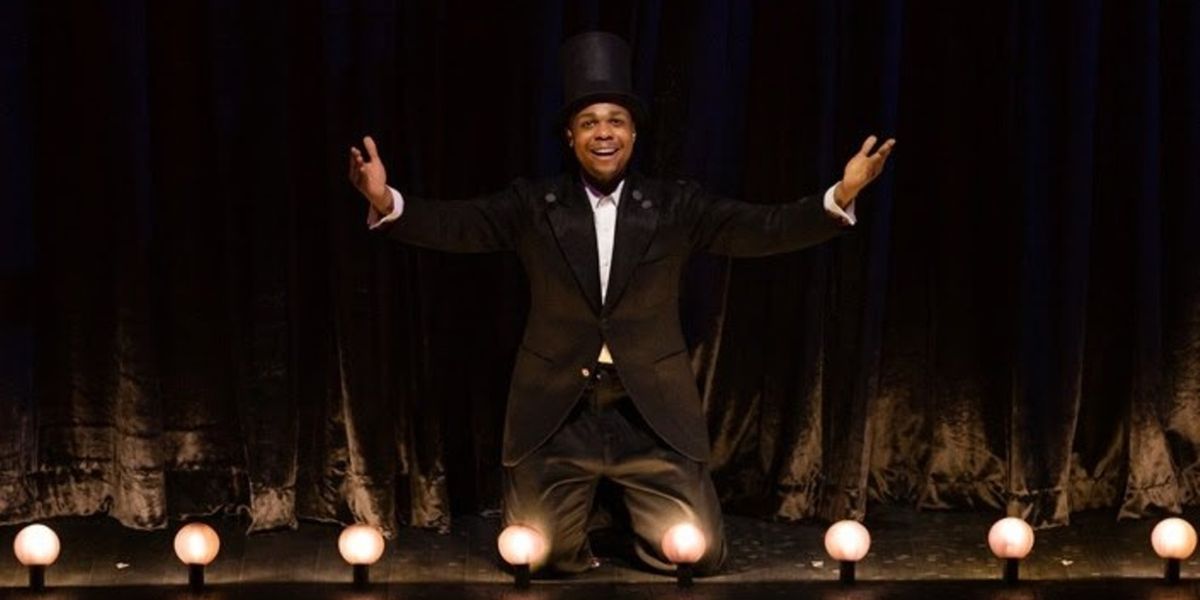
Opera Philadelphia's 2025-2026 Season will conclude in May with the company's return to the Miller Theater for the Philadelphia Premiere of The Black Clown, based on the poetry of Langston Hughes, a defining voice in jazz poetry and a central figure during the Harlem Renaissance, running May 14-17. Co-created by music supervisor and bass-baritone Davóne Tines (performing in the title role), composer Michael Schachter, and director Zack Winokur, this music theater experience fuses vaudeville, gospel, opera, jazz, and spirituals to bring Hughes' verse to life onstage. Deemed a 2019 NYT “Critics' Pick,” with former productions praised as “an electrifyingly ambivalent whole” and “exquisitely layered” by The New York Times, The Black Clown animates and colors a Black man's resilience in the face of oppression.
“You laugh / Because I'm poor and black and funny…” opens the poem and stage production of Hughes' The Black Clown, unraveling into a reflection of the Black experience in America. Written in 1931, Hughes' powerfully dramatic monologue is organized into two columns: the 'mood,' which highlights musical and emotional cues, and the 'poem,' the narrative core of the work. Together, these columns express a strong sense of being “Black in a white world,” with the perspective paralleling Hughes' personal interpretation and the societal perception projected onto Black individuals.
Tines says, “Langston Hughes' expansive and penetrating engagement with the life of the other has been a guiding salve since I was first introduced to his work in elementary school. This production provides the opportunity to harness Hughes' words and my life experience as a Black man to claim humanity for myself, my race, and all people.”
Hughes' message is realized by an ensemble of twelve performers, choreography by Chanel DaSilva, additional arrangements by Jaret London, scenic and costume design by Carlos Soto, lighting design by John Torres, sound design by Kai Harada, and wig and hair design by Rachel Padula-Shufelt.
With a career that spanned the Harlem Renaissance of the twenties and the Black Arts movement of the sixties, Langston Hughes was the most prolific black poet of his era. Between 1926, when he published his pioneering The Weary Blues, to 1967, the year of his death, when he published The Panther and the Lash, Hughes would write 16 books of poems, two novels, seven collections of short stories, two autobiographies, five works of nonfiction, and nine children's books; he would edit nine anthologies of poetry, folklore, short fiction, and humor. He also translated Jacques Roumain, Nicolás Guillén, Gabriela Mistral, and Federico García Lorca, and wrote at least thirty plays. It is not surprising, then, that Hughes was known, variously, as “Shakespeare in Harlem” and as the “poet laureate of the Negro.”
This production contains racial slurs and stylized representations of violence, particularly related to slavery, as well as haze, simulated smoking, and bright flashing lights. Well-prepared teenagers will appreciate the stylized movement, dynamic music, and deep engagement with American history.
Weekly top stories - unsubscribe anytime.
|
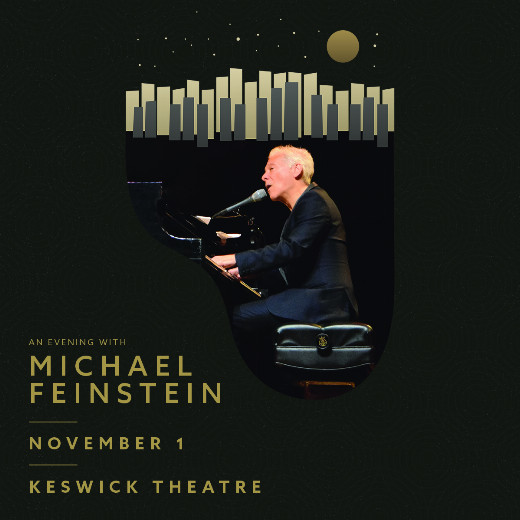
An Intimate Evening with Michael Feinstein The Keswick Theatre (11/01-11/01) |
|
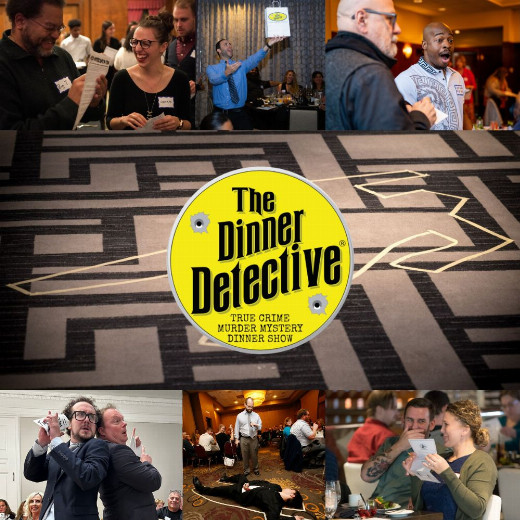
The Dinner Detective Philadelphia True Crime Murder Mystery Show The Dinner Detective Philadelphia (11/21-11/21) |
|
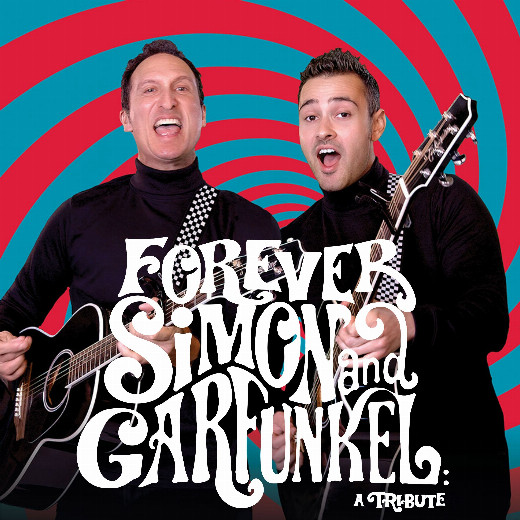
Forever Simon & Garfunkel Bristol Riverside Theatre (5/12-5/16) |
|
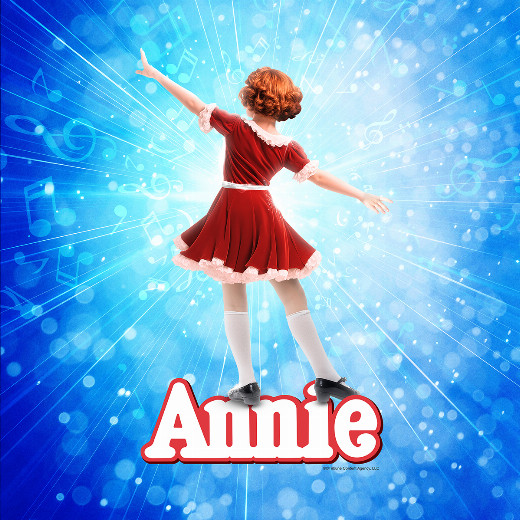
Annie Bristol Riverside Theatre (3/23-5/02) |
|
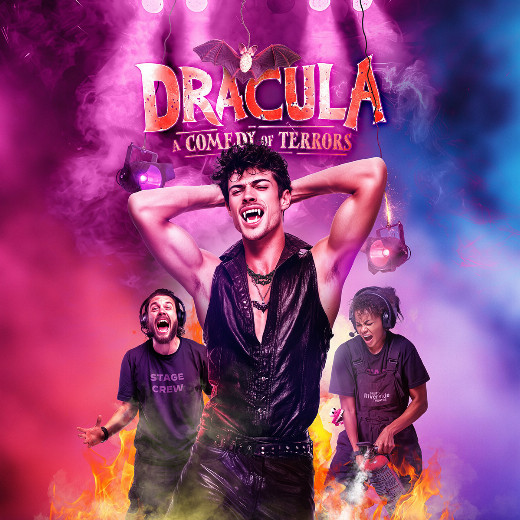
Dracula: A Comedy of Terrors Bristol Riverside Theatre (10/06-10/25) |
|
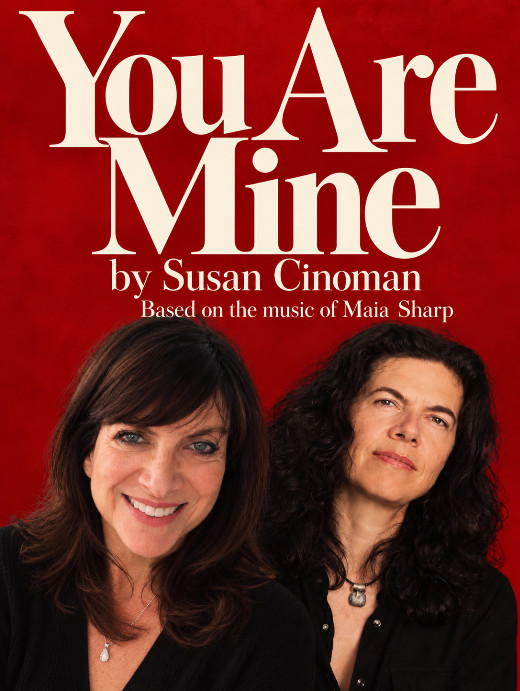
You Are Mine Venice Island Performing Arts Center (11/20-11/21) |
|
The Artistic Director's Scene Salon Theatre Horizon (11/11-11/11) |
|
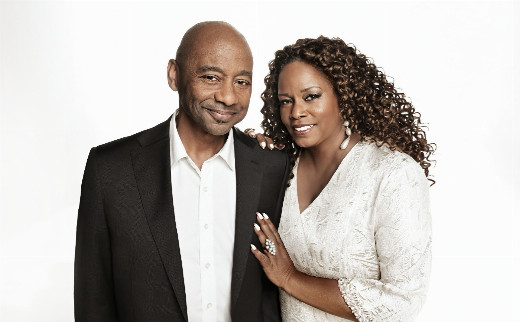
Branford Marsalis & Dianne Reeves: Celebrate John Coltrane Zellerbach Theatre (2/05-2/05) |
|
The Hunchback of Notre Dame Carlisle Theatre (10/16-10/25) |
|
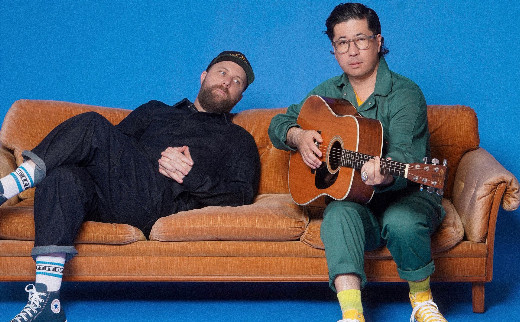
Choir! Choir! Choir! Un-Silent Night: An Epic Holiday Sing-Along Zellerbach Theatre (12/18-12/18) |