
Patti LuPone, Tituss Burgess, and More Announced as Part of WNO Gala
Washington National Opera (WNO) today announced the date and partial casting for its 2018 WNO Gala, which takes place on Sunday, May 20 in the Kennedy Center Opera House.
Washington National Opera (WNO) today announced the date and partial casting for its 2018 WNO Gala, which takes place on Sunday, May 20 in the Kennedy Center Opera House.

The 70th anniversary season of the Festival d'Aix-en-Provence will present an incomparable collection of artists from around the globe in six major opera productions; recitals, chamber music and orchestral concerts from July 4 through 24; plus multiple events from the Acad mie du Festival d'Aix in J
On Today, December 21, 2017, at 7:30pm, Musica Sacra returns to Carnegie Hall for its highly acclaimed annual performance of George Frideric Handel's Messiah.

The 70th anniversary season of the Festival d'Aix-en-Provence will present six full-scale opera productions and an international roster of exceptional artistry from July 4 through 24, 2018.
Julie Taymor's production of Mozart's The Magic Flute, with performances from November 25 to December 9, is the first of two holiday presentations at the Met this season.
On Thursday, December 21, 2017, at 7:30pm, Musica Sacra returns to Carnegie Hall for its highly acclaimed annual performance of George Frideric Handel's Messiah.
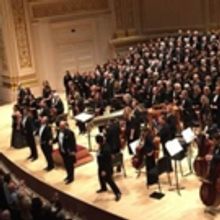
The Oratorio Society of New York has the distinction of having performed Handel's Messiah every Christmas season since 1874, and at Carnegie Hall every year the hall has been open since 1891 qualifying the OSNY's annual rendition of the holiday classic as a New York tradition of the highest order.
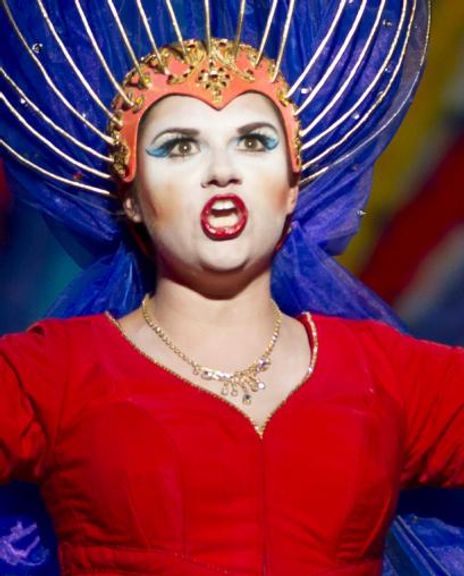
American soprano Kathryn Bowden will make her Met debut singing the Queen of the Night in Mozart's Die Zauberfl te this Thursday, October 5 replacing Kathryn Lewek, who is ill.
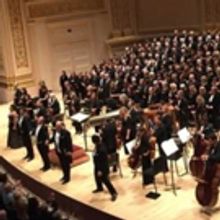
Star soprano Susanna Phillips and rising star baritone John Chest join the Oratorio Society of New York (OSNY) and its music director, Kent Tritle, for a program of two masterpieces of choral music by Brahms to launch OSNY's 2017-18 season on Monday, November 6, 2017, at Carnegie Hall.
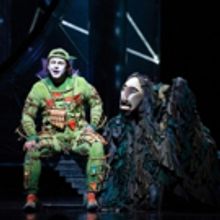
Met Music Director Emeritus James Levine conducts one of his signature pieces, Mozart's final opera, Die Zauberflote, which returns to the Met September 26 for full-length performances in German.
The Warner Theatre's Metropolitan Opera Live in HD Season continues in the Nancy Marine Studio Theatre on Saturday, October 14 at 12:55 pm with Mozart's DIE ZAUBERFLÖTE.
Met Music Director Emeritus James Levine conducts one of his signature pieces, Mozart's final opera, Die Zauberflote, which returns to the Met September 26 for full-length performances in German.
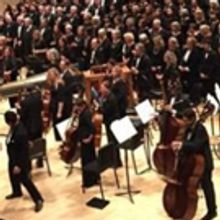
World premieres of works by Paul Moravec and Behzad Ranjbaran that speak to humanity's quest for freedom and peace highlight the Oratorio Society of New York's 2017-18 season, led by Music Director Kent Tritle.
Tickets go on sale today for the Met's Emmy® and Peabody Award-winning Live in HD series' 2017-18 season, which begins on October 7 with the company's new production of Bellini's Norma.
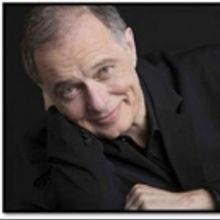
???????As the summer ends and the fall 2017 concert season comes into view, Kent Tritle will be found playing an organ recital at Himmerod Abbey, a Cistercian monastery in Grosslittgen, Germany.
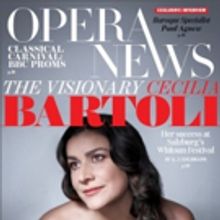
The May issue of OPERA NEWS, the leading voice in North America that reports on opera internationally, features the visionary Cecilia Bartoli, the first woman to serve as an artistic director at Salzburg, on the cover for the first time in a decade.
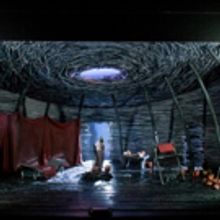
The Metropolitan Opera's 2017-18 season will feature 220 performances of 26 works, including two Met premieres, one co-commissioned by the company and one an older masterpiece having its first Met performances; a variety of repertory favorites, three in new productions; and performances of Verdi's t
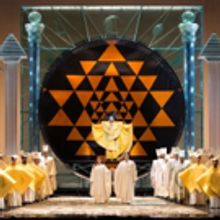
ontinuing a tradition inaugurated in 2006, the Met offers a holiday presentation sung in English for families this December and January.
ontinuing a tradition inaugurated in 2006, the Met offers a holiday presentation sung in English for families this December and January.
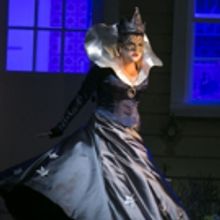
Lyric Opera of Chicago presents a new production of The Magic Flute (Die Zauberflote), Mozart's enchanting opera about the triumph of good over evil.