


Review: THE WIZARD OF OZ at Palm Canyon Theatre
There’s No Place Like Palm Canyon Theatre: “The Wizard of Oz” Sends the 29th Season Home on a High
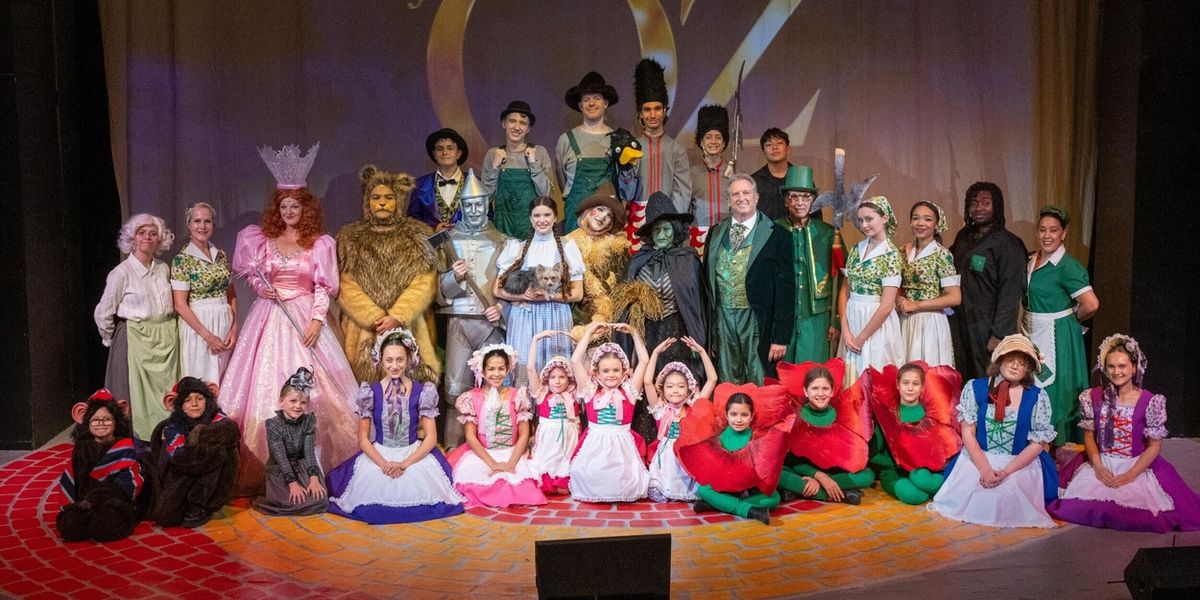
Some productions feel like comfort food: familiar, warming, and quietly essential. But every so often, a company takes a beloved title and reminds you why it became beloved in the first place—not by chasing novelty for its own sake, but by leaning into craft, clarity, and the strange emotional truth hiding under a story you thought you knew by heart.
Palm Canyon Theatre closes out its 29th season with the perennial favorite, “The Wizard of Oz,” and the choice lands like a confident curtain call. In this revised musical adaptation by John Kane for the Royal Shakespeare Company—based on the L. Frank Baum novel, with music and lyrics by Harold Arlen and E.Y. Harburg—the evening plays less like a museum piece and more like a live, communal act of imagination. You can feel the audience relax into the tale, then sit up as the production reveals fresh texture: a sharper comic edge here, a more tender pause there, and a steady sense that the story’s moral is not simply quaint, but timely.
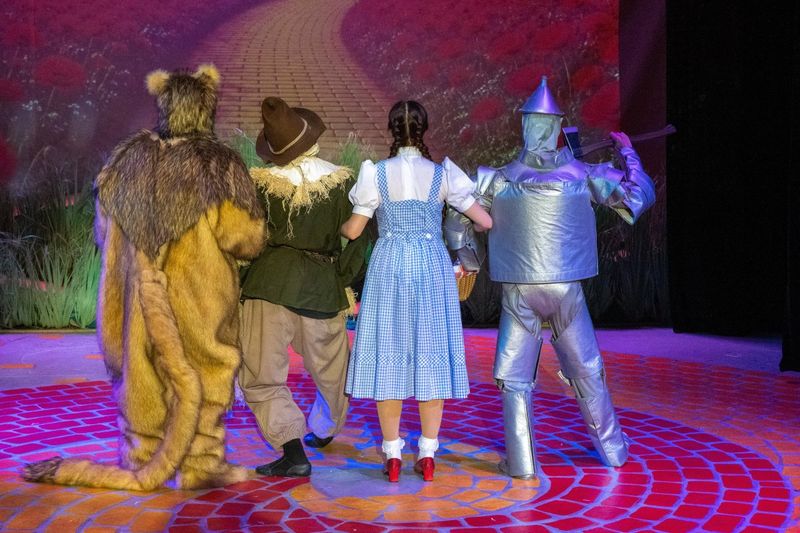
This is, at its best, a show about a young person learning to name what she already has—and about a community that helps her do it. Palm Canyon Theatre’s staging understands that scale isn’t just spectacle; it’s intention. The result is a crowd-pleasing Oz that still makes room for character, musicianship, and the small human beats that turn “classic” into “alive.”
Under the artistic leadership of David Brooks, the production moves with an assured hand: brisk enough to keep the narrative buoyant, yet patient enough to let moments land when they matter. The central achievement here isn’t reinvention; it’s refinement. The show knows its own rhythms—when to sprint into comedy, when to broaden into pageantry, when to narrow the focus to a single face reacting to wonder or fear.
Brooks’ approach treats “Oz” as a story of thresholds. Kansas is not merely the place we leave behind; it’s the emotional baseline the evening keeps returning to. That choice pays dividends because Dorothy’s journey doesn’t read as an abstract dreamscape; it reads as an experience that changes how she sees home, responsibility, and companionship. The production’s emotional arc is clear: Dorothy begins by pushing against the limits of her world, then discovers that her bravery and compassion don’t arrive as magical gifts—they are the muscles she has been using all along.
The staging is consistently legible. In a musical that can become crowded with motion and color, this clarity matters. Groupings are thoughtfully arranged so you always know where to look, even when the ensemble is in full swirl. Transitions feel motivated rather than rushed, and the storytelling is careful about cause and effect—Dorothy’s choices lead to consequences, and the companions’ flaws shape their bond as much as their jokes do.
There’s also a welcome trust in the material’s humor. The comedy doesn’t lean on modern winks or unnecessary gimmicks; instead, it comes from character behavior and timing, allowing the audience to laugh because the situation is human, not because the production is nudging them to applaud its cleverness. When “Oz” is directed this way, it stops being just a parade of famous numbers and becomes a coherent narrative again—a journey with stakes, not simply stops along a greatest-hits route.
Musical direction by Chuck Peery anchors the evening with an easy authority that never calls attention to itself—until you realize how much of the show’s emotional temperature is being calibrated in real time. Tempos are chosen with care: energetic without feeling hurried, romantic without slipping into syrup. The score’s familiarity can tempt productions into autopilot, but here the music feels like it is being played, not merely executed. That distinction is audible in phrasing, in the way the evening allows certain cadences to settle, and in how the sound supports the performers rather than competing with them.
The production band—Peery at piano, Larry Holloway on bass, and Jim Watson on drums—delivers a clean, supportive foundation with a warm theatrical pulse. The trio format keeps the sound nimble. Instead of overwhelming the room, the band gives the music an intimate, story-forward quality; it invites you closer. Holloway’s bass work adds gentle propulsion under scenes that might otherwise sag, and Watson’s drumming provides crisp punctuation, especially in ensemble sections where energy can blur. Peery, at the piano, balances brightness with depth, shaping the harmonic world so it feels both playful and sincere.
Choreography by Se Layne further reinforces that clarity of storytelling. The movement vocabulary is tuned to each moment’s function: character-driven gestures for Kansas, more stylized group patterns for Oz. Dance never appears merely to “fill time” between plot beats; it’s an extension of the scene’s emotional engine. The ensemble numbers have a buoyant, community-theatre joy—people clearly enjoying the work—while still maintaining enough precision to read as deliberate design rather than casual motion.
Particularly memorable is how the choreographic language differentiates worlds. Kansas movement tends to feel grounded and practical, while Oz movement gives the body permission to exaggerate, to tilt into whimsy. That contrast makes the evening’s central idea physical: Dorothy’s world expands, and so does the way everyone moves within it. It’s one of the production’s quiet successes that you can feel the storytelling in posture, spacing, and tempo—not just in scenery or dialogue.
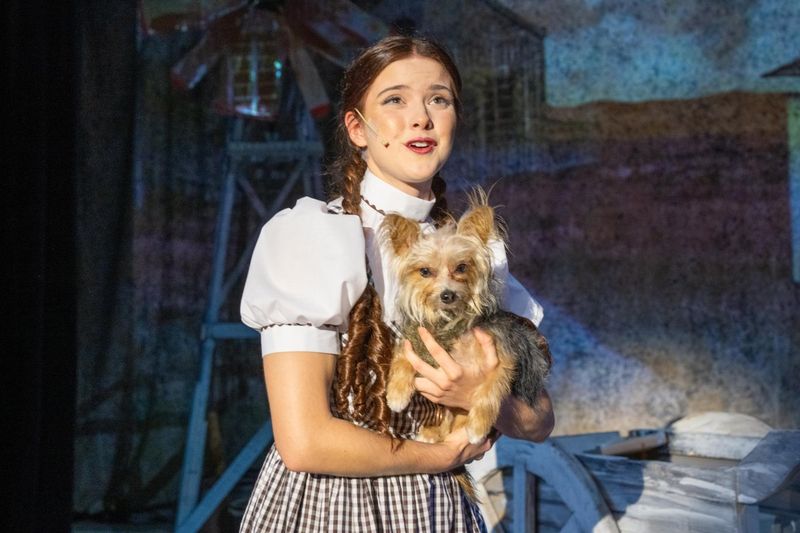
Ava Tethal’s Dorothy Gale is the kind of performance that carries a show not by pushing for attention, but by earning trust. Returning to the stage after a few years’ hiatus, Tethal plays Dorothy with an appealing combination of steel and openness. She isn’t a porcelain innocent, nor a precocious know-it-all; she’s a young person negotiating frustration, loyalty, and longing in real time. That specificity matters because Dorothy’s journey only works if the audience recognizes her emotional logic, and Tethal supplies it with clear intention and honest reaction.
Her Dorothy listens. In scenes that can become mechanical—Dorothy meets a companion, exchanges a moral lesson, moves on—Tethal finds genuine curiosity. She reacts to what’s happening to her as if it’s happening for the first time, and that immediacy keeps the evening from becoming overly “performed.” When the story asks Dorothy to choose compassion even when she’s scared, the choice feels active, not predetermined by the script’s reputation.
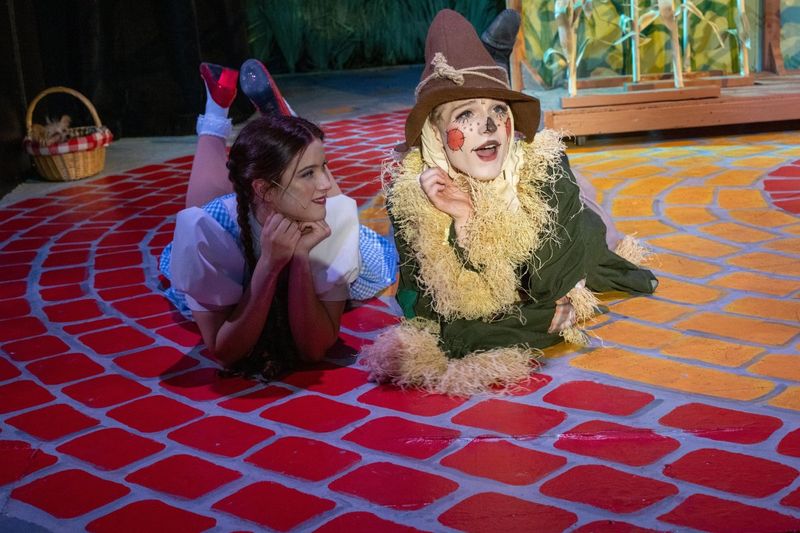
Noah Wahlberg doubles as the Scarecrow and the farmhand Hunk, and he brings a bright, elastic comedic sensibility that lands without ever flattening the character into a cartoon. As the Scarecrow, Wahlberg understands that physical comedy is most effective when it reveals a mind at work. His looseness reads as an expressive limitation rather than mere silliness; you see a person trying to coordinate himself in a world that keeps changing the rules. In Kansas, his Hunk provides a grounded contrast—an echo that later makes the Oz companion feel like part of Dorothy’s subconscious logic rather than a random encounter.
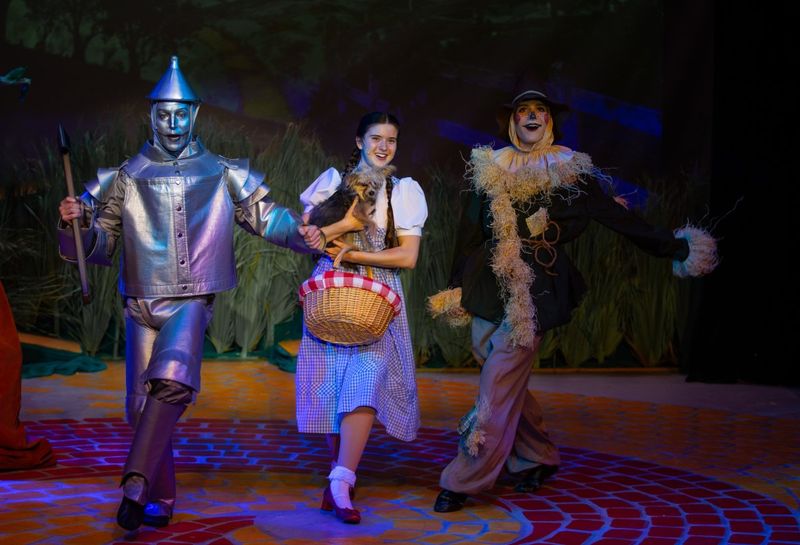
Timothy Rathke, as both the Tinman and the farmhand Hickory, offers a different texture: slightly more reserved, with a strong sense of timing and an appealing emotional sincerity. His Tinman’s yearning isn’t melodramatic; it’s gently poignant, which makes the character’s humor more effective. The Tinman’s famous dilemma—wanting a heart—can sound sentimental in lesser hands, but Rathke plays it as a practical desire: he wants to be better at feeling, and he’s embarrassed by how much he wants that. It’s an honest, disarming approach.
Christian Quevedo doubles as the Cowardly Lion and the farmhand Zeke, and he brings a stage-filling charm that makes the Lion’s big personality feel like a mask he’s actively maintaining. Quevedo’s Lion is funny, yes, but also unexpectedly moving in the moments when bravado slips. There’s a touch of self-awareness in his delivery—an understanding that the Lion’s fear is not the opposite of courage, but the condition in which courage becomes visible. The performance makes the character’s arc clear without underlining it, which is precisely the right choice for a family-favorite show that still wants to resonate with adults.
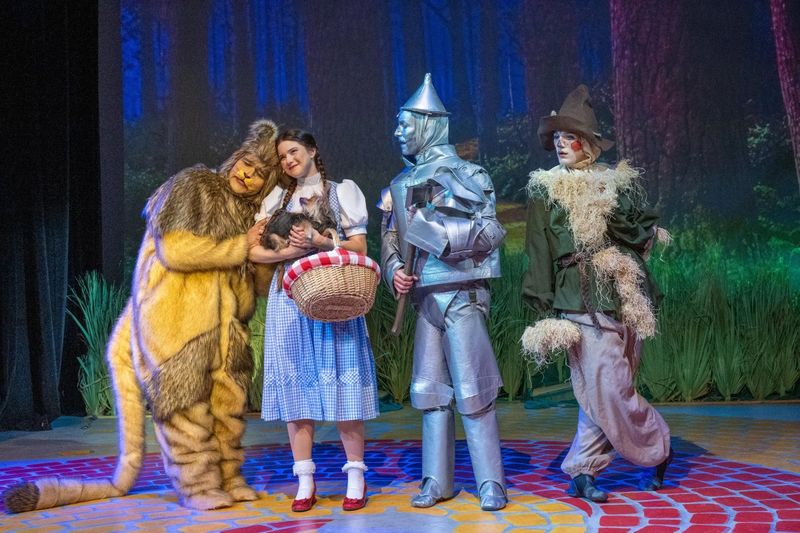
Then there’s Toto—often treated as a prop, a punchline, or a logistical puzzle. Here, Booba (the crowd-favorite Toto) becomes a genuine scene partner, repeatedly stealing focus in the best way: by sharpening Dorothy’s stakes. Toto is the tether to home, the constant reminder that Dorothy’s adventure is also a rescue mission. Each time Booba draws laughter or attention, it doesn’t derail the story; it deepens the audience’s affection for Dorothy’s bond and raises the emotional temperature of the danger she faces.
The production’s chemistry is strongest in the small exchanges between Dorothy and her three companions. The quartet builds a believable social rhythm: they tease, they negotiate leadership, they comfort each other without making a ceremony of it. This matters because “Oz” can turn into a pageant of iconic images if the relationships aren’t alive. Here, the relationships are alive, and the show benefits from it—especially in the moments of uncertainty, when the road stops being an adventure and starts being a test.
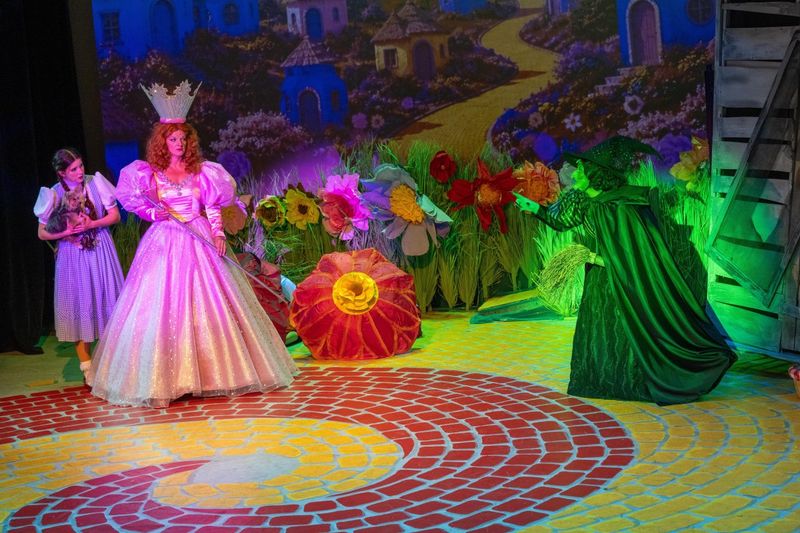
Christine Michele handles the dual duties of Miss Gulch and the Wicked Witch of the West with relish and control. As Gulch, she’s sharply unpleasant in a way that immediately clarifies Dorothy’s predicament: this is a world where power can be petty, and where adults can use rules as weapons. As the Wicked Witch, Michele leans into theatricality—voice, posture, and presence—without losing the character’s threat. The Witch’s menace doesn’t depend on volume alone; it’s in the certainty with which she believes she is entitled to dominate the story. That conviction is what makes a fairy-tale villain effective, and Michele delivers it.
Tara Howard’s Glinda the Good Witch provides the necessary counterweight: a guiding presence with a lighter touch. Glinda can easily become a one-note symbol of sweetness, but Howard gives her an amused intelligence. There’s a hint that Glinda knows more than she says, and that her kindness is not naïveté but strategy. That slight edge—gentle, not cynical—helps the character feel like a guardian rather than a decorative figure, and it supports the story’s larger message that guidance is often less about doing things for someone than about teaching them how to do it themselves. Her entrance in the suspended “floating bubble” was a tongue in cheek nod to “Wicked”, and a nice touch.
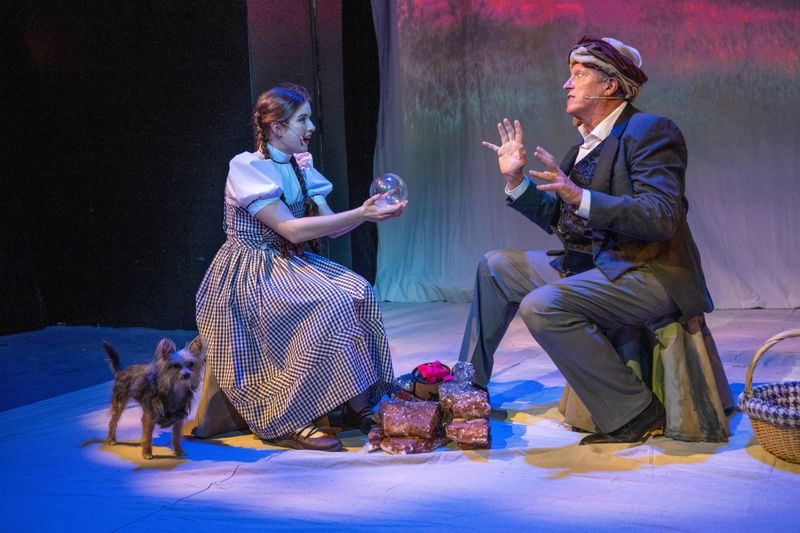
Paul Grant’s Professor Marvel, who also appears behind the curtain as the Wizard, plays the con artist’s charm with just enough humanity to keep the character from feeling cruel. As Marvel, Grant’s mercurial energy is enjoyable because it’s rooted in observation: he reads Dorothy and responds with opportunistic empathy, which is more interesting than pure manipulation. As the Wizard, Grant brings a slightly different flavor—still showman, still fallible, but with a theatrical flair that makes the Emerald City scenes pop. The doubling connects the worlds neatly: Oz is not random; it’s Dorothy’s mind reorganizing the familiar into a myth she can survive.
Stevie Gold (Aunt Em) and Cliff Goodrich (Uncle Henry) ground the Kansas world with a recognizably lived-in practicality. Their work is especially valuable because Kansas is often treated as mere prelude. Here, Kansas matters. Gold’s Aunt Em suggests a caretaker stretched thin rather than cold-hearted; you sense love that has become exhausted by responsibility. Goodrich’s Uncle Henry brings a steady presence that helps the opening land emotionally: Dorothy’s home is imperfect, but it is not empty of affection. That makes Dorothy’s eventual insight—what “home” really means—feel earned rather than obligatory.
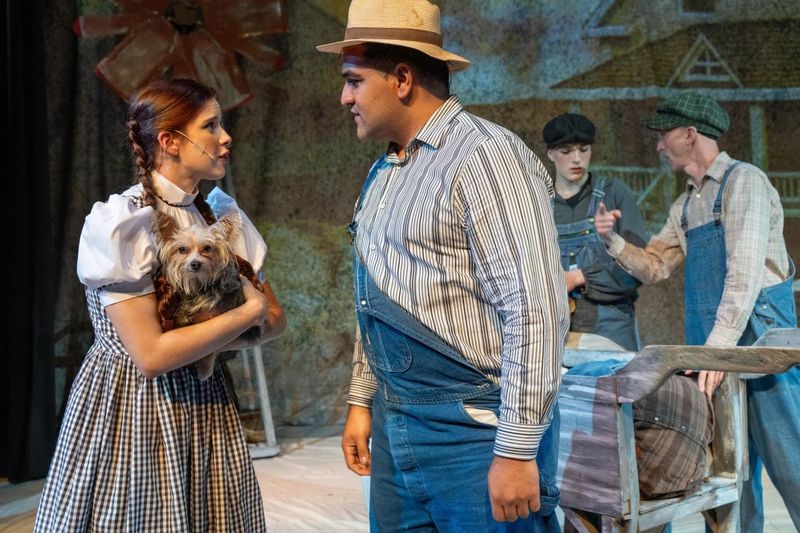
The ensemble of 25 gives the production its heartbeat. A show like this lives or dies on whether the world feels inhabited, and here it absolutely does. Scenes are full without being cluttered, energetic without becoming chaotic. The group’s responsiveness is a key strength: reactions are timed, focus is shared, and the stage picture feels alive from moment to moment.
Among the ensemble, Kaia Petrilla makes a delightful impression as the Munchkin Coroner, finding exactly the right comic tone—for such a small girl, she is big enough to register, and grounded enough to avoid becoming shrill. Vito Orlando, as the Mayor of Munchkin City, offers a poised authority that makes the community’s rituals feel real, which is crucial for the early Oz scenes that establish the rules of this new world.
And yes: the Lullaby League and Lollypop Guild dancers are crowd favorites for good reason. Their sequences bring a burst of charm and precision that reads as pure theatrical delight. These moments can sometimes feel like obligatory “cute” interludes, but here they function as a welcome spike of communal celebration—an invitation for the audience to fully enter Oz’s playful logic before the story pivots into darker terrain.
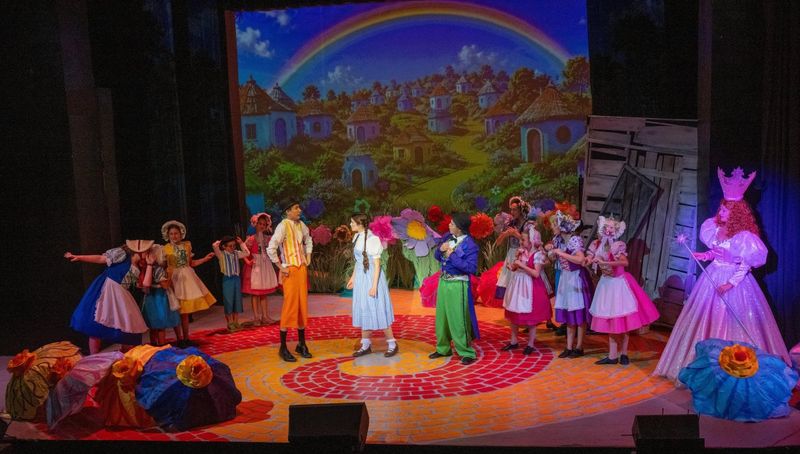
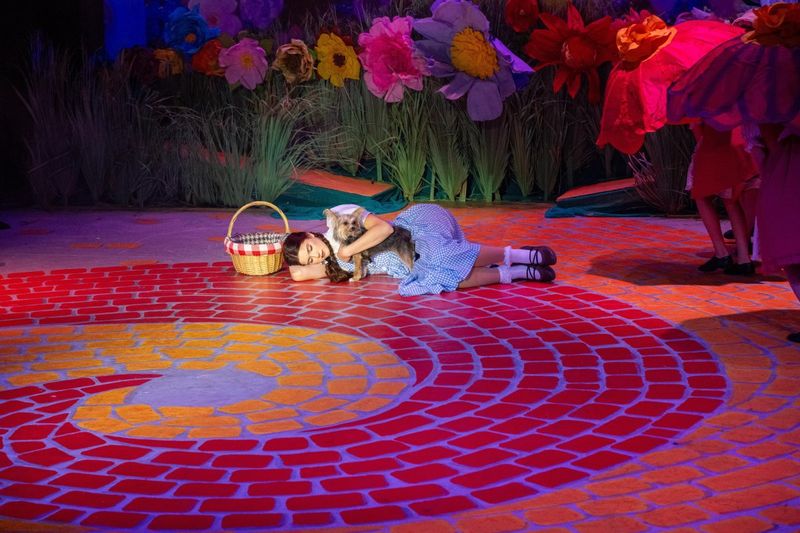
The production’s visual identity is built through a strong collaboration across departments, and the overall impression is one of thoughtful cohesion rather than competing ideas. Set design by J.W. Layne and Stephen Giboney provides the structural framework for the journey, offering spaces that shift cleanly between worlds and allow the story to move without constant interruption. Being able to hide the yellow brick road under a grey floor tarp for the first scene (and last) allowed for a flourish reveal as the scene changes to the colorful land of Oz was impressive.
Lighting design also by J.W. Layne does more than illuminate; it guides attention and mood. The transitions between Kansas and Oz can easily become blunt in a smaller venue, but lighting helps paint the emotional difference. Oz looks and feels like a heightened world without turning into a visual assault, and darker moments are shaped so the tension reads without sacrificing visibility or clarity.
Costume design by Derik Shopinski adds his usual flair to heighten character definition and tonal variety without losing unity. Costumes are not merely decorative; they help distinguish communities and personalities at a glance, which is essential in a show filled with doubles, quick appearances, and a large ensemble. The palette and silhouettes contribute to the sense that Oz has rules—even if those rules are whimsical—and that the characters belong to their world rather than looking like they wandered in from separate productions.
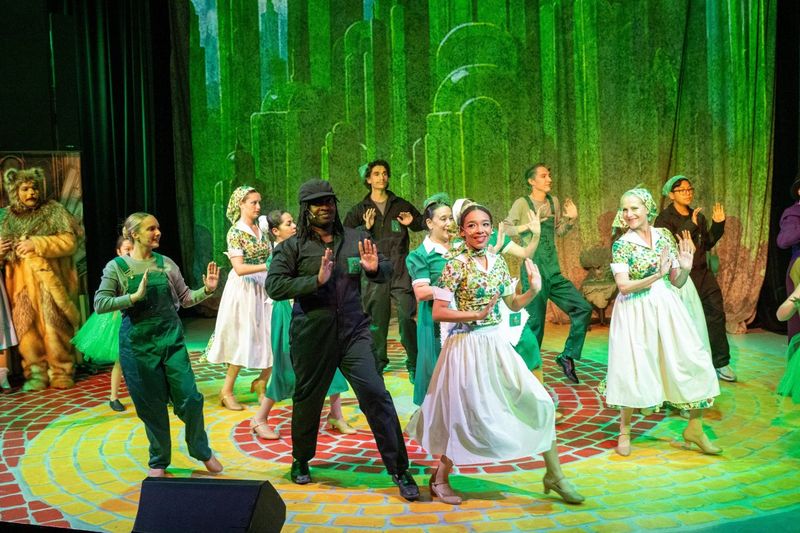
Special effects and projection design by Nick Edwards provide the evening with its sense of theatrical magic, and the best of these moments are effective precisely because they serve story beats. The design doesn’t ask you to admire technology; it asks you to believe in the moment. When effects arrive, they feel like punctuation marks—enhancing discovery, danger, or transformation—rather than interruptions that pause the narrative so the audience can clap for the machinery. In a show as famous as “Oz,” where spectators arrive with expectations, that kind of disciplined wonder is the smartest choice: it keeps the magic integrated, not isolated.
Taken together, the design elements accomplish something deceptively hard: they keep the world expansive while letting the human scale remain central. The production never forgets that the point of a tornado, a witch, or an emerald palace is to put pressure on Dorothy’s heart—not to replace it. When the craft is aligned this way, the spectacle becomes emotional, not merely visual.
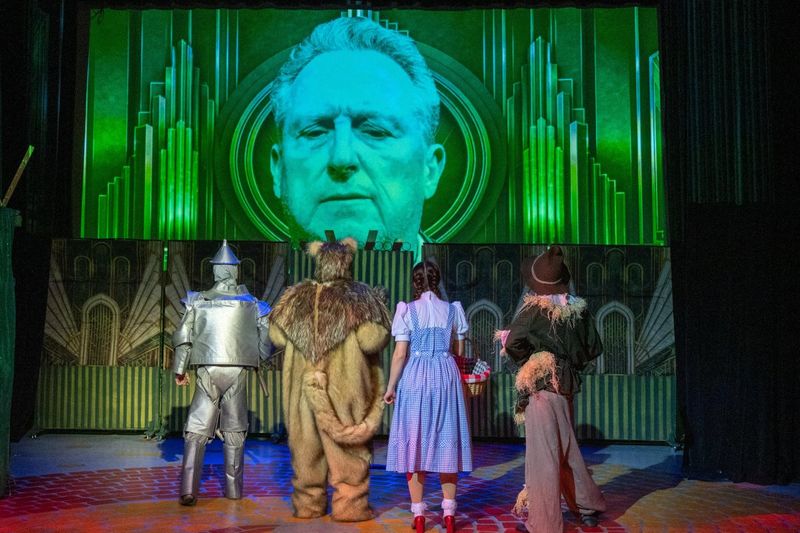
What ultimately makes Palm Canyon Theatre’s “The Wizard of Oz” succeed is not that it tries to outdo your memory of the story, but that it respects the reasons the story persists. It treats the material as a real play—built on relationships, choices, and consequences—while still delivering the pleasures audiences come for: the humor, the fantasy, the familiar musical lift when a well-known song lands cleanly in a room full of people listening together.
David Brooks’ steady artistic hand keeps the narrative coherent and the tone confident. Chuck Peery’s musical direction—and the nimble, supportive work from Peery (piano), Larry Holloway (bass), and Jim Watson (drums)—gives the score breath and warmth. Se Layne’s choreography provides momentum and shape, ensuring the company looks like a community rather than a collection of individuals sharing a stage. And the cast, led by Ava Tethal’s credible, affecting Dorothy, builds a chemistry that makes the yellow brick road feel like more than a scenic route—it feels like a shared undertaking.
If there’s a particular pleasure in watching a perennial favorite close out a season, it’s the sense of conversation: the company and the audience meeting at a well-known story and finding something new inside it, together. This “Oz” offers that pleasure in abundance. It entertains, yes—but it also reminds you why live theatre is uniquely suited to this tale. In a world that can feel increasingly disjointed, it’s moving to sit in a room where a community agrees, for two hours, to follow a young girl into a storm and come out the other side believing, again, in courage, brains, heart, and home.
“The Wizard of Oz” runs one more weekend Thursday at 7PM, Friday & Saturday at 7:30 pm and Sunday at 2pm through July 26. Tickets can be purchased ONLY at palmcanyontheatre.net or by calling the box office at (760) 323-5123. The theatre is located at 538 North Palm Canyon Drive, Palm Springs.”
Sign up for all the news on the Fall season, discounts & more...
|
Dancing Queens Plaza Theatre (11/04-11/04) |
|
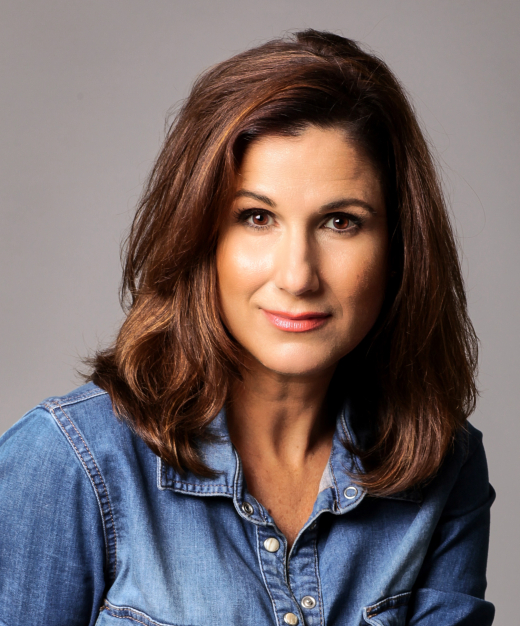
Mizell Center Presents - Stephanie J Block Live In Concert Palm Springs Cultural Center (11/12-11/12) |
|
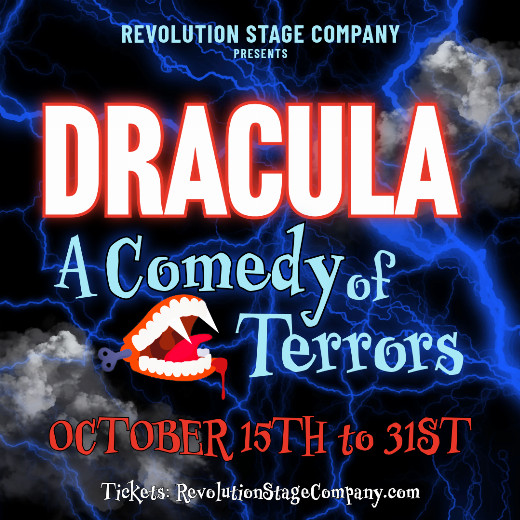
DRACULA A Comedy of Terrors Revolution Stage Company (10/25-10/25) |
|
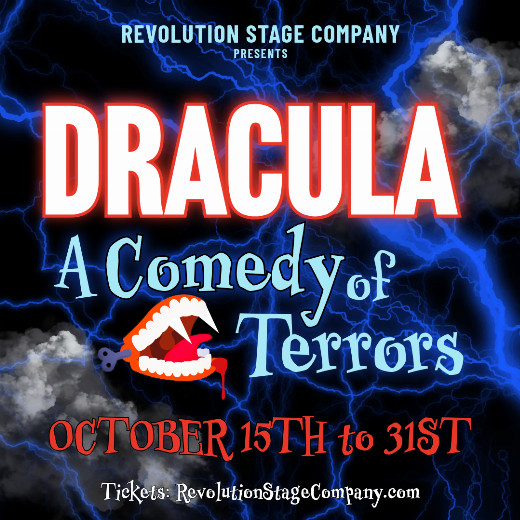
DRACULA A Comedy of Terrors A hit, 90-minute gender-bending stage farce blending gothic horror with Monty Python-esque humor! Revolution Stage Company (10/31-10/31) |
|
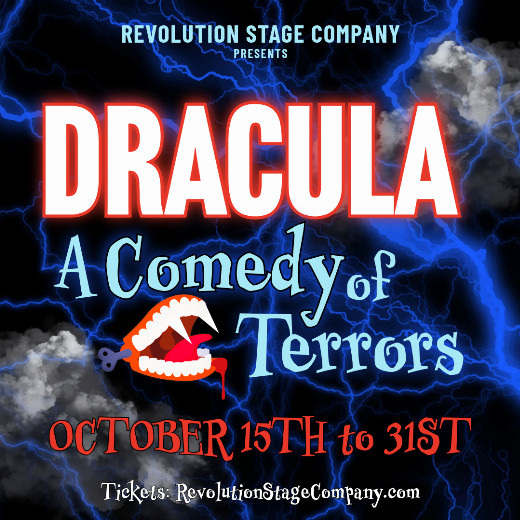
DRACULA A Comedy of Terrors Revolution Stage Company (10/22-10/22) |
|
DRACULA A Comedy of Terrors Revolution Stage Company (10/15-10/15) |

|
FRIDAY NIGHT LIVE! FNL Improv with PRNIT! PseudoRandomNoise Improv Theater (7/10-6/11) |
|
Into The Woods Rancho Mirage Amphitheater (10/23-10/25) |
|
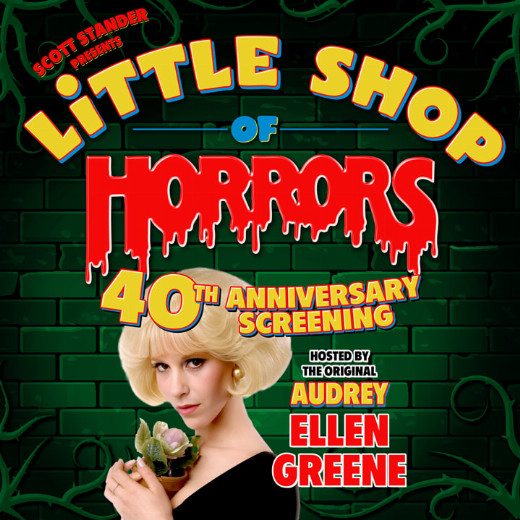
Little Shop of Horrors 40th Anniversary Tour with Ellen Greene (the Original Audrey) The Plaza Theatre (1/27-1/27) |
|
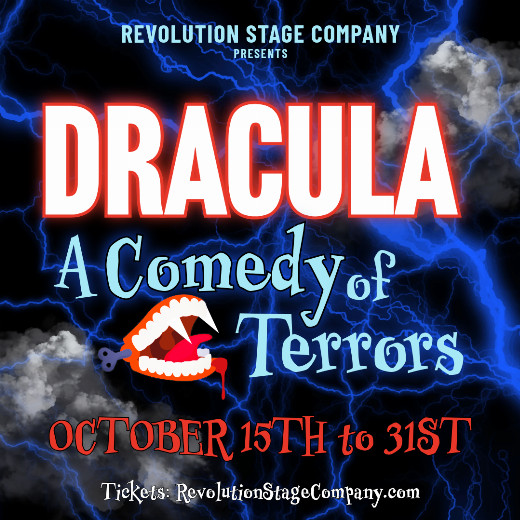
DRACULA A Comedy of Terrors Revolution Stage Company (10/23-10/23) |

Reader Reviews
To post a comment, you must register and login.