


Review: The Meeting of Star-Crossed Genres in Manna Proxia’s ROMEO & JULIET
On August 2, 2026, Manna Proxia Theater put on their production of ROMEO & JULIET at Gedung Kesenian Jakarta.
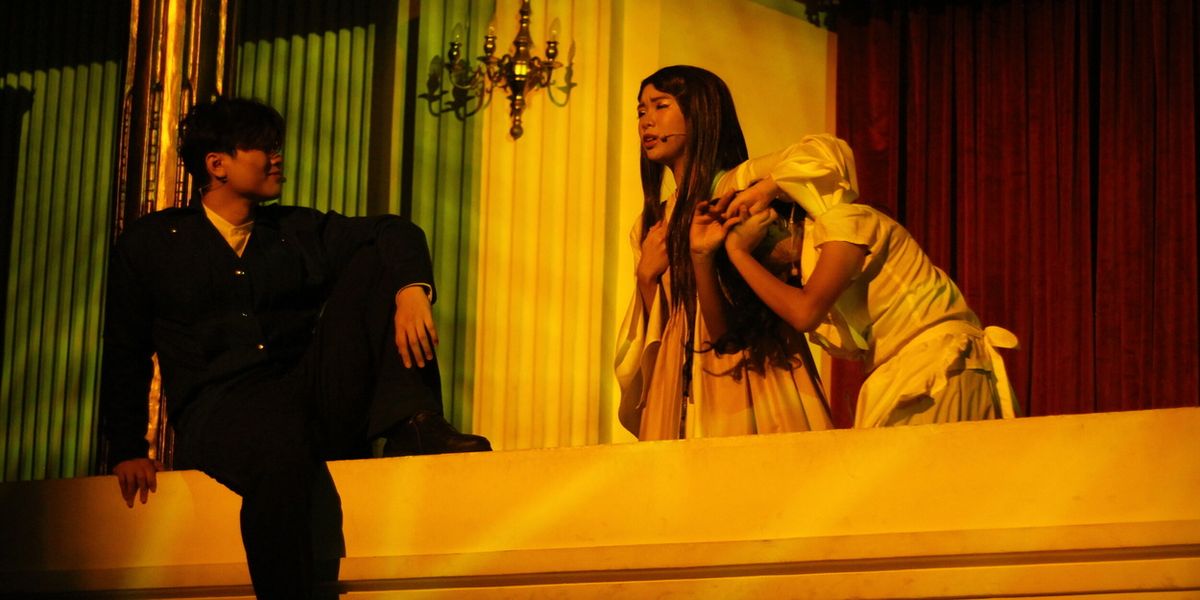
On August 2, 2026, Manna Proxia Theater put on their production of ROMEO & JULIET at Gedung Kesenian Jakarta. This adaptation of the Shakespeare classic was directed by Venantius Vladimir Ivan P. with original music by MPT Music Team. This review is based on the evening show.
As an adaptation, the plot largely didn’t stray far from the source material. In Verona, the noble houses of Montague and Capulet are feuding, both due to political ambitions and personal enmity. But even amidst the rising tension, an unlikely couple falls in love: Juliet Capulet (Audrey Louise Jo) and Romeo Montague (Jeriko Immanuel Gunadi).
Their blossoming young love faces its greatest trial when Lord Capulet (Rangga Pranendra) and Lady Capulet (Jovanka Amadiva H.) seek to have Juliet betrothed to the son of the local governor to further the family’s prestige and wealth. With the help of Father Lawrence (Abraham Nielskai Hanriddato Martin), Romeo and Juliet hatch a plan to fake Juliet’s death so the couple could elope.
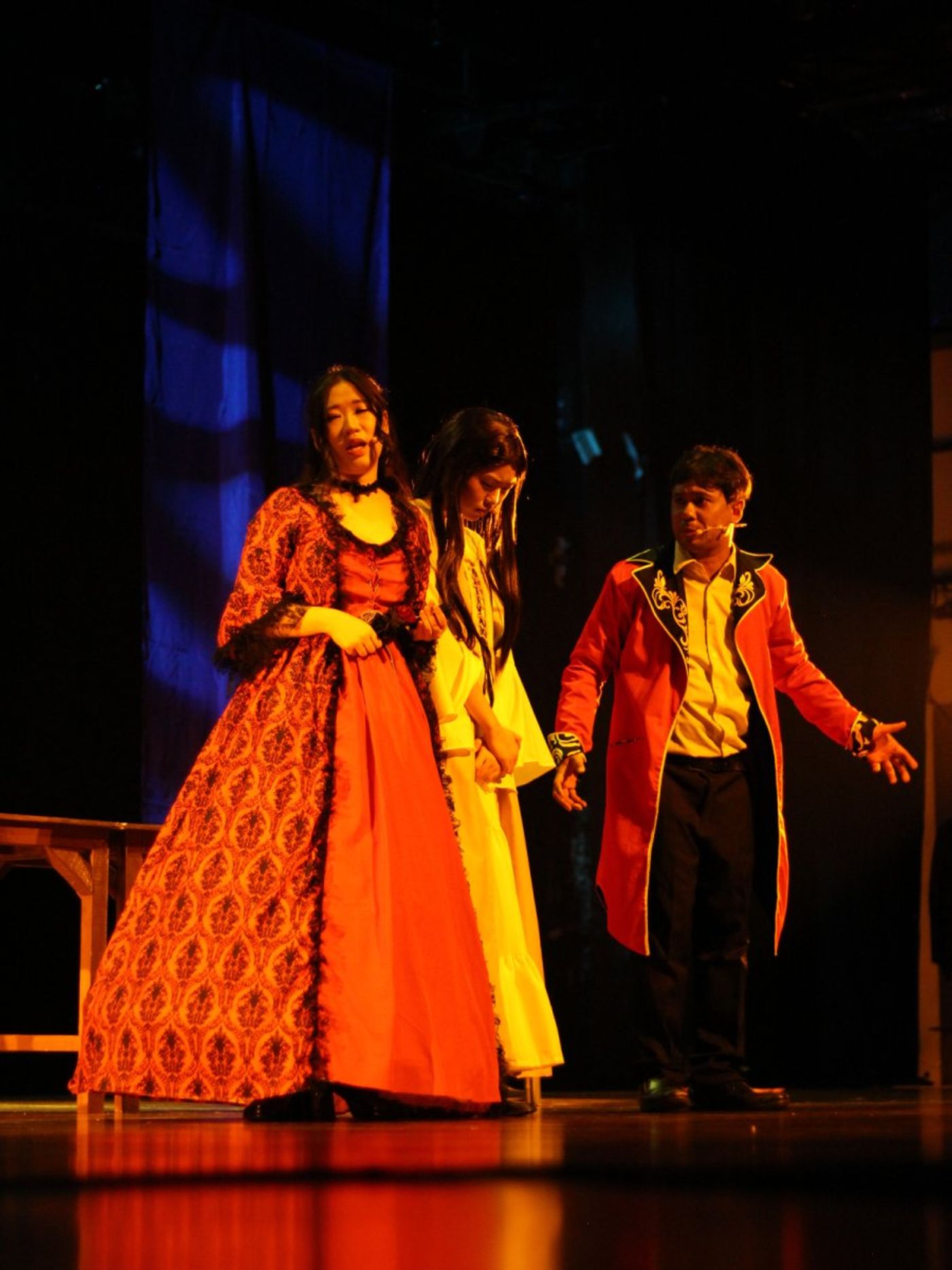
Alas, due to a miscommunication, Romeo thought Juliet had truly died. He took his own life, and Juliet followed suit, ending the tale in tragedy once more.
Choosing such a familiar tale brings with it a considerable risk: namely, comparison to other productions and adaptations. To their credit, Manna Proxia’s take on ROMEO AND JULIET had several things that set it apart.
First, the creative team injected the play with a strong dose of humor; from bumbling assistants, dastardly scheming nobles, and fourth-wall breaking asides, the play has no shortage of comedic characters and scenes.
For the most part, the comedy works, rousing laughter from the audience. Special mention goes to Rangga Panendra as Lord Capulet, whose delightfully evil take on the character and audience interaction moments became some of the show’s most memorable moments.
However, the problem lies in how the comedy affects the more serious moments. Sometimes, when a very comedic character is interacting with another character, they’re met with a very serious and matter-of-fact response. In these instances, the characters feel like they’re talking over each other, each coming from a very different version of the play: one that’s a grim tragedy, and another that’s a farcical parody.
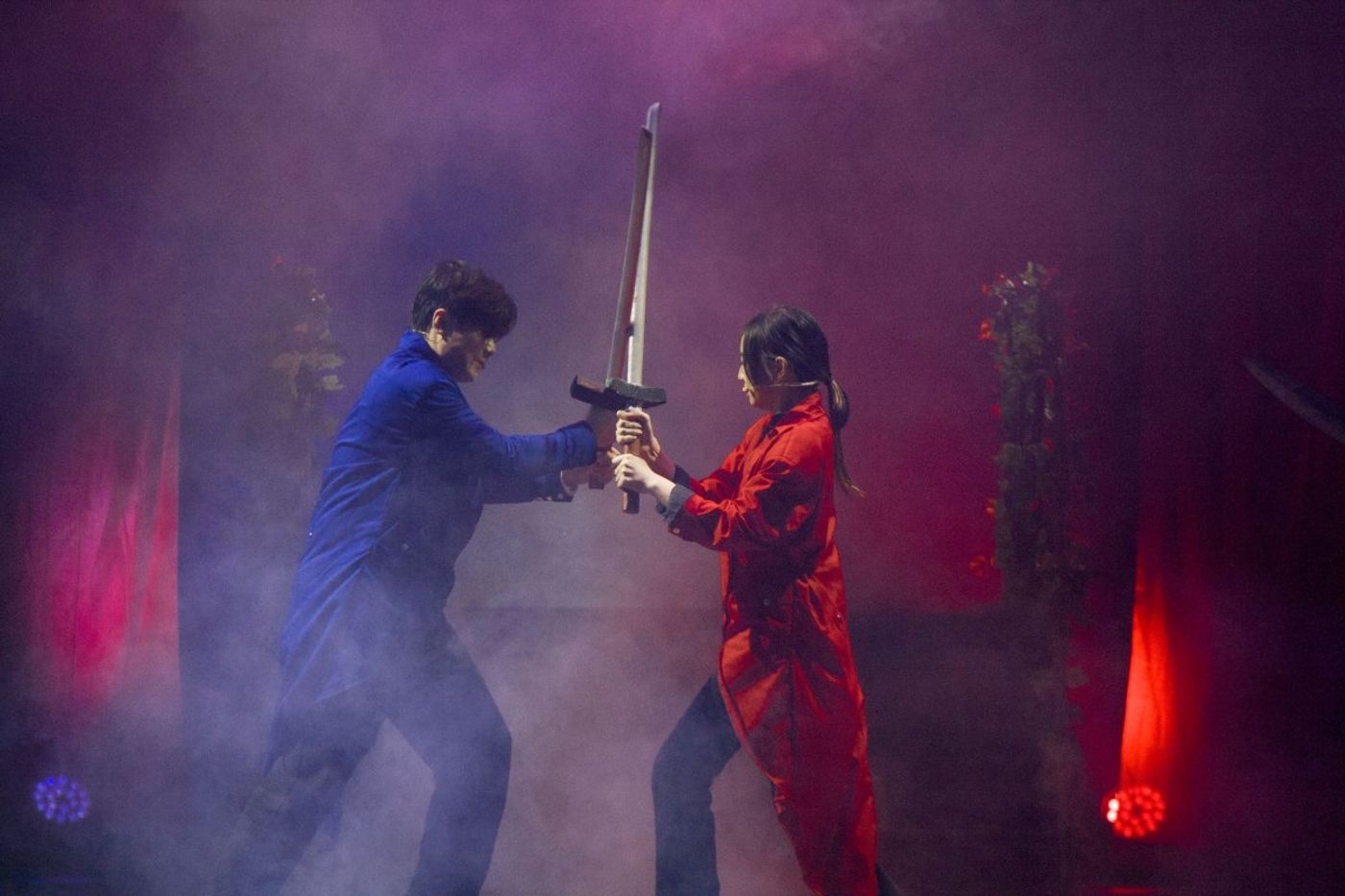
Another example of this befuddling tonal dissonance was the fight scene. After a massive — and quite well-executed – fight scene between the Montagues and Capulets, the combatants lie on the floor, unmoving. Father Lawrence then came out, crying out at this massive tragedy. But, not long after, the fallen combatants get up one by one, muttering about their wounds, undercutting the drama. This has far-reaching consequences, as some audience members might be left wondering at the final scene if Romeo and Juliet’s deaths are just silly fake-outs.
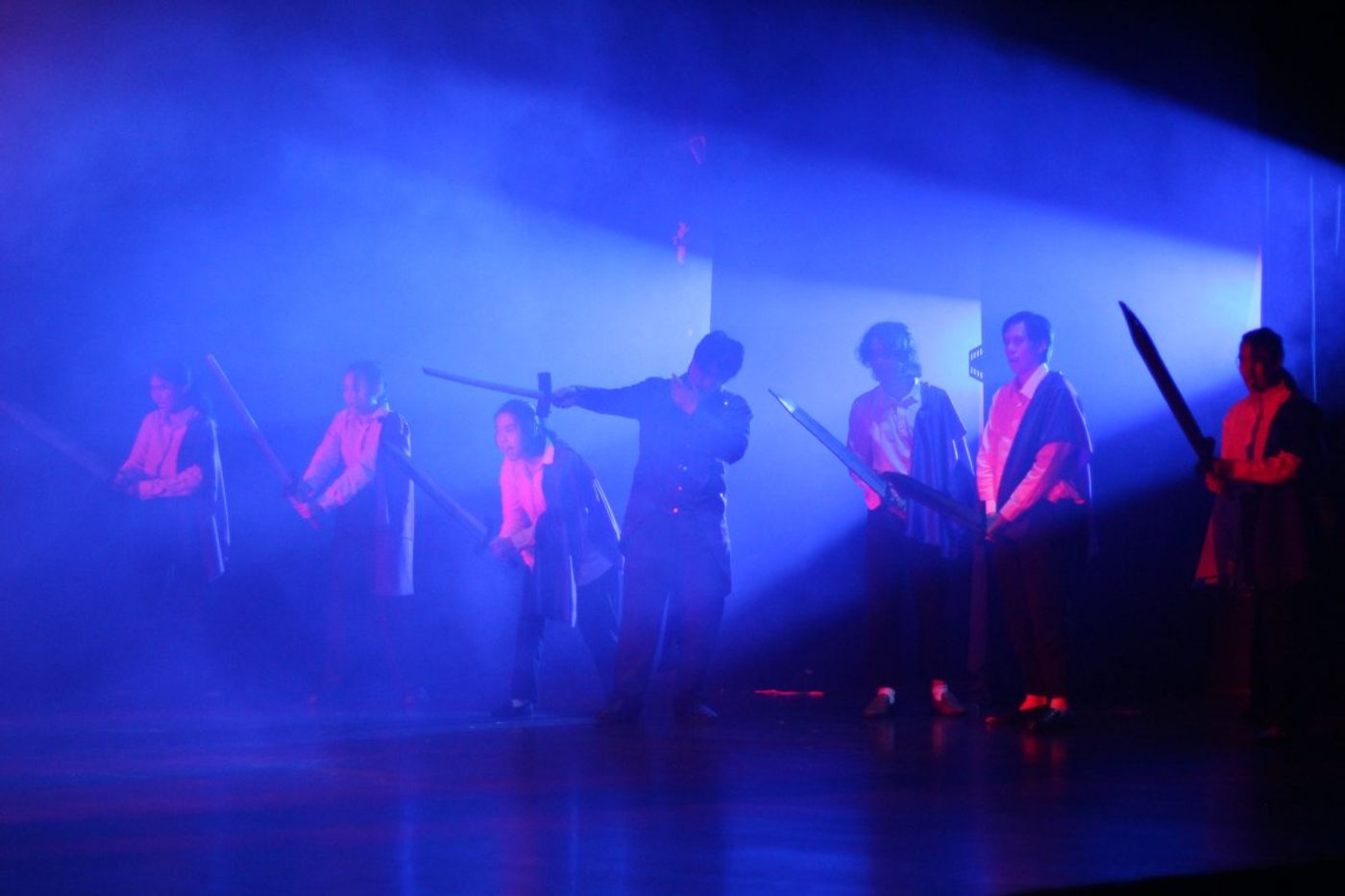
Despite the tonal issue, the cast is commendable in their dedication to their roles. Everyone brought a strong performance, be it dramatic or comedic. Every major and supporting character had a strong presence that kept the show exciting. Another stand out performance was by Abraham Nielskai Hanriddato Martin as Father Lawrence, one of the few characters who had both substantial comedic and dramatic lines. Overall, if the bizarrely disconnected performances had been evened out, it would have made for a truly outstanding show.

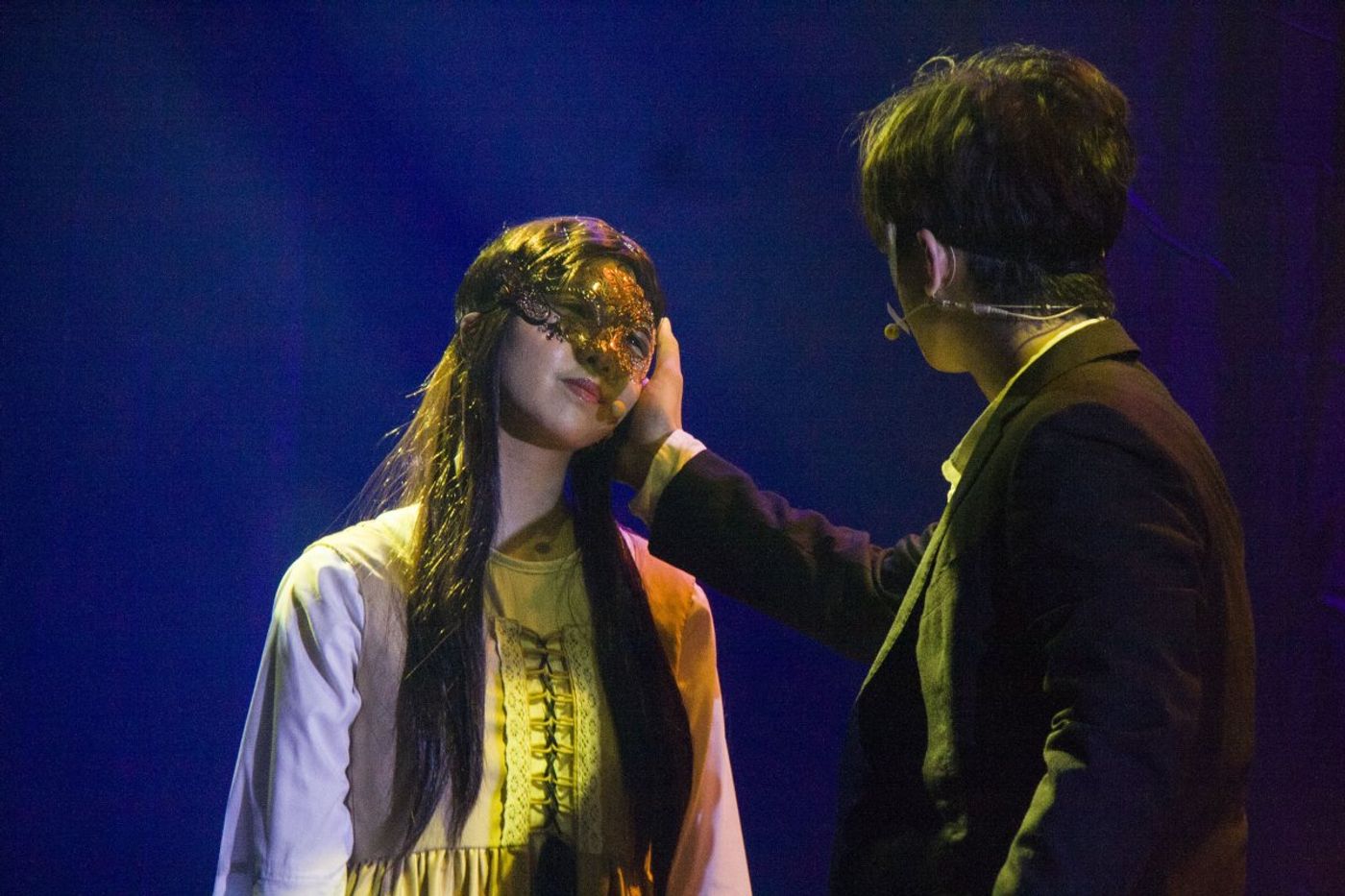
Another side-effect of the focus on comedy is the overshadowing of Romeo and Juliet’s romance. The romance is kept straightforward, making it feel subdued compared to the exaggerated comedic characters and the political drama surrounding it. Fortunately, Audrey Louise Jo and Jeriko Immanuel Gunadi had a sweet chemistry and still adeptly executed the pivotal moments (such as the masquerade ball, the balcony scene, and the ending). But, at times, the romance felt like a formality to go through, instead of being the crux of the story.
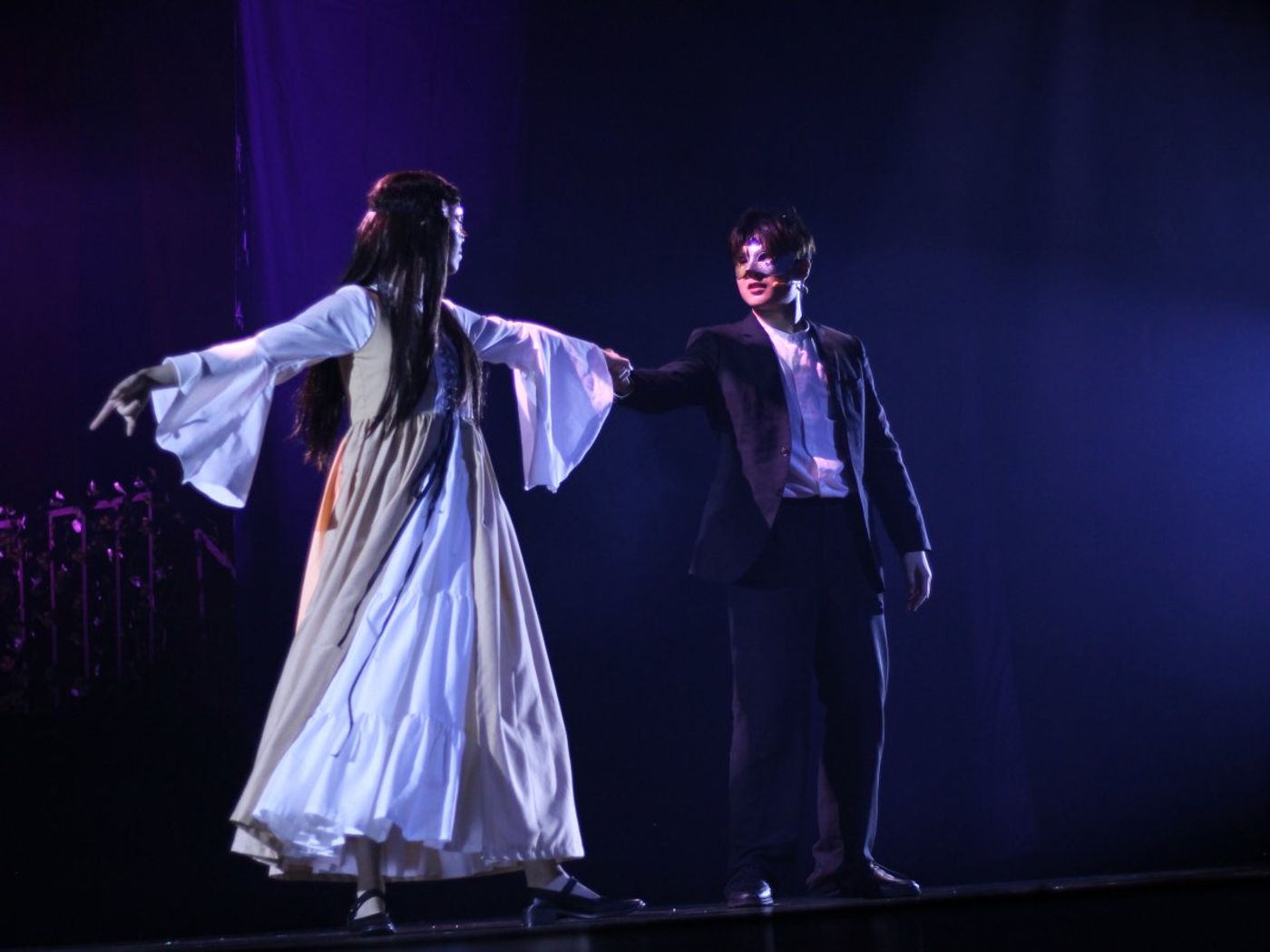
The songs were fine and worked well for the story. The most memorable one was Lord Capulet’s song which amusingly rhymed Capulet with a lot of Indonesian words.
ROMEO AND JULIET’s artistic direction was quite strong, oftentimes making good use of bold lighting design to create a properly dramatic effect. The costumes were also decently evocative of the time period. And the directing itself played around with the space, with some creative entrances and exits; the show also felt largely well-paced with brisk scene-to-scene transitions, excepting one scene that dragged severely by repeating the same joke and point of discussion ad nauseam.
All in all, Manna Proxia’s ROMEO AND JULIET is an entertaining show filled with passionate, dedicated performances from its cast. The modern approach to the script makes it fun, but the sidelined romance and harsh tonal whiplash held it back from realizing its full potential. Regardless, it’s a worthy interpretation of the Bard’s timeless tale of star-crossed lovers.
.Broadwayworld Indonesia was a media partner of Manna Proxia’s ROMEO AND JULIET
Reader Reviews
To post a comment, you must register and login.