


Interview: In Conversation with 'AUANA'S Evan Duffy
The composer of Waikiki's Cirque du Soleil show shares his insights
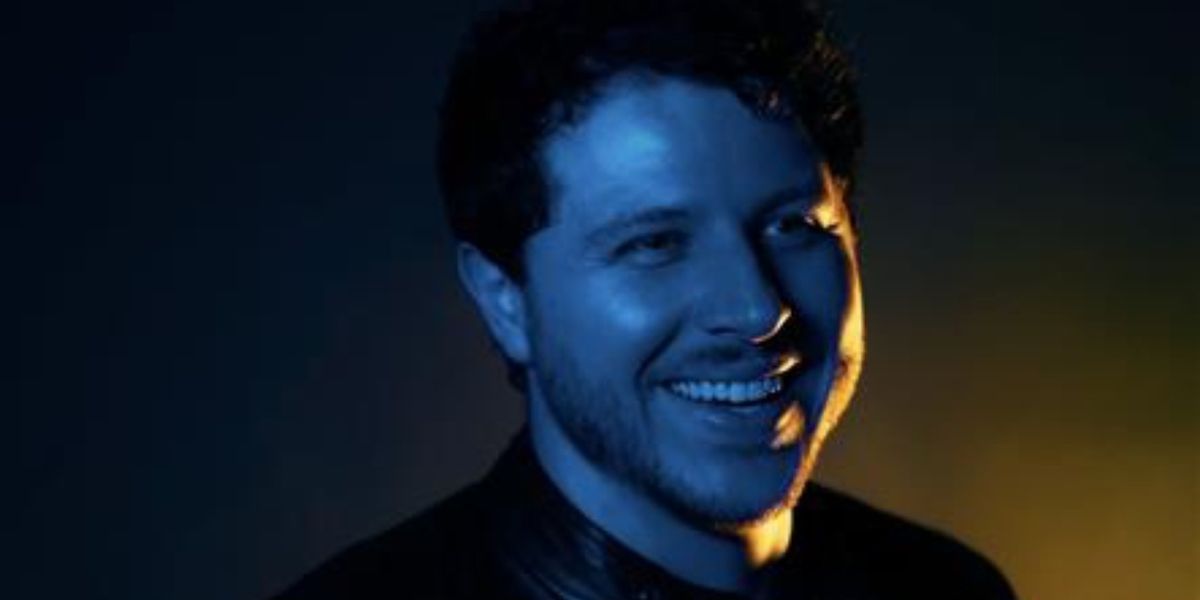
‘Auana, the Hawaiian-themed spectacular from Cirque du Soleil that debuted at OUTRIGGER Waikiki Beachcomber Hotel in December 2024, is set to release the soundtrack of the show’s music this month. We got to chat with the composer of the show, Evan Duffy, and get a look into the creative process that brought this unique show to life.
BroadwayWorld Hawaii: What is your background and training in music composition?
Duffy: I started out studying classical piano at age 10 and began composing around high school. I formally studied composition at James Madison University and then cut my teeth on a lot of Hollywood studio films, television shows, video games, etc. That experience helped me learn the ins and outs of the scoring world, and how to collaborate with directors across various mediums.
BroadwayWorld Hawaii: Who are some of your biggest musical influences?
Duffy: Composers often get asked to write in a wide variety of styles, so I really try to absorb as wide of a range of music as possible. Everything from Radiohead and John Mayer to classic rock, hyperpop, EDM. It all has something to teach. In the scoring space, Daniel Pemberton has been doing truly incredible things for longer than people give him credit for.
BroadwayWorld Hawaii: How did your experiences composing for Hawaii 5-0, Magnum P.I., and MacGyver influence your work on ʻAuana?
Duffy: I adored working on those shows with Keith Power and Brian Tyler, and they really taught me a lot about turning in a large volume of music on a tight deadline without compromising quality. Aesthetically those scores are much more in line with work we’ve done on the Fast and Furious franchise rather than any exploration of a more cultural sound. In that sense, not too much musical DNA transferred over into ‘Auana, but dang, they were fun!
BroadwayWorld Hawaii: How were you approached to create music for ʻAuana?
Duffy: ’Auana is my second show with Cirque du Soleil, so there was already an established relationship with them after our first collaboration on Mad Apple. ‘Auana’s director, Neil Dorward, and I are also longtime collaborators and understand one another’s processes intricately. He had asked that I submit some early sketches to Cirque to demonstrate my take on what the show might sound like. Those early sketches included what became “Ala Moe” which features Hiwa Vaughan narrating, as well as “Ho‘i ‘AUANA,” the final musical moment of the show. Everyone seemed to be aligned with the vision I’d mocked up, and we set to work.
BroadwayWorld Hawaii: What excited you most about working on ʻAuana?
Duffy: I know everyone speaks highly of every show they work on, but ‘Auana really was a project I couldn’t have felt anything but excitement for. The acts, the stories, the visuals, all very inspiring. Very Cirque du Soleil, and yet very Hawaiian. When it comes to composition I am a big “sonics” guy – meaning, I usually care more about how something specifically sounds while playing a melody versus the melody itself. A simple melody played with a unique sound/performance can be just as interesting as a complex melody played on a simple instrument. In Hawaiian music there is no shortage of truly fascinating and inspiring sounds, so I was spoiled for choice. Getting to explore all the sonic nooks and crannies of popular, traditional, and Native Hawaiian music was a highlight. Our cultural team would “uncover” unique sounds they shared with me ranging from nī‘au kani (jaw harps) to oeoe (bull-roarer whistle/siren), and I’d challenge myself to utilize them in the music. I wanted the score to go beyond what western audiences might expect “Hawaiian” music to be, and imbue every little moment with something uniquely tied to the islands. Exploring all the sounds Hawai‘i had to offer was a clear path to feeling endlessly inspired.
BroadwayWorld Hawaii: What was your familiarity with mo’olelo and ‘ōlelo hawai’i when you were offered this opportunity? How has that changed since?
Duffy: Nothing in Hawaiian music is more authentically “Hawai‘i” than the human voice singing in ‘ōlelo. It is spiritual, deeply meaningful, and stunningly musical on its own. Once I determined these melodies should be sung in ‘ōlelo hawai’i, the decision was made, and we brought in lyricist Keao NeSmith at the recommendation of Dr. Aaron Salā. It was full steam ahead from there.
Regarding my familiarity with the language and stories of Hawaii before the show, I had very little knowledge, but out of respect for the culture and goal of producing something authentic, I put myself firmly in position of “student.” I didn’t just want to learn “how” to create authentic music for the show, I wanted to also learn “why.”
Our cultural team were nothing short of enthusiastic and encouraging collaborators who understood and embraced what I brought to the show and cared enough to help me fill in the gaps with their expertise and experience.
Keao is also a natural teacher, so during our lyric sessions I would ask him all sorts of questions about the stories, the gods, the characters, and the symbolism. I am still a student in mo‘olelo, but I hope my appreciation and understanding is reflected in the music.
On that same note, I want to shine some light on our wonderful singers in the show and soundtrack Christina Souza, Mahi‘ai Kekumu, Ikaika Mendez, Alana Kahiapo, and Joshua Tavares. In addition to their beautiful performances, they effectually served as a final layer of editorial in the studio – helping to flag any awkward moments where something in the language felt unnatural due to the composition. They were very patient with me when I had to rework it on the spot!
BroadwayWorld Hawaii: Did you ever question if it was appropriate for you to compose the music for this show, not being Native Hawaiian yourself? If so, what did you consider?
Duffy: I certainly did. From day one I knew the score I wanted to create for this show, and I knew that my heart and mind were in the right place to honor the culture while using my strengths as a composer to elevate something important.
The density of musical talent in Hawai‘i is truly something special, and it was important to me to collaborate with as many local artists as possible to create an authentic body of work. In fact, most of the performances you hear on ‘Auana (both in show and on the soundtrack) are from Hawaiian artists. There were countless studio days with virtuosos like Taimane Gardner on the ukulele, John Signor on guitars and ‘ohe hano ihu (nose flutes), our vocal ensemble mentioned earlier, Polynesian drum ensembles, and Keao NeSmith and Hiwa Vaughan recording chants. They were all recorded on O‘ahu with local engineers (Kyle Spicer, Michael Grande, and Pierre Grill), and additional recordings were done back at my studio in Los Angeles to fill out and polish the production. Local Hawai'i audiences, and Native Hawaiians, are very discerning and you cannot fake these sounds and styles. They are surrounded with them every day. I know my strengths as a composer and producer, so with the guidance of our cultural team, I knew the score would be respectful, honest, and hopefully a new and meaningful entry into the world of Hawaiian music. I hope the music itself makes it clear how much true DNA from the islands exists within it.
BroadwayWorld Hawaii: What unique challenges did you encounter during this process?
Duffy: Since the music and melodies were composed before any lyrics existed, Keao had the task of crafting meaningful and poetic ‘ōlelo while preserving my specific rhythmic and melodic structures. Our collaboration was all on video calls and we’d often get pretty granular with the details. I’d say “okay, we need 2 more syllables!” or more or less. He’d then lean back for a few seconds to think and come up with another word or two that kept the same poetic intention. If it was a challenge for him I’d never know, Keao made it look easy and his words are the soul of the show and its music.
For “Kai Māmala” the music was originally just an instrumental with no words or vocals. One day I was in the studio with Hiwa Vaughan doing some final recordings and we received a call from our director, Neil, saying “try something vocal on this one and see if we like it.” It was the tail end of the session, so while our singers took a break I ran over to the piano and conjured up a little vocal riff that could carry the piece. I looked at Hiwa and we both thought “okay, this is kinda cool” and she riffed some of the lyrics right on the spot. I just love how organic and unplanned it was.
BroadwayWorld Hawaii: How do you think Native Hawaiian/local audiences have received the music you provided for ʻAuana?
Duffy: From what I’ve seen, the show and its music seem to be very well received from all audiences, including locals, and Native Hawaiians. My hope is that these audiences have received it with the spirit that it was made in and recognize it was done with love, respect, and humility at every turn.
I’d love to mention something that really stood out to me watching one of our special audiences: for the closing number of the show, “Ke Ānuenue,” it was our dream to record the Kamehameha Schools Children’s Chorus. The ‘ōlelo Keao wrote for the finale is powerful, human, and forward-looking while honoring the past. It seemed like the perfect moment to blend the children’s choir with our adult vocal ensemble and tie everything together. We were so excited Lynell Bright, director of the choir, saw our vision and agreed to be a part of the show’s finale. Before we recorded the kids, we gave them a private run of the entire show with full lighting, effects… the works. They were one of the first audiences to ever see ‘Auana performed, and it struck me not only how much joy it brought them, but how much cultural nuance they picked up on from start to finish. During the sand art section in particular, the students were shouting out every reference they caught. During “Pua Naupaka” they recognized the story through the narration and visuals. There was a sense of wonder and appreciation from them in recognizing these moments, characters, and stories being told in a New Medium. My hope is that tourists will understand they are guests - there to learn and appreciate the land and its history. And that locals will feel ownership over the show, knowing it was made in good faith.
BroadwayWorld Hawaii: How do you extend the world of ʻAuana beyond the stage?
Duffy: I have so many ideas! I think the first piece of that is our soundtrack release – allowing people all over the world to experience this music, these performances and language. Who knows, maybe the Hawai‘i Symphony Orchestra would want to do an ‘Auana night and highlight dancers, acrobats, musicians, etc. from the show? One can dream!
BroadwayWorld Hawaii: Are there any productions/projects you would like to compose for in the future?
Duffy: Being a part of ‘Auana showed me how much I love the intersection of ethnomusicology (learning about music and its interaction with culture) and scoring. Whether it’s film or stage, I will absolutely seek out more opportunities to explore music around the world.
BroadwayWorld Hawaii: What's next for you?
Duffy: I just came off a busy end of 2025 and start of 2026 with the release of Now You See Me: Now You Don’t and The Super Mario Galaxy Movie, both of which I composed additional music for, so first order of business is enjoying a bit of summer! In the fall I’ll be starting a couple exciting stage projects that will be really fulfilling (and wildly different from one another), as well as gearing up for the next round of films that need scoring.
Thank you for the wonderful questions and the opportunity to share more about our show and its music. If you check out the music, read the credits! Everyone earned their place on there and made this score what it is.
Sign up for all the news on the Fall season, discounts & more...
|
Little Shop of Horrors UHM Kennedy Theatre (3/04-3/14) |
|
Hey, Black Child! UHM Kennedy Theatre - Earle Ernst Lab Theatre (4/14-4/18) |
|
el momento en que me desperté UHM Kennedy Theatre - Earle Ernst Lab Theatre (12/03-12/06) |
|
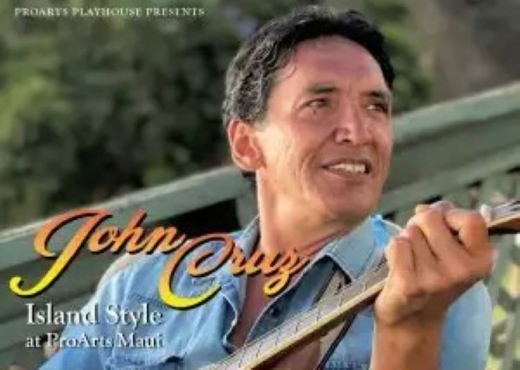
John Cruz: Island Style Series ProArts Theater (9/23-10/28) |
|
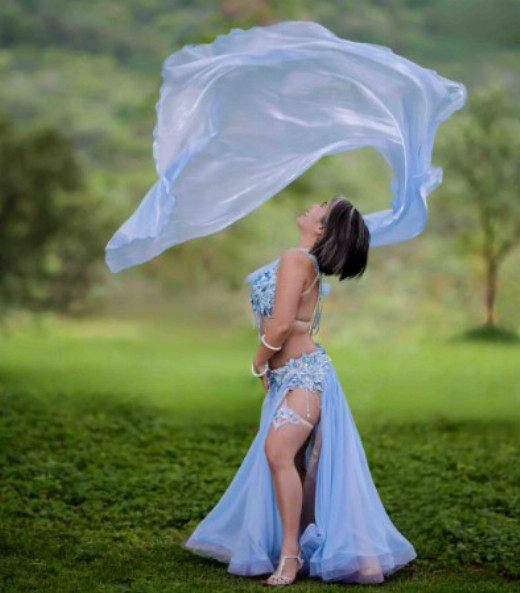
Late Night Raqs UHM Kennedy Theatre - Earle Ernst Lab Theatre (4/23-4/25) |
|
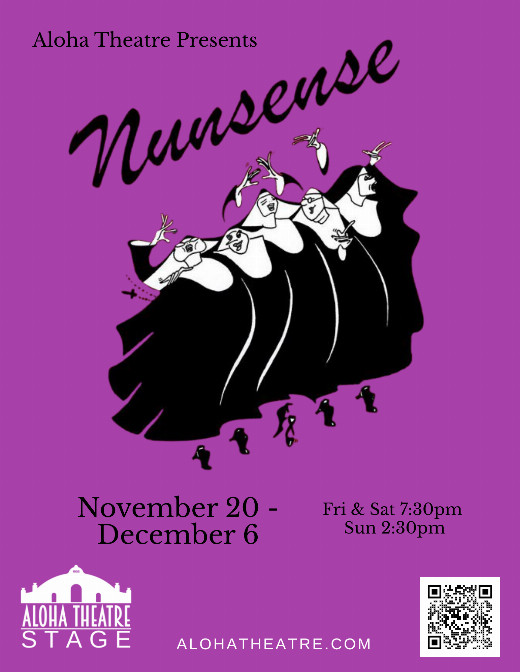
Nunsense Aloha Theatre (11/20-12/06) |
|
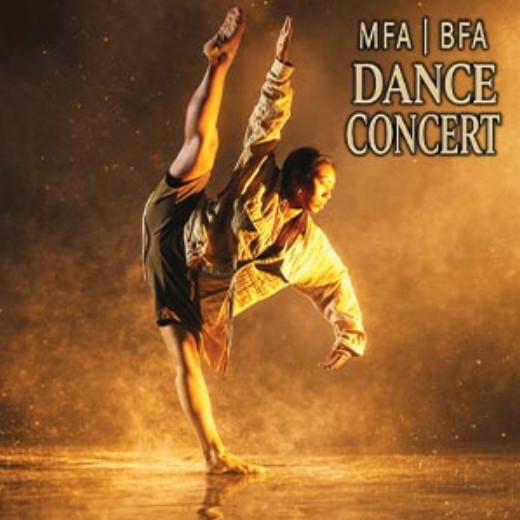
MFA/BFA Dance Concert UHM Kennedy Theatre - Earle Ernst Lab Theatre (2/03-2/07) |
|
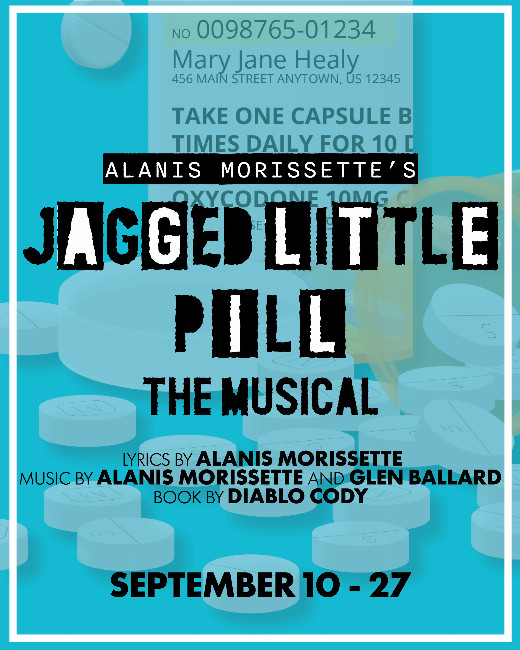
Alanis Morissette's Jagged Little Pill Manoa Valley Theatre (9/10-9/27) |
|
The Book of Mormon Neal S Blaisdell Concert Hall (11/25-12/06) |
|
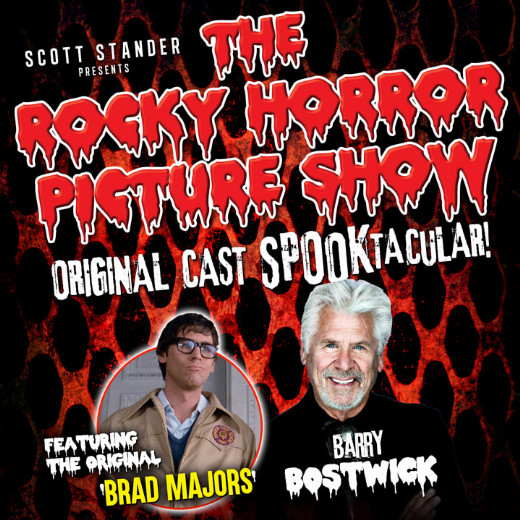
The Rocky Horror Picture Show Spooktacular Tour with Barry Bostwick Hawaii Theatre (11/07-11/07) |
