


Review: MADAMA BUTTERFLY at Four Seasons Centre For The Performing Arts
COC's take on a Puccini masterpiece that speaks to modern times
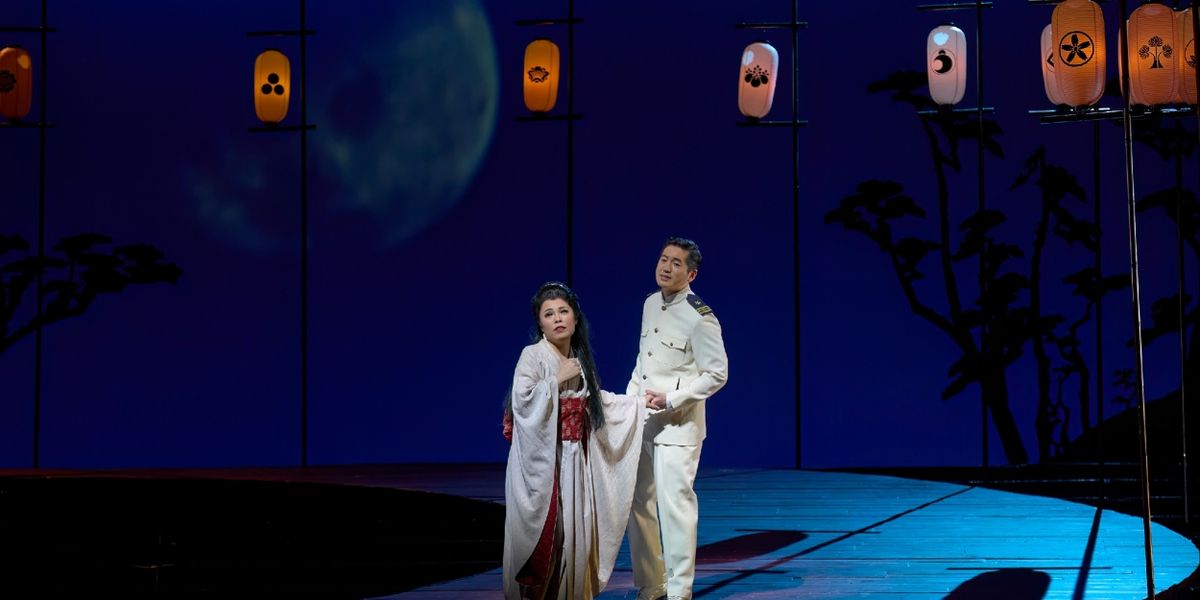
Madama Butterfly’s overture is characterized by dark, ominous undertones camouflaged by a veneer of idyllic, carefree sweetness. Giacomo Puccini was a master of finding the fragile and pulsating emotional heart of a normalized social situation. Because it is an unparalleled example of this talent, Madama Butterfly is one of the most beloved operas today. The Canadian Opera Company’s 2025 production of this masterpiece is a seamless blend of performance practice tradition with a contemporary lens on the story’s timeless themes.
The moral of the story was “woke” for its time. Puccini and librettists Luigi Illica and Giuseppe Giacosa are calling out the ills of practices toward Asian and other racialized women that were accepted male indulgences. Inevitably, they are also products of their time. The libretto that we’re left with makes mistakes and biased judgements. For example, they conflate Geisha with sex workers, a mistake that has been made much more recently. Those who remember the release of the feature film Memoires of a Geisha will know what I’m talking about. In Madama Butterfly, an important plot point hinges on Japanese religions, and they don’t seem to be aware that there’s a difference between Buddhism and Shintoism. To a twenty-first-century ear, Puccini’s efforts to incorporate Japanese modal motifs sound inauthentic and appropriative. Nevertheless, Madam Butterfly has been a beloved operatic character for over a hundred years because she is rendered with such grace, dignity, and humanity through the score and the libretto.
Cio-Cio San (Miss Butterfly) is an eighteen-year-old girl living in Nagasaki who, along with other female family members, has been forced to resort to survival sex work because her once-noble family has fallen into misfortune and poverty. A pimp named Goro, euphemistically referred to as a “marriage” broker, arranges temporary “marriages” between the women under his control and foreign sailors stationed in Nagasaki for the duration of their stay. Goro is part of a trade-in such “marriages” that existed in Japan from the early 1600s to the late 1800s. Miss Butterfly enters into such an arrangement with dashing US naval officer B.F. Pinkerton. Her family signs the contract and witnesses the “marriage” as was the custom. Unfortunately, everyone knows the arrangement is temporary except young Miss Butterfly. She is desperately in love with Pinkerton and is convinced of the sincerity of the affection he demonstrates. Pinkerton is unable to see her humanity because of her race and culture, and after a few weeks heads home to a “real American wife.”
Eri Nakamura is a radiant butterfly. Her voice is rosy and creamy with effortless, blooming high notes and a deep, throbbing lower range that hits you in the feels. Un bel di is the aria we are listening for in this piece and Nakamura doesn’t disappoint. Her interpretation brilliantly illustrated the blend of vulnerability, hope, passion, and bitterness that brings this character to life and has allowed her to ring true for engrossed audiences for over a century. Through the 3rd and final act, as Butterfly realizes that she will not live happily ever after, Nakamura does a consummate job of leaning into her honied voice's surprisingly strong core to elucidate Butterfly’s descent into despair, as well as her defiance and bravery. She gives a nuanced and captivating performance throughout. It is also refreshing that she and the other main characters' transformation into residents of Nagasaki did not involve any “yellowface” theatrics.
Kang Wang plays the contrasting role of charming but cowardly, heartless, bigoted B.F. Pinkerton to a tee. He is such an effectively loathsome villain that he received complimentary boos from some audience members during curtain calls. His lyric tenor is bright and a bit brassy, with an effortless lightness that fits Pinkerton’s carefree, devil-may-care attitude like a glove. He is versatile enough to emphasize the bravado side of that brassiness when singing against his bombastic “Star-Spangled Banner” leitmotif while drawing out the shimmering and smooth side of his voice to make his attestations of love in the famous Love Duet convincing. He also looked the part and used his lithe physicality effectively to portray Pinkerton as a charming ladykiller in Act 1. Casting an Asian performer in the role creates a shift to the usual racial context of the role. This opens the door to an interpretation wherein American imperialism and ethnocentrism are his central brand of bigotry. This twist is especially thought-provoking in the current political climate.
Hyona Kim and Michael Sumuel were highly memorable as supporting characters Suzuki, Cio-Cio San’s servant, and Sharpless, the American Consul who tries but fails to warn Pinkerton of the perils of his reckless behaviour. Sumuel has a very fresh and open baritone that draws you in and makes you like him right away. Kim brings an endearing maternal warmth to her luscious and supple mezzo-soprano in her interpretation of this kindly helper who is the one person who truly loves Butterfly. Kim and Nakamura’s voices sounded like two sides of the same coin during their enchanting performance of their flower duet.
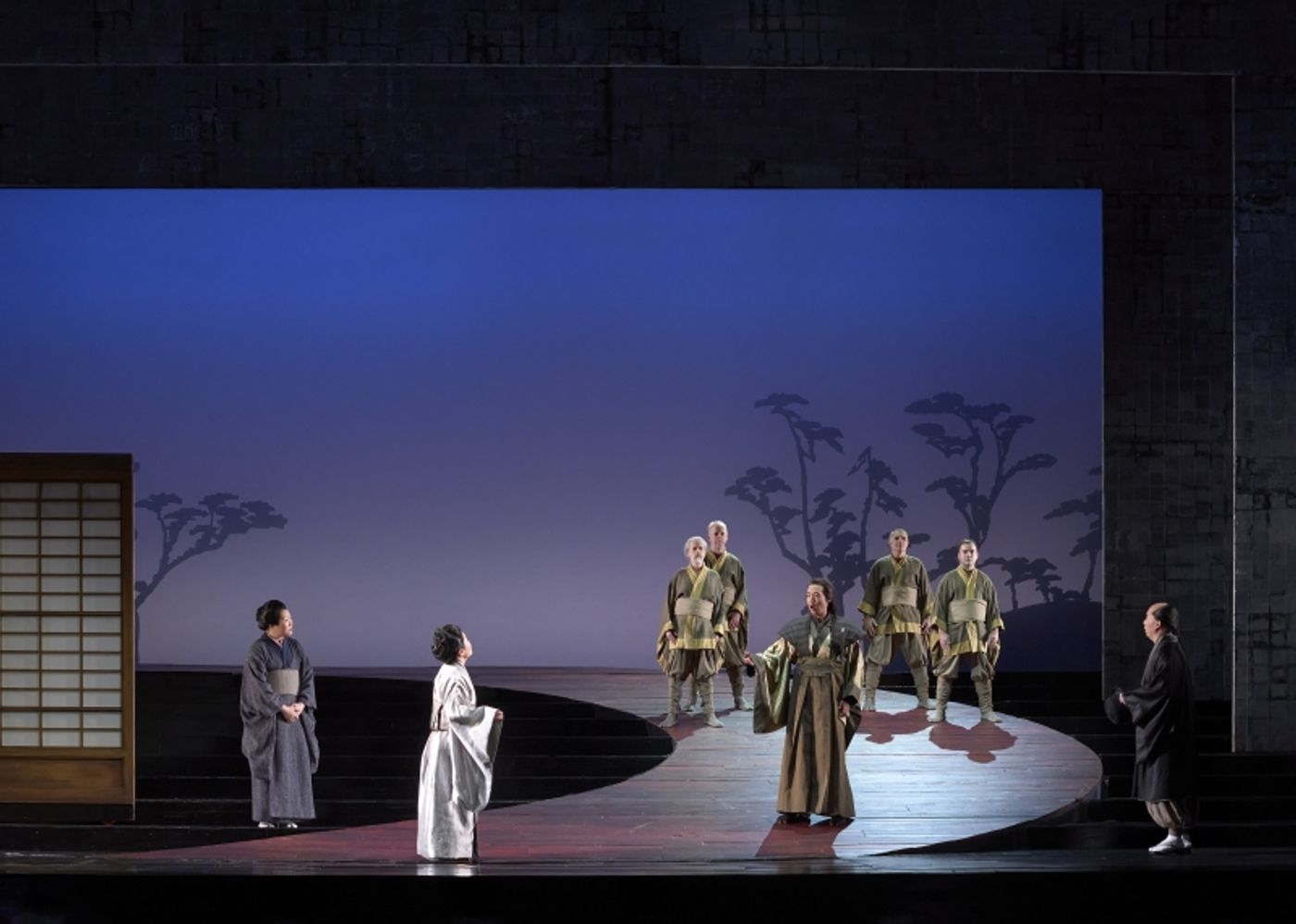
The costume and set design was simple and effective. Elegantly draped raw silk kimonos in neutral tones with contrasting obis for the geishas and Suzuki. This neutrality of colour scheme allows the red inner sleeves of Butterfly’s white wedding kimono to pop memorably. A tailored and dapper naval officer's uniform was instrumental in supporting Wang to embody the sexy man-in-uniform aesthetic. As has become common in recent years, this production uses projection as an aspect of set design, in this instance used to illustrate a garden complete with bonsai trees and a breath-taking full moon. There is one spectacular moving set that revolves to show us Butterfly’s night-long vigil vainly awaiting Pinkerton’s return.
I am always a big softie for Puccini’s music and there’s a lot to love about this production. My companion was relatively new to opera and enjoyed this performance immensely. Madama Butterfly is an easily approachable production that engages newcomers and seasoned operagoers alike. This production is on stage until February 16, 2025.
Photo Credit: Michael Cooper

|
SpongeBob the Musical Randolph Theatre (8/22-9/20) |

|
Gatsby Redux Harbourfront Centre (9/26-9/27) |

|
GRAHAM100 Terminal Theatre (4/30-5/02) |

|
HYPROV: The Hypnosis & Improv Comedy Experience – Live in Ottawa NATIONAL ARTS CENTRE - SOUTHAM HALL (11/12-11/12) |
|
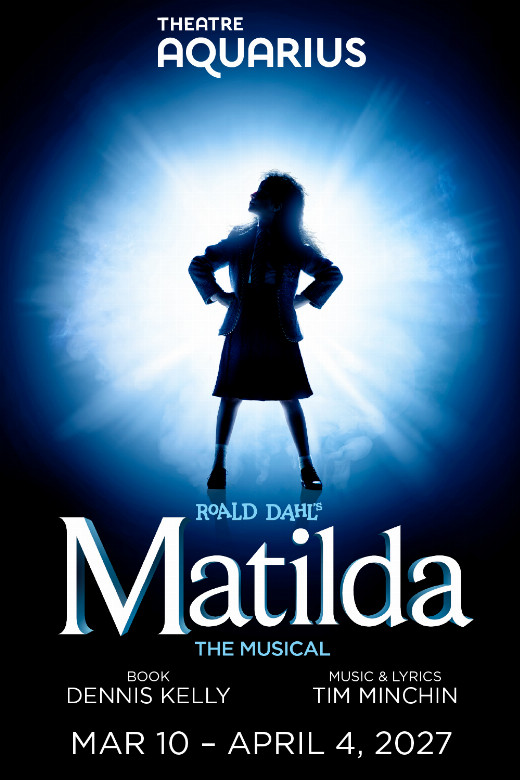
Matilda The Musical Theatre Aquarius (3/10-4/04) |
|
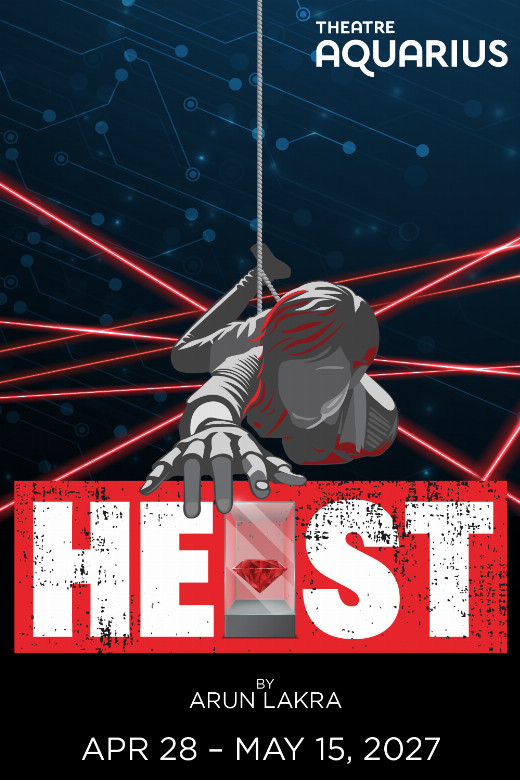
Heist Theatre Aquarius (4/28-5/15) |

|
ANNULÉ - Il était une fois... Noël Théâtre Capitole (11/25-11/29) |
|
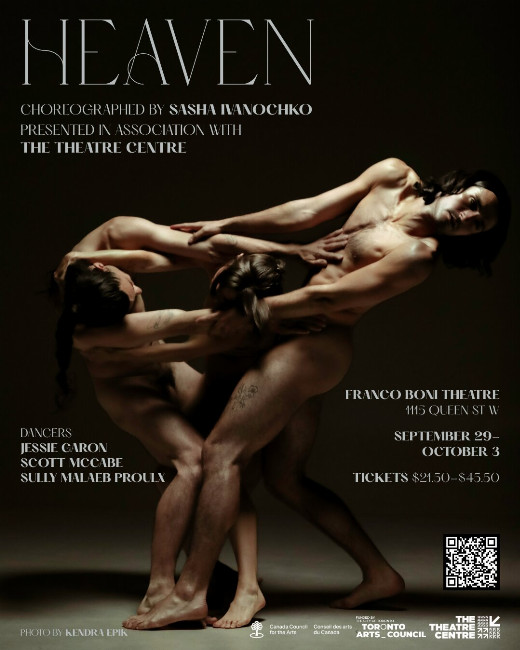
Heaven Heaven (9/29-10/03) |

|
The Rainbow Fish Musical Wychwood Theatre (9/19-10/18) |

|
MrBallen: Lights out Live Meridian Arts Centre (10/04-10/04) |
Reader Reviews
To post a comment, you must register and login.