
Review: MAINLY MOZART WITH VIOLINIST JAMES EHNES at The Conrad In La Jolla
The All-Star Festival Orchestra Excels in Music by Pärt, Schumann and Mozart
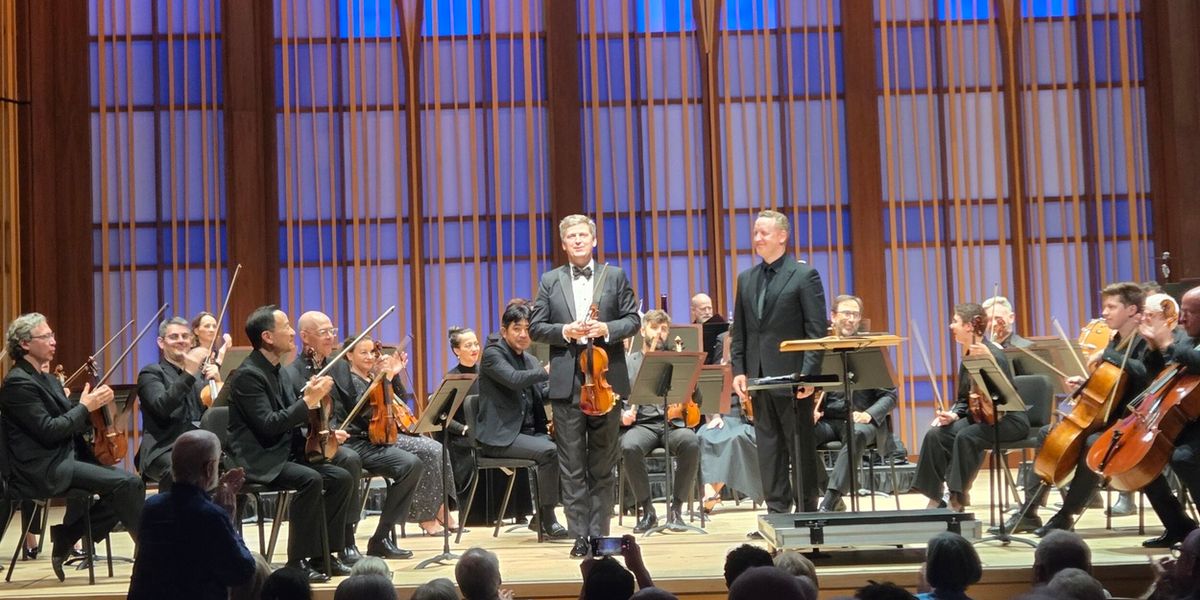
This unusual program featured three works:
• Pärt: Cantus in Memoriam Benjamin Britten
• Schumann: Violin Concerto in D minor (James Ehnes, violin)
• Mozart: Symphony No. 41 (“The Jupiter”)
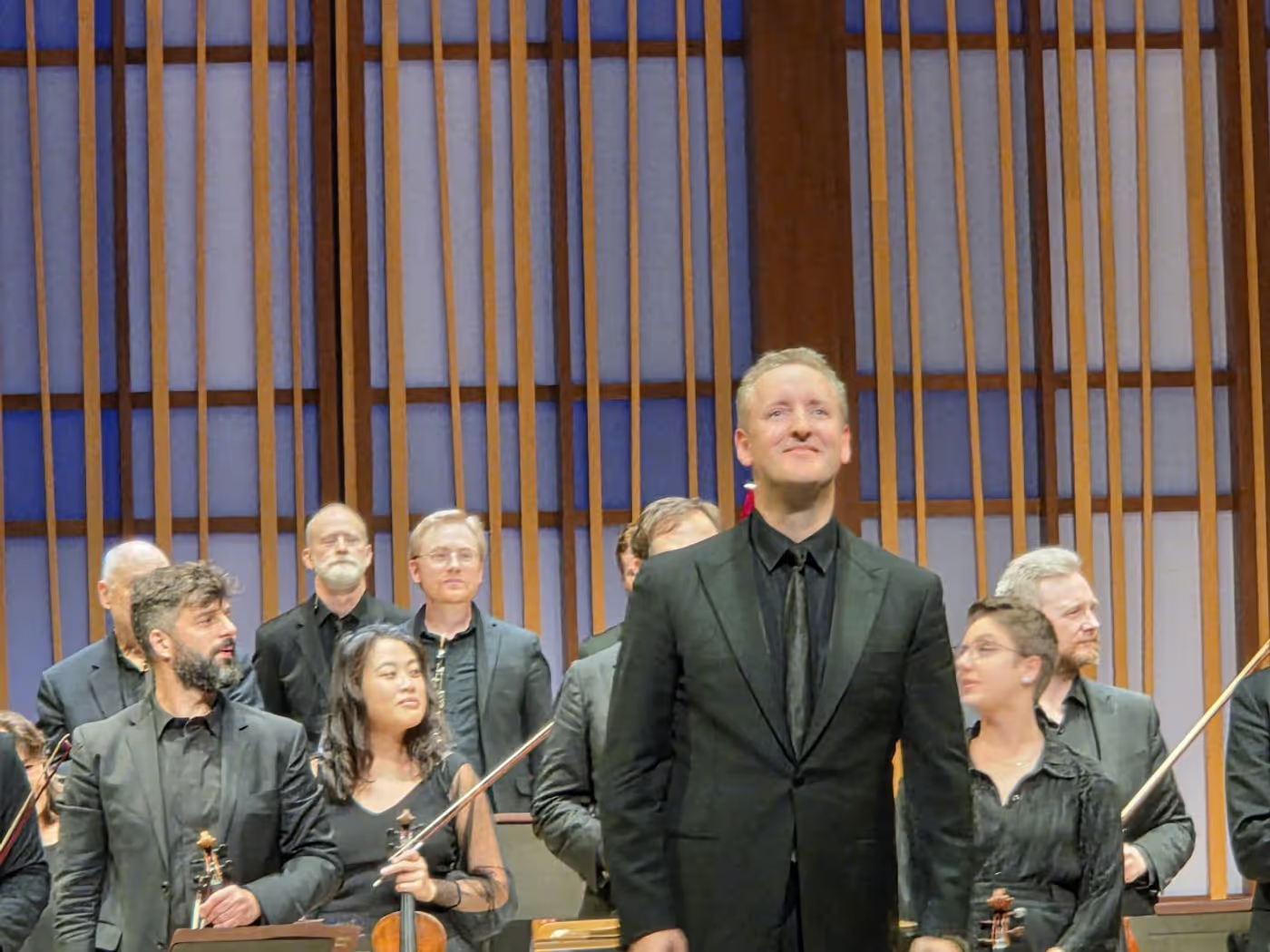
In introductory remarks, the always informative and entertaining Music Director and Conductor Michael Francis did his best to make these pieces seem somehow connected, but it was a stretch.
Regardless, each of them is fascinating in its own way, and the performances were exceptional.
Pärt: Cantus in Memoriam Benjamin Britten
The composer said of the piece, “Just before his death I began to appreciate the unusual purity of his music … I had wanted to meet Britten personally—and now it would not come to that.”
At roughly six minutes, the Memorium is an excellent introduction to the “tintinnabula” (bell) minimalist style created by the composer. A simple melodic line combines with a separate line of triads. Music majors have written theses describing the style in excruciating detail, but the effect Pärt achieves is a bell-like simplicity that can evoke rapt spiritual introspection.
The work begins with three bars of silence before the single note of a tolling bell is heard. As in a fugue, high violins announce a descending triad that is repeated five times in ever deeper tones and slower tempos until it reaches the basses.
The bell continues to toll its solitary note at widely spaced intervals throughout the piece until struck three times to signal the end. I wished for an eerier, softer and more sustained bell effect, but I didn’t hesitate to join the enthusiastic applause once we all emerged from our tintinnabula-induced trances.
Schumann: Violin Concerto in D minor (James Ehnes, violin)
It’s a pleasure to listen to violinist James Ehnes play. He performs regularly with the world’s finest orchestras and has it all -- musicality, tone, and technique.
He has championed the Schumann concerto, and I admired this performance. His double stops, double-stop trills, and swift scalic passages were spectacular.
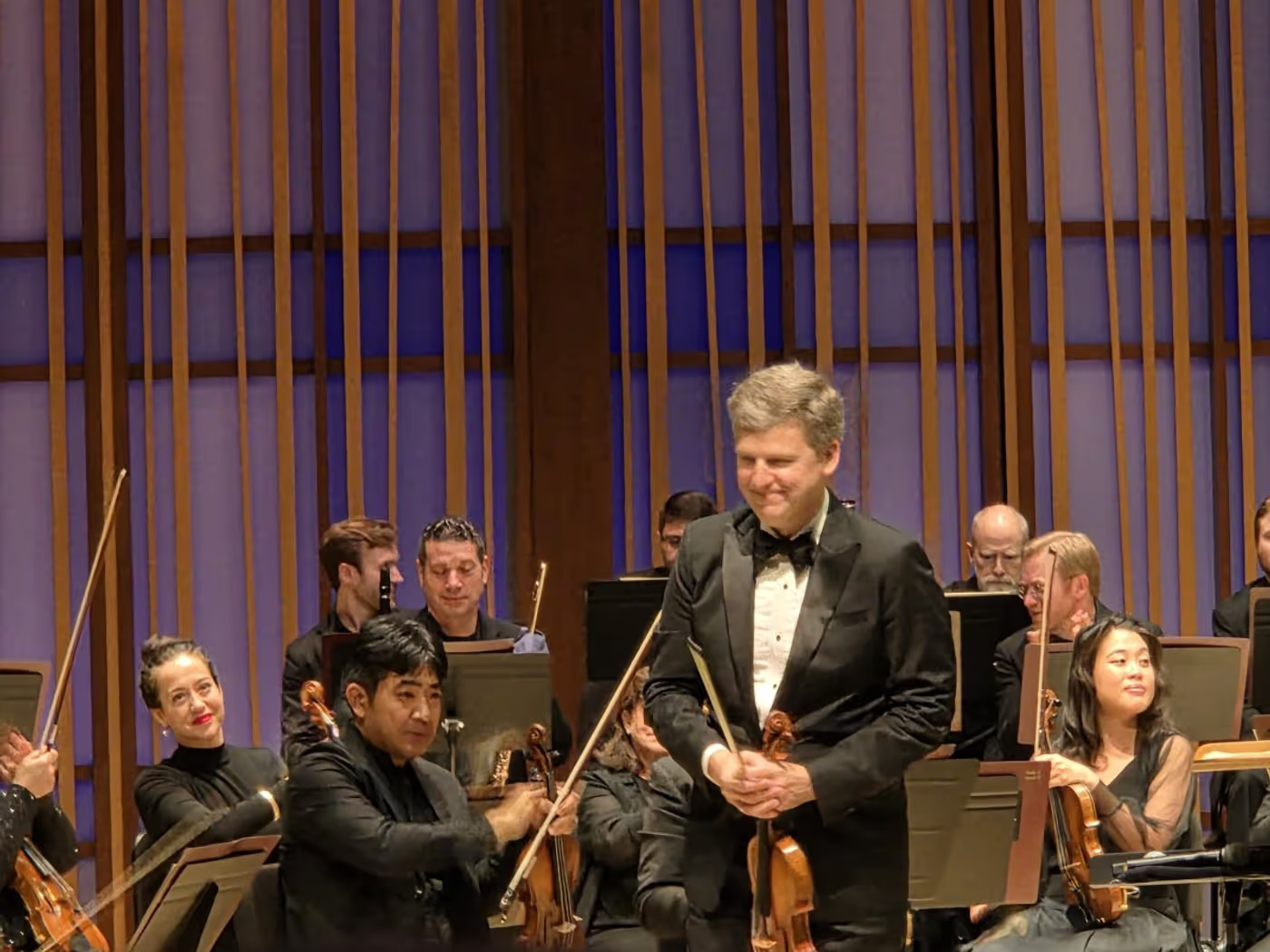
The orchestra has a more prominent role than usual in a concerto, and Michael James and his musicians switched smoothly between sensitive support and symphonic dominance with clear section balances and effective dynamics.
The work was written for virtuoso violinist Joseph Joachim. He thought it needed revisions and never performed it. Despite Ehnes’s enthusiasm, I agree with Joachim. It’s too long, and melodic phrases and rhythms repeat with little variation in every movement. The repeated bombastic symphonic interruptions of the last movement seem especially out of place. Only the beautifully melodic middle movement recalls the genius of Schumann’s previous concertos.
This concerto has a strange history.
As he was writing it, Schumann was almost certainly experiencing symptoms of serious mental illness. Just three months after completing it, clad only in dressing gown and slippers he walked through 10 minutes of heavy rain to jump into the Rhine River’s frigid water in an attempted suicide.
Fishermen saved him, but soon after, overwhelmed by vivid hallucinations, which included conversations with the ghost of Franz Schubert, he checked himself into an insane asylum where he remained until his death two years later at the age of 56.
Joseph Joachim discussed his concern that the concerto would harm the composer’s reputation with Schumann’s wife Clara and Johannes Brahms, who was friendly with the Schumanns. They agreed with the violinist.
Joachim retained the score and specified in his will that it remain unperformed until 1956, a century after Schumann’s death, to protect his reputation.
Is it possible the story would get even weirder?
Yes. In 1933, Jelly d’Aranyi, an ardent spiritualist and Joachim’s grandniece, accidentally found the original autograph manuscript. She claimed Joachim had told her about the work during a spiritual visitation.
Though herself an excellent violinist, her Jewish heritage meant she couldn’t give the first performance in an area of Nazi domination. After extensive cuts and Paul Hindemith’s revisions to the solo part, the premiere was performed in Germany by Georg Kulenkampff in 1937.
Yehudi Menuhin gave the first performance of the original score a month later with the New York Philharmonic under Georges Enescu. To the best of my knowledge, Schumann’s ghost offered advice to neither Menuhin nor Enescu.
James Ehnes followed the concerto with a substantial excerpt from Ysaÿe’s Third Violin Sonata, a spectacular challenge for violinists. Skipping the slow Ballade beginning, he tore through its more than four minutes of fingering gymnastics with floods of double stops, a few quadruples and an exciting passage of triple stops at the finish.
Mozart’s Symphony No. 41 (“The Jupiter”)
“The Jupiter” was Mozart’s final symphony, the last of the three he wrote in two months shortly before his death. Schumann once described the work as "wholly above discussion," and I agree. I’ll just say that it’s Mozart at his best, and Michael Francis led as good a performance as I’ve ever heard.
Mainly Mozart's annual summer festival is far from the organization's only activity. Visit its website for details.
Photos Ron Bierman
|
Scapin North Coast Repertory (7/22-8/16) |
|
The Rise and Fall of Little Voice Tenth Avenue Arts Center (6/11-7/03) |
|
The Fairy Tale Monologues Riot Productions (7/31-8/09) |

|
2026 Night Nation Run - San Jose, CA PayPal Park (9/05-9/05) |
|
Les Misérables School Edition Casa del Prado Theatre (7/24-8/09) |
|
RadioPlay! The Merc (2/22-8/30) |
|
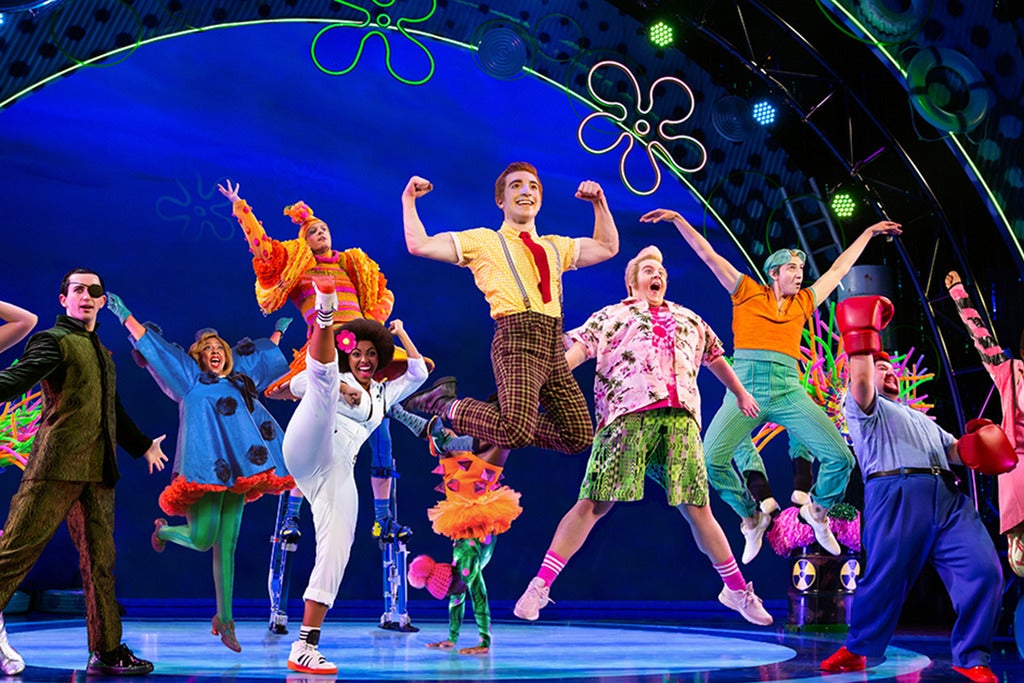
The SpongeBob Musical Cygnet Theatre (6/10-7/05) |

|
the wulfeater 10th Avenue Arts Center (8/28-9/18) PHOTOS VIDEOS |
|
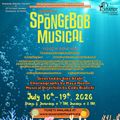
The Spongebob Musical: Youth Edition Sunshine Brooks Theater (7/10-7/19) |
|
Freaky Friday: A New Musical Carlsbad Community Cultural Arts Center (7/17-7/19) |