


Review: 'CHANGED FOR GOOD' THE NEW YORK POPS 43RD ANNIVERSARY CONCERT at Carnegie Hall
A Celebration of the music of Stephen Schwartz
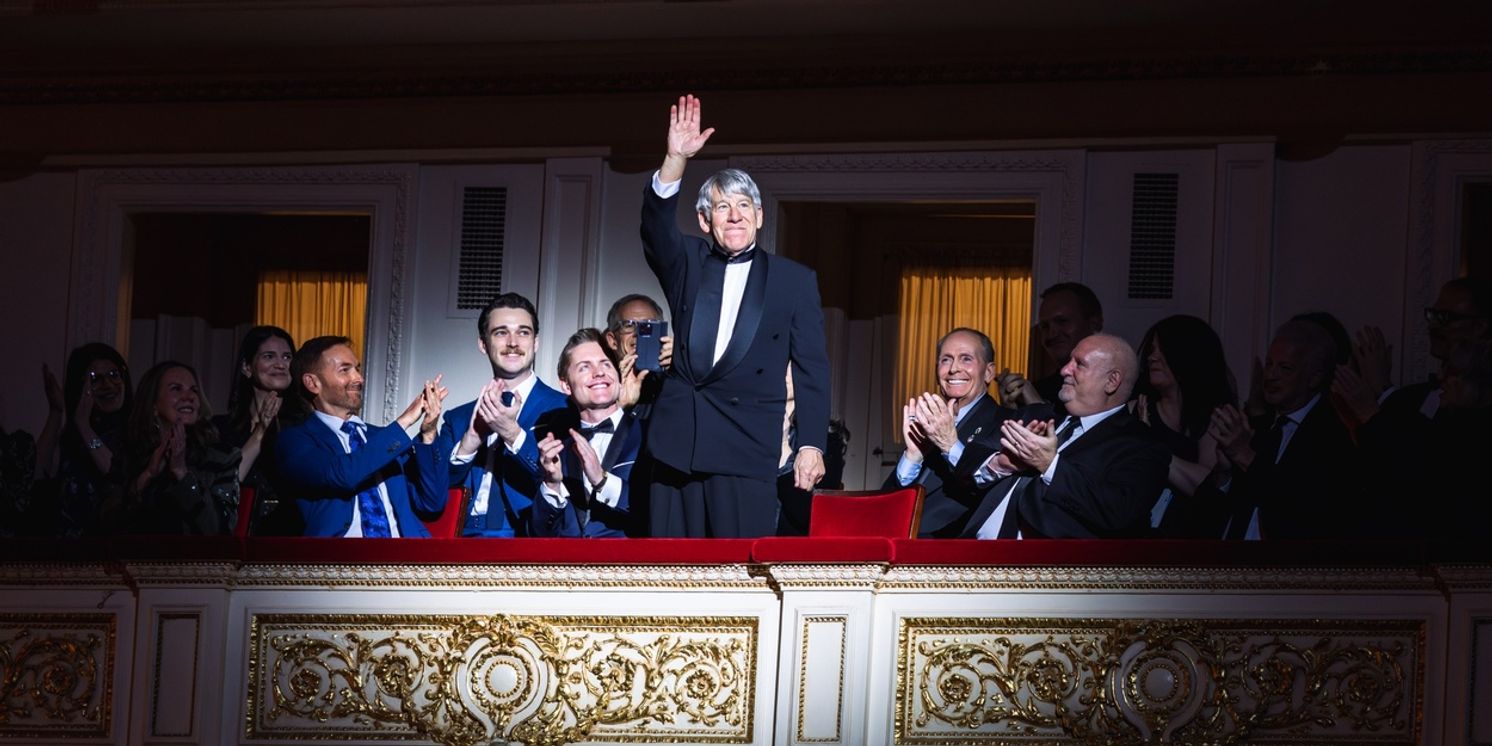
At Carnegie Hall on Monday night, the New York Pops marked its 43rd Anniversary Gala with “Changed for Good: A Celebration of Stephen Schwartz”—and, under Steven Reineke, delivered a program shaped with uncommon structural intelligence. The concert opened with a smartly assembled overture, threading together Schwartz’s most recognizable melodic material into a cohesive orchestral statement. More importantly, what followed unfolded in largely chronological order, allowing the audience to hear—not just remember—how Schwartz’s musical voice has evolved over five decades.
 That curatorial choice paid dividends. Instead of a flattened “greatest hits” parade, the evening revealed a composer moving from the open, quasi-liturgical simplicity of Godspell through the theatrical experimentation of Pippin and into the broader emotional architecture of his later work.
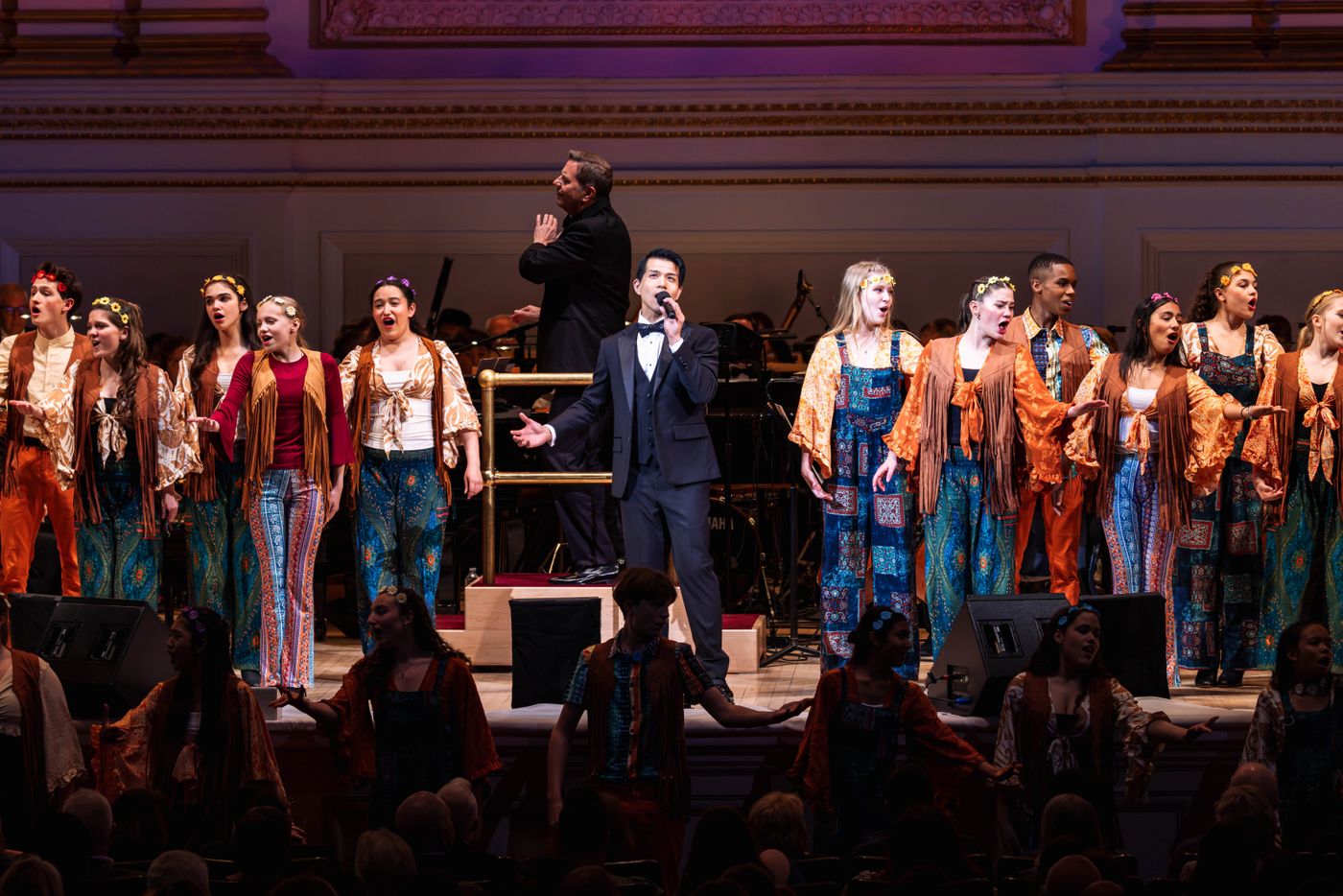
The early "Godspell" material set the tone—and Telly Leung was an immediate standout. Joined by the kids from Camp Broadway, he delivered “All Good Gifts” with effortless warmth and beautifully shaped phrasing. There’s something disarmingly natural about the way Leung sings—his tone is open, his musical instincts are spot-on, and he never feels like he’s trying to “sell” the moment. Instead, he lets it land. The result was quietly radiant, and one of the evening’s most genuinely moving performances.
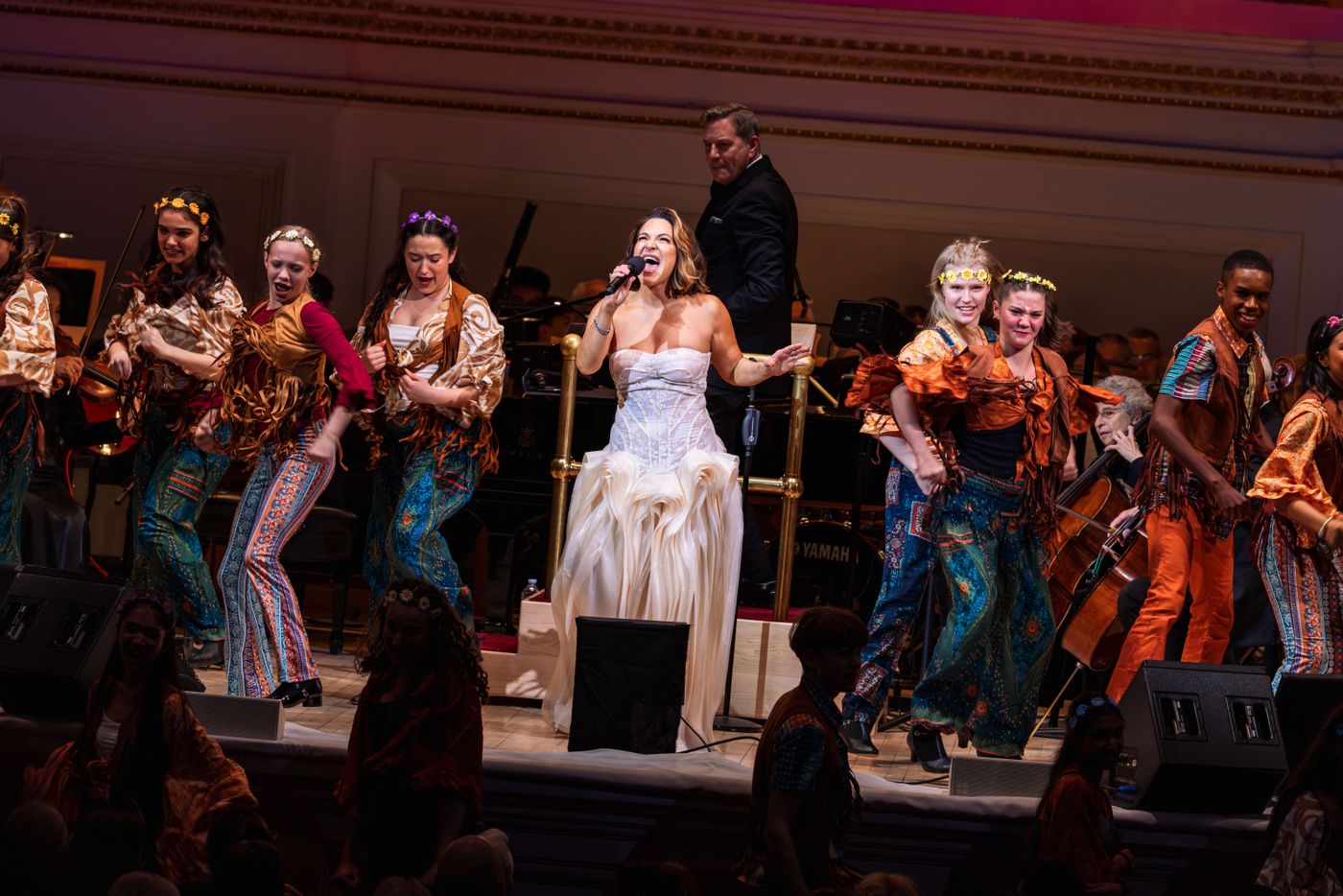
Shoshana Bean followed with a powerhouse “Bless the Lord,” and while the voice was as thrilling as expected, what really impressed was her control and musicality. She drove the song forward with energy and confidence, but never lost clarity—every phrase felt intentional, every moment grounded in the music. Reineke, for his part, kept the orchestral textures light and buoyant, allowing the material’s essential directness to register.
From there, the program opened up.
Ben Platt’s “Corner of the Sky” leaned into his signature emotional immediacy. He bends phrases, reshapes lines, and makes the song unmistakably his own—and while that approach doesn’t always sit neatly inside the original structure, it brings a level of personal connection that audiences clearly respond to.
By contrast, Tituss Burgess offered a “Meadowlark” that felt beautifully paced and fully lived-in. He knows exactly how to build a number like this, letting it grow organically rather than pushing it too soon. By the time he reached the climax, it felt earned—and vocally, he made it sound easy.
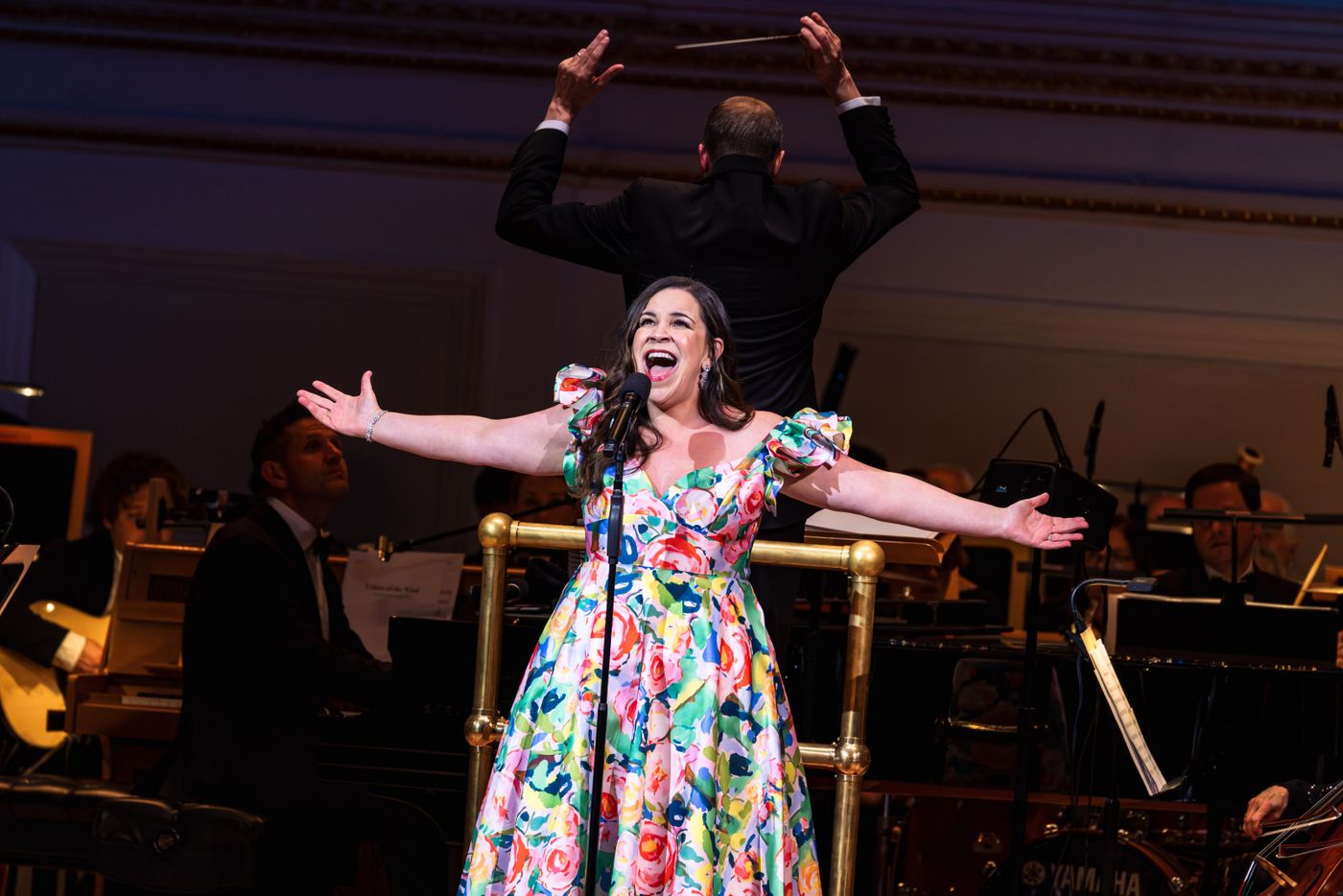
Lindsay Mendez delivered one of the evening’s most satisfying performances with “Stranger to the Rain.” There was a calm confidence in her singing—a sense that she was completely at home in the material. The tone was rich, the phrasing fluid, and the emotional arc unfolded with real grace.
Mary Testa brought her trademark bite and humor to “It’s an Art,” landing every moment with precision and personality. Judy Kuhn’s “Colors of the Wind” was, simply put, a reminder of how great this song can be in the right hands. She sang it with elegance, clarity, and a deep connection to the text—letting the music do the work.
Kyle Dean Massey’s “Out There” was refreshingly straightforward and heartfelt, never overblown, just sincerely felt. And Aisha Jackson and Jasmine Amy Rogers paired beautifully on “When You Believe,” their voices blending seamlessly in a performance that felt both controlled and emotionally present.
From the more introspective end of the spectrum, Sherie Rene Scott offered a searching, inward “This Is Not the Way,” drawing the audience in with a performance that felt personal and unguarded—a welcome shift in tone amid the gala’s larger moments.
The Wicked material was, unsurprisingly, among the evening’s most audience-responsive. Brittney Johnson’s “Popular” was bright, funny, and musically tight, while Mary Kate Morrissey delivered a strong, confident “Defying Gravity” that favored clarity and connection over sheer vocal force—a smart choice in the hall’s acoustic.
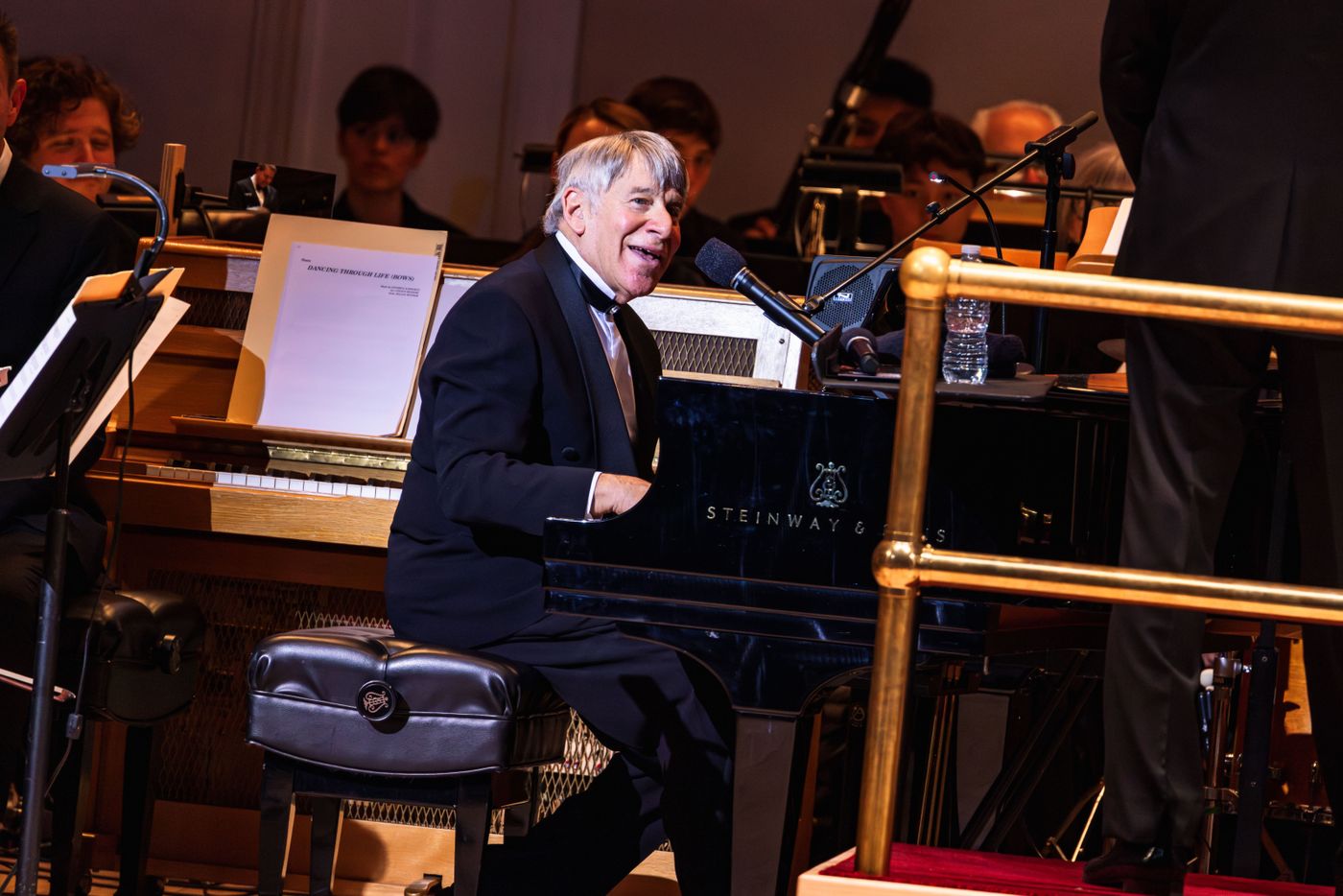
One of the more intriguing inclusions came from Schwartz’s lesser-known work. A sequence featuring “No Place Like Home” and “Beautiful City,” performed by Schwartz himself with Michael McCorry Rose, provided a welcome shift in tone—less theatrical, more reflective, and firmly rooted in the composer’s own voice.
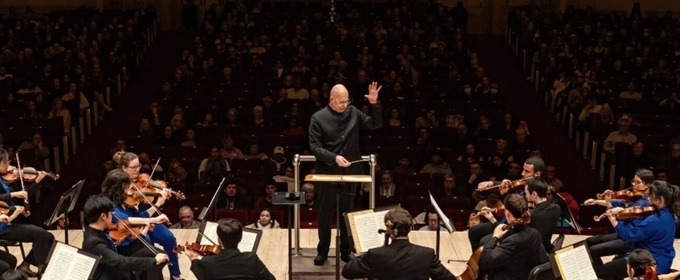
Not every programming choice felt inevitable—some pairings landed more naturally than others—but the overall architecture of the evening held. Reineke deserves credit here. He maintained momentum across stylistic shifts, and the orchestra played with clarity, particularly in the inner voices. Woodwinds were cleanly articulated, lower strings present without heaviness, and the brass used sparingly but effectively.
Late in the evening, Schwartz himself took the stage to a sustained ovation that felt entirely unforced. His remarks were brief, modest, and entirely in keeping with the tone of the night.
The emotional culmination came not in spectacle, but in simplicity. Schwartz sat at the piano and, joined by Johnson and Morrissey, performed “For Good.” After an evening of orchestral color and vocal power, the reduction to voice and piano was striking. His playing was direct, unadorned—less performance than statement—and it revealed, with unusual clarity, the underlying strength of the writing.
As a 43rd anniversary gala, *Changed for Good* was a success because it understood its subject. It did not simply celebrate Stephen Schwartz—it contextualized him, traced his evolution, and, at its best, illuminated the craft beneath the familiarity.
More importantly, it demonstrated that these songs endure not because they are ubiquitous, but because they are structurally sound, emotionally direct, and—when performed with this level of care—still capable of revealing something new.
That is a rarer achievement than most gala concerts manage.
—Peter Danish
Reader Reviews
Videos