


Review: THE PIANO LESSON is Haunting & Hopeful at Milwaukee Repertory Theater
This is the ninth of Wilson's American Century Cycle staged at the Rep
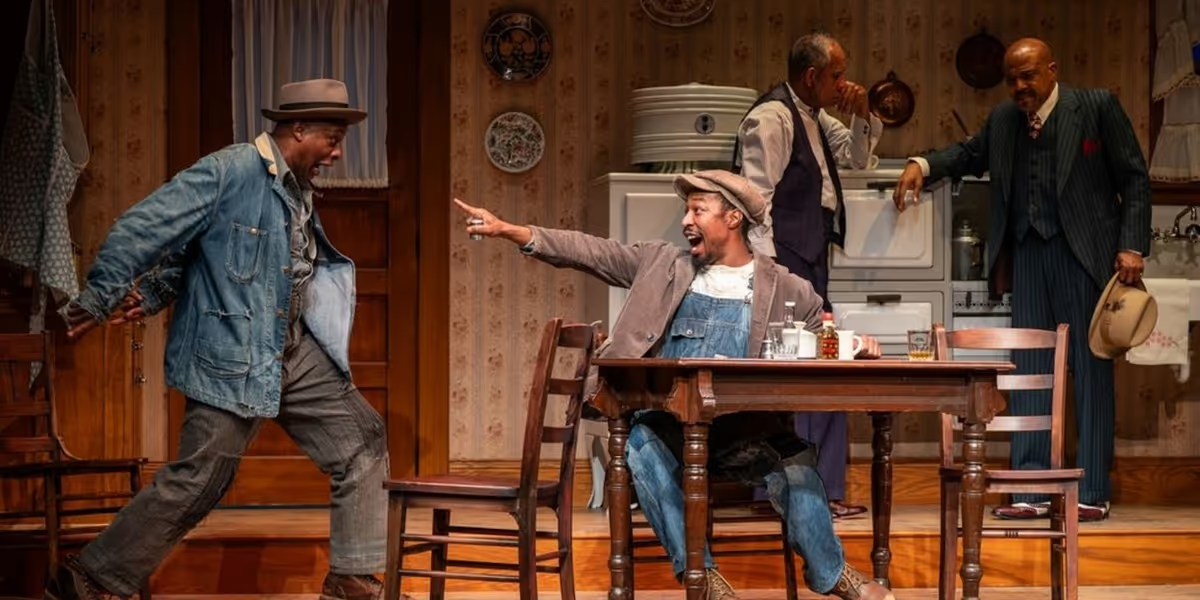
The Piano Lesson marks The Milwaukee Rep’s ninth production in Wilson’s American Century Cycle. For those unfamiliar, this stunning feat is Wilson’s magnum opus: a ten-part series of plays showcasing the African-American experience set in every decade of the 20th century. These plays are American classics, Pulitzer prize and Tony winners, and the Rep is working its way through. The Piano Lesson is Wilson’s 1930s tale, set during the Great Depression.
The play follows the Charles family as they wrestle with ghosts of the past (sometimes literally – more on that later) and hope for the future. Circa 1930, their family is only a couple generations removed from slavery.
The central conflict: sell the family piano to buy land, or preserve the piano as an heirloom. This piano has a fraught history with deep connections to the Charles family’s southern past. Boy Willie (James T. Alfred) wants to sell it and use the money to move onward and upward. His sister, Berniece (Nubia Monks), refuses to part with an object so integral to her family history. To her, ancestors dwell within the piano – metaphorically and then some.
This story of a haunting past vs. a hopeful future unfurls in poetic fashion. Beautifully written monologues and dense dialogues peel back the layers of the Charles family like an onion. The writing is thick with dialect, so audiences must bring their listening ears, or allow the prose to wash over them. It’s like Shakespeare in that way – you might not catch every nuance, but the key beats are evident. The Piano Lesson is also a three-hour play, so lots of time to sink into the storytelling.
All is not revealed at the onset. If you’re new to The Piano Lesson, you’ll be piecing together relationships and names for a good chunk of the play. It takes a while to confirm that Doaker Charles (James Craven) is indeed Boy Willie and Berniece’s uncle, not father. We meet Wining Boy (Lester Purry), another uncle, and Boy Willie’s friend Lymon (La'Tevin Alexander).
The performances of this Rep production, directed by Lou Bellamy, are excellent. Nubia Monks brings intensity, attitude, and a largely-unwavering hardness to Berniece. She’s so intense that when she does soften, the juxtaposition is lovely. James T. Alfred is a great foil, with his brash, fast-talking charisma.
For a play with such heavy themes, there’s a healthy dose of laughter sprinkled throughout, and this production makes the most of these. There’s a natural ease to James Craven’s Doaker Charles, and his ironing song is a favorite moment of levity to kick off the second act. Lester Purry also brings some laughs when Wining Boy shares his best pick-up lines. La'Tevin Alexander delights with physical comedy, sporting a bright green suit with ill-fitting shoes.
Then there’s Boy Willie’s fling, Grace. She’s played by Ny’ajai Ellison, who easily steals Grace’s only big scene – she’s a total hoot. Lastly there’s Avery (Anthony Irons), a preacher whose monologue about a dream that called him to serve God is beautifully relayed by Irons.
These speeches that appear throughout The Piano Lesson are a wonderful chance to slow down and enjoy the storytelling. Lighting designer Don Darnutzer prepares the audience for these moments with a shift in the warmth and concentration of lighting within Vicki Smith's rich and layered scenic design. Lighting also plays a big part in bringing the story’s supernatural aspects to life. Yes – it’s time to talk about ghosts.
Having had no prior experience with The Piano Lesson, I was surprised to discover this side of the story. There is a real haunting going on, though it is relatively subtle throughout 90% of the play. While there is mention of seeing ghosts in the Charles House, one can’t anticipate the wild ending of The Piano Lesson. It’s incredibly intriguing on paper, but can veer into over-the-top territory pretty quickly.
For this reason, the tone of the final scene is confusing in this Rep production. I’ve since concluded this scene is meant to be taken quite seriously – but spurts of laughter broke out in the theater, making me question what the production was going for. Should I be laughing? Am I missing something? I don’t think so. But why am I confused? I would be interested to see another version of The Piano Lesson on stage, to witness how this might be handled differently. This time, the play ended on a confusing note that hindered an otherwise impactful production.
Milwaukee Repertory Theater presents August Wilson’s The Piano Lesson,February 24–March 22, 2026. Pictured L to R: James T. Alfred, La’Tevin Alexander, James Craven, Lester Purry. Photo by Michael Brosilow.

Sign up for all the news on the Fall season, discounts & more...

|
"The Cherry Tortured" Milwaukee Repertory Theater (2/26-3/28) |

|
Sunday in the Park with George Lake Country Playhouse & Academy (9/24-10/11) |

|
Little Shop Of Horrors Lakeland Players (10/02-10/11) PHOTOS |

|
Heist Milwaukee Repertory Theater (11/17-12/20) |
|
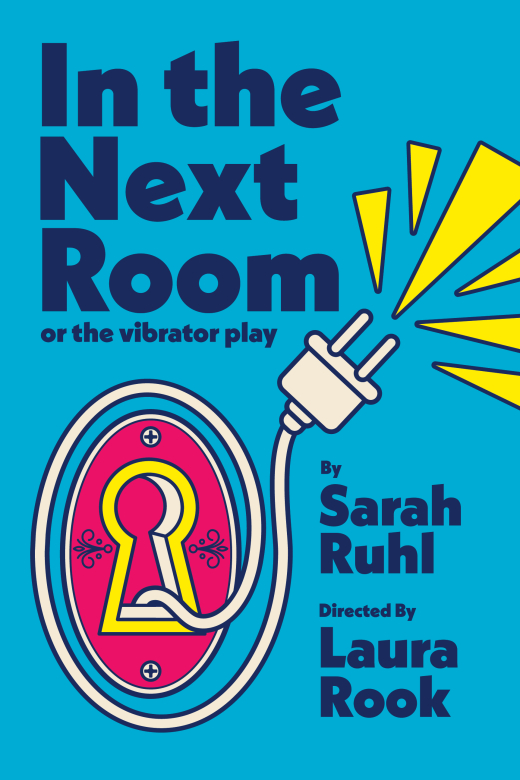
In the Next Room or the vibrator play Next Act Theatre (2/17-3/07) |

|
SIX (Boleyn Tour) Uihlein Hall at Marcus Center For The Performing Arts (2/02-2/07) |

|
A Gentleman's Guide to Love and Murder Skylight Music Theatre (3/12-3/28) |

|
'Twas the Month Before Christmas Sunset Playhouse (12/03-12/20) |

|
Matt Rife Fiserv Forum (11/07-11/07) |

|
Trayf Next Act Theatre (9/16-10/04) |


Reader Reviews
To post a comment, you must register and login.