


Interview: HERE LIES LOVE at Mark Taper Forum
insights and inspiration from star choreographer William Carlos Angulo
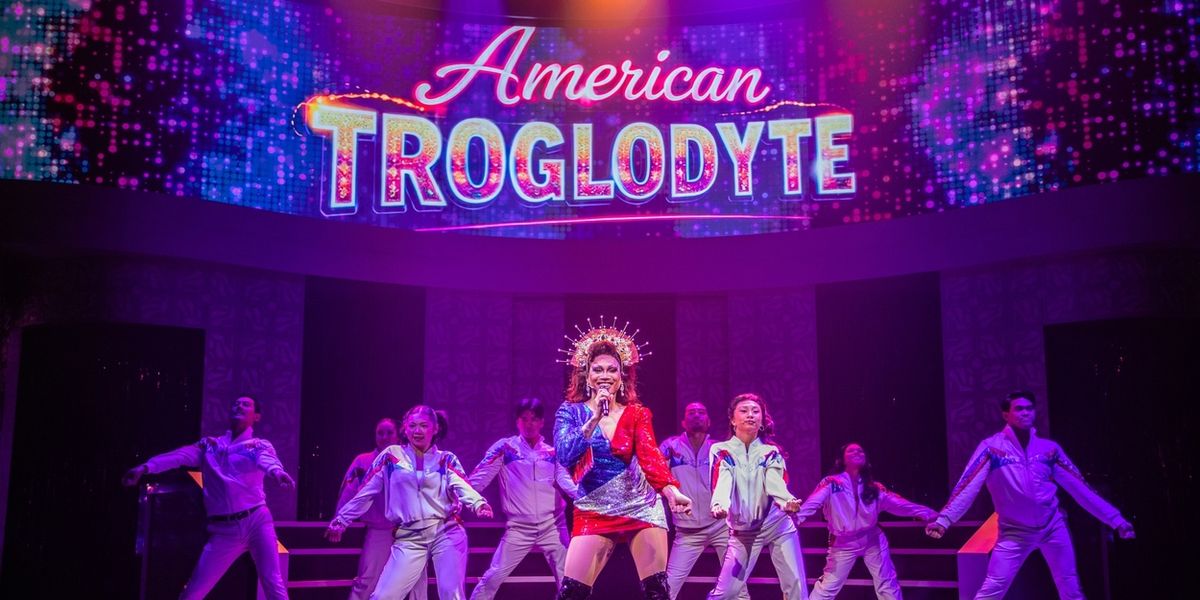
William Carlos Angulo is a choreographer with a hit show on his hands, Here Lies Love, extended at the Mark Taper Forum through April 5th. A look at Imelda Marcos and her regime in the Philippines through the lens of disco, electronic music, and a love for Filipino culture, Here Lies Love is bracingly unique, and talking with William Carlos Angulo about his inspiration for the show is a treat.
Here Lies Love is so distinctive. Even though I feel like we're living in an era when the musical sound has really expanded, this EDM sound I've never heard in a musical. Was there a challenge in working with this kind of music that's very different from our usual musical theater score?
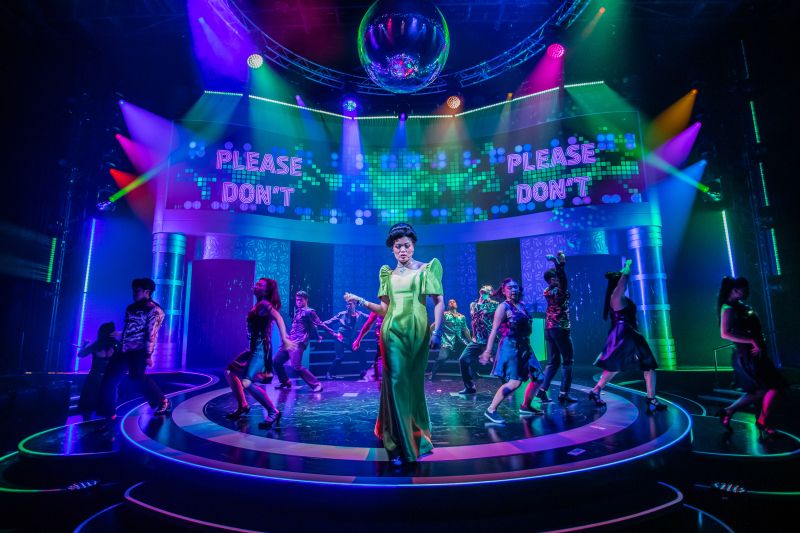 As I listen to the original album, what really jumps out to me is the groove. David Byrne called it disco-pop, and that’s part of my DNA as a dancer. The first classes I ever took were in funk and jazz funk, and the women I learned from were all rooted in that style.
I absolutely love disco. It’s funk, but it’s also about freedom, sexuality, and an innate femininity. In that era, men were wearing tight, colorful clothing, florals, sequins, and really embraced that side of themselves. There was this sense of leaving everything on the dance floor and letting the music take over your body. That became my entry point into building the movement and the style.
That’s fascinating, your observation about disco as an era of embracing femininity, not just for women but also for men, with all these different fabrics and colors and dance and expressiveness, and now it feels like, for the most part, we live in an era of very minimal femininity for all genders. What do you think that is all about?
I think the most straightforward, sociological answer is the AIDS epidemic. It came right after that period of sexual freedom in the ’70s, and I think the fear around it had a huge impact on how men expressed themselves.
That sharp shift from the ’70s into the Reagan era, combined with AIDS and a broader move toward conservatism, really changed what felt acceptable for people to express.
I studied sociology in college, and I still follow a lot of sociologists I love. Some queer sociologists point out that queer men today are often presenting in more traditionally masculine ways than they were even ten years ago… handlebar mustaches, flannels, etc. I wonder if that’s a response to the current political climate.
Tell more about your development process and about working with characters who are real people, some of whom are still alive.
I first need to mention my associate and longtime creative partner, UJ Mangune. This was our twelfth show together. She and I would start in the studio by finding the groove. I’d put on a track from the cast album and ask, where do I feel this in my body? The hips, the core? Once we located that, we built from there.
Some numbers are all men and some numbers are all women, so depending on what we were building, sometimes we’d start by building a femme phrase, sometimes a masculine one. But I noticed that when I tried to start with a masculine phrase, I got stuck. When I started with the feminine, it just flowed.
That’s when I realized the show needed to embrace femininity. It felt both beautiful and appropriate. Even though the central character caused real harm, the piece is still a celebration of Filipino culture and of femininity. That became essential to how I built the movement.
We were also deeply informed by history. Our dramaturg, Ely Sonny Orquiza, was incredible, and we drew from materials that accompanied the original album, where David Byrne talks about his inspirations. We approached each song by asking: what is this really about?
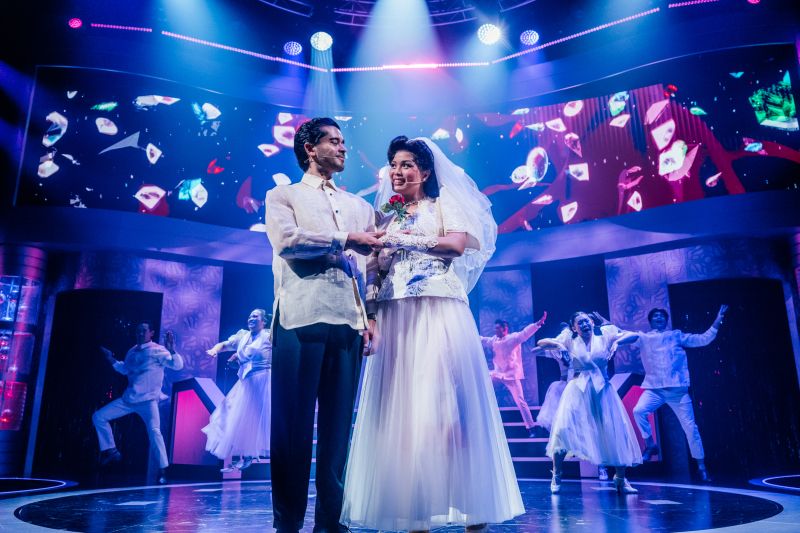
For example, “Sugartime Baby” is about their honeymoon and the press tour happening at the same time. It’s about being in love but also overwhelmed. The music feels rapturous, but underneath there’s pressure and performance. You start to see his control over her image, his womanizing, her shopping habits, and then we figure out where all of that lives in the music.
For me, choreography is always a response to a set of givens: what they’re wearing, who’s in the number, who’s driving the story, where the audience should look. Once those guardrails are clear, I can let my imagination take over. The steps are just the color filling in the lines.
As you are developing the choreography, do you record yourself doing video? Do you do sketches? How do you translate your ideas into something you can show people?
 That’s a great question. Our phones are an incredible tool. My associate, UJ, would record everything we did in the studio, especially when something came quickly and we wanted to capture it before it disappeared.
Sometimes the process is really fluid, and other times it’s slow and you’re working through it piece by piece. Once the material exists, it becomes a mix of video references and written notes.
In rehearsal, I had an incredible dance captain, Hayden Rivas. The three of us would divide the work… maybe I’d take Imelda and Marcos for a duet, UJ would take the femmes, Hayden would take the mascs, and then we’d regroup and build the full number together.
When you were working on the show, and you were exploring Imelda, did you feel like you related to her in certain ways, in certain periods of her life, or in some part of her journey?
There's something heartbreaking about that song that Imelda sings toward the end of the show, that lyric that she keeps on repeating, “Please don't let them look down like they used to do to me.” That really broke my heart every time.
She was so traumatized, rejected as a child, didn't have a mom, and was raised by her friend. She was rejected by society and ultimately that led to her becoming what she became. It’s like the saying about how kids who are bullied become the next supervillains. Hurt people hurt people. I feel like it's a real warning.
As a queer person of color, I have felt like I was not included in specific spaces, and I wasn't always given the same opportunities as some of my white colleagues who went to Ivy League schools. That's an easy trap to fall into. I've definitely been guilty of having those thoughts before. It is an important warning to always keep seeking and moving toward the light.
There is a striking number in the show where Imelda is taking these fashion magazines, and she's cutting out the faces, and she's putting her face in, and then all those dancers come out with her face.
The creative team was really focused on threading Imelda’s journey through the show in a really intentional way, and this moment shows a more sinister side of her. There is something a bit unsettling about her in this number, and we wanted the audience to see that this is a person who is capable of doing some seriously messed-up things. She is seeing the ideal woman's lifestyle promoted in magazines and on TV, and her goal is to be that person. I think it's really universal. I’m so glad that I landed this with you, because we were really hoping that when she pulls out those scissors, you see this deranged beauty.
Another number that really struck me was the one when Imelda shows up in New York and everyone’s dancing with disco ball, spacesuit-type helmets.
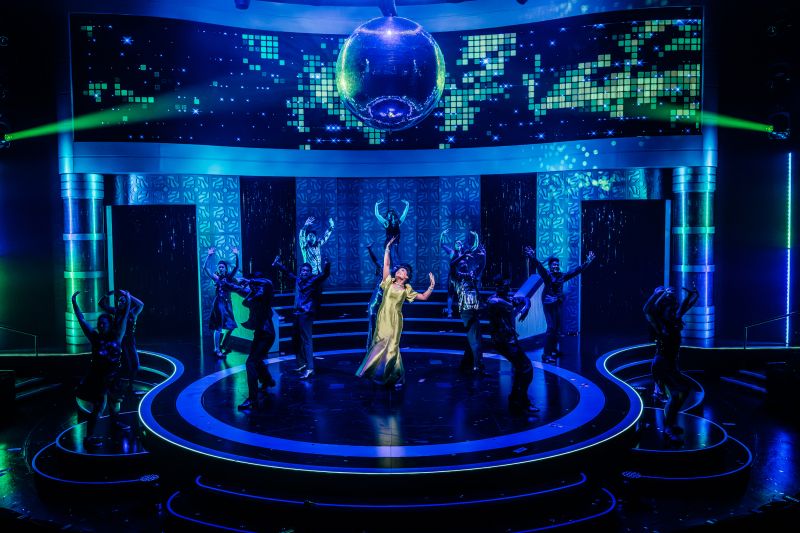 Imelda Marcos loved disco. She went to New York, spent time at Studio 54, and immersed herself in that world. I wanted the number to feel strange, seductive, and a little overwhelming, as if she’s being swept up in it.
This is also where disco enters the show, so it needed to carry that sense of freedom, that sense of sexuality, and the feeling that you can really let go. For someone who had been so controlled, I bet that kind of abandon was transformative for her. I bet it’s part of why she became so obsessed with disco.
There’s also something slightly alien about the environment. The disco helmets were actually director Snehal Desai’s idea. He brought all these different types, and once I saw them, I was like, we have to do this. Everybody in these helmets. She should just be surrounded by disco balls. It's the perfect way to introduce disco into the piece.
Here Lies Love has been extended at the Mark Taper Forum through April 5th. For tickets and more information, please click on the button below:
Weekly top stories - unsubscribe anytime.
|
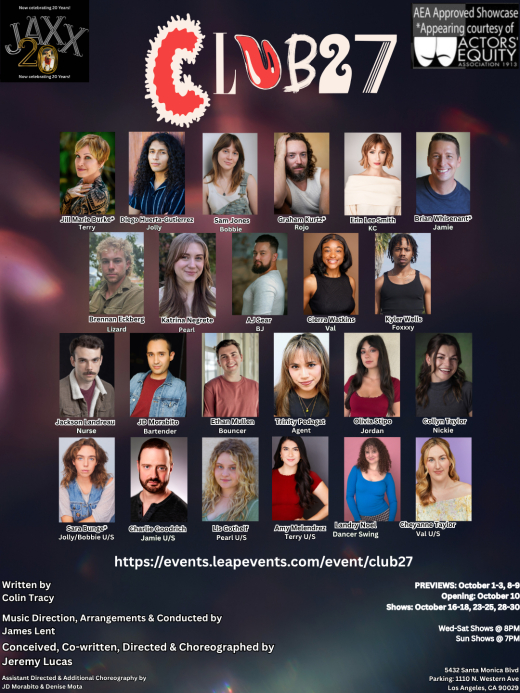
CLUB27 Jaxx Theatre (10/01-10/30) |

|
The Cottage North Coast Repertory (10/28-11/22) |

|
Woof Odyssey Theatre (10/03-11/08) |
|
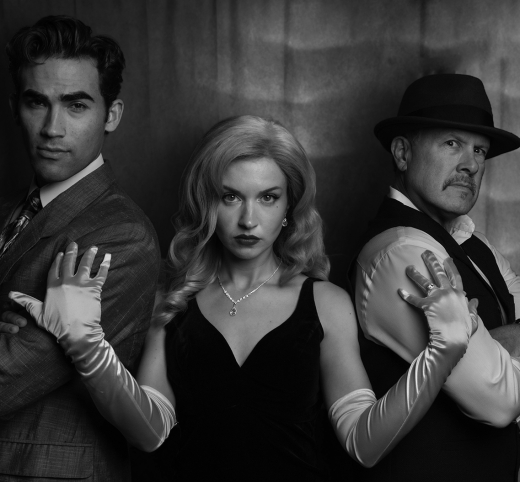
A Killer Night in Studio City Vitello's (9/06-10/31) |
|
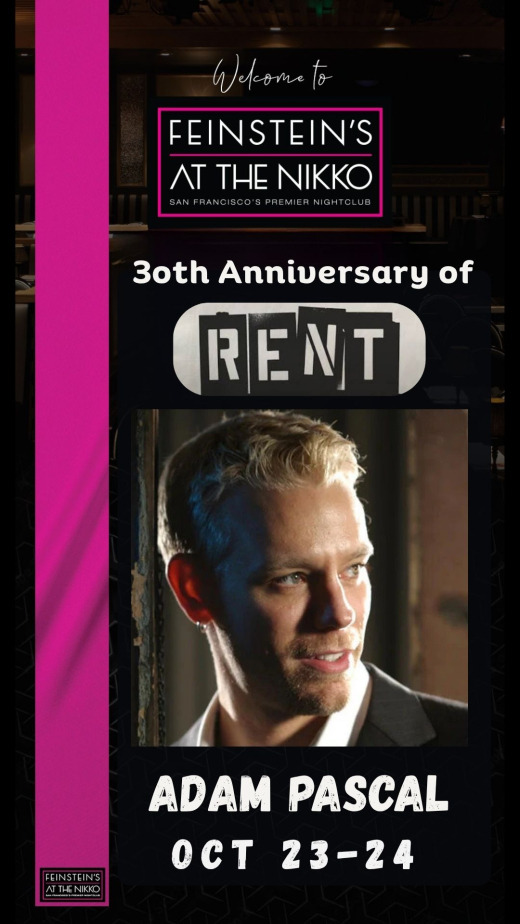
Adam Pascal Feinstein's at the Nikko (10/23-10/24) |
|
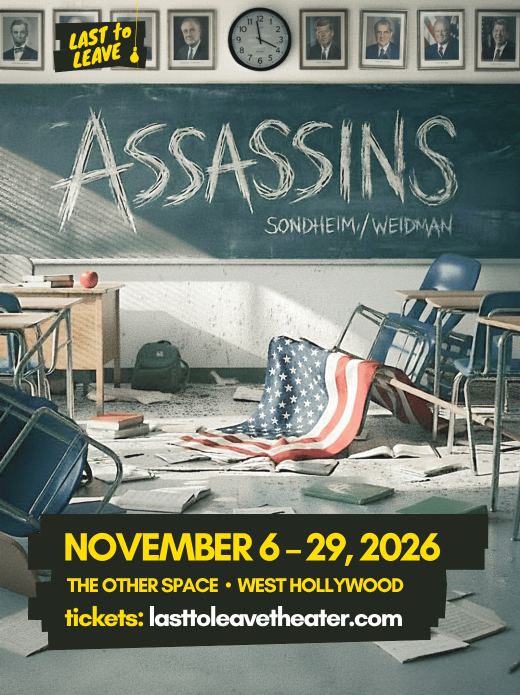
Assassins The Actors Company — The Other Space (11/06-11/29) |
|
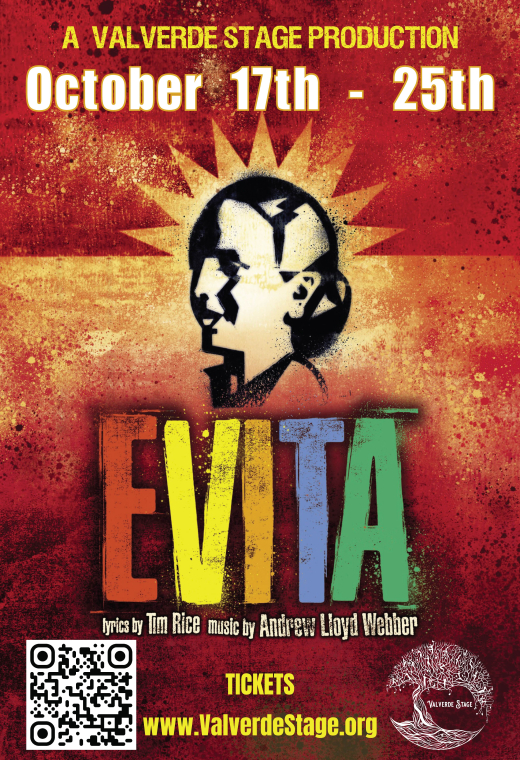
EVITA Valverde Annex (10/17-10/25) |
|
Studio Cabaret: Joel Gaines George Nakano Theatre (1/22-1/23) |
|
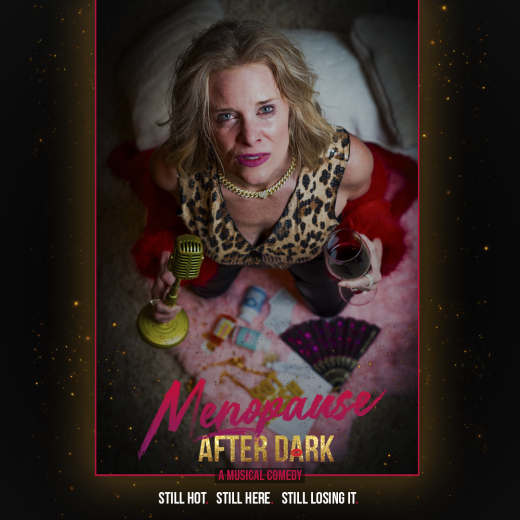
MENOPAUSE AFTER DARK: A MUSICAL COMEDY Regal Cinemas at Sherman Oaks Galleria (10/24-10/24) |
|
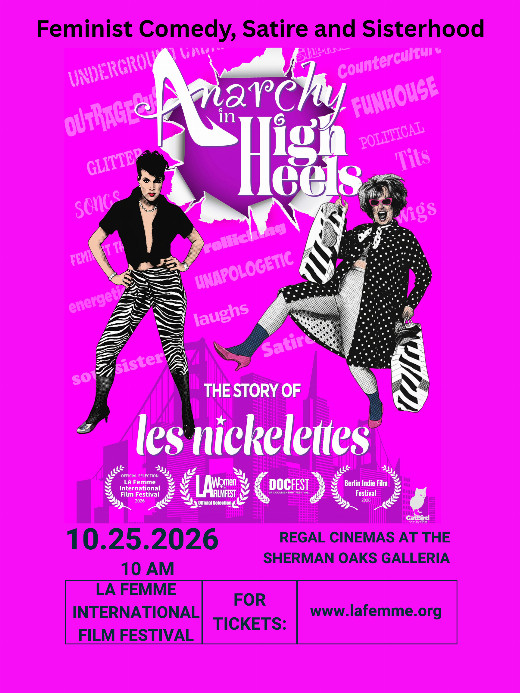
Anarchy in High Heels Regal Cinemas at Sherman Oaks Galleria (10/25-10/25) |
