


Review: 504: THE MUSICAL at Kilstrom Theater
504: The Musical runs at the Kilstrom Theater from August 6-23.
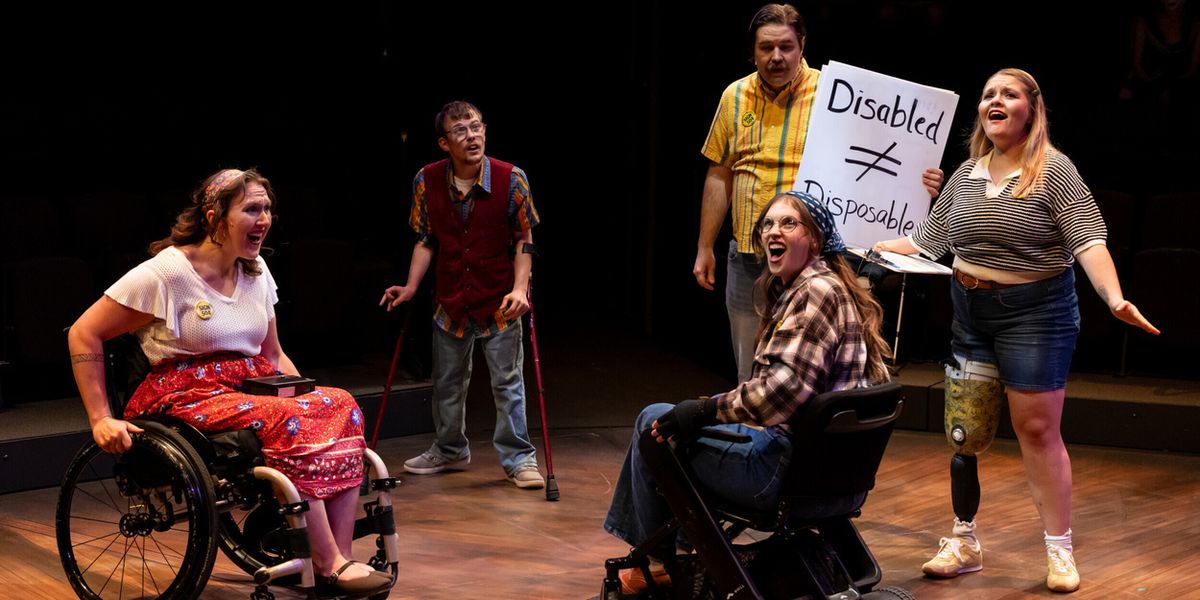
In 1977, a group of disabled activists peacefully occupied the San Francisco federal building in support of the signing of the first major piece of legislation that mandated enforcement of legal protections for the disabled community. 504: The Musical is a fictionalized version of the twenty-five day sit-in. The writers and directors of this show have assigned themselves a near impossible task: to tell the story of the historic protest in a way that honors history, modern culture, and identity while also being entertaining, accessible, and gets important facts correct. Luckily, the time, care, and effort of the cast and crew shines in this production and, like the sit-ins, achieves that goal.
504: The Musical is put on by Phamaly in partnership with DCPA. Phamaly is a theater company that serves as “a creative home for artists with disabilities”, meaning all of their plays center disabled people and stories who may otherwise be written off by the greater world of theater. Each member of the ensemble cast gives beautifully moving performances. Led by Jolee Harston as June and Leonard E. Barrett Jr. as Bruce, every member of the ensemble cast had at least one moment in the spotlight and took it with everything they had. A couple stand outs for me include Juliet Villa as Florence, Jen Anderman as Mary, River Hetzel as Emily, and Atlas Drake as Heather. Harston and Barrett Jr. show an immediately familiar relationship as two experienced activists who ultimately need each other’s experience with nuance and palpable respect for each other that made them an excellent pair. Villa delivers probably my favorite performance of the show as the initially understated Florence, an aspiring artist whose experiences with institutionalization make her initially hesitant to join the cause, but who becomes instrumental to its success. Anderman and Hetzel are each phenomenal comedic presences in their own right, Anderman as the lovesick Mary and Hetzel as the blundering and misguided journalist Emily. Drake gives a beautiful performance as a person struggling with having multiple complicated identities that makes it hard to not deeply empathize with her.
Before the show begins, director Ben Ranaan takes center stage with a self-depricating joke about his infamously long curtain speeches. Among his announcements about accessibility features that make the theater “the most accessible place on the planet” (which will be talked about more later), he brings attention to the immediate relevance of the musical we’re about to see. "When we chose this musical around this time last year, we thought we were telling history, but we're telling current reality.”
One of this show’s greatest strengths is the diversity of experience it puts on stage. Characters use a wide variety of mobility aids, cover all corners of the disability spectrum – including chronic illness, mental illness, and addiction and openly voice their wildly differing feelings about their circumstances. In one scene, a character encourages her comrades to show pride for the bodies and brains they’re in and claims that none of them would change even if they could. Another chimes in that she doesn’t feel that way at all and if she could make her chronic pain stop, she would. Another still adds that he was injured in a war he had no business being in to begin with. This is emblematic of the genuine care for disabled people that’s woven into the very fiber of this story. Regarding that care, only one character’s specific disability is ever explicitly named because it’s relevant to her needs in the story. This detail felt both intentional and important, especially against the backdrop of an impassioned speech about eugenics and one character’s past with institutionalization; it served to reiterate that disabled people are not our diagnoses and just want to live the same safe, happy lives as everyone else.
While the care and attention to disabled experiences is unquestionably a high point of the show, it can make the run feel slightly disjointed at times. Telling the story of a woman who was sexually abused while institutionalized next to another woman who joined the protest looking for a boyfriend is incredibly difficult and isn’t without its share of whiplash. Another downfall is seating – where I was seated on the mezzanine level, we lost some of our view of the stage, as some staging was directly below us. Ironically, this is also where wheelchair seating is located. Ultimately, neither of these things affected my overall enjoyment of the show, but the seating is something to be aware of.
Going to this show feels like an all-inclusive experience of disability history. Once show-goers get their playbills at the door, they’re greeted with a round hall around the theater space draped with banners detailing the actual people who participated in the sit-in in 1977. Be prepared to get there early or stay late to learn about these incredible activists! Before the show properly begins, director Ben Ranaan explains the smorgasbord of accessibility features including, but not limited to, a table handing out fidget toys in the lobby, three live caption screens around the stage, and icons indicating light, sound, and content warnings. He also tells the audience to inform the production if there are accommodations they need that aren’t met, and assures us they’ll be available at the next show. Furthermore, as it was opening night, there was a post-show reception with a button-making station and postcards featuring disabled activists. There was also a chili station to recognize the crucial involvement of the Black Panthers who, during the twenty-five day sit-in, organized and provided meals to the protesters sequestered in the federal building, which is a particularly poignant moment in the show.
In a word, this show is necessary. It speaks to both disabled people and their allies alike, focuses on the community necessary to make changes (and stay sane doing so), and discusses the inherent intersectionality of injustice beautifully. Seeing modern disability issues presented against history that predates the ADA was incredibly, indescribably moving. Ending on a powerful recording and painted banner of those present for the sit-in, 504: The Musical is a remarkable tapestry of the disabled experience.
Photo Credit: RDG Photography


Sign up for all the news on the Fall season, discounts & more...

|
Plot/Twist: A Show About Narrative Rise Comedy (2/06-2/05) |

|
Hadestown Buell Theatre (6/08-6/13) |

|
Cirque Kalabanté: WOW (World of Words) PACE Center (2/21-2/21) |

|
MAMMA MIA! Buell Theatre (5/11-5/16) PHOTOS |
|
Venus in Fur The Other Road Theater Project (12/04-12/12) |
|
Once Wolf Theatre (4/02-5/02) PHOTOS |

|
Five 5ths: Beetlejuice Band of Toughs: A Theatre Collaboratory (10/28-10/28) |

|
The Outsiders at Temple Hoyne Buell Theatre Temple Hoyne Buell Theatre (9/08-9/27) |
|
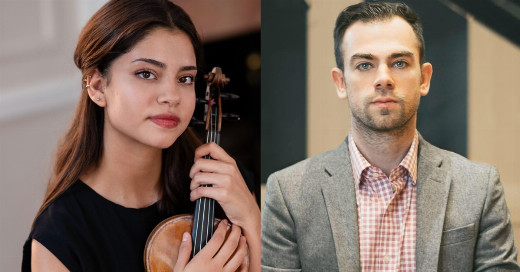
Violinist Bade Dastan & Pianist Mark Livshits at Center for Musical Arts Center for Musical Arts (11/13-11/13) |

|
Hank Williams: Lost Highway Aurora Fox Arts Center (12/04-1/03) |

Reader Reviews
To post a comment, you must register and login.