AI Film Contest Data Points to Where the Future of Cinema Is Taking Shape
The competition received 8,752 submissions from 139 countries and $500,000 in cash prizes to independent creators.
Written by: Tom White
The conversation about artificial intelligence in Hollywood tends to focus on what might happen. The data from a new global competition shows what is already happening, and it looks nothing like the boardroom debates.
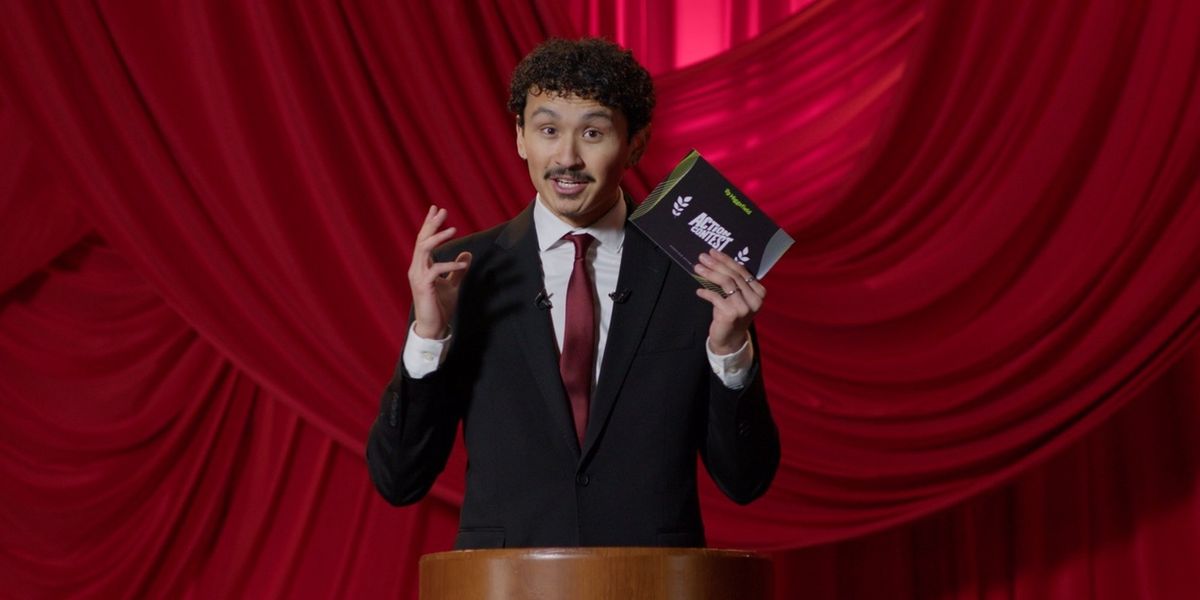
Higgsfield AI released the results of what is now the largest AI filmmaking competition ever held, with 8,752 submissions from 139 countries and $500,000 in cash prizes to independent creators. The findings offer the most comprehensive snapshot yet of who is actually making AI cinema, where they are, and what they plan to do next.
The geography alone tells a story that the usual Los Angeles centric conversation misses entirely. India submitted 1,805 films, nearly double the United States count of 1,041. Germany, France, Italy, Brazil and the United Kingdom rounded out the top territories. This is not a statistical blip. India is now the world's largest market for generative AI app downloads, with adoption rates climbing 340 percent in the first quarter of 2026 alone.
When production grade visual effects tools become available for the cost of a monthly subscription, creative talent that was previously locked out of cinematic storytelling enters the market at scale. The competition data proves that when those barriers are removed, creators from 139 countries compete not just competently, but at the highest level.
“It's a turning point for the creator community,” said Alex Mashrabov, CEO of Higgsfield. “What our creators are producing right now is defining the future of media and entertainment. The sheer scale of this contest signals that the next great blockbuster franchise won't necessarily come out of LA or Paris, it can come from anywhere on Earth.”

First place went to new creator-directors Muhannad Nassar and Simon Meyer for GRANDMA vs WASP. The two had never met in person, but chose to collaborate instead of compete, completing the film through a 24-hour relay across time zones. Their cross-continental, remote-first production ultimately won first place among nearly 9,000 entries.
Second place went to Nikolay Shestak for CUPID, a chilling short built around the premise that aggression has become the norm and silence must be restored. Unlike many AI newcomers, Shestak is an established actor and filmmaker from traditional cinema and television, demonstrating how AI is also enabling experienced creators to realize projects that conventional budgets might never support.
Third place went to brothers Ash and Aram Gevorkyan for SCRATCH. Shestak plans to use part of his $100,000 prize to fund a gritty, R-rated post-Soviet superhero film set in 2001. “Every dollar I make goes right back into my films,” he said. “This prize isn’t just an award — it’s a lifeline for independent artists.”
Across the competition’s top finishers, a clear pattern emerged: winners are reinvesting their prizes into new productions and increasingly ambitious projects. One top winner is even channeling funds into a feature film that has drawn interest from a major Hollywood figure who has publicly expressed skepticism about AI in cinema — a reminder that industry debate and private collaboration are often two different realities.
The jury prioritized storytelling and directorial vision over technical polish, signaling where AI filmmaking may be headed. The panel included a VFX veteran behind work for Bad Bunny and The Weeknd, an Emmy-nominated filmmaker, and an AI creative educator with more than 800,000 Instagram followers.
"This is the best-looking AI film contest I've ever seen," said PJ Ace, founder of Genre.ai. "Higgsfield's Cinema Studio and Soul really leveled the playing field, making it easy for filmmakers to focus on the story and less about the technical aspects."
The broader market data reinforces the trajectory. The AI video generator market reached $946 million in 2026, up from $717 million just twelve months ago. Venture capital investment in AI video startups hit $4.7 billion in 2025, a 189 percent increase from 2023. Enterprise spending on AI video platforms grew 127 percent year over year.
The question facing the entertainment industry is no longer whether AI tools will be used in filmmaking. It is whether the traditional system will adapt fast enough to integrate the global creative class that is already using them, or whether that creative class will simply build around it. The competition data suggests the answer may not come from Hollywood boardrooms or union halls. It may come from any of the 139 countries that just proved they do not need permission to make movies.
Photo Credit: Higgsfield



Sign up for all the news on the Fall season, discounts & more...
.jpg?format=auto&width=300)