


Epiphone to Launch THE JOURNEY Video Series Featuring European Artists
Guitar maker's series follows artists through writing, rehearsals, touring and performing across Europe.
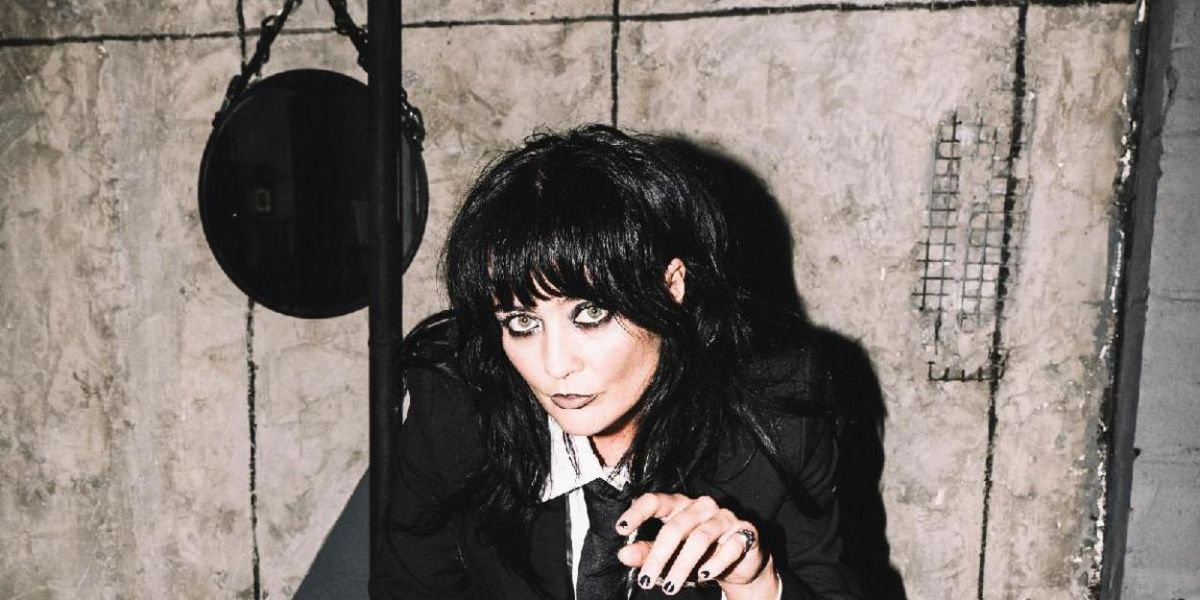
Epiphone has premiered The Journey, an ongoing video series that follows artists across Europe as they write, rehearse, travel and perform. The series captures the work, friendships, resilience and defining moments that shape a musician's path, according to the announcement.
Launching in the series this week is Kitty A. Austen, vocalist and guitarist of UK alternative band Saint Agnes. Her episode presents a portrait of an artist for whom the guitar is, according to the release, far more than an instrument. The series also features Reuben Moonasar, bass player for British rock band Dead Air, and Jiri Taihuttu, frontman and guitarist of Dutch band De Nachtwacht. Upcoming episodes will feature Plumes and Alessi Rose.
The Journey moves from rehearsal spaces and writing sessions to backstage corridors and live performances, following three distinct musical paths united by a shared commitment to creative expression, the transformative power of performing live, and the communities and friendships formed through music.
'The Epiphone promise is For Every Player, For Every Stage, and The Journey brings that promise to life,' says Lee Bartram, Head of Commercial, Marketing, and Cultural Influence at Gibson EMEA. 'These films celebrate more than the performance. They reveal the dedication, resilience, and relationships behind the music—and the many different ways an artist can define success.'
Across The Journey, Epiphone meets musicians in the places where music happens: bedrooms and rehearsal rooms, studios and vans, backstage corridors and festival stages. Each film asks what it means to create a life in music, and what success looks like when measured not only by audiences, streams, or sold-out shows, but also by artistic growth, personal connection, creative freedom, and the determination to keep moving forward.
Kitty A. Austen of Saint Agnes
Kitty A. Austen takes center stage in the premiere episode of The Journey. From receiving her first Epiphone Les Paul Junior as a child to commanding major festival stages with Saint Agnes, Kitty's story embodies the evolution at the heart of the series. In the film, she recalls playing guitar and dreaming of performing to huge audiences—dreams that have since become a reality, with Epiphone remaining part of her journey. Today, Kitty plays an Epiphone Explorer, an instrument she describes as both iconic and inseparable from the intensity of her performance style.
'I have the kind of guitar that should be played at big shows,' says Kitty. 'I crank up the amp, and you have to listen to me.'
As Saint Agnes' creative axis, Kitty helps shape every dimension of the band's world—from its music and production to its visual identity and live performances. Alongside bandmates Jon James Tufnell and Andrew Head, she has helped Saint Agnes build an international following through releases, streams, and appearances at festivals including Download, 2000trees, and Hellfest.
The episode also explores how music became a lifeline for Kitty following the loss of her mother. Working closely with her bandmates, she transformed a difficult period into art with meaning and purpose.
'Being able to make something really meaningful from the worst experience of my life helped me come to terms with what happened,' Kitty explains. 'It was a lifeline.'
For Kitty, success is not a distant destination or a single career milestone. It is the ability to create music, play shows, make albums, travel, and share the experience with her closest friends.
'My life is music, and to me, that's the success,' she says. 'It is the journey. It's not the destination. We are living it. We're doing it. This is it.'
Reuben Moonasar of Dead Air
In another installment of The Journey, Epiphone follows Reuben Moonasar, bass player for Dead Air, from the band's writing and rehearsal space at Treehouse Studios in Cranleigh, Surrey, to a live performance at EartH in Hackney, London. Reuben discusses the creative freedom behind Dead Air's EP, World Wide Villainy, the focus required during pre-show rehearsals, and the realities of balancing life in a touring band with everyday financial and professional pressures.
'Not only are we far away from anyone, so you can just make as much noise as you want—it lets us be as creative as we want to be,' Reuben says. 'I think that's completely changed how we write.'
Reuben plays the Epiphone Grabber Bass in Ebony and the Epiphone Mike Dirnt Grabber G-3 in Silverburst, instruments that complement his full, aggressive approach to rock and punk bass. Dead Air guitarist Lyle Broom plays the Epiphone Inspired by Gibson Custom 1963 Firebird V in Cherry.
Beyond rehearsals and gear, Reuben's episode captures the less visible side of being in a working band: paying bills, fitting jobs around touring, and finding the determination to continue during periods of uncertainty. For Reuben, the answer lies in the friendships, conversations, and shared experiences between shows—as well as the connection created with an audience.
'Looking out at the fans and seeing them going absolutely feral—that moment, you're just lucky,' he says. 'My whole life is music, and that's all I want it to be.'
Jiri Taihuttu of De Nachtwacht
The series travels to Amsterdam to meet Jiri Taihuttu, frontman and guitarist of De Nachtwacht, whose relationship with the guitar has taken him from music school at the age of seven to the center of one of the Netherlands' most promising new bands. Previously known for his work in hip-hop, Jiri made a deliberate artistic shift toward a band built around interplay, musicality, and live performance. De Nachtwacht's Dutch-language music moves between pop, soft rock, and funk, balancing classic songwriting with a contemporary perspective.
'The guitar is inseparable from who I am,' says Jiri. 'It's in my DNA. From the moment I'm onstage, everything just falls away. I'm not Jiri Taihuttu anymore. Then I'm De Nachtwacht—and I'm in my element.'
During De Nachtwacht's Amsterdam performance, Jiri plays an Epiphone Inspired by Gibson Custom 1963 Les Paul SG Custom with Maestro Vibrola in Classic White, while guitarist Dani Kaag plays an Epiphone Inspired by Gibson Custom 1964 SG Standard Reissue with Maestro Vibrola in Antique Pelham Blue.
For Jiri, success begins with the freedom to continue making music.
'What is success? For me, it's hard to define,' he says. 'I'm doing what I enjoy. Music. That already feels like success. Period.'
About Epiphone
Founded in 1873, Epiphone has spent more than 150 years shaping the sound of modern music. From its Ottoman Empire origins crafting lutes and fiddles to defining the Jazz Age in America with archtops and making 1960s London swing, the Epiphone legacy is built on craftsmanship, innovation, and creativity. Its instruments have powered the music of The Beatles, Les Paul, John Lee Hooker, Alex Lifeson, Oasis, Nancy Wilson, Lzzy Hale, Gary Clark Jr., Jared James Nichols, Emily Wolfe, Yungblud, and many more. Today, the brand offers instruments backed by Gibson quality standards and a lifetime guarantee. For more information, visit Epiphone.com.


Sign up for all the news on the Fall season, discounts & more...


.jpg?format=auto&width=365)




