


Review: MAHLER 5 WITH DUDAMEL AND THE NY PHILHARMONIC at Geffen Theater
A new season opens with a world premier and a warhorse.
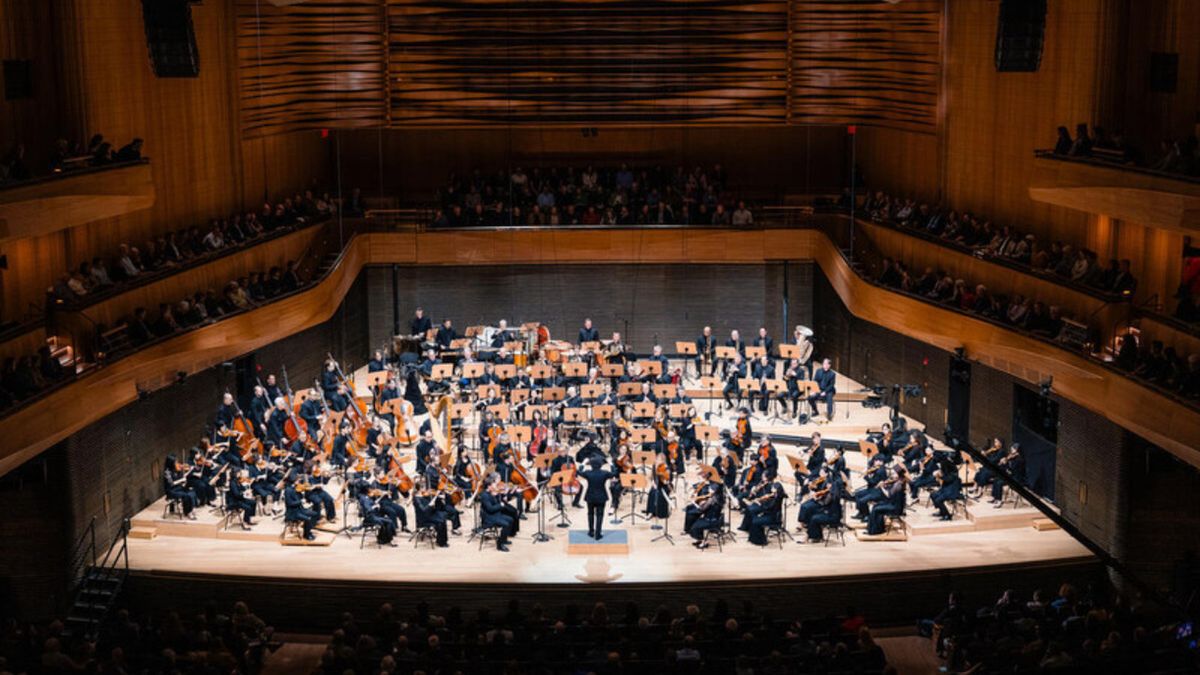
Dudamel's Mahler Fifth Announces a New Era at the Philharmonic
David Geffen Hall, Friday, September 25, 2026
Gustavo Dudamel's first full season as the New York Philharmonic's music director opened on Friday with a program pairing a brand-new commission with one of the great warhorses of the symphonic repertoire. The new piece was pleasant. The warhorse, in Dudamel's hands, was sensational.
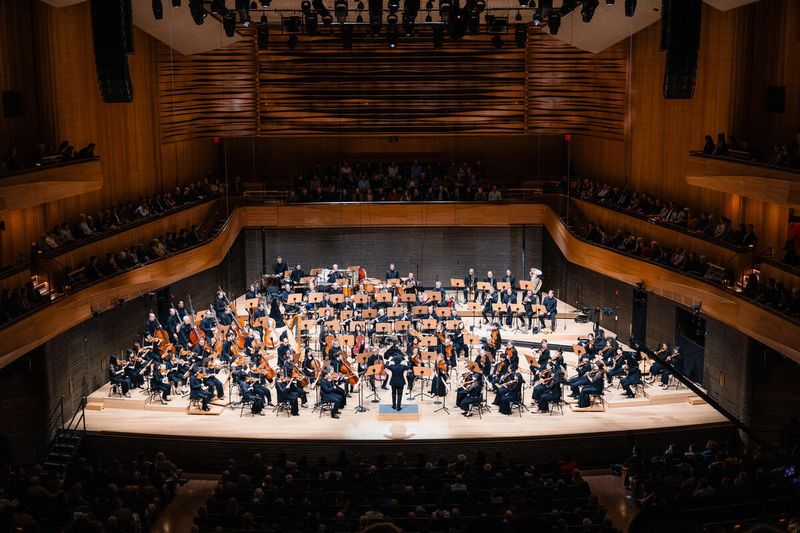
The evening began with the world premiere of Tania León's Imágenes mestizas, a Philharmonic commission. León, the Cuban-born Pulitzer winner and longtime fixture of New York's musical life, has always been a composer of synthesis. Her music moves easily among Afro-Cuban rhythm, European concert tradition, and the American vernacular, and the title, which points to blended and mixed identities, suits that inclination.
The piece delivers what one expects of her. The orchestration is colorful and the rhythms are supple. Percussion and winds are treated with obvious affection, and there are lovely moments where the strings settle into a warm, glowing haze. Dudamel, a natural advocate for this idiom, led the orchestra with evident care, and the players responded with crisp, idiomatic playing.
Still, this was a nice piece rather than a special one. It pleased the ear without making a claim on the memory, and I left with a handful of attractive textures but no single idea I could hum on the way to the subway. Its greatest flaw is one of proportion. The music seemed to have only just begun when it was over, and just as the material started to develop and suggest deeper places to go, it arrived at its close. It was more an appetizer than an opening statement. The audience received it warmly, and León, who took her bow from the stage, earned every bit of the applause.
After intermission came Mahler's Fifth, and here the evening became something else entirely.(1).jpg?format=auto&width=800)
The first movement, the funeral march, started a tad sluggish and underpowered. The trumpet's opening fanfare was clean enough, but the orchestra's response felt cautious, with the weight of the procession a little short of the crushing inevitability the music demands. For a few minutes one wondered whether the hall, or the occasion, was weighing on the ensemble. Then something shifted. The strings dug in, the brass found their ring, and by the time the movement lurched into its first great outburst of grief and rage, the performance had caught fire. From there it never let up.
The second movement, stormy and violent, was played with ferocious commitment, the orchestra tearing through its abrupt mood swings with real abandon. Dudamel has a gift for making Mahler's sudden collisions of tragedy and irony feel dramatic rather than merely chaotic. The Scherzo was buoyant and full of swagger, its waltzes tipped slightly off balance, with the horn writing thrillingly front and center. There was wit here, and a joy in the sheer sound of the orchestra that has not always been a hallmark of this ensemble in recent decades. The orchestra played as though it had been waiting for this.
The famous Adagietto, so often either wallowing or rushed, was gorgeously judged. Dudamel kept it moving without ever letting it lose its tenderness, and the strings sang with a hushed, aching sweetness, the harp sounding like a whisper under the long, arching lines. It was intimate, and the audience seemed to hold its breath for the entire span.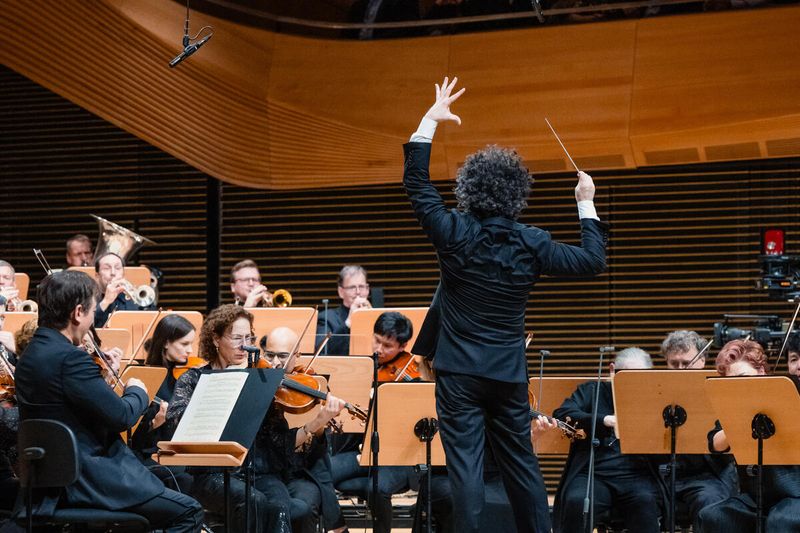
Then came the finale, which was revelatory. Too many conductors treat this movement as a cheerful victory lap, a noisy exhale after the emotional labor of what came before. Dudamel found something far more interesting. The opening emerged from the Adagietto's afterglow like a slowly clearing morning, and the contrapuntal writing, so dense and playful, was articulated with astonishing clarity. Every line registered, and the movement's joy felt earned rather than assumed, hard-won and fragile, with just a hint of the shadow that had haunted the symphony from its first bar. When the chorale returned in full glory, it felt like the true resolution of the entire work, not just a loud ending. The final pages were exhilarating, and the audience was on its feet before the last chord had finished ringing.
It was, in short, a landmark performance. Dudamel's baton technique is expressive but never showy, and what came through was a deep trust between conductor and orchestra. The Philharmonic has a proud history with this composer, having been led by Mahler himself and later by Bernstein, and Friday's performance seemed to reclaim that legacy with confidence and fresh eyes.
If this concert is a guide to what lies ahead, New York is in for a remarkable era. The opening premiere may have been modest, but the Mahler made a promise, and it is one worth holding the orchestra to.
Peter Danish
Photos: Brandon Potoc
Sign up for all the news on the Fall season, discounts & more...
|
American Composers Orchestra: New Virtuoso: Low End Theory at Carnegie Hall Carnegie Hall (3/18-3/18) |
|
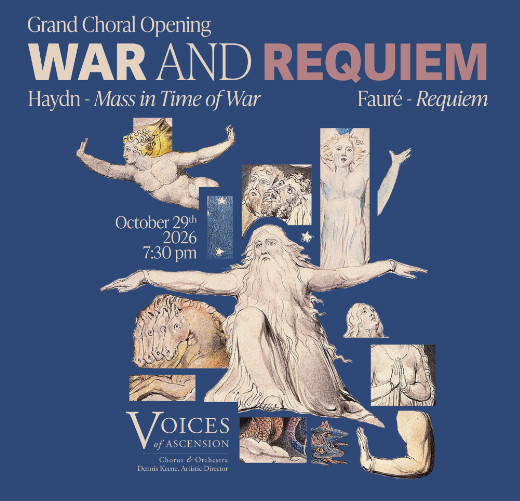
Grand Choral Opening: War & Requiem Church of the Ascension (10/29-10/29) |
|
New York Festival of Song: First-Name Basis New York Festival of Song: First-Name Basis (10/20-10/20) |
|
Carnegie Hall Presents: Santiago Cañón-Valencia and Victor Santiago Asuncion Carnegie Hall (11/10-11/10) |

|
NYFOS Next: This Now Naked Life The Theater at 150 W 17th Street (11/15-11/15) |
|
American Composers Orchestra: Hello, America: We Gather Here at Carnegie Hall Carnegie Hall (10/27-10/27) |

Reader Reviews
To post a comment, you must register and login.