Interview: Tom McCamus of DEATH OF A SALESMAN AND WAITING FOR GODOT at the Stratford Festival
Tom McCamus, a Stratford Festival veteran of 19 seasons, is taking on two iconic roles this summer.
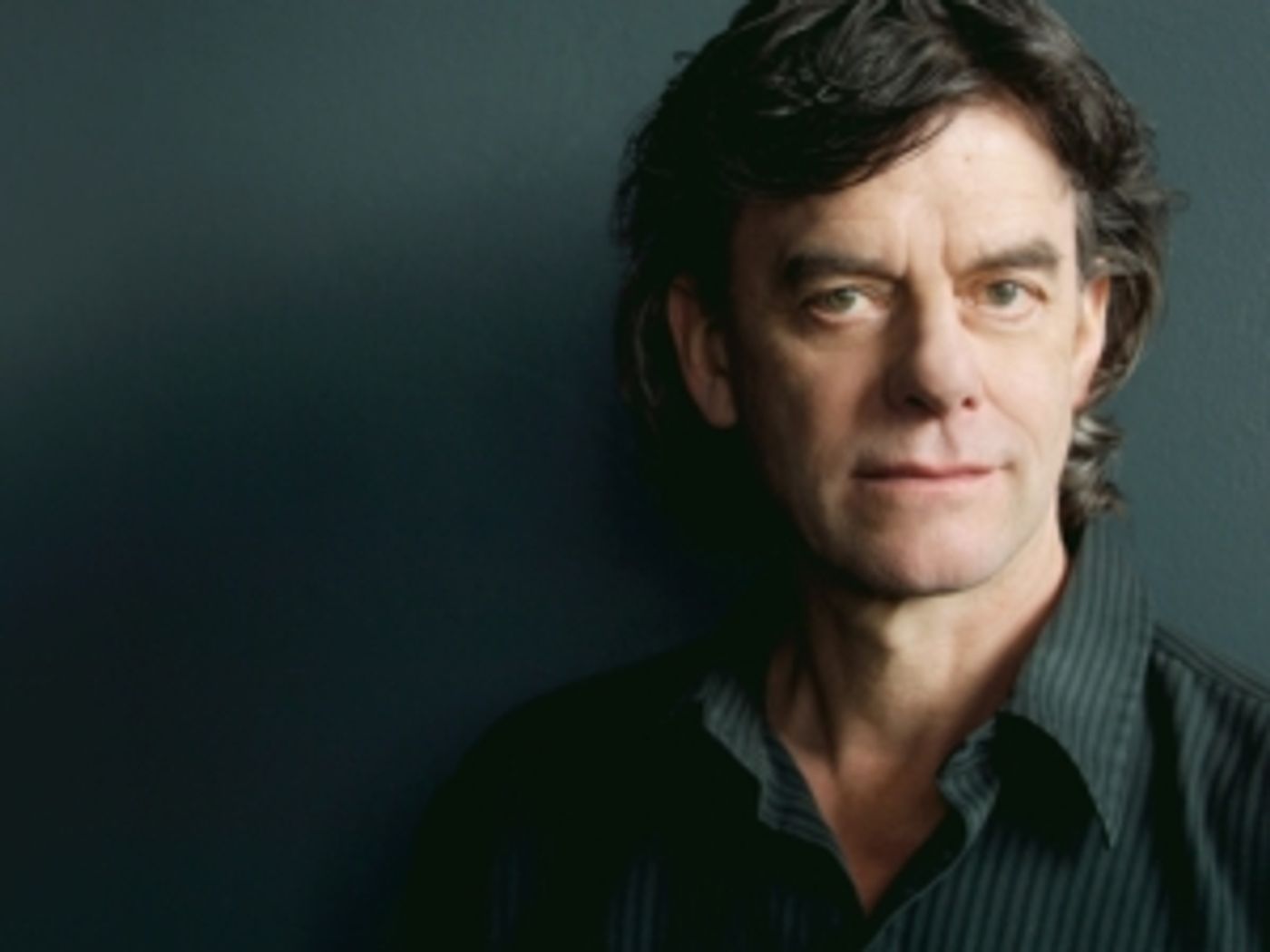
Tom McCamus, a Stratford Festival veteran of 19 seasons, is taking on two iconic roles this summer. In Death of a Salesman, McCamus plays Arthur Miller’s travelling salesman Willy Loman, a relic of an earlier era whose delusions about his place in the world and his family’s prospects prove self-destructive. Thirty years after playing existential tramp Vladimir in Samuel Beckett’s Waiting For Godot, McCamus swaps roles, returning to the eternal vigil as Estragon. BroadwayWorld spoke to McCamus about playing two characters who represent humanity’s fears of stasis and obsolescence, but who themselves live in the present tense.
BWW: You're playing two characters, both Willy Loman in Death of a Salesman and Estragon in Waiting for Godot, who even though they're very active characters, they're both stuck in this kind of stasis, where things cycle, and they find it very hard to change. What's it like to play two characters that are stuck in this way, and how do you differentiate their journeys?
McCAMUS: They are both very different characters, and if you basically play the character that's written, that takes care of getting confused about them. But yeah, they're both waiting for something that's never going to come. I think that the prime difference between Estragon and Willy is that Estragon, he has a memory problem, so he can never remember where he is or when it is. So he's even forgotten that he's waiting for that. He’s living more in the moment until he's reminded by something. Whereas Willy's always looking for that thing, all the time.
Other people say it's not going to come, but he's not going to believe it's not going to come, so he's fighting for something all the way through. So their drive is very different.
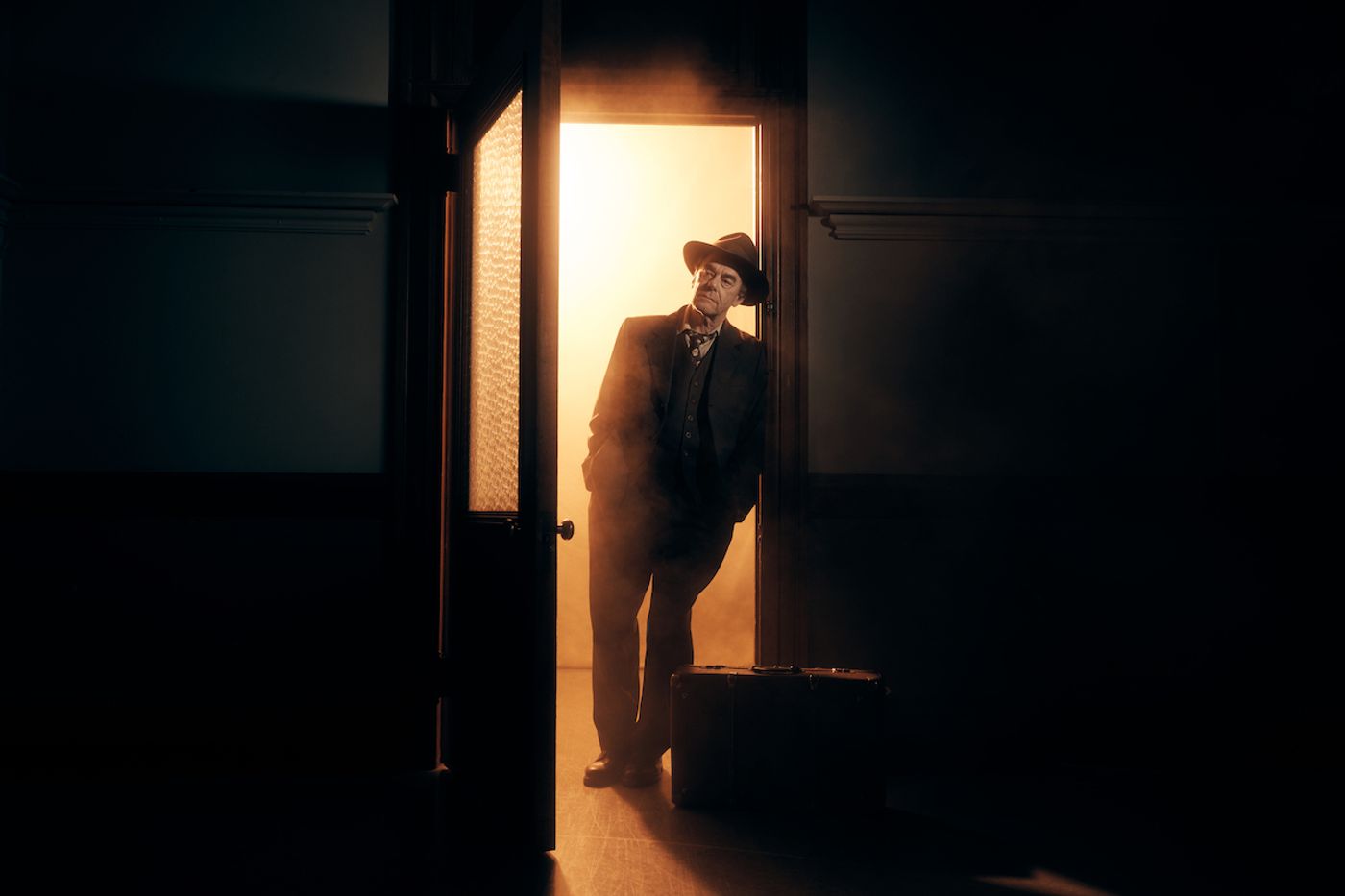
BWW: Willy is always looking for something in the future, but he's more and more stuck in the past.
McCAMUS: Yeah, but he doesn't necessarily realize that, actually. You know, he believes that's what it's about. He never really questions himself, or he never questions that dream that he's looking for. He is somewhat tortured, but there's a kind of positive energy to him all the way through. He's more like Vladimir from Godot, actually. Vladimir's got a real positive energy, like, you know, it's going to happen, it's going to happen.
BWW: When I think about Willy, and I think about his positive energy, I think of that scene near the end of the show where Willy understands that his son Biff loves him, or at least believes that Biff loves him, and he's so happy. I keep returning to thinking about King Lear with that line about Gloucester recognizing his son, “his heart burst smilingly.” Because it's so beautiful at the end, but also so tragic. Both of these plays in their own way are very cyclical, and in the case of Salesman, there’s a familial cycle, fathers and sons where the sons either become the father, or rebel against becoming the father. What was it like building those family relationships in this production?
McCAMUS: Again, it's a great play, and the writing's so beautiful that you understand about fathers and sons. Like, all I have to do is do those scenes, and my father comes to mind. My father was a businessman, and we argued all the time. I mean, ultimately, we didn't end up that way. My father had dementia, too, so whatever that is that Willy's going through, whatever, you know, because you can't put a label on that kind of thing, but it certainly has the forms of dementia in it, I recognize my father. But those arguments that Miller has written, I didn't have to work at that, I just I understood that in my soul, because I lived through that with my father.
When you're doing great plays like that, and Godot, the writing's so beautiful that as long as you can find the truth in it, they just take care of you.
The difficult thing about Salesman is that it's about going from the past to the present all the time, because Willy's living in both at the same time. And that whole first act basically is just, well, if the reality is that Willy's just sitting in his living room talking to himself, how do you create that and jump into the reality of being with the boys and playing football and things like that? That's the difficult thing, when he's in and when he's out, and how you create that.
BWW: So both of these shows seem to be about this desire for control over a universe that's not going to let us control it, and how we react to a universe that's capricious and strange, despite our best efforts to control the narrative.
McCAMUS: Right.
BWW: And both of these plays are gorgeous plays, but they're not easy plays. Sometimes people describe Godot as kind of slow and deliberately ponderous, and of course, Death of a Salesman is an epic in its own right. How do you deal with two shows that are so emotionally and intellectually heavy?
McCAMUS: The thing about Godot that a lot of people don't realize sometimes is how funny it is. That’s because the characters are basically clowns, and there's all those kinds of routines. Some of them work, some of them don't. But that's the beauty…when you're doing that and you're getting that response from the audience and the humor of it, that's uplifting, so it's not really difficult to do.
Both these plays, the characters I play, are on pretty well throughout, from the beginning to the end, so it takes an awful lot out of you as you get older. It was the rehearsal process that was actually the toughest, trying to figure it out, and trying to go into one play, and then all of a sudden, the very next day, go into the next play, rehearsing that, and going, which one am I in? And actually, there are a couple of lines that are almost exactly the same in both plays.
I always find when you're doing these plays, once you get them up and run them, and you play them in front of an audience, they take an awful lot to do, but they're not as draining for the actor, necessarily, as they are for the audience. Because the audience is going through it, but for the actor, there's kind of an exhilaration, and whatever emotion is inside you, you get to get it out. And so by the end of it, you're relieved, and you're going to have a drink, and it's fine, but you don't necessarily feel exhausted other than some of the physical things if you're running up and down. But emotionally, it's not that exhausting. We did Long Day’s Journey Into Night a number of years ago, and the audience was devastated. We were just happy, we were just going, let's go have a drink. Because we got to get it out on the stage.
BWW: You're returning to Godot after 30 years, after playing Vladimir in 1996, and similarly, you've gone from playing Arthur Miller in Salesman in China in 2024 to playing who is arguably his most iconic character. First off, what is it like to revisit Godot in the alternate role to the one that you originally played?
McCAMUS: I mean, I love doing that play, and when Stephen Ouimette and I did it 30 years ago, we did two years. We did one year, we had a break, and we did it for another year. So when Paul [Gross] talked to me about it, I thought, well, that'd be great, and I figured that he was going to play Vladimir, certainly when I looked at it. And as I looked at the script again, I couldn't remember any of the Vladimir lines. I went, I don't remember saying any of that stuff. But I remember every one of the Estragon lines, because I've been listening to Stephen speak it to me for two years of performance. And so it's amazing what kind of memories you have after all those years.
My performance in Godot is a lot of Stephen, which is not a bad choice to have, because he's such a fantastic actor. So, it's a good blend between the two of us. Then, in the rehearsals, I started to remember more about Vladimir, and then I all of a sudden say the Vladimir lines instead of the Estragon lines, because all the lines are kind of similar anyway. It's been great to revisit it, and to find a whole new way of doing it. And then finding that whole new relationship with Paul, which is a totally different kind of thing, because he's not any kind of Vladimir that I was. So it's been really surprising, but it's been as joyful to do this one as it was to do the last one.
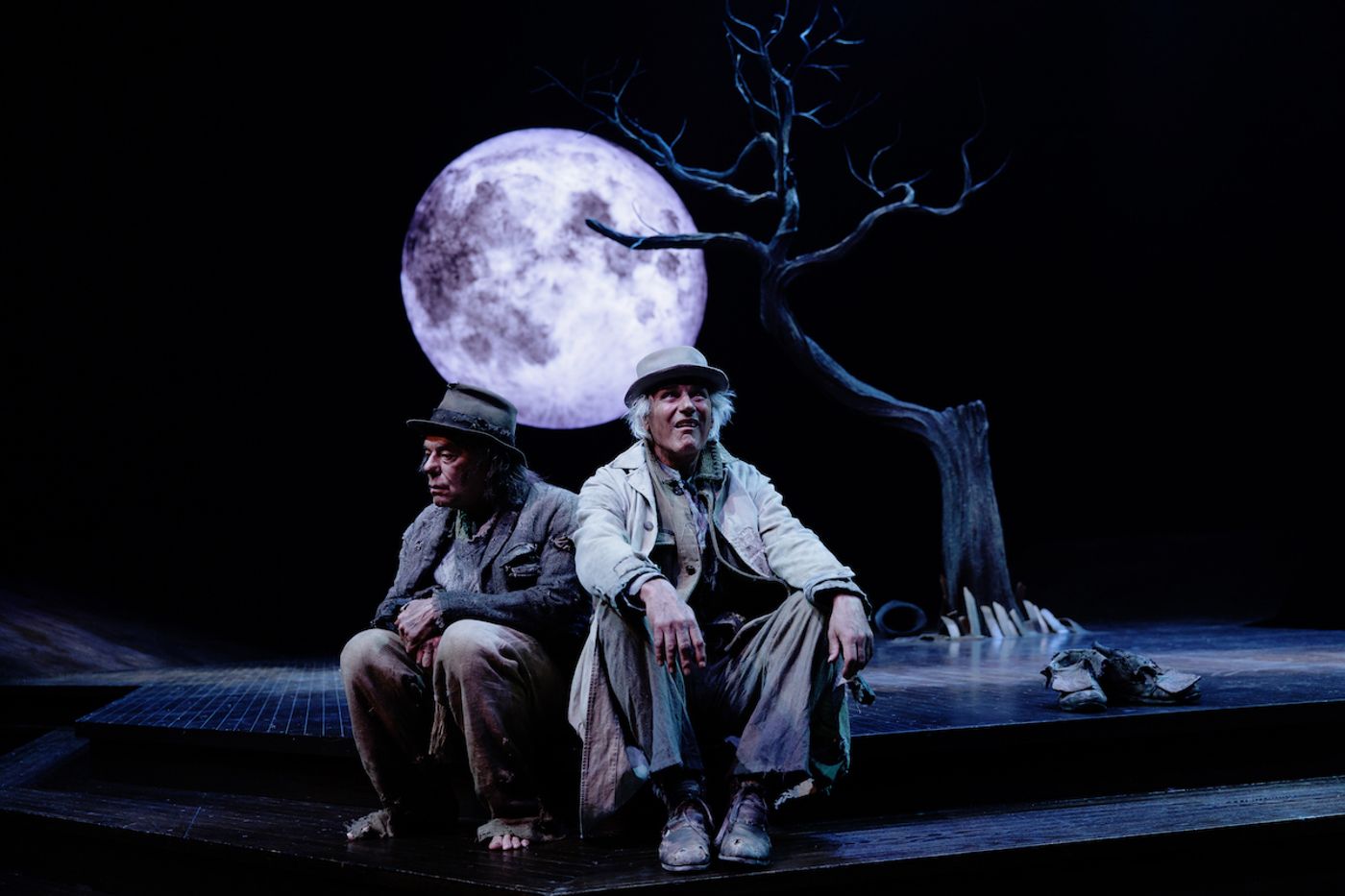
BWW: You're playing a different character, but as you say, the dialogue is very cyclical, there's a lot of similarities. Despite this, 30 years on, at a different stage in your life, do you find that you have any sort of different relationship to the text? Is there anything that rings truer or cuts deeper?
McCAMUS: When we did it last time, Brian Bedford directed it, and it was very precise. This time, it's a little messier, which I like, and that probably has to do with age. We were more in the moment than I ever was 30 years ago. We were in the moment, but we were trying to recreate something.
This time, every once in a while, I look at Paul, he looks at me, and we go, “I don't know what we have to say,” so we're kind of stopped in the middle of it, because we can't remember what comes next. And so we just sort of go somewhere else and go somewhere else. I think we do have a different kind of understanding about waiting and waiting before the end of life. When we say, what about hanging ourselves, 30 years ago, it was different to when I'm now 70 and looking at maybe 20 summers left or something like that. So, it definitely strikes deeper.
I think sometimes I find that, too, as I get older, the beauty of life, it's richer because you've lived longer, than it was when I was a younger, more energetic kind of young man. I watch Paul do, there's a beautiful speech in Act 2 where he starts talking about, who are we, what are we waiting for. And I don't remember putting any kind of searching into it when I was performing it, the way Paul does. It's just beautiful the way he does it. So I love to watch that and go, God, I wish I could have done that 30 years ago, but that's acting too, right? I mean, you revisit something every time when you're doing the classics, and it's wonderful to revisit them when you're older.
BWW: As you were saying earlier, the fact that Godot is such an in-the-moment play, with Estragon being such an in-the-moment character, means that messiness probably works well to remind you that you're in the moment.
McCAMUS: It totally does.
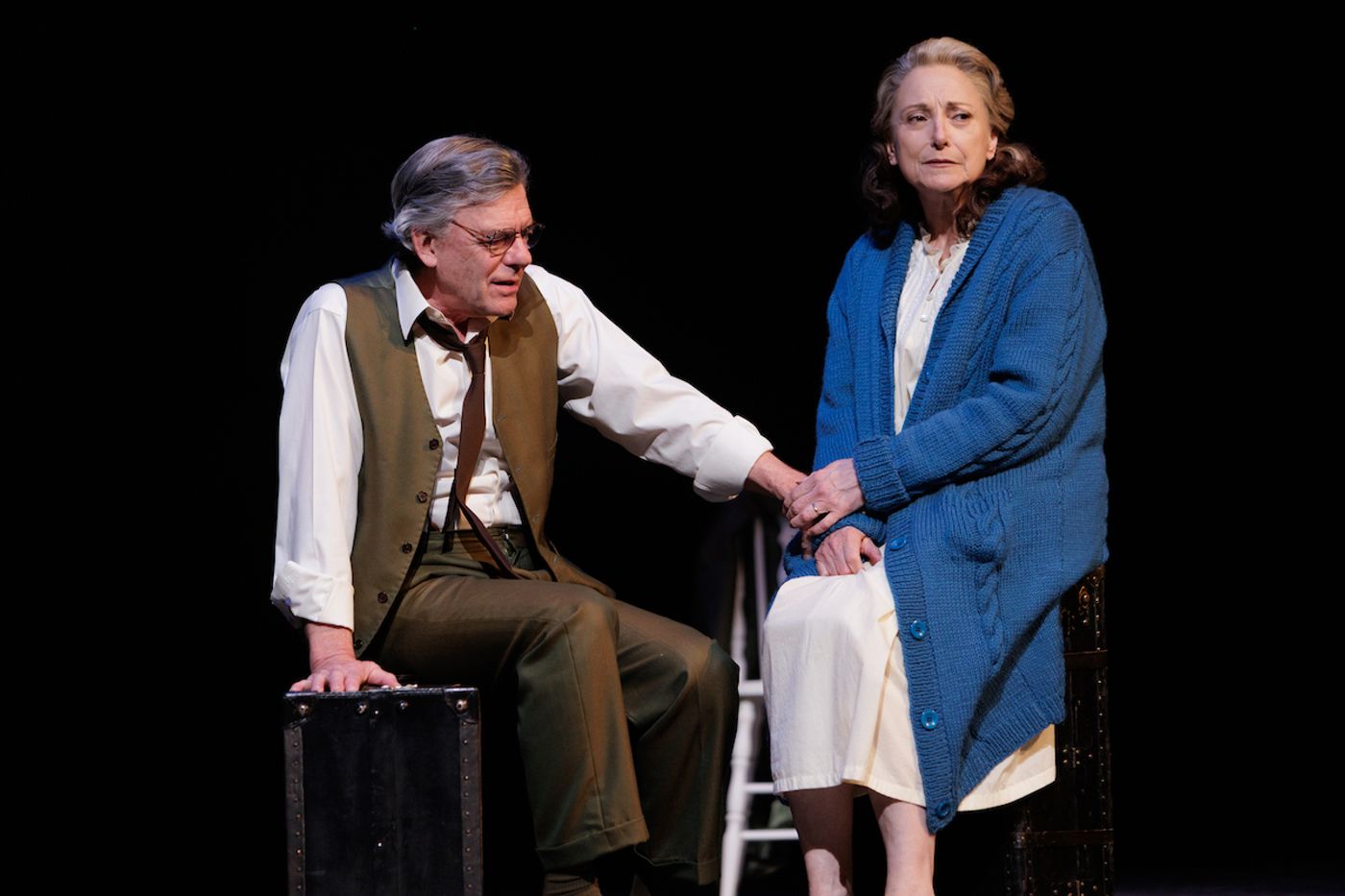
BWW: Even though you've played Arthur Miller before this, you hadn't actually tackled any of his plays. What's it like to start with the big one, a role which can be very intimidating, given the range of classic performances? How did you approach Willy?
McCAMUS: When I was in university, I went to the University of Windsor, and a lot of our teachers were American. I was there in the 70s, so a lot of the teaching was 1950s American naturalistic playwrights. I grew up learning about acting through Miller and O'Neill and Williams, so I've always thought that's what acting was, and yet, when I went out into the world, I never got a chance to do that. I think I did one Williams, that's about it. So it's been great to go and do that. Because I feel at home to a certain degree.
In terms of iconic parts, when you're working in somebody like Stratford, you end up playing, parts that everybody has an opinion on how you're supposed to do it. I played Lear, I played Macbeth, I played Coriolanus. So, I learned long ago to just forget about that, and to look at the text and go, “Who’s this guy to me?” and figure out how to play it. I never really thought I was going to play Willy Loman, I never thought that was my kind of part. I go, well, I'm not old enough to do that, and then I go, oh, no, actually, I'm too old to do that.
It’s great to go and discover why these great plays are great, and as you're rehearsing them, you go, oh yeah, this is fantastic. This connects to this, this connects to that. And actually, they support so many interpretations. There isn't a one way to play Willy Lohman. You play Willy Lohman how he speaks to you, and as I said earlier, it's so much Willy Lohman speaks to me about my father, because I don't have kids, so I don't know that relationship between a father and a son, but I do know it from the other side.
Those great playwrights, they do take care of you.
BWW: One thing that strikes me as really fascinating about both of these plays is that they're both examining inconsistencies between words and actions. There’s the famous, “Let's go. (They do not move.)” Then Willy, of course, is just a bundle of inconsistencies, praising his Chevy in one second, and damning it in the next, praising his son in one second, and damning him with the same language in the next. How do you find the consistency in working with all of these inconsistencies, somebody who says they're going to do something and doesn't do it, or changes on a dime? How do you deal with that as an actor?
McCAMUS: I guess both of those guys, you know, Estragon and Willy, the similarity in them is that they believe what they're saying in the moment. Whatever it is, whether it doesn't connect to what they said before. When Estragon is trying to determine whether they were here yesterday or not, and Vladimir corrects him, Estragon says “I may be mistaken” with the same belief that he said the line just before. And that’s what Willy is, too. Whatever he says, it just comes out of him. It's a clue on who the characters are, as opposed to standing on that side and trying to analyze, “This is what he means here, this is what he means there, and he's actually trying to do this, and he's trying to do that.” He's not, he's just going with the moment, and that's the kind of guy he is, and that's why he gets into the trouble that he gets into.
When I was rehearsing it, I'd do scenes, I’d go, how come this isn't working? Then I realized I was thinking about it too much. I'm speaking from an intellectual point of view as opposed to an emotional point of view. And I think that's what Willy is. He's just a great big emotional kind of guy. The beauty of it is, that's the reality. That's what we do. We don't think about it. You just open your mouth and speak, and afterwards, you go, oh, why did I say that? I shouldn't have said that. You know, you think about it after the fact. But in the moment you don't. And that's what makes Willy a great character to play.
It's difficult, too, because you constantly have to be in the moment all the time to do it. And the language is very difficult, because Miller actually didn't want it to be a “naturalistic” play. So he went through all the dialogue, and he changed a lot of the words so that you would think that.
Normally, you would use this phrase, but he puts a word in there that doesn't normally fit. So, it's really difficult. You keep, as you're saying it, you go, that can't be right. He’s using a word three times in a row. You never do that as a writer. Well, he did that as a writer, because it's more spontaneous, because Willy doesn't think about what he's going to say. He doesn't plan what he's going to say.
BWW: It also makes the language stick in the audience's mind a bit more, with this incongruities. That’s why we try not to write in cliches, because that slips off the audience’s back like water. But if something’s a little bit incongruous, it’s like a pebble in your shoe, it doesn't quite fit. Those are the things that you remember.
McCAMUS: That's right.
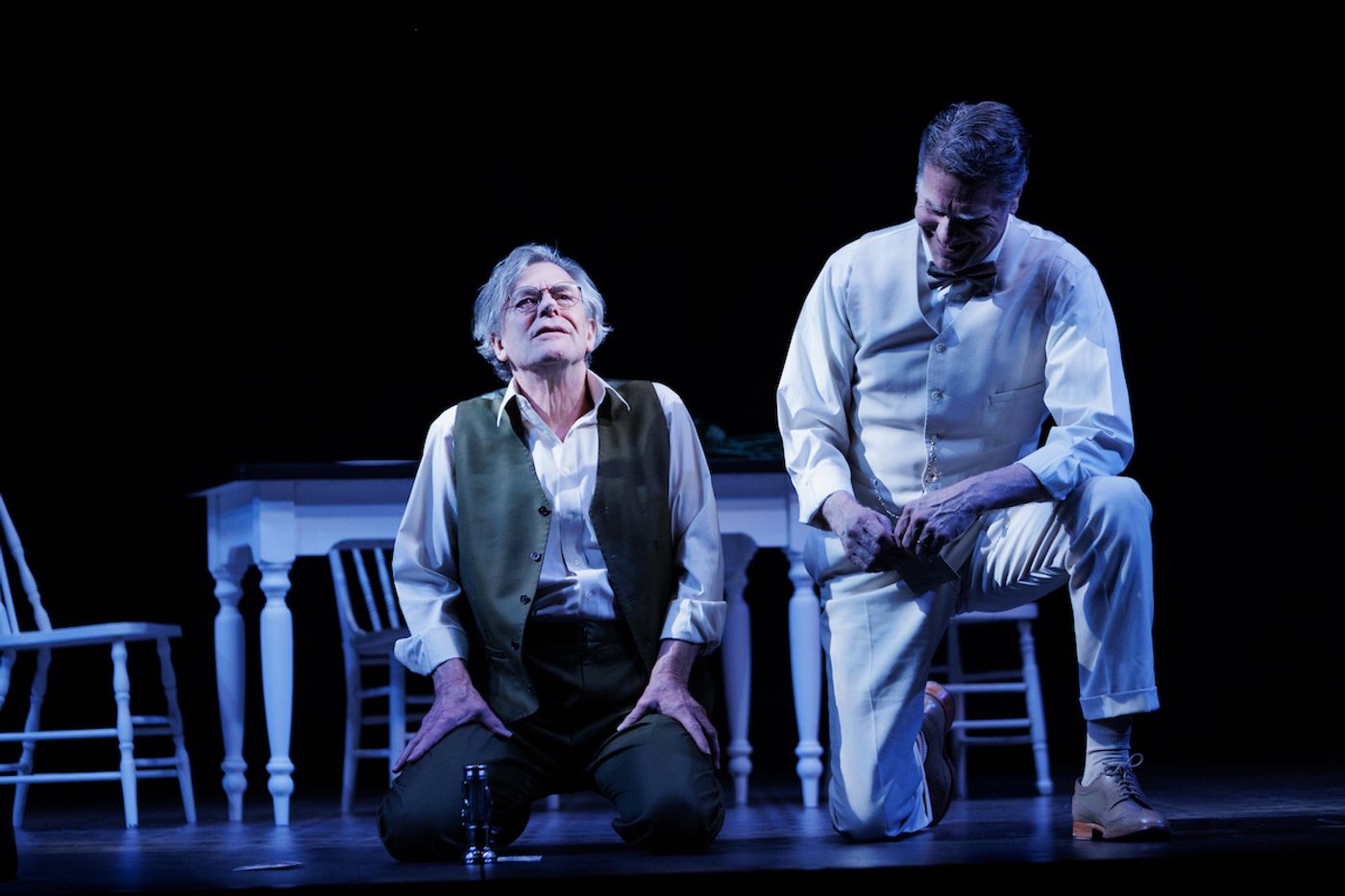
BWW: It makes perfect sense to me that the audience knows that Willy is being inconsistent. But Willy's not really aware of that, and that's the only way it can work.
McCAMUS: That's right, because he’s not questioning his own hypocrisy. He's not self-aware enough for that. That's the audience's job to think about it a little bit deeper.
BWW: In Salesman, your wife (Chick Reid) is playing the woman that Willy has an affair with. What's it like to work with her in this production?
McCAMUS: It's great. Like you say, you kind of get discombobulated playing the guy for the reasons we were talking about, so when Chick walks on, I go, oh, good, good, I feel safe, because my wife's there on stage with me. We don't have to have an intimacy coordinator or anything like that. I love working with Chick. We have a great time working together. We don't live in Stratford, so when I go to Stratford, it’s a 9-month contract, and you're away from home. So it's always better when the two of us are there together, and we can have the life that we have together, which is nice.
BWW: Is there anything else you’d like to share about your work with Stratford?
McCAMUS: People often ask, are there any parts you want to play? I go, no, there’s no part I want to play until somebody says, we'd like you to play this part. And I say, yeah, I would like to play this part.
BWW: Well, I think that's very in-the-moment of you. Thank you for speaking with us, and best wishes for a great season!
Waiting For Godot runs until July 31st at the Festival Theatre. Death of a Salesman runs until October 24th at the Avon Theatre.
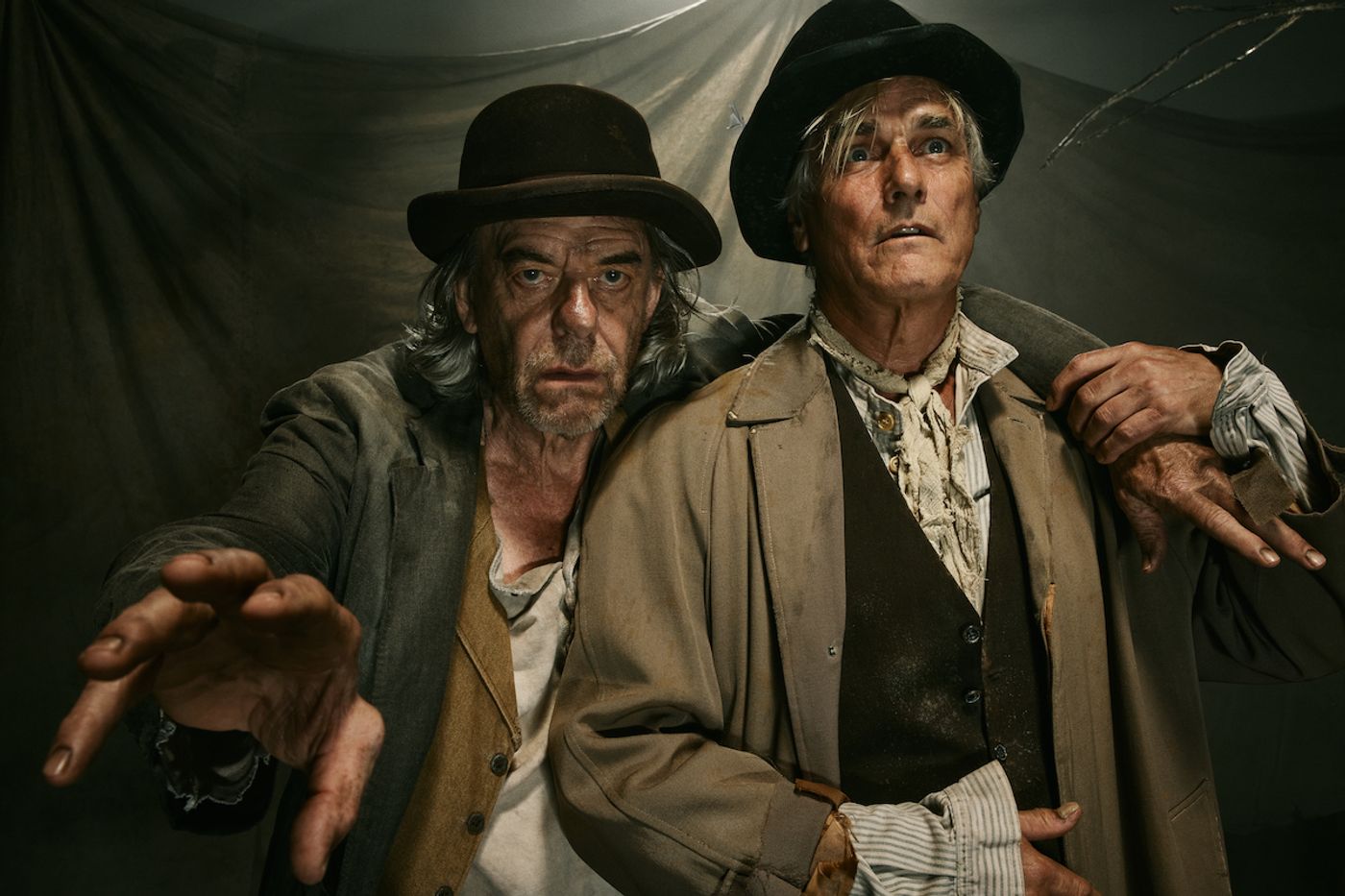
Photos from Waiting for Godot of Tom McCamus and Paul Gross by Dariane Sanche (first photo) and David Hou
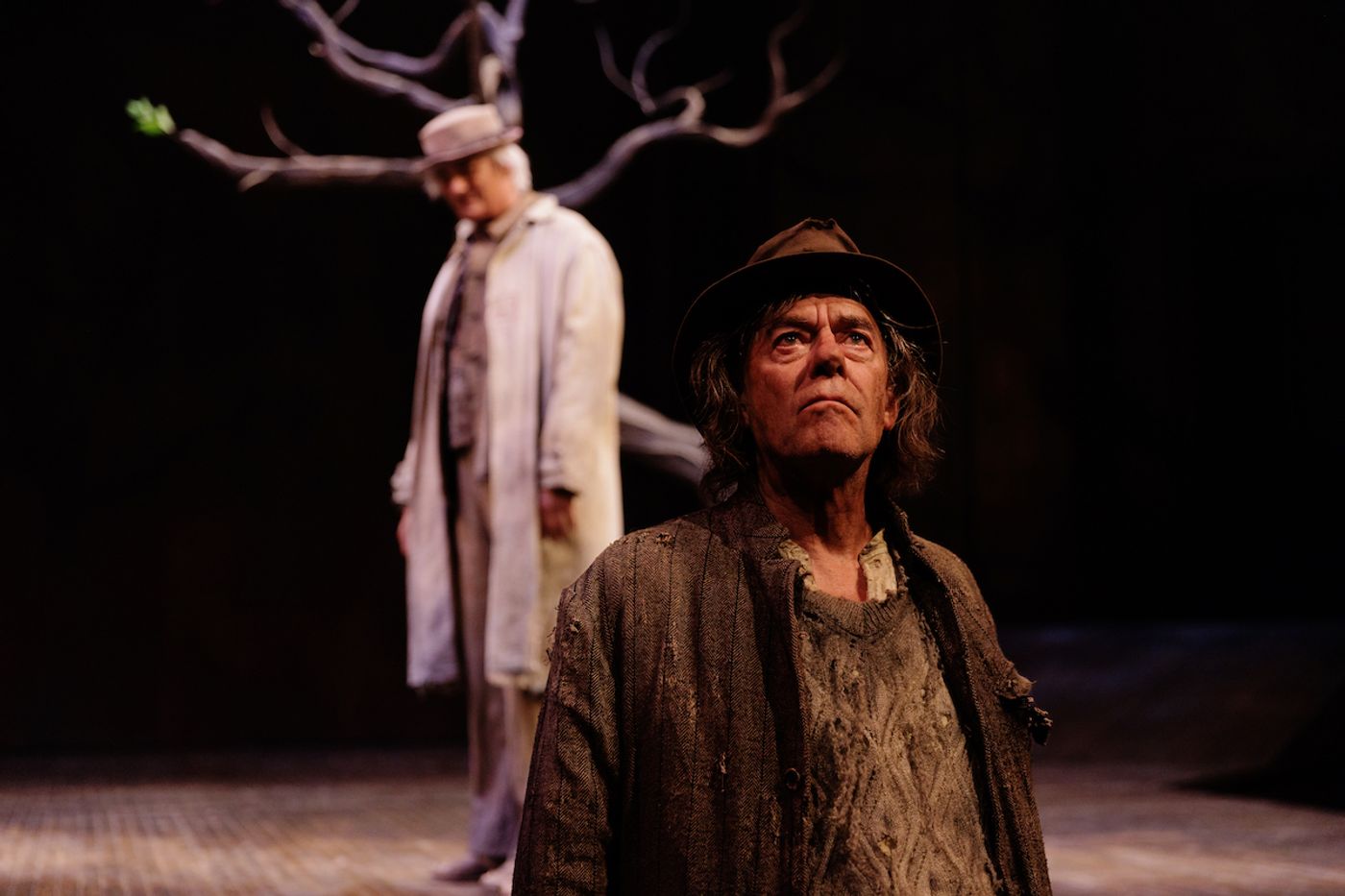
Photos from Death of a Salesman of Tom McCamus, Lucy Peacock, and David W. Keeley by David Hou




|
Mt. Joy RBC Amphitheatre (9/21-9/21) |

|
Toronto International Tap Dance Festival Terminal Theatre (8/21-8/23) |

|
Grand Soft Day Young People's Theatre (4/24-5/02) |
|
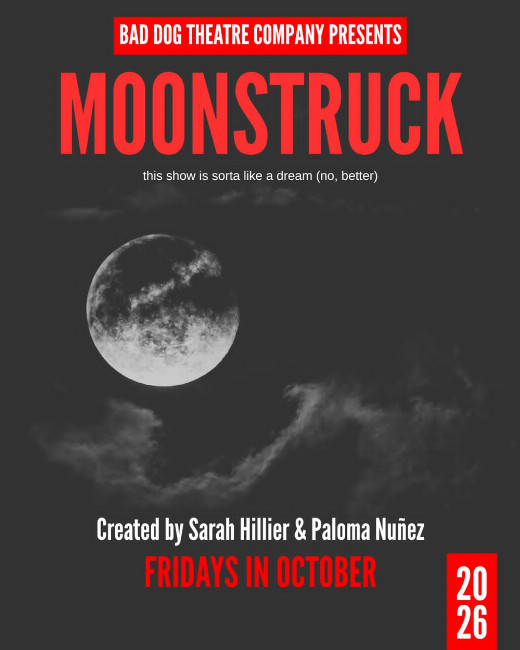
Moonstruck Comedy Bar (10/09-10/30) |
|
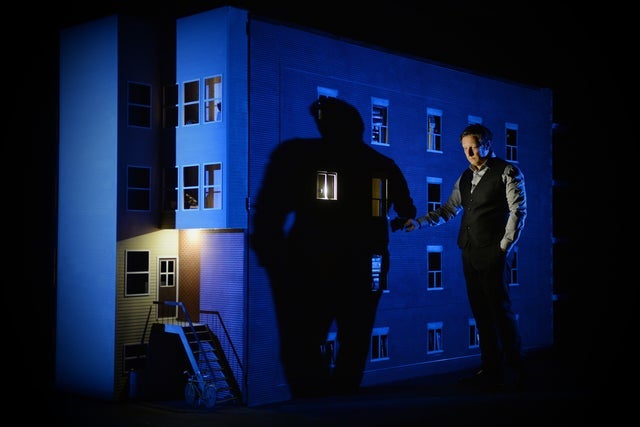
887 - Ex Machine / Robert Lepage The Elgin & Winter Garden Theatres (12/10-12/13) |
|
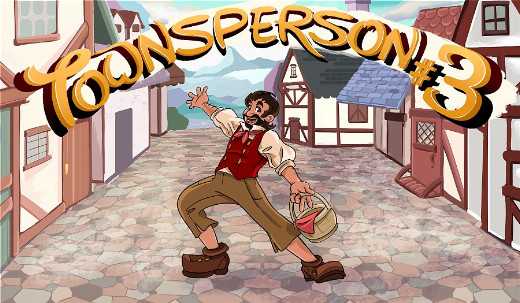
Townsperson #3 Theatre Aquarius (7/17-7/26) |

|
GLORY! Buddies in Bad Times Theatre (1/20-1/24) |

|
Mamma Mia! Princess of Wales Theatre (8/04-8/30) |

|
Fireside Munsch: Mighty Mess of Munsch Wychwood Theatre (7/26-7/26) |
|
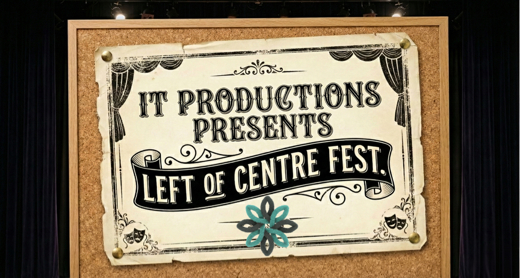
Left of Centre Fest. Harmony United Church Hall (8/14-8/16) |