


Interview: Choreographer Zak Jacobs On Bringing THE LITTLE MERMAID to Life at Uptown Music Theater
Interviewed by Sophia Yen-Vera.
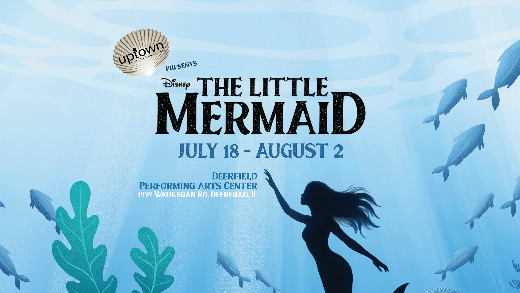
Disney's THE LITTLE MERMAID is heading to the Uptown Music Theater stage this summer in Deerfield, IL, directed by Tor Campbell, choreographed by Zak Jacobs, and music directed and conducted by Aaron Kaplan, featuring the acclaimed 20-piece JAM Orchestra. A spectacular love story about identity, community, and finding the strength of your inner voice, the production follows King Triton's youngest daughter Ariel as she dreams of exploring the human world, with beloved songs including 'Under the Sea,' 'Kiss the Girl,' and 'Part of Your World.'
Handling the choreography is Zak Jacobs, a graduate of Highland Park High School with a BFA in dance from the University of Illinois at Urbana-Champaign. Jacobs worked as a Company Manager in New York City for eight years, with Broadway credits including ROCK OF AGES, HEAD OVER HEELS, ESCAPE TO MARGARITAVILLE, BANDSTAND, KING CHARLES III, and THE BOOK OF MORMON. His directing and choreography credits include HAIRSPRAY and LES MISÉRABLES at Uptown and THE WIZARD OF OZ at Metropolis, and his performance credits span HELLO, DOLLY! with American Ballet Theatre, CABARET, GUYS AND DOLLS, and FOOTLOOSE.
Sophia Yen-Vera spoke with Jacobs about developing distinct physical vocabularies for Ariel's two worlds, honoring the expectations audiences bring to iconic numbers, and the collaborative process that lets each dancer bring their own individuality to the movement.
What was your overall vision for the choreography in THE LITTLE MERMAID, and how did you approach creating movement that convincingly brings an underwater world to life on stage?
As the choreographer, I wanted to honor the fantasy of the story while grounding it in recognizable dance vocabulary. The underwater environment is full of different colors, textures, and forms of life, so I wanted the movement to reflect that richness and variety. To bring that world to life on stage, I blended a variety of dance styles to create a unique movement language centered on continuous, fluid motion. The choreography is designed to feel as though every character is being carried by the water. For example, much of Ursula's movement originates from her back and arms, creating the impression of flowing tentacles, while the opening choreography in 'She's in Love' uses the mersisters' movement to evoke the gentle rhythm and fluidity of the ocean. One of my biggest goals was to make the entire production feel as though it was constantly in motion, just like life underwater. There is never a dull moment, each transition flows seamlessly into the next. Ideally, the audience doesn't even notice when a scene change is happening because the choreography, staging, and storytelling are all working together to create one continuous underwater journey.
How do you choreograph the distinction between the underwater sequences and the scenes set in the human world, and what physical vocabulary did you develop for each environment?
The movement vocabulary for the underwater world is intentionally fluid and draws from a variety of dance styles. Rather than relying on one specific technique, I blended influences from Latin, African, jazz, and lyrical dance to create movement that feels organic, continuous, and full of life. Everything beneath the sea is designed to feel as though it's being carried by the current, with flowing transitions and an energy that never stops moving. In contrast, the choreography in the human world is rooted more in traditional musical theatre vocabulary. The movement is structured, refined, and grounded, reflecting the customs and formality of life on land. You can really see that distinction when comparing numbers like 'One Step Closer' and 'Under the Sea.' 'One Step Closer' is regal and elegant, incorporating ballroom-inspired movement that complements the palace setting. 'Under the Sea,' on the other hand, is vibrant and celebratory, blending Latin and African influences with jazz and lyrical styles to capture the joy, color, and freedom of the underwater world. Creating these two distinct physical languages helped reinforce the contrast between Ariel's two worlds, making her journey feel even more vivid for the audience.
THE LITTLE MERMAID features iconic songs like 'Under the Sea' and 'Kiss the Girl' that audiences already have strong associations with. How do you honor those expectations while still bringing something fresh and original to the choreography?
With songs as beloved as 'Under the Sea' and 'Kiss the Girl,' audiences come in with certain expectations, and I wanted to honor that sense of familiarity while still finding opportunities to surprise them. My goal was never to reinvent these numbers completely, but to build on what audiences love and create moments that feel fresh within the story we were telling. For 'Under the Sea,' one of the biggest ways we accomplished that was by making the audience part of the experience. The sea creatures travel through the audience, immersing them in the underwater world and making it feel as though the entire theatre has become the ocean. We also paid tribute to classic visual elements that audiences associate with the number, including the puppets and jellyfish, while expanding the world by filling the stage with as many different sea creatures as possible. It truly becomes a celebration of the vibrant life beneath the sea.
'Kiss the Girl' required a different approach. Early in the process, we explored incorporating on-land aquatic animals like swans, flamingos, and fireflies. Ultimately, we realized the romance of the moment was stronger when we focused on the atmosphere instead. We emphasized the water, lily pads, and moonlight to create a magical, intimate setting while staying true to the iconic image of Ariel and Eric in the boat. One detail I especially love is that we designed the staging so the boat appears to float on its own, enhancing the illusion and allowing the audience to get lost in the magic of the moment. For me, honoring these iconic songs meant preserving the heart of what audiences remember while finding creative ways to deepen the theatrical experience and make this production feel uniquely our own.
Working with a 20-piece live orchestra conducted by Aaron Kaplan, how does the richness of that live sound influence your choreographic choices and the energy you draw from your dancers?
Working with a live orchestra is a dream. When I choreograph, I work from the original score because we don't have the full orchestra until later in rehearsals. I pay close attention to every musical layer, the strings, percussion, brass, and woodwinds, and create movement that reflects those textures, knowing they'll come to life with the orchestra. Once the dancers rehearse with the live musicians, the choreography takes on a whole new energy. The richness and spontaneity of a live orchestra elevates every movement, creating an excitement that carries from the musicians to the performers and ultimately to the audience. It's one of the things that makes live theatre so magical.
What has your collaboration with director Tor Campbell looked like, and how do you two align your visions to ensure the storytelling through movement serves the larger production?
Tor and I have built a very collaborative relationship over the years, and it's rooted in trust. He gives me the freedom to create the movement while also offering thoughtful feedback, so the choreography is always supporting his overall vision for the production. We constantly bounce ideas off one another, and because we've worked together on several shows, there's a strong understanding of how we each work creatively. One of Tor's guiding ideas for THE LITTLE MERMAID was to make it a celebration of diversity. I supported that vision by blending a variety of dance styles, including hip hop, Latin, jazz, and African influences, to create a movement language that reflects the richness of the world we're presenting. Our shared goal is always to make sure the choreography isn't just dance for dance's sake, but another way of telling the story.
The themes of identity and finding your inner voice are central to THE LITTLE MERMAID. How do you translate those emotional and thematic elements into physical movement for the performers?
The themes of identity and finding your inner voice are deeply connected to individuality, so I wanted the choreography to give the performers space to express who they are. I provide the structure, steps, and overall shape of the movement, but I encourage each dancer to bring their own personality, artistry, and perspective to the choreography. The creative process is truly a collaboration between the choreographer and the performers. I want the dancers to feel empowered to make choices that feel authentic in their bodies and allow their individuality to shine. When they bring their own experiences and ideas into the movement, the choreography becomes more personal and meaningful. That sense of trust and collaboration was essential in bringing these themes to life. By giving the cast ownership of the movement, we were able to create characters who feel distinct, expressive, and true to themselves.
What unique challenges does choreographing a show like THE LITTLE MERMAID present compared to other productions you have worked on, and how did you solve them?
THE LITTLE MERMAID is such a unique challenge because of the scale and complexity of the world. The show moves through many different locations, so one of my biggest challenges was creating seamless transitions that kept the story flowing without hesitation. I choreographed each transition down to the eight count, which was a detailed process but essential in maintaining the momentum and immersion of the production. Another challenge was discovering the unique movement language of the show. Unlike productions like HAIRSPRAY or WEST SIDE STORY, which have very specific choreographic styles, THE LITTLE MERMAID required a vocabulary that could bring together humans, mermaids, and sea creatures. Since we chose not to include traditional tap in 'Positoovity,' it was important to create choreography that remained lively and engaging throughout. 'The Storm' and 'The Transformations' were especially challenging moments that we knew we had to get right. I used flowing fans to help create the feeling of water and support the storytelling, while also using movement to transform Ariel's journey from mermaid to human. Ultimately, the goal was to create a world that felt seamless, specific, and alive while allowing the choreography to serve the larger story.
What do you hope audiences will feel or take away from the choreography when they see THE LITTLE MERMAID at Uptown Music Theater this summer?
I hope audiences leave the theatre with the same sense of hope, wonder, and possibility that defines THE LITTLE MERMAID. Whether it's the energy and excitement of the large ensemble numbers or the intimacy of the more heartfelt moments, I hope the choreography creates a meaningful connection with each audience member. This production has been such a joy and privilege to create, and my hope is that the passion, collaboration, and love that went into every movement choice are felt from the stage. Ultimately, I want audiences to leave feeling inspired, uplifted, and reminded of the magic that live theatre can create.
Disney's THE LITTLE MERMAID plays Uptown Music Theater in Deerfield, IL through August 2nd, 2026. For tickets and information, visit Uptown Music Theater online.
|
Disney's The Little Mermaid The Performing Arts Center (7/18-8/02) |

|
EWP presents Robbie Fulks & Griffin William Sherry Showcase Raue Center For The Arts (8/07-8/07) |

|
The Dave Matthews Tribute Band Raue Center For The Arts (9/25-9/25) |
|
Hedwig and the Angry Inch Catalyst Ranch (7/09-7/26) |
|
Raks Geek The Newport Theater (11/13-11/13) |
|
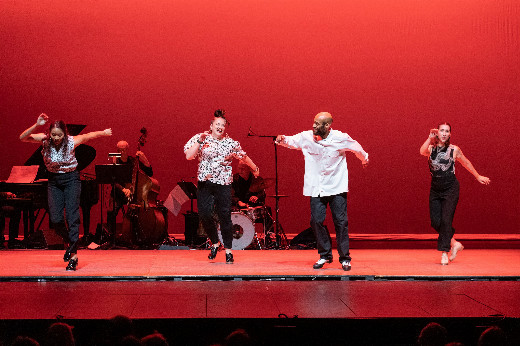
Rhythm World 36 Faculty Showcase Dance Center of Columbia College Chicago (8/07-8/07) |
|
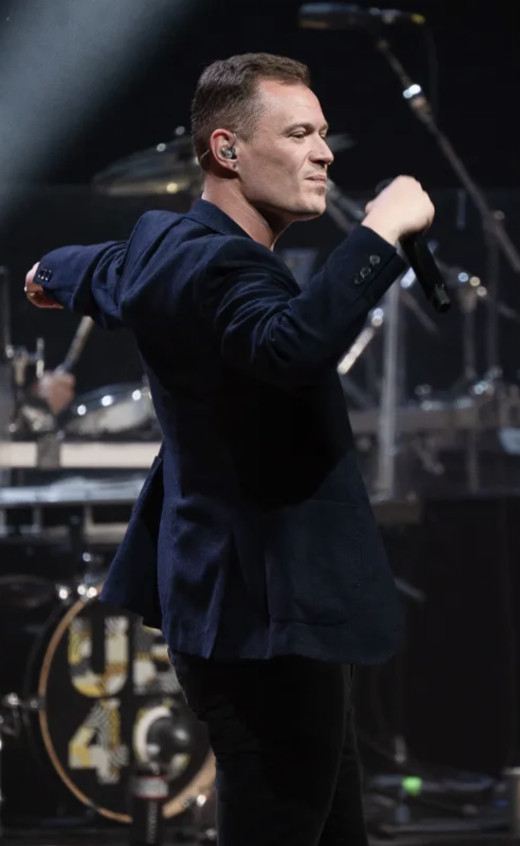
UB40 Auditorium Theatre (10/08-10/08) |

|
Chicago Live! Navy Pier (9/19-9/20) |
|
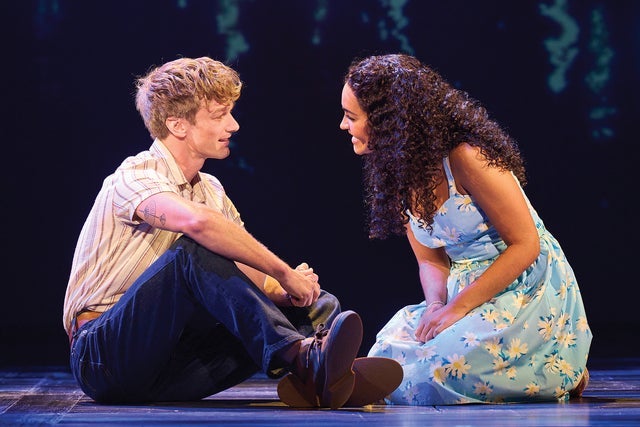
The Notebook (Chicago) CIBC Theatre (8/04-8/16) |
|
Annie The Little Theatre On The Square (7/16-7/26) |