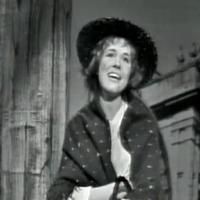
Today in 1938, Pygmalion opened at the Maxine Elliott's Theatre. Written by Irish playwright George Bernard Shaw, the play centers on Professor of phonetics Henry Higgins. He makes a bet that he can train a bedraggled Cockney flower girl, Eliza Doolittle, to pass for a duchess at an ambassador's garden party by teaching her to assume a veneer of gentility, the most important element of which, he believes, is impeccable speech. The play is a sharp lampoon of the rigid British class system of the day and a comment on women's independence, packaged as a romantic comedy.
Today in 1938, Pygmalion opened at the Maxine Elliott's Theatre. Written by Irish playwright George Bernard Shaw, the play centers on Professor of phonetics Henry Higgins. He makes a bet that he can train a bedraggled Cockney flower girl, Eliza Doolittle, to pass for a duchess at an ambassador's garden party by teaching her to assume a veneer of gentility, the most important element of which, he believes, is impeccable speech. The play is a sharp lampoon of the rigid British class system of the day and a comment on women's independence, packaged as a romantic comedy.
Today in 1938, Pygmalion opened at the Maxine Elliott's Theatre. Written by Irish playwright George Bernard Shaw, the play centers on Professor of phonetics Henry Higgins. He makes a bet that he can train a bedraggled Cockney flower girl, Eliza Doolittle, to pass for a duchess at an ambassador's garden party by teaching her to assume a veneer of gentility, the most important element of which, he believes, is impeccable speech. The play is a sharp lampoon of the rigid British class system of the day and a comment on women's independence, packaged as a romantic comedy.
Today in 1938, Pygmalion opened at the Maxine Elliott's Theatre. Written by Irish playwright George Bernard Shaw, the play centers on Professor of phonetics Henry Higgins. He makes a bet that he can train a bedraggled Cockney flower girl, Eliza Doolittle, to pass for a duchess at an ambassador's garden party by teaching her to assume a veneer of gentility, the most important element of which, he believes, is impeccable speech. The play is a sharp lampoon of the rigid British class system of the day and a comment on women's independence, packaged as a romantic comedy.






.jpg?format=auto&width=365)